Contact immediately
Leave Your Message
- Contact WhatsApp
-
 Contact Phone
-
 Contact Email
In the fast-moving world of manufacturing these days, it’s pretty clear that efficiency really matters. The latest tech breakthroughs have brought us the 2025 Top 10 Automatic Winding Machines, and honestly, these machines are set to shake things up — they can produce 30% faster than the old-school models we're used to. A recent report from the International Association of Machinery Manufacturers even predicts that the demand for such advanced equipment will grow by about 15% each year. That’s mainly because companies are really looking to ramp up productivity and boost the quality of their output.
And if you ask industry veteran Dr. Angela Lee, a well-known analyst in manufacturing tech, she’d probably tell you that, “High-performance Automatic Winding Machines are a total game changer. They help firms cut down costs and give them a serious edge in this super competitive market.” That pretty much highlights how important it is for companies to stay ahead by embracing new solutions, especially businesses like Wenzhou Jinyuan Mechanical Technology Co., Ltd. — who deal with slitting and rewinding equipment. Jinyuan Mechanical’s been pulling ahead in this area, customizing user-friendly, reliable systems that really fit their clients’ actual production needs.
As more companies start jumping on board with these kinds of innovations, the chance for manufacturers to step up their game with Automatic Winding Machines is huge — and honestly, pretty exciting. With Jinyuan Mechanical pushing forward with R&D, manufacturing, and sales, the future of winding tech looks bright. There are tons of possibilities to optimize production across all kinds of industries, and it’s pretty clear that we’re just getting started.
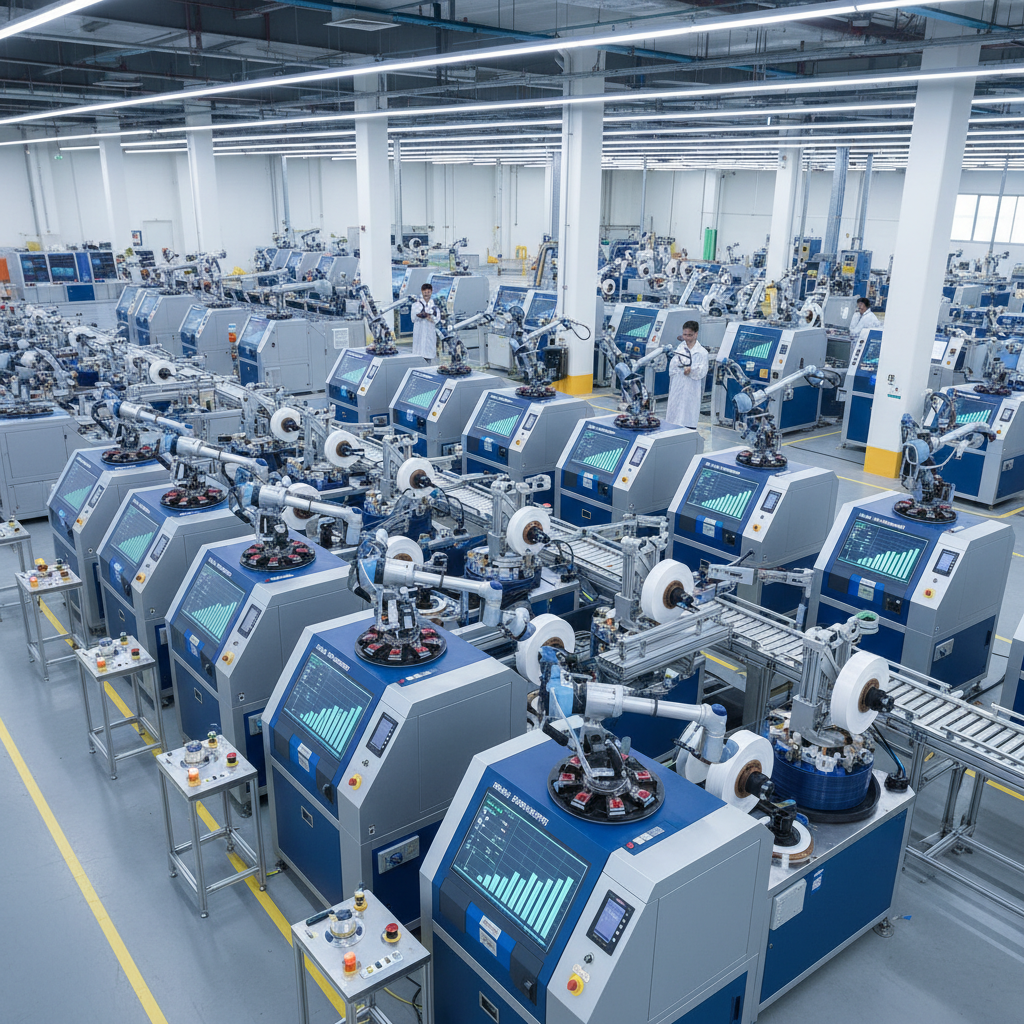
Automatic Winding Machines play a crucial role in enhancing production efficiency across various industries, particularly in textile, electronics, and manufacturing sectors. These machines streamline the winding process of materials such as yarn, wire, and fibers, ensuring consistency and precision in the final product. By automating this essential task, manufacturers can minimize human error and reduce the time required to complete each cycle, leading to substantial gains in productivity.
The significance of Automatic Winding Machines lies not only in their ability to increase output but also in their impact on overall operational costs. With advancements in technology, these machines are now capable of working up to30% faster than traditional winding methods. This increase in speed means that manufacturers can meet growing customer demands while maintaining quality standards. Moreover, the integration of automation fosters a safer workplace environment by reducing the need for manual labor in potentially hazardous winding processes, allowing companies to focus on innovation and growth.
In the rapidly evolving landscape of flexible packaging, maximizing efficiency is critical for manufacturers seeking to meet the growing demands of the industry. According to recent market reports, the global flexible packaging market is projected to reach USD 500 billion by 2025, driven by the increasing preference for lightweight and sustainable packaging solutions. Among the innovations featured in this growth is the dual-station circular die-cutting and slitting technology, which significantly enhances production capability and efficiency.
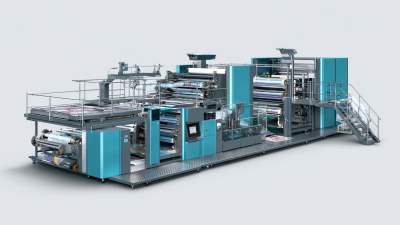
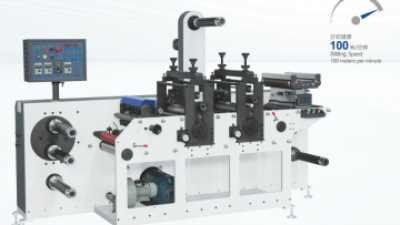
The JY-350 dual station circular pressing circular die-cutting and slitting integrated machine exemplifies this technological advancement. By incorporating two sets of circular pressing die-cutting stations, this machine streamlines the process, allowing manufacturers to execute die-cutting, sheeting, and slitting of blank self-adhesive labels in a single operational flow. Notably, it boasts automated features such as meter counting, length and quantity settings, and magnetic powder tension. These enhancements contribute to faster processing speeds and reduced turnaround times. As emphasized in several industry analyses, the optimal use of such integrated systems can reduce production costs by up to 20%, underscoring the importance of technological investments in maintaining competitive advantage.
Moreover, the machine's compact structure and smooth operation facilitate easy handling and maintenance, ensuring that operators can maintain high production levels with minimal downtime. The automatic photoelectric correction control for unwinding further solidifies the machine’s role in enhancing precision cutting, which is vital given that the flexible packaging industry often requires intricate designs and patterns. Manufacturers investing in dual-station technologies, like the JY-350, align themselves with current market trends focused on efficiency and innovation, positioning themselves strategically for future growth.
: Automatic winding machines offer an impressive 30% faster output than traditional winding techniques, enhancing production efficiency.
Manufacturers utilizing automatic winding machines have reported a notable reduction in cycle times, allowing for increased operational capacity.
The implementation of these machines leads to substantial cost reductions, primarily through lower labor costs due to faster production rates.
Industries that integrate modern winding technology can increase their production turnover by as much as 25% annually.
Future advancements include the incorporation of sophisticated algorithms, smart technologies, artificial intelligence, and machine learning for optimized production.
These features ensure consistent quality, reduce defects, and minimize material waste during the winding process.
Predictive analytics allow machines to foresee maintenance needs and adjust their functioning, improving uptime and productivity.
There is a push for developing energy-efficient winding solutions, aligning with the industry's shift towards greener practices.
The integration of automation and intelligent technology in winding processes is revolutionizing production speed, quality, and overall efficiency.
Manufacturers can achieve a significant increase in output without compromising quality, thereby enhancing their competitive positioning.
The article "2025 Top 10 Automatic Winding Machines: Revolutionizing Production Efficiency with 30% Faster Output" delves into the transformative role of Automatic Winding Machines in modern manufacturing. It highlights their growing importance in production processes, focusing on key features that distinguish the top models of 2025. By offering a comparative analysis, the article illustrates how these advanced machines can achieve output speeds that are 30% faster than traditional winding techniques. This efficiency contributes significantly to reducing production costs and enhancing overall operational productivity.
Moreover, the discussion on future trends in Automatic Winding Technology emphasizes the ongoing evolution towards greater automation and customization, aligning perfectly with industry demands. As a company, Wenzhou Jinyuan Mechanical Technology Co., Ltd. embodies this spirit of innovation, providing tailored slitting and rewinding solutions that meet specific customer needs while ensuring stability and user-friendliness in their operation.