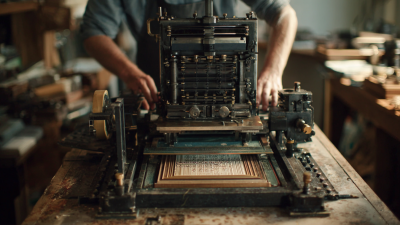
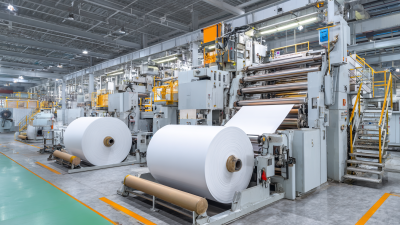
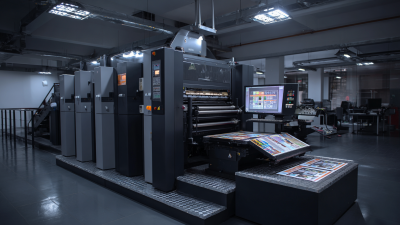
In today's fast-changing tech world, the printing industry is going through some pretty exciting shifts, thanks to all the new, innovative Printing Machines popping up. The 2025 top printers are really leading the charge here, offering some seriously next-level solutions that cover all kinds of printing needs. Whether it’s for big commercial jobs or heavy industrial use, these advanced machines are shaking things up — boosting efficiency and giving people more versatility than ever before, making it easier for businesses to get amazing results without a hassle.
As we dive into the world of printing tech, it’s pretty clear that these aren’t just small upgrades; they’re total game-changers. These machines are packed with automation, precision, and speed — helping users streamline their workflows and produce high-quality prints that keep up with the rapidly changing market demands. Plus, the addition of smart features and eco-friendly options really shows that the industry is serious about being more sustainable and efficient.
In this look at the 2025 top Printing Machines, we’re going to explore what makes these devices so essential for today’s businesses. By embracing these latest innovations, companies can boost their productivity, cut costs, and totally reinvent how they handle their printing needs. So, come along with us as we explore a landscape full of promise — these machines are really shaping up to define the future of the printing world.
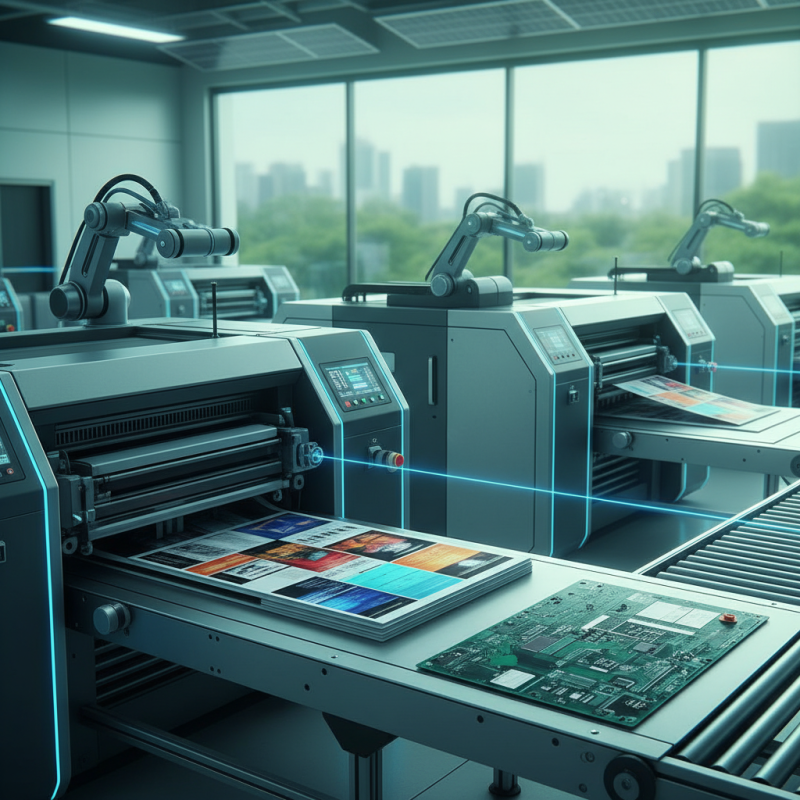
Overview of the Printing Industry Trends Leading to 2025
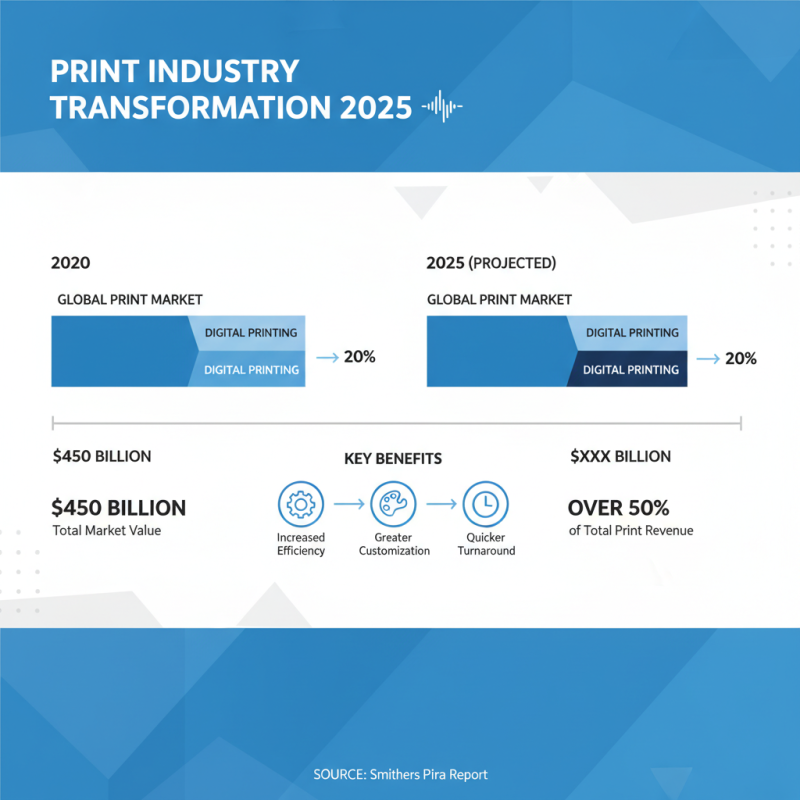
The printing industry is undergoing a remarkable transformation as it approaches 2025, driven by advancements in technology and evolving consumer demands. According to a recent report by Smithers Pira, the global print market was valued at approximately $450 billion in 2020, with projections suggesting a shift towards digital printing solutions that could dominate the sector. By 2025, it is estimated that digital printing will account for over 50% of total print revenue, reflecting a significant change in how businesses approach their printing needs. This movement towards digital solutions not only offers increased efficiency but also enables greater customization and quicker turnaround times, aligning with the fast-paced requirements of modern consumers.
Additionally, sustainability has emerged as a key trend shaping the future of printing. A study published by Research and Markets indicates that eco-friendly printing practices are expected to gain significant traction, with the sustainable printing market projected to grow at a CAGR of 4.1% through 2025. As businesses aim to reduce their carbon footprint, innovations such as water-based inks and recyclable materials are becoming increasingly integrated into printing processes. The industry is also witnessing a rise in demand for print-on-demand services, which minimizes waste and aligns production with actual buyer needs, thus solidifying the shift towards more responsible printing practices. This convergence of technology and sustainability is likely to revolutionize the landscape of the printing industry in the coming years.
Key Innovations in Printing Technology Expected by 2025
As we approach 2025, the printing industry is poised for significant transformation, driven by key innovations in technology. One notable advancement is the shift towards 3D printing, which is projected to grow at a compound annual growth rate of over 23% from 2021 to 2026, according to a report by MarketsandMarkets. This growth is largely attributed to the increasing demand for customization in manufacturing processes across various sectors, including healthcare, automotive, and aerospace. The integration of advanced materials into 3D printing will enable more complex designs, leading to enhanced product functionality and performance.
Moreover, the impact of artificial intelligence and machine learning in print technology cannot be overlooked. These technologies are expected to help streamline production processes, improve quality control, and reduce waste significantly. A study by Smithers Pira indicates that AI-driven printing systems could reduce operational costs by up to 30% by 2025, allowing businesses to achieve higher efficiency and sustainability in their printing operations. Additionally, smart printing solutions that leverage IoT technology will provide real-time data analytics, enhancing decision-making and operational transparency for print service providers.
The future of printing will also see an increased focus on eco-friendly processes. With sustainability becoming a cornerstone of the printing industry, innovations in ink formulation and recycling technologies are on the rise. A report from Grand View Research highlights that the market for sustainable printing materials is expected to reach USD 240 billion by 2025, as businesses seek to minimize their environmental footprint while meeting consumer demand for greener products. As these innovations take hold, they will undoubtedly revolutionize printing needs, making the industry more adaptive and environmentally conscious.
2025 Top Printing Machines: Revolutionizing Your Printing Needs - Key Innovations in Printing Technology Expected by 2025
| Feature | Details | Expected Benefits |
| Speed | Up to 200 pages per minute | Significant reduction in production time |
| Print Quality | Resolution up to 4800 x 2400 dpi | Enhanced detail and color accuracy |
| Sustainability | Uses biodegradable inks and recyclable materials | Lower environmental impact |
| Automation | AI-powered job management systems | Increased efficiency and reduced errors |
| Connectivity | Cloud integration and mobile access | Improved accessibility and collaboration |
Top Brands Dominating the 2025 Printing Machine Market
As we look ahead to 2025, The Printing Machine market is set to witness a significant transformation, driven by advancements in technology and changes in consumer demand. According to the latest industry report fromSmithers Pira, the digital printing segment is projected to grow at a compound annual growth rate (CAGR) of 6% over the next few years, reflecting a shift towards more versatile and efficient printing solutions. This growth is fueled by the increasing need for customized products, short-run production, and eco-friendly printing options that cater to environmentally-conscious consumers.
Leading manufacturers in the printing space are responding to this demand by innovating and introducing machines that not only enhance print quality but also improve operational efficiency. The rise of smart technology in Printing Machines, including automation and connectivity features, is revolutionizing how businesses approach their printing needs. Industry analysis indicates that the integration ofIoT (Internet of Things)capabilities into Printing Machines is expected to streamline workflows and reduce downtime by up to30%, significantly boosting productivity for users. These advancements indicate a promising future for companies looking to invest in advanced printing technologies and adapt to a rapidly evolving market landscape.
Comparative Analysis of 2025 Printing Machines Features
The printing industry is witnessing a remarkable transformation in 2025, propelled by advancements in technology and a heightened demand for efficiency and quality. A comparative analysis of the latest Printing Machines reveals significant enhancements in features that cater to diverse printing needs. For instance, many of the newly released printers now incorporate AI-driven technologies that optimize printing processes, reducing waste and increasing speed. According to a recent industry report, the adoption of smart Printing Machines is expected to reduce operational costs by up to 30% over the next five years.
Moreover, the new wave of Printing Machines showcases improvements in print resolution and color accuracy. Modern inkjet and laser printers are capable of achieving resolutions exceeding 1200 dpi, providing unparalleled clarity and detail that meet professional standards for commercial applications. Additionally, innovations such as eco-friendly inks and energy-efficient designs not only cater to sustainability but also draw attention from businesses aiming for corporate responsibility. Research indicates that printers equipped with eco-conscious features will dominate approximately 40% of the market by the end of 2025, reflecting a strong shift towards greener solutions in the industry.
Impact of Sustainability on 2025 Printing Machine Designs
As we move closer to 2025, the impact of sustainability on Printing Machine designs is becoming increasingly significant. Industry reports indicate that approximately 70% of printing companies are prioritizing sustainable practices in their operations, leading to innovative developments in printing technology. With eco-friendly materials and processes gaining traction, manufacturers are focusing on reducing waste and energy consumption. For instance, advancements in digital printing technology have allowed for on-demand production, minimizing the overproduction that traditionally plagued the industry.
Moreover, the use of biodegradable inks and recycled materials is becoming more common, as studies show that consumers are favoring environmentally conscious companies. According to a 2022 market analysis, 55% of consumers are willing to pay a premium for sustainable products, underscoring the importance of aligning Printing Machine designs with these values. Digital inkjet printers, known for their lower environmental impact due to minimal ink wastage, are set to become the standard by 2025, allowing businesses to meet both customer demands and regulatory requirements more effectively. This shift towards sustainability not only reduces the carbon footprint of printing operations but also fosters a culture of environmental responsibility within the industry.
Future Applications of Advanced Printing Technologies in Various Sectors
The landscape of printing technology is undergoing a significant transformation, with advanced printing machines poised to impact various sectors in unprecedented ways. In the realm of manufacturing, 3D printing is revolutionizing design and production processes, allowing for the creation of complex parts and materials on demand. This shift not only reduces material waste and costs but also enables rapid prototyping, offering companies the agility to innovate faster than ever before. Industries such as aerospace and automotive are already harnessing these capabilities, paving the way for more personalized and efficient production lines.
In healthcare, advanced printing technologies are set to redefine the way medical devices and even tissue scaffolds are produced. The ability to print biocompatible materials could lead to custom implants designed specifically for individual patients, enhancing the effectiveness of treatments and surgeries. Furthermore, pharmaceutical printing technology may allow for the on-demand production of personalized medication dosages, significantly improving patient outcomes. As these technologies continue to evolve, their integration into various sectors will not only streamline operations but also foster an environment ripe for innovation, ultimately leading to enhanced services and products that better meet consumer needs.
Consumer Considerations When Choosing a 2025 Printing Machine
When choosing a printing machine in 2025, consumers should consider several key factors to ensure they meet their specific printing needs. First and foremost, assess the type of printing you plan to do—whether it's for home use, small business, or high-volume commercial projects. Different machines cater to varying functionalities, so identifying your primary use will guide you toward the best choice.
Another crucial consideration is the technology behind the printing machine. Inkjet and laser printers each have their advantages depending on print quality and speed. Inkjet printers are typically better for color photographs and detailed graphics, while laser printers excel in producing sharp text and handling larger volumes efficiently.
Tips: Always check the cost of replacement inks or toners, as they can significantly affect your long-term printing expenses. Additionally, look for models that offer features like wireless connectivity and mobile printing options to enhance convenience, especially for those who are often on the go. Finally, keep an eye on customer reviews to gauge reliability and performance from real users’ experiences, which can provide insight beyond specifications alone.
Maximizing Efficiency and Precision: The Benefits of Automatic Medium-Speed Die-Cutting Machines for Modern Manufacturing
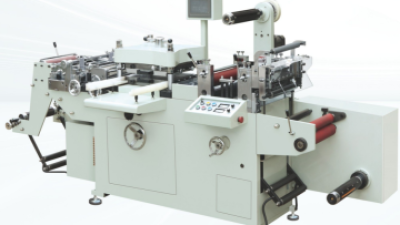
In the realm of modern manufacturing, the adoption of automatic medium-speed die-cutting machines is transforming efficiency and precision across various industries. These machines are particularly adept at handling paper adhesive labels, nylon film labels, and anti-counterfeiting trademarks, making them essential tools for businesses involved in high-speed printing processes. According to recent industry reports, the demand for high-quality printed materials is projected to grow significantly, driven by the rise in e-commerce and packaging requirements. The integration of automatic die-cutting technology can enhance production lines, allowing for the seamless execution of tasks such as die-cutting, waste cutting, and slicing—all under the control of advanced computer systems.
One of the distinguishing features of automatic medium-speed die-cutting machines is their flat structure, which contributes to space efficiency while maximizing throughput. The systems employ sophisticated computer servo mechanisms for precise paper pulling, ensuring consistent quality throughout the cutting process. A study by the Printing Industries of America indicates that manufacturers utilizing automated die-cutting solutions have reported up to a 30% increase in productivity, while simultaneously reducing material waste by up to 20%. This level of efficiency is paramount for electronic and adhesive tape product industries, where precision in labeling and branding can significantly affect product perception and compliance with regulations.
Moreover, the utilization of photoelectric sensors for material tracking allows for real-time adjustments, enhancing the accuracy of the die-cutting process. Manufacturers can achieve superior cuts and reliable positioning, resulting in high-quality end products. Industry analysts predict that as the technology continues to evolve, automatic medium-speed die-cutting machines will become indispensable across various sectors, reinforcing the need for efficiency and precision in contemporary manufacturing environments.
FAQS
: The digital printing segment is projected to grow at a compound annual growth rate (CAGR) of 6% over the next few years.
Advancements in technology, particularly smart technology and IoT integration, are enhancing print quality and operational efficiency, streamlining workflows, and reducing downtime by up to 30%.
Approximately 70% of printing companies are prioritizing sustainable practices, focusing on reducing waste and energy consumption, using eco-friendly materials and processes.
Biodegradable inks and recycled materials are increasingly used, as research shows that consumers prefer environmentally conscious products.
Consumers should consider the type of printing (home use, small business, or commercial), the technology (inkjet vs. laser), cost of replacement inks, and features like wireless connectivity.
Digital printing technology allows for on-demand production, minimizing overproduction and aligning with consumer preferences for sustainable products.
Inkjet printers are typically better for producing color photographs and detailed graphics.
Laser printers excel in producing sharp text and are better suited for handling larger print volumes efficiently.
Customer reviews can provide insights into the reliability and performance of the machine from real users' experiences, beyond just specifications.
Features like wireless connectivity and mobile printing options can significantly enhance convenience, especially for on-the-go users.
Conclusion
The article "2025 Top Printing Machines: Revolutionizing Your Printing Needs" provides a comprehensive overview of the evolving printing industry as it approaches 2025. It highlights significant trends shaping the market, with key innovations in printing technology that promise to enhance efficiency and quality. The discussion includes a comparative analysis of different printing machines, focusing on their features that cater to diverse consumer needs. Sustainability also plays a crucial role in the design of 2025 printing machines, reflecting a growing commitment to environmentally friendly practices.
Additionally, the article explores future applications of advanced printing technologies across various sectors, showcasing their potential to transform industries. Consumers are guided on important considerations when selecting a printing machine, ensuring they make informed choices that align with their printing needs. Overall, this insightful examination positions the 2025 printing machine as a pivotal tool in addressing contemporary demands and future challenges in printing.

 Contact immediately

 Contact Phone
 Contact Email