In the constantly changing world of manufacturing, Die Cuttinghas really become a key player. You’ll find it used across so many different industries these days. Companies that specialize in Die Cutting tend to offer impressive precision and efficiency—they're pretty good at what they do. Whether it's for packaging, decorative touches, or other design elements, there's a wide range of needs they can handle. But, honestly, not all Die Cutting services are created equal; some are definitely better than others.
When you're on the hunt for a Die Cutting service, it’s super important to pick the right one. Top-tier companies show real expertise and can be trusted to get things right. They understand different materials and techniques inside out, making sure your final product hits all the industry standards. Sadly, a lot of folks overlook how crucial quality control is, and that can really mess things up.
Looking ahead to 2026, it’s a smart move to stay in the loop about the best Die Cutting services out there, especially in China. There are some high-quality options if you know where to look, but it takes a bit of research. Checking out customer reviews and industry reputation can really help you make a good choice. Finding the perfect Die Cutting partner might take some trial and error, but once you do, it can seriously boost your projects and bring your ideas to life more smoothly.
Overview of Die Cutting Services in China
Die Cutting services in China are gaining traction globally. This method allows for precise shapes and designs in various materials. Industries such as packaging, apparel, and crafts benefit greatly from these services. The flexibility of production volumes is a notable advantage.
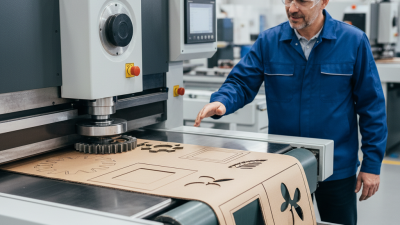
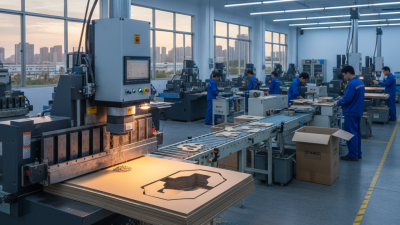
China's Die Cutting service industry features a variety of equipment, including advancedDie Cutting Presses. These machines enhance accuracy and efficiency. Many companies invest in state-of-the-art technologies to meet diverse client needs. However, some might struggle with consistency in quality. It's essential to choose a reliable supplier to avoid pitfalls.
The market is evolving. More businesses are adopting sustainable practices in Die Cutting. Eco-friendly materials are on the rise. This shift reflects growing consumer demand for responsible manufacturing. Buyers should remain vigilant, ensuring their partners adhere to these standards. Quality control processes are vital for maintaining high standards.
2026 Best High Quality China Die Cutting Service
The bar chart above illustrates various quality metrics of Die Cutting services available in China for 2026. The metrics include Precision Cutting, Material Variety, Speed of Service, Cost-Effectiveness, and Customer Satisfaction, providing a clear overview of the services offered.
Key Features of High-Quality Die Cutting Services
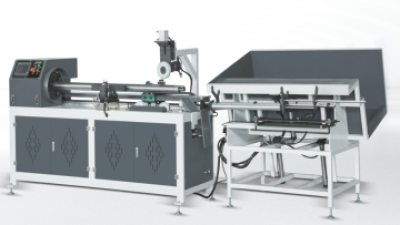
When it comes to Die Cutting services, quality sets the best apart. High-quality Die Cutting requiresprecision and attention to detail. A key feature is the use of advanced equipment like the Fully Automatic Die Cutting Machine. This machine ensures accuracy, creating clean cuts on various materials.
It’s essential to examine the variety of materials a service can handle. High-quality services can work with paper, plastic, and even fabric. Not all providers achieve the same level of finesse. Some may offer lower rates but compromise on the final product. Evaluating their portfolio is crucial.
Tips for choosing a reliable Die Cutting service include checkingreviews and feedback from previous clients. Look for services that offer robust support and communication. Quality often correlates with experience, so ask about the technicians’ training. The right service will strive for excellence while acknowledging areas needing improvement. Be wary of providers who guarantee perfection without room for growth.
Best Practices for Selecting a Die Cutting Service Provider
Selecting a die cutting service provider is crucial for quality results. It’s essential to evaluate the provider's experience in the industry. A recent report highlighted that 72% of successful projects rely on providers with over five years of experience.
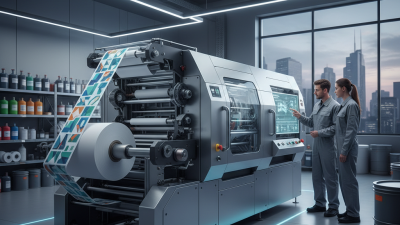
Tip: Look for providers with a robust portfolio. Their past work will reflect their capability and style. Check if they use advanced technology like a Label Die Cutting Machine. This equipment ensures precision and efficiency, which can greatly influence your project's outcome.
Consider the provider's communication process. Effective communication can save time and reduce errors. Reports indicate that clear communication leads to a 20% increase in project satisfaction. Transparency in pricing is also vital. Hidden costs can inflate the budget unexpectedly.
Tip: Ask for detailed quotes and timelines upfront. This will help you avoid misunderstandings later. Engaging with a provider who values collaboration can improve your overall experience. Evaluate customer reviews and testimonials for insight into their reliability and service quality.
Comparative Analysis of Die Cutting Technologies
Die cutting technology has evolved significantly. Different methods now cater to various industries. Understanding these technologies helps you make informed decisions. The most common types include flatbed die cutting, rotary die cutting, and digital die cutting. Each method has unique strengths and weaknesses.
Flatbed die cutting uses a significant amount of pressure. It's ideal for complex shapes and thicker materials. However, it can be slower than other methods. On the other hand, rotary die cutting is faster and suited for longer production runs. This method can handle thinner materials efficiently. Lastly, digital die cutting is becoming increasingly popular. It offers flexibility and allows for quick setup changes. But it may not be cost-effective for large volumes.
Considering these factors is crucial when selecting a die cutting service. Evaluate your project's requirements and budget. The right choice can enhance productivity and reduce waste. Yet, some challenges remain, like initial setup costs and the learning curve for new technologies. Continuous improvement and adaptation are essential in this rapidly changing field. It's vital to stay informed and find the balance that works best for your needs.
Case Studies of Successful Die Cutting Applications
Die cutting is a crucial process in many industries, from packaging to textiles. It allows for precise shaping of materials, making it ideal for various applications. For instance, in the retail sector, die cutting is used to create attractive packaging that captures consumer attention. This method can produce custom shapes that enhance product visibility on shelves.
One notable case involves a cosmetic company that utilized die cutting to craft unique product boxes. The distinctive designs not only improved shelf appeal but also strengthened brand identity. However, the initial prototypes had several flaws. Some designs were too complex for production. The company had to reassess their approach, simplifying designs while maintaining uniqueness. This experience highlights the importance of iterative design in die cutting.
Another example comes from the automotive industry. A manufacturer required precise foam inserts for vehicle interiors. They implemented die cutting to achieve exact specifications. While the outcome was impressive, the process wasn't without challenges. Variability in material thickness led to inconsistencies in the finished products. Regular testing helped to refine the process, ensuring quality. These stories underscore the dynamic nature of die cutting, revealing both successes and areas for improvement.
Future Trends in Die Cutting Services in China
The die cutting industry in China is experiencing significant transformations. According to recent data from Allied Market Research, the global die cutting market is expected to reach $10 billion by 2026. This growth reflects the rising demand for precision in manufacturing across various sectors, especially packaging, textiles, and electronics. As China continues to lead in production, die cutting services are becoming increasingly sophisticated.
Future trends indicate a surge in automation and digitalization within die cutting services. Emerging technologies, such as laser cutting and digital die cutting, are streamlining operations. These advancements boost efficiency but also raise questions about job security in the labor market—an ongoing concern for industry stakeholders. Data from MarketsandMarkets suggests that the digital die-cutting market will grow significantly, reflecting an increased reliance on technology.
Sustainability is another critical focus for die cutting services. Many companies are exploring eco-friendly materials and practices to align with global environmental standards. However, achieving sustainability while maintaining quality remains a challenge. The industry must confront issues such as waste reduction and sourcing responsibly. Balancing these factors will be essential as market competition intensifies and consumer awareness increases.
Tips for Optimizing Your Die Cutting Projects
When optimizing your die cutting projects, precision is key. According to a recent industry report, 70% of production issues arise from misalignment during the die cutting process. Ensuring accurate alignment can significantly minimize waste and reduce costs. Regularly checking equipment and making necessary adjustments can lead to better outcomes.
Material selection also plays a crucial role. Different substrates respond variably to die cutting. A study from the International Association of Die Cutting revealed that using high-quality paper can enhance the final product's detail. Consider testing various materials before settling on the best fit.
Frequent reviews of existing workflows can illuminate inefficiencies. On average, companies that reassess their processes see a 30% improvement in productivity. Gathering team input often reveals overlooked areas for enhancement. These adjustments, while small, can yield significant long-term benefits.
Innovative Applications and Benefits of Paper Cutting Machines in Modern Crafting and Design
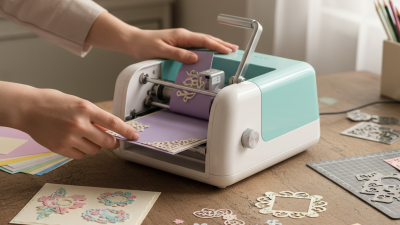
In the realm of modern crafting and design, the integration of innovative technologies, such as fully automatic paper cutting machines, has revolutionized production processes and creative possibilities. This machine stands out in its ability to automate the cutting of paper cores, enhancing efficiency and precision through the use of advanced features like servo motors, PLC controls, and user-friendly touch screens. According to industry reports, such advancements can increase production speed by up to 30%, allowing designers and crafters to focus more on creativity rather than manual labor.
The benefits of utilizing automated paper cutting machinery extend beyond mere speed. These machines offer a high degree of precision that minimizes waste and optimizes material usage—crucial factors in both sustainability and cost-efficiency. Reports indicate that businesses adopting automated solutions have seen a reduction in material waste by nearly 20%, which can significantly improve profit margins, especially in competitive markets. Furthermore, the consistency provided by automation ensures that every cut meets the specified tolerances, a vital aspect for contemporary design applications where uniformity is key.
As the crafting and design industry continues to embrace technology, the role of paper cutting machines evolves, offering more than just a means to cut materials. They have become indispensable tools that enable greater creativity while also streamlining production workflows. The advancements in this technology not only boost productivity but also pave the way for innovative applications, reflecting a transformative shift in how designers approach their craft.
FAQS
: The most common types are flatbed die cutting, rotary die cutting, and digital die cutting.
Flatbed die cutting is ideal for complex shapes and thicker materials.
Rotary die cutting is faster and better for longer production runs with thinner materials.
Digital die cutting offers flexibility and enables quick setup changes for projects.
Evaluate your project’s requirements, budget, and the specific strengths of each method.
Challenges include high initial setup costs and a learning curve for new technologies.
Automation, digitalization, and eco-friendly practices are significant trends affecting the industry.
Companies strive for eco-friendly materials but must balance quality and cost efficiency.
Increased automation raises concerns about job security for workers in the industry.
Continuous improvement helps businesses adapt and maintain efficiency in a competitive market.
Conclusion
The article discusses the essential aspects of Die Cutting services in China, focusing on their significance and quality. It begins with an overview of the industry, highlighting the key features that distinguish high-quality Die Cutting services, such as precision, material compatibility, and turnaround time.
Additionally, the article outlines best practices for selecting a reliable Die Cutting service provider, ensuring that businesses make informed decisions. A comparative analysis of various Die Cutting technologies is provided, alongside case studies that showcase successful applications in different sectors. Finally, it examines future trends in Die Cutting services in China, emphasizing the importance of innovation and adaptation, while offering tips for optimizing Die Cutting projects for enhanced efficiency and effectiveness.

 Contact immediately

 Contact Phone
 Contact Email