In the world of printing, picking the right Printing Press Die can really make or break the final result. Industry expert John Smith from Print Solutions puts it straight: "The right die can take a print project from just okay to downright amazing." His words are a good reminder — not all dies are created equal, and choosing the right one matters a lot.
When you're shopping around for a Printing Press Die, it’s important to consider things like materials, precision, and how durable it is. Too many people skip over these details and just go for the cheapest option, but honestly, investing in a quality die can save you headaches down the line with better prints and fewer mistakes.
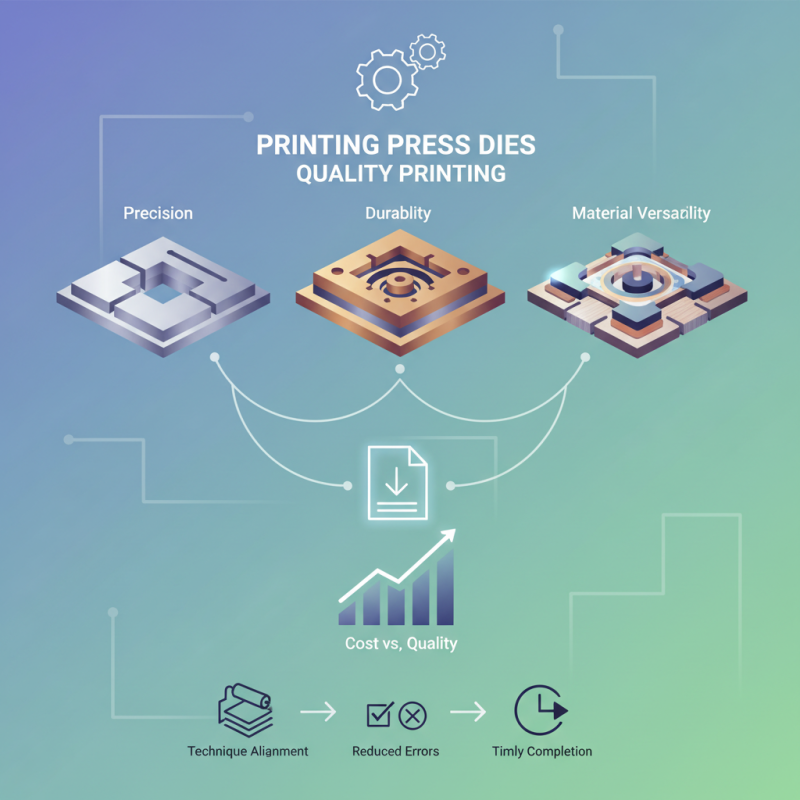
And here's the thing — a die needs to match your specific printing technique. Picking the wrong one can lead to wasted resources, missed deadlines, and a lot of frustration. So, it’s really worth taking the time to understand each option and weigh your choices carefully. As you look into the top Printing Press Die options for 2026, just remember: thoughtful consideration really pays off.
Understanding Printing Press Dies: An Overview
Printing Press Dies are crucial for achieving high-quality prints. They are used to create impressions on various materials. Understanding how dies work can greatly influence the final product. There are different types of dies, including flexible and rigid. Each type has unique advantages.
Flexible dies are often used for short runs. They are more cost-effective and can produce detailed images. However, they may wear out quickly, leading to inconsistent results. Rigid dies are known for their durability. They are ideal for large production volumes. But, they usually require a higher initial investment.
Choosing the right die is not easy. It involves balancing cost, quality, and print volume. Many printers struggle with this decision. A wrong choice can lead to wasted materials and time. It's important to test options before committing to a specific die. Each printing job can have different needs. This understanding can ultimately enhance the printing process.
Types of Printing Press Dies: Key Variations Explained
When exploring Printing Press Dies, understanding the various types can enhance quality output. Each die serves a distinct purpose, impacting the overall production process. There are two main categories: rotary dies and flat dies. Rotary dies are often used for high-speed applications, delivering precision in long runs. In contrast, flat dies provide versatility for different shapes and materials.
Tips: Always consider the scale of your project. Smaller runs could benefit from flat dies, while larger volumes might prioritize rotary options. Make adjustments based on feedback and testing results.
Additionally, specialized dies are emerging. They include embossing dies, used for texture, and foil stamping dies, which add shine to printed materials. Choosing the right die can significantly affect both appearance and cost.
Tips: Research and prototype before committing. Too often, decisions are made without understanding the implications. Investing time upfront can save money and frustration later. форма
2026 Best Printing Press Die Options for Quality Printing
Factors Influencing Die Selection for Quality Printing
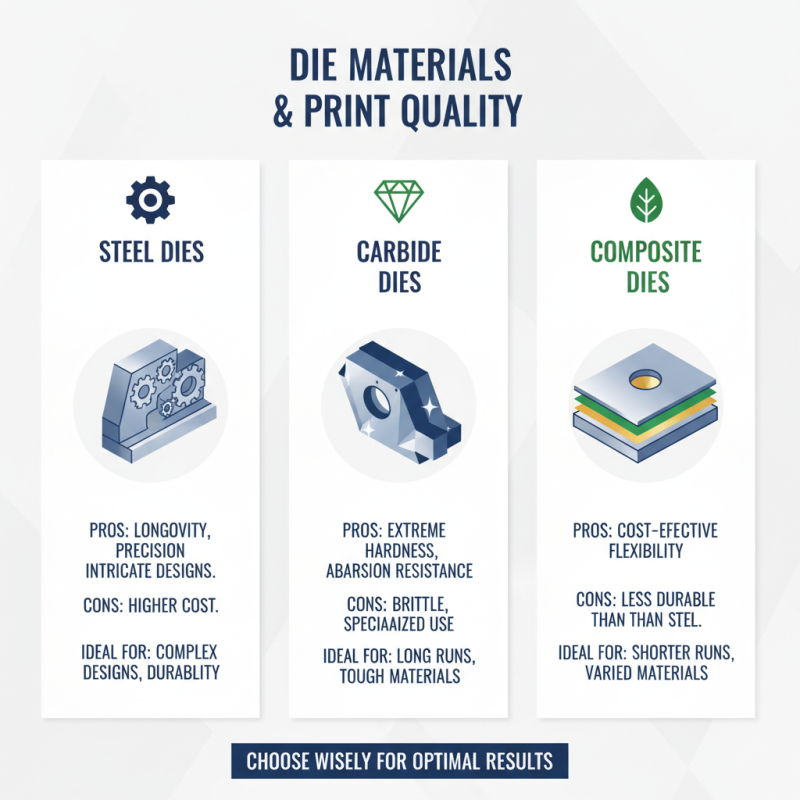
Choosing the right die for printing is crucial for high-quality results. Several factors affect this selection. One important aspect is the type of material used for the die. Steel, for example, is durable but can be costly. On the other hand, polymer dies are affordable but may not have the same longevity. Researching materials is essential, yet many overlook this detail until it affects their output.
Another key factor is the design of the die. Whether you need intricate designs or simple shapes will influence your choice. Complex designs require precision. They can also increase production time. Many printers underestimate how design elements play a role in overall print quality. Too often, they rush the decision, leading to subpar results.
Consider the production volumeas well. High-volume runs may benefit from a more durable die. However, for smaller projects, flexibility might be more valuable than longevity. This trade-off is easy to miss. Balancing these aspects is critical for successful Printing Press operations. Reflecting on your specific needs can guide better choices in die selection.
Comparative Analysis of Die Materials in Print Quality
When considering the quality of printed materials, die materials play a crucial role. Different die materials can significantly affect the print quality and the final product's durability. A common choice is steel for its longevity and precision, but it can be costly. However, if a project demands intricate designs, the initial investment might yield excellent results.
On the other hand, aluminum dies are lighter and can be more cost-effective. They might struggle with heavy workloads over time. This trade-off raises questions about longevity versus budget constraints. Plastic dies offer flexibility but often fall short in achieving high-quality details. It's essential to weigh these options carefully before deciding.
In practical use, each die material presents unique challenges. For instance, Die Cutting Press processes might falter with improper setups or material mismatches. Print professionals often need to fine-tune their approaches based on die performance. This unpredictability highlights the importance of a thorough understanding of die materials to achieve the best results in printing. The choice of die material is far from straightforward; reflecting on these aspects is necessary for superior outcomes.
Best Practices for Maintaining Printing Press Dies
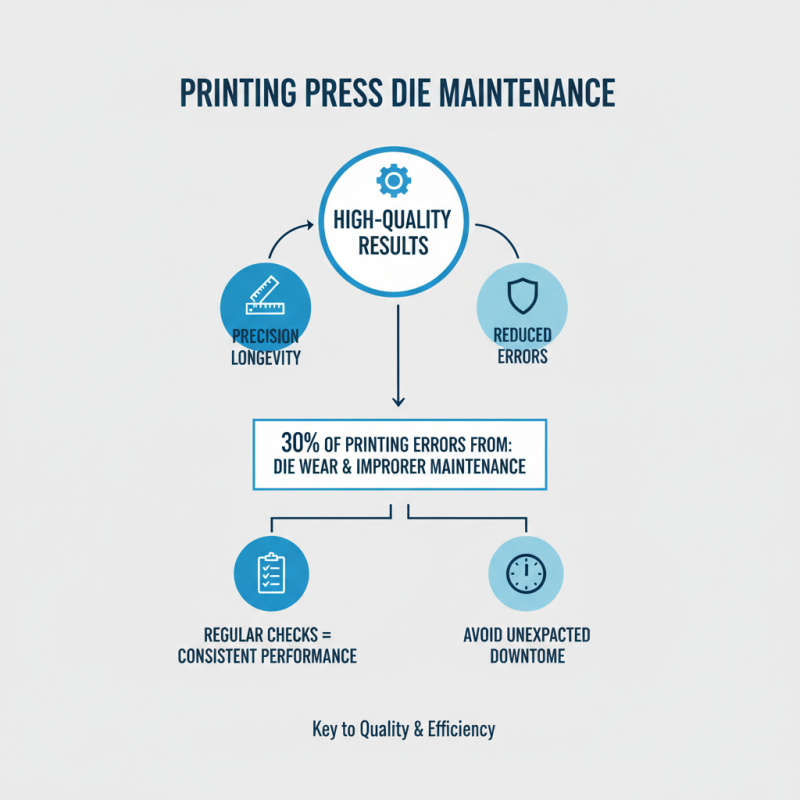
Maintaining Printing Press dies is crucial for achieving high-quality results. High-quality dies ensure precision and longevity. According to industry reports, nearly 30% of printing errors stem from die wear and improper maintenance. Regular checks keep performance consistent and avoid unexpected downtime.
Tip: Regular lubrication can prolong the life of your dies. Use proper oils recommended for your Die Press Machine. Pay attention to buildup; dirt can impact die performance.
Establishing a maintenance schedule is essential. Most experts recommend inspecting your dies after every production run. This practice helps identify any wear or misalignment early. Regular replacements or adjustments can dramatically improve print quality.
Tip: Invest in quality cleaning tools. They make a significant difference. Remember, neglecting your die maintenance can lead to costly errors. Always prioritize the condition of your dies in your workflow.
Future Trends in Printing Press Die Technology
In the world of printing, die technology is evolving rapidly. Future trends highlight the importance of precision and efficiency. According to industry reports, over 70% of printing businesses are expected to adopt advanced Die Cutting Press Machines by 2026. This shift points toward a growing demand for high-quality outputs. Businesses are searching for ways to enhance printing precision while reducing waste.
One exciting trend is the rise of digital die cutting. This technology allows for quick adjustments. It meets diverse design needs without significant downtime. Reports suggest that digital solutions can reduce costs by up to 30%. Nevertheless, some companies face challenges in integrating these technologies. Limited training and outdated equipment often hinder progress.
Sustainability also plays a vital role in future die technology. Eco-friendly materials are gaining traction, with sustainable die cuts projected to increase by 50% in the next few years. However, not all manufacturers are on board with these practices. Balancing quality and sustainability is a complex issue. Choices must be made carefully to align with eco-conscious goals. As the industry transforms, it’s essential to reflect on these elements to drive meaningful change.
Cost-Benefit Analysis of High-Quality Printing Dies
When considering the cost-benefit analysis of high-quality printing dies, it's crucial to evaluate the initial investment versus long-term gains. High-quality dies often require a more substantial upfront cost. However, their durability can significantly reduce replacement frequency. This can lead to decreased downtime and increased efficiency in the printing process. Companies must weigh these factors carefully.
The choice of printing dies directly impacts the final product's quality. Poor-quality dies can lead to inconsistent prints and excess waste. Businesses might save money initially but could face higher costs later due to reprints. These decisions echo in overall customer satisfaction. It's important to reflect on the long-term value of investing in high-quality options over cheaper alternatives.
In the end, choosing printing dies is not just about immediate expense. It's about the cumulative effects on quality, customer trust, and operational efficiency. Reflecting on past choices may reveal missed opportunities for better returns and higher quality. Making informed decisions is vital for sustainable growth in any printing business.
2026 Best Printing Press Die Options for Quality Printing - Cost-Benefit Analysis of High-Quality Printing Dies
| Die Type | Material | Cost per Die ($) | Lifespan (3000 Prints) | Print Quality Rating (1-10) | Maintenance Cost ($) | Cost-Benefit Ratio |
| Flat Dies | Steel | 150 | 5000 | 9 | 20 | 200:1 |
| Rotary Dies | Aluminum | 200 | 4000 | 8 | 30 | 133.3:1 |
| Laser Dies | Plastic | 250 | 3000 | 7 | 50 | 60:1 |
| Magnetic Dies | Composite | 180 | 6000 | 8.5 | 25 | 200:1 |
| Die-Cutting Plates | Steel | 170 | 4500 | 9.5 | 15 | 226.7:1 |
Efficient Production Solutions: The Advantages of High Speed Die Cutting Machines in Modern Manufacturing
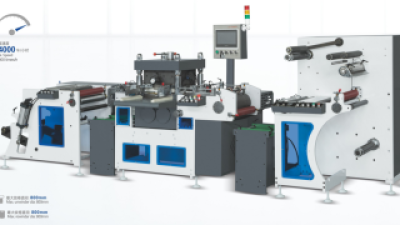
High-speed die cutting machines are revolutionizing the landscape of modern manufacturing, especially when it comes to the production of paper adhesive labels and adhesive tape products. With cutting-edge features, these machines cater to various printing processes including flexographic and intermittent printing, making them versatile assets in any production line. The innovative full wheel high-speed drum design not only allows for rapid production but also integrates multiple functions such as stamping, waste disposal, and winding in a single operation, greatly enhancing operational efficiency.
One of the standout advantages of these machines is their exceptional speed and accuracy. Capable of achieving up to 24,000 cuts per hour and processing 4,800 meters of material per hour, they significantly reduce production times while ensuring precise results. The combination of advanced servo control technology and a computerized system streamlines every step of the cutting process, from feeding to discharging. Additionally, the use of simple yet durable materials in the knife plates enhances the machine's longevity and cost-effectiveness.
Moreover, the automatic features, such as inflation and tensioning in the feeding and discharging shafts, further optimize the workflow. The inclusion of an automatic lubrication system for the power system ensures continuous, stable operation, minimizing downtime. By employing high-quality imported components, these high-speed die cutting machines promise reliability and efficiency, making them an indispensable tool for manufacturers striving for excellence in production.
FAQS
: Printing press dies are tools that create impressions on various materials for high-quality prints.
There are flexible dies and rigid dies, each offering distinct advantages for different printing needs.
Flexible dies are ideal for short runs and detailed images but may wear out quickly.
Rigid dies are more durable and suited for large production volumes, despite higher initial costs.
Consider cost, quality, and production volume; test options to avoid wasted materials.
The main types include rotary dies for high-speed applications and flat dies for versatility.
Digital die cutting allows for quick adjustments to designs without significant downtime, improving efficiency.
Eco-friendly materials are gaining importance, with a projected increase in sustainable die cuts.
Limited training and outdated equipment often hinder the integration of advanced die technologies.
Evaluating the balance of quality, cost, and sustainability can lead to better decisions in printing projects.
Conclusion
The article "2026 Best Printing Press Die Options for Quality Printing" provides a comprehensive overview of printing press dies, which are essential components in achieving high-quality printed materials. It outlines the various types of printing press dies, detailing key variations that can affect print output. Factors influencing die selection are explored, emphasizing how material choice impacts overall print quality. Additionally, the article discusses best practices for maintaining printing press dies to ensure longevity and efficiency.
Future trends in printing press die technology are also examined, highlighting innovations that may shape the industry. A cost-benefit analysis is conducted to assess the investment in high-quality printing dies versus the potential returns in print quality and operational efficiency. This summary underscores the importance of selecting the right printing press die for optimal results in the printing process.

 Contact immediately

 Contact Phone
 Contact Email