Contact immediately
Leave Your Message
- Contact WhatsApp

-
 Contact Phone
-
 Contact Email
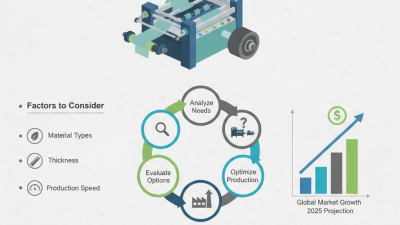
So, picking the right Slitting Unit isn't just about buying a piece of equipment anymore—it's a full-blown production decision. You know, Grand View Research pegged the global flexible packaging market at around USD 291.51 billion back in 2023, and they're predicting a steady 4.8% compound annual growth rate from 2024 to 2030. That kind of growth really puts the squeeze on converters to keep waste under control, make sure web tension stays stable, and churn out rolls that are consistently on point.
So, when you're picking out a Slitting Unit, it's not just about grabbing any machine off the shelf—you really have to think about what you're running. Is it film, paper, foil, or some kind of laminate? They all act totally different under tension, believe me. A setup that sails through 20-micron film might choke on a heavier laminated structure. And here's the thing: the little stuff matters more than you'd think. Like, can you actually get to the knives when you need to adjust them? Is the shaft design practical, or is it going to be a pain every single time? You've got to pay attention to tension control, how much automation you're really getting, and how long it takes to switch over between jobs. Honestly, it's the details that make or break your day. You know, if your blade isn't aligned properly, you'll start seeing all sorts of issues—like dust, telescoping, or uneven edges—before you even catch a visible defect. It's one of those things that sneaks up on you.
You know, every time I look at PMMI's latest reports on Packaging Machinery, they keep going on about labor efficiency, automation, and reliability being the top priorities in manufacturing. So naturally, that makes safety systems, intuitive controls, and dependable support pretty much non-negotiable. But here's the catch – the fastest machine isn't always the best investment. In fact, a slower slitting unit might actually save you headaches by producing less scrap and way fewer stoppages when you're actually running production. Alright, so I've got seven practical tips for you, but before we dive in, I need to level with you: supplier specs? They rarely tell you the whole story about maintenance. Like, you can read all the brochures you want, but the real experience? You're not gonna see that there. So yeah, trial runs are a must, and so are reference checks – talk to people who've actually used it. And honestly, you gotta test the real materials, not just look at numbers. Even the most seasoned teams? They can totally miss stuff like humidity, roll hardness, or how your operators actually handle the thing. Those little variables? They deserve a good, honest look before you give it the green light. So that's my two cents, hope it helps.
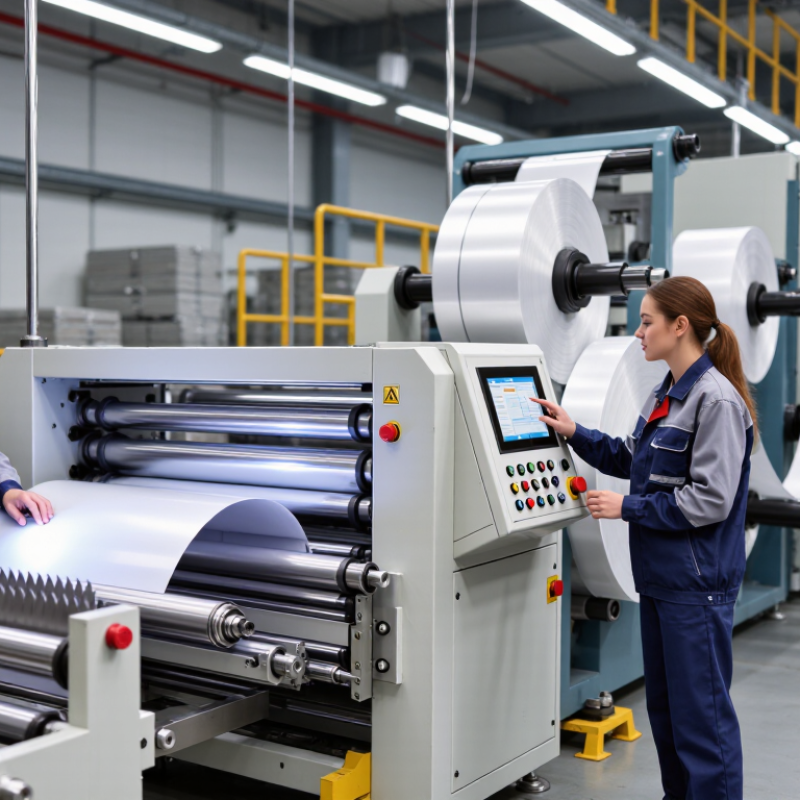
Before selecting a Slitting Unit, identify the material as precisely as possible. Film, foil, paper, laminate, and nonwoven rolls behave differently under tension. Record the material grade, surface finish, coating, and core size. Glossy film may scratch easily, while dense foil can deform near the blade. In practice, I ask for a production sample, not only a specification sheet. Real rolls reveal curl, static, dust, and uneven edges. Small details matter.
Measure the usable web width, not just the parent roll width. Note the minimum and maximum widths for every planned job. Check the target slit width, trim allowance, and winding pattern. A unit handling 1,600 millimeters may still struggle with narrow lanes. Stable spacing and repeatable positioning are essential. Leave room for setup mistakes. They happen. Also confirm the roll diameter, core diameter, and maximum finished-roll weight. These limits affect shaft loading and handling.
Test thickness across the web, preferably at several points and on different rolls. A stated value can hide variation. Measure nominal and actual thickness, then record tolerance, compressibility, and stiffness. Thin film may need gentle tension and precise blades. Thick laminated stock may require stronger separation and torque. I once treated thickness as a single number, and the trial looked fine until the roll built up. That assumption was too simple. Share these measurements with the equipment engineer and request a trial using your hardest material, narrowest width, and thickest specification.
| Tip | Requirement to Define | Typical Specification Range | Recommended Slitting Consideration | Why It Matters |
|---|---|---|---|---|
| 1 | Identify the Material Type | Paper, film, foil, nonwoven, laminate, or coated web | Select knives and holders compatible with the material's hardness, elasticity, coating, and surface sensitivity. | Different materials require different cutting forces and knife geometries to prevent dust, burrs, stretching, or edge damage. |
| 2 | Confirm the Maximum Web Width | Common converting widths: 1,000–2,500 mm; specialized lines may be wider | Choose a Slitting Unit with a working width slightly above the maximum incoming web width. | Adequate width prevents edge interference and allows future product or roll-size changes. |
| 3 | Define the Material Thickness | Flexible films: approximately 10–250 μm; paper and laminates may be thicker | Verify the unit's supported thickness range, knife overlap, and pressure-adjustment capability. | Thickness affects Cutting Pressure, knife penetration, web tracking, and finished-edge quality. |
| 4 | Set the Target Slit Widths | Typical finished widths: 25–1,500 mm, depending on the application | Check minimum slit width, positioning accuracy, number of knife stations, and adjustment method. | A unit designed for the required width range improves setup speed and reduces material waste. |
| 5 | Match the Slitting Method | Score slitting, razor slitting, shear slitting, or crush slitting | Use razor systems for thin films, shear systems for controlled clean cuts, and crush systems for suitable heavier webs. | The correct method balances edge quality, operating speed, material behavior, and knife life. |
| 6 | Check Production Speed and Roll Diameter | Typical converting speeds: 100–600 m/min; roll diameters often range from 300–1,000 mm | Confirm speed stability, tension control, acceleration performance, and maximum unwind/rewind diameter. | Speed and roll size influence productivity, tension consistency, roll hardness, and finished-roll quality. |
| 7 | Evaluate Safety, Changeover, and Maintenance | Guarded knife areas, quick-change holders, accessible wear parts, and clear operating controls | Prioritize guarded access, tool-free adjustments where practical, knife replacement procedures, and spare-part availability. | Safe, simple maintenance reduces downtime and supports consistent operation over the equipment's service life. |
Record the material grade, surface finish, coating, core size, and winding behavior. Glossy film can scratch easily. Dense foil may deform near the blade. Use a production sample when possible. Specifications can hide curl, static, dust, and uneven edges.
Measure the usable web width, not only the parent roll width. Record the narrowest and widest planned jobs. Include target slit width, trim allowance, and winding pattern. Leave extra room for setup mistakes. They happen.
Confirm parent-roll diameter, finished-roll diameter, core diameter, and maximum roll weight. These limits affect shaft loading and operator handling. A wide unit may still struggle with narrow lanes or heavy rolls.
Measure thickness at several web points and across different rolls. Record nominal thickness, actual thickness, tolerance, compressibility, and stiffness. Thin film may need gentle tension and precise blades. Thick laminate may require stronger separation and torque.
Yes. Calculate annual linear meters, average order size, and peak monthly demand. Match the working width to common jobs. An oversized unit may increase capital cost, energy use, and setup waste. Bigger is not always wiser.
No. Test speed with your actual material, thickness, width, and tension settings. Narrow lanes and sensitive substrates can reduce output sharply. Compare acceleration scrap, setup time, and blade replacement time. The fastest rating may disappoint.
Check web width, roll diameter, core size, shaft design, line speed, and web path. Confirm control signals, encoder feedback, emergency circuits, and available floor space. Leave room for roll removal. It matters.
Use your own substrate, adhesive structure, narrowest target width, and most difficult material. Record startup waste, edge quality, tension stability, and changeover time. Do not trust one successful test. Humidity, operator technique, and worn shafts can change the result.
Review maintenance access, spare-part availability, software communication, and shaft loading limits. Ask how quickly operators can change blades and remove finished rolls. I once focused too heavily on thickness. The trial looked fine, then the roll built up. That assumption was too simple.
Choosing the right Slitting Unit begins with a clear understanding of your material, working width, and thickness range. These factors determine the machine’s suitable size, blade arrangement, and operating limits. You should also consider your expected production volume, since a system designed for occasional work may not deliver the speed, durability, or efficiency required for continuous production. Selecting the proper slitting method and configuration is equally important, especially when handling different materials or roll specifications. Pay close attention to cutting precision and tension control, as stable operation helps reduce waste, defects, and inconsistent roll quality.
Before making a decision, confirm that the Slitting Unit can integrate smoothly with your existing equipment and production workflow. Compare automation functions, operator safety features, cleaning requirements, and maintenance accessibility to understand the machine’s long-term value. Finally, evaluate supplier support, total ownership cost, spare-parts availability, training, and the flexibility to accommodate future product changes. A well-matched solution should meet current needs while allowing your operation to grow efficiently and reliably.