You know, the Automatic Winding Machine is pretty much a game-changer in today's manufacturing world. It boosts efficiency, cuts down on labor costs, and helps get more done in less time. I read a recent industry report that said these machines can increase production efficiency by up to 30% — which is massive, especially for industries like textiles and electronics where precision and speed really matter.
Basically, these machines are built to wind stuff like wires, threads, or fibers. They use pretty advanced tech to keep tension consistent and ensure everything’s super accurate. That said, not all winding machines are created equal. Some might have a tough time with certain materials or complicated designs, which can lead to waste and inefficiencies. That’s why it’s so important to keep improving their design and functionality.
Understanding how these machines actually work is pretty important too. Operators really need some knowledge of mechanics and control systems to get the best out of them. Proper training and regular maintenance are key if you want the machines to perform at their peak. And even though these automated systems save a lot of time and manpower, relying on technology isn’t without its hiccups — stuff like programming mistakes or faulty parts can cause issues. So, keeping an eye on the machines and being adaptable is crucial for getting the best results and avoiding headaches.
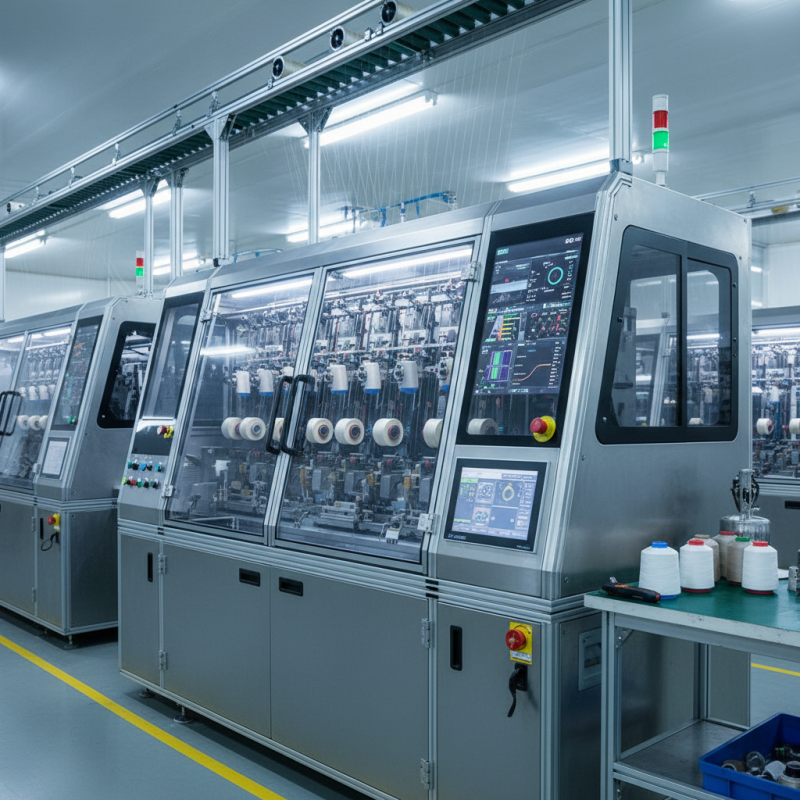
What is an Automatic Winding Machine?
An Automatic Winding Machine plays a crucial role in various manufacturing processes. This machine winds materials, such as wire or thread, onto a spool or drum. It uses an electric motor to control the winding speed and tension, ensuring uniform coils. Operators can set parameters to define the winding pattern. Accurate execution is vital, as even small deviations can lead to inefficiencies.
This technology is often used in the production of motors, transformers, and coils. The precision achieved by Automatic Winding Machines improves product quality. However, not all machines achieve the desired results. Some might struggle with tension control or speed adjustments. It's essential to regularly maintain and calibrate this equipment to prevent production issues. Proper training for operators is also necessary to maximize performance and avoid costly mistakes.
What is an Automatic Winding Machine and How Does It Work?
| Feature | Description | Specifications |
| Functionality | Automatically winds wire or yarn onto spools or reels | High Efficiency |
| Types | Bobbin Winding, Synchronized Winding, Precision Winding | Varies by application |
| Materials | Copper wire, aluminum wire, optical fiber, etc. | Compatible with various wire diameters |
| Control System | Programmable logic controllers (PLC) and touch screen interfaces | User-friendly and intuitive |
| Speed | Variable speed settings for different applications | Up to 3000 RPM |
| Applications | Used in electronics, automotive, textiles, etc. | Versatile usage in multiple industries |
History and Evolution of Automatic Winding Machines
Automatic Winding Machines have a rich history that reflects advancements in manufacturing technology. In the early 20th century, these machines emerged as a response to the growing demands of industries requiring efficient wire and cable production. The evolution began with simple mechanical winders. Gradually, they transitioned to more sophisticated systems with electronic controls. According to a 2021 report by the International Wire and Cable Trade Association, the global market for winding machines is projected to reach $3 billion by 2025, indicating a steady growth influenced by innovations like automation.
As technology improved, the introduction of computer numerical control (CNC) systems revolutionized winding processes. This allowed for precise control over the winding speed and tension. The CNC capabilities make setups for various wire types easier and faster. A recent study from Market Research Future highlighted that around 63% of manufacturers have adopted automated systems for winding operations. However, challenges remain. Many manufacturers struggle to maintain consistency in quality, leading to production variances. This indicates an area that requires ongoing reflection and improvement in machine calibration and operator training.
The industry has witnessed a notable trend towards sustainability. Research suggests that using energy-efficient winding machines can reduce energy consumption by up to 30%. Yet, many companies remain skeptical about the initial investment costs. This hesitation often slows down the adoption of newer technologies, highlighting a gap between innovation and practical application. Addressing these challenges is crucial for maximizing the benefits of Automatic Winding Machines.
Key Components of Automatic Winding Machines
Automatic Winding Machines play a crucial role in various industries, particularly in textile and electrical applications. These machines efficiently wind raw materials onto spools or bobbins. The key components that facilitate this process include the drive system, control unit, and tensioning system.
The drive system is responsible for powering the machine. It consists of motors that provide precise control over the winding speed. Proper calibration is essential. If the speed is too high, it can result in tangled yarns. Alternatively, a slower speed might lead to inefficient production. The issue of speed control often requires manual adjustments, which can be frustrating.
The control unit oversees the machine's operations. It manages the winding parameters and allows for adjustments as needed. Operators must interact with this unit regularly. User-friendly interfaces can sometimes fail to provide all necessary information. This can complicate operations, especially for new users.
The tensioning systemensures even winding. It maintains consistent pressure as the material is wound. Inconsistent tension can lead to uneven spools. This might cause problems during the next stages of production. Balancing tension needs careful attention, and operators should regularly monitor it. Overall, the efficiency of Automatic Winding Machines hinges on these components and their careful management.
How Automatic Winding Machines Operate
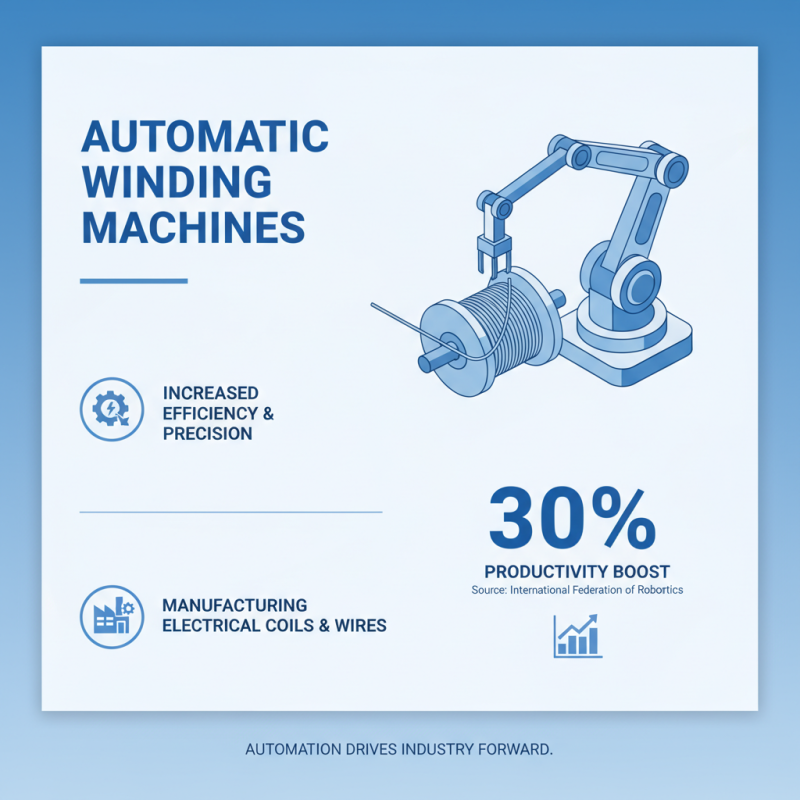
Automatic Winding Machines play a crucial role in various industries, especially in manufacturing electrical coils and wires. These machines streamline the winding process, which was once done manually. By automating this task, they improve efficiency and precision. According to a report from the International Federation of Robotics, the deployment of robotic systems in manufacturing has increased productivity by approximately 30%.
These machines operate using a programmable system. Typically, they wind materials around a core or spool, ensuring consistent tension and layering. Data reveals that errors in manual winding can lead to a 5-10% wastage rate in raw materials. With automation, this error rate can be significantly reduced to below 1%. The machines use sensors that monitor tension and alignment, providing real-time feedback. This responsiveness helps maintain quality standards while reducing production times.
However, not all models operate flawlessly. Some machines may struggle with complex shapes or varying materials. Engineers must often recalibrate systems to handle new tasks effectively. Reports suggest that approximately 15% of users encounter issues related to compatibility. These challenges highlight the need for constant innovation and adaptation in this technology.
Types of Automatic Winding Machines and Their Applications
Automatic Winding Machines areessentialin various industries, particularly in textiles, electronics, and automotive manufacturing. These machines streamline the process of winding materials onto spools, reducing manual labor and increasing precision. There are several types of Automatic Winding Machines, each designed for specific applications.
A common type is the shuttle winding machine, often used in the textile industry. According to a 2022 industry report, these machines can improve productivity by up to 30%. Another type is the spool winding machine, ideal for winding wires and cables, particularly in the electronics sector. These machines excel in ensuring consistent tension, crucial for preventing material defects. Modern versions often integrate digital controls for enhanced speed and accuracy.
Tips: Always consider the material type before selecting a machine. Some materials require softer or harder tension during winding. Another consideration is the production volume. A high-output facility may need a different type of winding machine than a small workshop. Identify your needs to avoid costly mistakes. Choosing the right machine can significantly impact production efficiency.
Advantages of Using Automatic Winding Machines
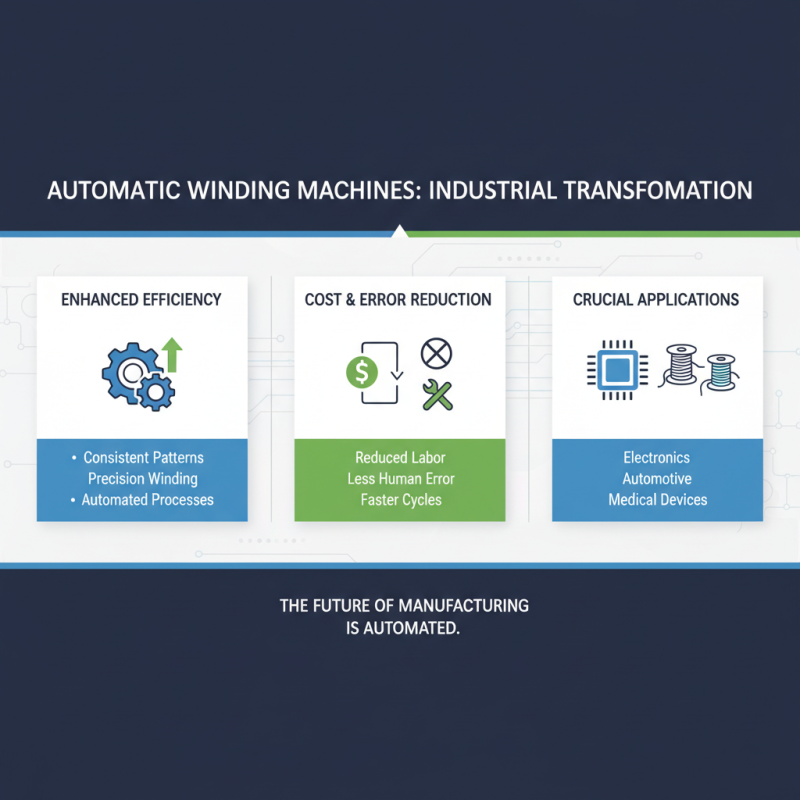
Automatic winding machines are transforming various industries by enhancing efficiency. These machines can produce consistent winding patterns, ensuring precision with each cycle. They automate processes that were traditionally labor-intensive. This leads to reduced labor costs and a smaller chance of human error. Accurate winding is crucial for applications in electronics and textiles.
The advantages of using automatic winding machines are numerous. For example, they significantly increase production speeds. Workers can focus on other tasks while machines handle winding. This multitasking capability enhances overall productivity. Moreover, these machines can work continuously, increasing output without breaks.
However, the initial investment in automatic winding machines can be considerable. Some businesses may hesitate to transition from traditional methods. Training employees to operate these machines also presents a challenge. Embracing technology requires an open mindset. As industries evolve, the need to adapt becomes essential for sustained growth.
Common Industries Utilizing Automatic Winding Machines
Automatic winding machines play a critical role in various industries. These machines streamline the winding process, crucial for production. Many manufacturers utilize them in textile, automotive, and electronics sectors. They provide efficiency and precision in winding coils, threads, and wires.
Textile manufacturers often rely on automatic winding machines for yarn processing. The machines enhance speed, which is vital in a fast-paced environment. They allow for consistent tension, reducing waste. In automotive industries, these machines help produce wire harnesses efficiently. This ensures reliability in electrical systems.
Tips: Always choose a machine that fits your specific needs. Evaluate the types of materials you'll be working with. A machine that excels in one area may not perform well in another. Regular maintenance is essential. This helps avoid breakdowns that can slow production. Each industry has unique challenges. Understand them to make the most of your winding machine’s capabilities.
Optimizing Efficiency and Precision: The Benefits of Automatic Medium-Speed Cutting Machines in Modern Manufacturing
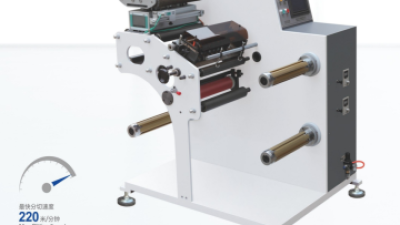
In modern manufacturing, the integration of automatic medium-speed cutting machines plays a crucial role in enhancing both efficiency and precision. These sophisticated devices are designed to streamline production processes, making them invaluable for businesses aiming to optimize their operations. One significant innovation is the self-developed narrow label high-speed slitting machine, which boasts an advanced unwinding system integrated with a deviation correction feature. This system utilizes ultrasonic edge guidance to ensure accurate material alignment, while an independent taper tension control maintains consistent performance throughout the production cycle.
Moreover, the cutting mechanism of these machines simplifies operations with a convenient circular knife design that allows for quick disassembly and assembly. With optional cutting devices available and a high-pressure vacuum waste suction system in place, manufacturers can achieve cleaner and more efficient cutting operations. The reeling process benefits significantly from the taper tension control system and rotating device, which significantly reduce the time required for roll changes, ensuring that labels and paper cores remain perfectly aligned.
Additionally, precision in counting is critical for maintaining production efficiency. The advanced counting system incorporated in these machines ensures exceptional accuracy, which is essential for businesses that rely on exact measurements to reduce waste and meet quality control standards. These features collectively highlight how automatic medium-speed cutting machines not only enhance productivity but also contribute to a more reliable manufacturing environment.
FAQS
: Check your email for tracking info. If there's no update, contact customer service.
Look for the return policy on the website. Follow the steps listed there.
Yes, but only under certain conditions. Review the exchange policy carefully.
Shipping times vary. Typically, it takes 3-7 business days for delivery.
Most websites accept credit cards and digital wallets. Check the payment section.
Be aware of possible taxes or shipping fees. These may be added at checkout.
Changes are tricky once an order is confirmed. It’s best to contact customer service quickly.
Stock availability should be listed on the product page. If unclear, reach out for confirmation.
Document the damage and contact customer service immediately. They may guide you on returns.
Availability varies by company. Check their website for specific business hours.
Conclusion
An Automatic Winding Machine is a sophisticated device designed to automate the process of winding various materials, such as yarn, wire, and cable, onto spools or reels. The evolution of these machines traces back to manual winding techniques, which have significantly advanced over time to incorporate automation technology. Key components of an automatic winding machine include a drive system, control mechanisms, and winding elements that work together to ensure precision and efficiency.
These machines operate by utilizing programmed controls to manage the winding speed, tension, and layer count, making them suitable for various applications across industries such as textiles, electronics, and manufacturing. The advantages of using automatic winding machines include increased productivity, reduced labor costs, and improved consistency in product quality. Consequently, they are essential in modern manufacturing processes, streamlining operations for common industries utilizing automatic winding machines.

 Contact immediately

 Contact Phone
 Contact Email