Contact immediately


In today’s super competitive world of manufacturing, staying efficient really is a big deal. Picking the right tools can make a huge difference in how much you get done. One of those essential tools you shouldn’t overlook is the Automatic Tube Cutting Machine. It helps make the cutting process a lot easier and can cut down on labor costs. But here’s the thing—not all machines are the same, and some might work better for you than others.
Take companies like XYZ Industries, for example. They've really shown how worthwhile it can be to invest in updated tech. Their Automatic Tube Cutting Machine is known for its precision and speed, and it’s versatile enough to handle different production needs. Still, if you’re in the market for one, don’t forget to think about a few key points. Quality is super important—you wanna avoid going for the cheapest option and ending up dealing with breakdowns or higher costs down the line.
Also, automating your process isn’t a magic fix. Your team needs to be properly trained to get the most out of the machine. Without the right knowledge, all those benefits could stay just on paper. So, pouring some resources into both the equipment and training is really the way to go if you want a smooth, efficient production line. Basically, a well-rounded approach makes all the difference.
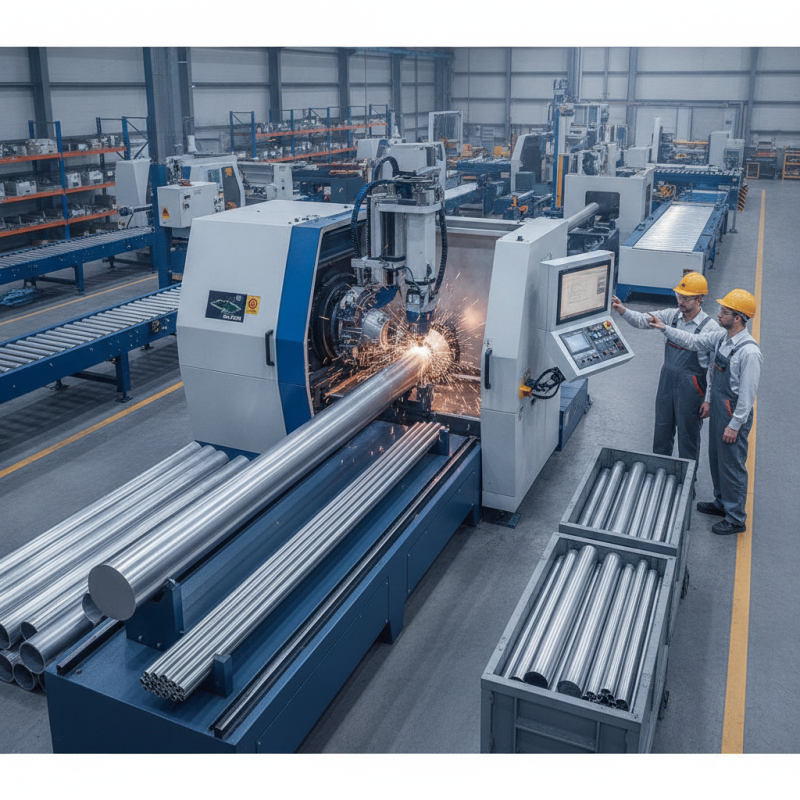
Automatic Tube Cutting Machines have revolutionized production lines across various industries. These machines offer precision and efficiency, enabling manufacturers to meet high demand with minimal waste. According to a report by MarketsandMarkets, the global automatic tube cutting machine market is projected to reach $1.2 billion by 2027, growing at a CAGR of 4.5%. This growth highlights the increasing need for automation in production.
An Automatic Paper Tube Cutting Machine exemplifies the innovation in this field. These machines streamline the cutting process, ensuring uniformity in tube dimensions. Many models incorporate advanced features such as programmable settings and sensors that adjust cutting speed based on material thickness. Such enhancements not only improve productivity but also reduce the likelihood of errors, which can impact overall output.
However, it's important to note that not all machines are created equal. Some may struggle with specific materials or have limited capabilities. Regular maintenance could also become a challenge for manufacturing units, leading to unexpected downtimes. Manufacturers must weigh the initial investment against long-term benefits carefully. While automation offers substantial advantages, the cost of implementation and potential operational gaps must also be addressed.
When selecting a Tube Cutting Machine, several key features enhance efficiency and precision. Speed is critical; machines that operate at higher RPMs can greatly reduce production time. According to industry reports, a machine that cuts at 400 RPM can produce up to 30% more units than one limited to 250 RPM. This makes speed a top consideration for businesses aiming to scale production.
Another essential aspect is the machine's cutting accuracy. Precision is vital for maintaining quality in the final product. Studies indicate that Tube Cutting Machines capable of achieving ±0.1 mm tolerances significantly lower material waste. Inadequate cutting can lead to excess scrap and increased costs, raising questions about production quality.
Automated features also play a significant role. Machines with advanced automation reduce the need for manual intervention, which can decrease the likelihood of error. Furthermore, these machines often come equipped with user-friendly interfaces that simplify training. However, relying too heavily on automation can result in complacency. Regular maintenance and manual checks are necessary to ensure long-term reliability. Prioritizing these features can lead to more efficient production and better overall outcomes in tube processing.
Automatic Tube Cutting Machines are essential for many industries. They improve efficiency and precision in production. Various types of machines cater to different industrial needs. Understanding these types helps businesses choose the right equipment.
One prominent type is the rotary tube cutting machine. It's known for high-speed cutting and minimal waste. Reports suggest that these machines can increase production speed by up to 40%. Another type, the laser tube cutting machine, offers flexibility in design and material handling. Industry surveys indicate that companies using laser cutting see a 30% reduction in operational costs.
There are also semi-automatic machines. These require some manual intervention but can still enhance productivity. Operators can sometimes struggle with setup, impacting speed. The right selection depends on specific operational needs and budget constraints. Data shows that investing in the right type can lead to significant long-term savings and efficiency gains.
Automatic tube cutting machines have significantly transformed production efficiency across various industries. According to a recent industry report, companies implementing automated cutting systems have seen up to a 30% increase in productivity. These machines enhance precision and minimize waste, which is crucial for maintaining cost-effectiveness. In a world where every second counts, the ability to quickly and accurately cut materials is invaluable.
Moreover, using these machines reduces manual labor costs. By automating the cutting process, businesses can reallocate staff to more complex tasks that require human oversight. This shift can improve overall production flow. Data indicate that automated processes can lead to a 25% reduction in labor costs. However, not every company adopts this technology effectively. Some teams may face a learning curve or equipment maintenance issues. Addressing these challenges early can optimize the benefits of automation.
Incorporating smart technology in tube cutting machines offers another advantage. Many modern machines provide real-time data analysis. This feature helps track production metrics and identify inefficiencies quickly. A study showed that factories employing data analytics in their operations reported a 15% decrease in operational downtime. Still, the integration of such technologies requires careful planning and training. Without proper implementation, companies risk stagnation in their production rates. It's essential to assess each operation's readiness for automation strategically.
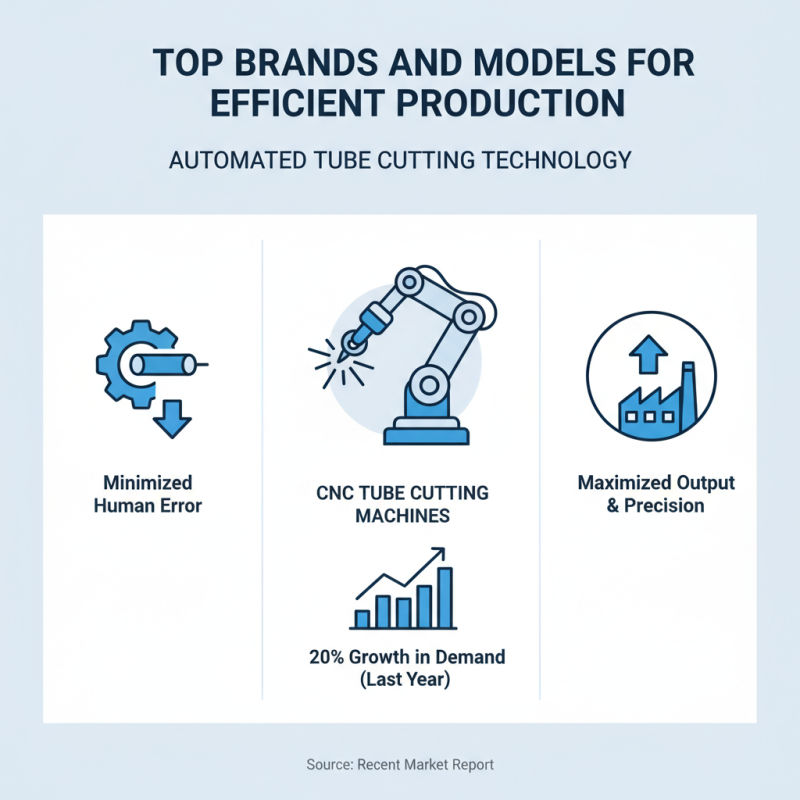
The rise in automated manufacturing has led to significant developments in tube cutting technology. Industries are increasingly turning to Cnc Tube Cutting Machines to enhance efficiency and precision. According to a recent market report, the demand for automatic tube cutting equipment has grown by approximately 20% over the past year. This growth highlights the shift towards automation in production lines, minimizing human error and maximizing output.
Leading models in this segment often feature advanced functionalities, such as programmable cuts and real-time monitoring. These machines can reportedly reduce production time by up to 50% compared to manual methods. However, not every automatic tube cutting machine performs equally. Some models may struggle with various material types or thicknesses, requiring operators to refine their settings.
Furthermore, while many brands emphasize speed, the importance of precision cannot be overlooked. A poorly calibrated machine can lead to material waste, negating the very efficiency gains. Reviews suggest that the best models provide a balance of speed and accuracy, allowing for complex projects without sacrificing quality. Thus, while the benefits of automation are clear, careful selection and ongoing calibration remain essential in harnessing their full potential.
Maintaining an automatic tube cutting machine is essential for ensuring optimal performance and longevity. Regular maintenance can reduce downtime by up to 30%, according to industry studies. One key aspect is the inspection of the cutting blades. Dull blades can cause excessive friction and lead to inaccuracies. It’s advisable to check the blade sharpness weekly and replace them when necessary. This simple act can significantly enhance production efficiency.
Lubrication is another critical maintenance step. Proper lubrication reduces wear and tear on moving parts. A report from the Machinery Maintenance Association states that machines with regular lubrication have a 20% longer lifespan. It’s important to use the right lubricant specified by the manufacturer. Over-lubrication or using the wrong type can lead to buildup, which could impede machine operation.
Operators should also examine the overall cleanliness of the machine. Dust and metal shavings can accumulate and interfere with sensors and moving components. Regular cleaning can prevent malfunctions that may disrupt production schedules. Neglecting these maintenance tasks might lead to costly repairs or replacements, underscoring the importance of a disciplined approach to machine upkeep.
| Machine Model | Cutting Speed (m/min) | Tube Diameter Range (mm) | Power Consumption (kW) | Maintenance Frequency (Months) | User Satisfaction Rating (Out of 5) |
|---|---|---|---|---|---|
| Model A | 20 | 10-50 | 3.5 | 6 | 4.5 |
| Model B | 25 | 15-60 | 4.0 | 12 | 4.8 |
| Model C | 18 | 10-70 | 5.0 | 8 | 4.2 |
| Model D | 22 | 20-80 | 6.0 | 10 | 4.7 |
The landscape of tube cutting technology is evolving rapidly. Innovations focus on enhancing efficiency and precision. The introduction of automated systems specifically designed for cutting tubes has transformed production lines. High-speed tube cutting machines are leading this change, offering significant time savings and consistency in output.
This wave of technology is shaping the future. Machines are now equipped with advanced sensors and AI capabilities. They can adjust cutting speeds based on material and thickness. Such features provide a level of adaptability unheard of in manual cutting processes. Regularly reviewing the system's performance helps maintain optimal efficiency, ensuring machines remain at peak productivity.
Tips: Always maintain your equipment for best results. Regular maintenance avoids unexpected downtimes that can hinder production. Additionally, training staff on operating new technology is essential. Machines can only perform as effectively as the operators who use them. With a solid understanding of the equipment, productivity will soar. Continuous education ensures employees adapt to new features seamlessly, driving future growth in the industry.
: Speed is vital; machines operating at higher RPMs can reduce production time significantly.
Machines achieving ±0.1 mm tolerances minimize material waste, lowering costs and improving product quality.
Automated features decrease manual errors and simplify training, enhancing overall production efficiency.
Yes, over-reliance can lead to complacency. Regular maintenance is necessary for long-term reliability.
These machines increase productivity by up to 30% and reduce manual labor costs significantly.
Smart tech offers real-time data analysis, helping track metrics and identify inefficiencies quickly.
Teams may encounter a learning curve and maintenance issues, impacting optimal use of the machines.
Poor calibration can cause material waste, countering gains from increased speed and efficiency.
Assessing readiness for automation is crucial for ensuring successful integration and avoiding production stagnation.
No, some models may struggle with different materials, requiring operators to adjust settings for optimal performance.
The article "Best Automatic Tube Cutting Machine for Efficient Production?" provides a comprehensive overview of automatic tube cutting machines, highlighting their significance in modern manufacturing processes. It discusses key features to consider when selecting a machine, such as cutting precision, speed, and ease of use. Various types of automatic tube cutting machines are examined, showcasing their distinct functionalities tailored to different production needs.
Additionally, the article outlines the numerous benefits of using these machines, including increased efficiency, reduced waste, and consistent quality in production. Maintenance tips are provided to ensure optimal performance, while also addressing future trends in tube cutting technology that may shape the industry. Overall, the automatic tube cutting machine emerges as a vital tool for manufacturers aiming to enhance their production capabilities.