In today's ever-changing world of printing technology, choosing the right equipment can really make or break your business. When it comes to options, the Die Cut Printerdefinitely catches your eye for its versatility and precision. Jane Matthews, an expert over at PrintTech Innovations, puts it nicely: “Picking the right Die Cut Printer is all about understanding what YOU really need.” Her insights can really help businesses make smarter choices.
Buying a Die Cut Printer isn’t just a quick decision—there’s a lot to think about. Things like what materials it handles best, how fast it can produce, and whether it fits into your workflow. It’s not a one-size-fits-all deal. Some machines are better at handling fancy, detailed designs, while others are all about high-volume jobs. This kind of stuff can seriously affect how smoothly your operations run.
And let’s not forget the learning curve. Switching over to a Die Cut Printer can be a bit challenging at first. You might struggle a bit with setup or adjusting materials until you get the hang of it. Recognizing these hurdles early on can save you headaches down the road. Ultimately, knowing the pros and cons of a Die Cut Printer is key to getting the best results and making the most out of your investment.
Understanding Die Cut Printers and Their Importance for Businesses
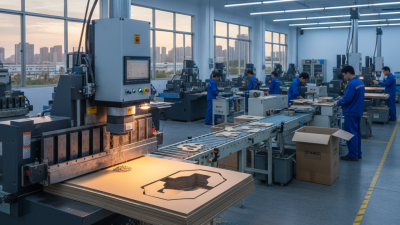
Die Cut Printers play a crucial role in modern businesses, especially for those in packaging and graphic design. These printers create custom shapes and designs, enhancing product appeal. They allow companies to produce labels, business cards, and promotional materials that stand out. The ability to achieve precise cuts can greatly impact branding efforts.
Understanding how Die Cut Printers work is essential. These machines use a combination ofcutting, printing, and finishing techniques. A solid grasp of these processes helps businesses select the right model for their needs. However, this technology can be complex and requires careful consideration. Users may face challenges in learning the intricacies of operating such printers.
Investing in a Die Cut Printer can lead to significant returns. However, not every business needs one. Some may find that outsourcing is a feasible option. It’s essential to weigh the benefits against the costs. Businesses should assess their printing volume and design requirements before making a decision. This critical evaluation ensures that the chosen solution aligns with their goals.
Key Features to Look for in a Die Cut Printer
When choosing a Die Cut Printer, several key features are essential for ensuring it meets your business's needs. First, consider the printing speed. A faster printer can significantly enhance productivity, especially during peak business periods. However, balance speed with print quality. It’s important to maintain sharp details and vibrant colors in your final product.
Another crucial factor is the versatility of media types. A good Die Cut Printer should handle various materials, like cardstock or vinyl. This flexibility allows your business to cater to diverse client needs. Additionally, look for a user-friendly interface. A complex printer can delay production and require extensive training. Simplicity helps in streamlining operations.
Lastly, check for connectivity options like wireless capabilities. This feature supports seamless integration into your existing processes. However, be cautious; not all advanced features translate to better performance. Sometimes, too many options can overwhelm users and hinder efficiency. Evaluating your priorities can help in selecting the right machine for your workflow.
Comparative Analysis of Top Die Cut Printers in the Market
When choosing a Die Cut Printer, assess your specific business needs. Not all printers cater to the same requirements. Some excel in speed, while others focus on precision. Evaluating features like maximum cutting area and material compatibility is crucial. These factors influence your production efficiency and the quality of the final product.
Many Die Cut Label Printers on the market offer diverse functionalities. For instance, some models feature advanced digital controls for intricate designs. Others come with user-friendly interfaces that simplify operation. Consider how often you will need to change materials or adjust settings. A more flexible machine might be required for businesses with varied projects.
Reliability is key.It’s essential that your Die Cut Printer can handle regular use without frequent breakdowns. Explore the support services provided by manufacturers. Quality customer service can make a significant difference. Think about the long-term costs of maintenance and repair. Not every model will suit your needs perfectly, leading to potential frustrations. Reflecting on these aspects ensures amore informed decision.
Factors Influencing the Choice of Die Cut Printer for Your Business
When selecting a Die Cut Printer Machine for your business, several factors come into play. The type of materials you'll be using is crucial. Different printers handle various materials differently. For instance, some may excel with paper, while others offer impressive results with vinyl or cardboard. According to industry reports, over 70% of businesses prioritize versatility in material handling when choosing printing equipment.
Speed and efficiency are equally important. Many businesses require quick turnaround times for projects. A die cut printer that operates at higher speeds can significantly enhance productivity. Research shows that businesses that utilize faster printers can increase output by up to 50%. However, achieving this speed shouldn't compromise print quality.
Cost also significantly impacts decision-making. The initial investment in a die cut printer machine can be substantial, but long-term operational costs matter too. While some printers may be cheaper upfront, their maintenance can lead to higher expenses over time. Business owners should analyze both purchase price and potential maintenance costs to make an informed choice. Balancing these factors is essential; some may struggle to find the right fit without compromising on performance or budget. A thoughtful evaluation will guide you in selecting a die cut printer that meets your specific needs effectively.
Cost Considerations for Purchasing a Die Cut Printer
When contemplating the purchase of a die cut printer, cost is a crucial factor. Initial investments can vary significantly. Reports indicate that small to medium enterprises often spend between $5,000 to $15,000 for quality machines. The long-term value can outweigh the upfront cost if used wisely. Businesses should consider materials and maintenance costs. These factors can add up, potentially reaching thousands annually.
Effective planning is essential. Look for models that offer versatility. A Print And Cut Printer can handle various materials, increasing your service offerings. This flexibility could lead to more profitable projects. It's wise to factor in potential hourly production rates. Some machines can produce 100 pieces per hour, while others may only deliver 25. This difference impacts profitability directly.
Tip: Always assess your workflow needs before investing. Doing so ensures the machine can meet your demands efficiently. Exploring financing options may also help manage initial costs. Evaluate lease versus buy strategies. Remember, the best printer is one that aligns with your unique business requirements.
Maintenance and Support Options for Die Cut Printers
When selecting a die cut printer, maintenance and support options are crucial. Regular maintenance can enhance printer lifespan and performance. According to a recent industry report, 30% of businesses experience delays due to poor machine upkeep. These delays often lead to a loss of productivity and revenue. Scheduled servicing can minimize these issues.
Support options vary widely among manufacturers. Some offer robust online resources, while others provide direct technical support. A study revealed that companies with comprehensive support options reported a 25% increase in operational efficiency. When evaluating printers, consider the availability of local service technicians. Quick response times can make a significant difference during critical production periods.
Troubleshooting can be a frustrating aspect of using die cut printers. Many users encounter issues that require immediate resolution. Without strong support, these issues can escalate. In industry surveys, 40% of users expressed dissatisfaction with support services. This highlights the importance of choosing a printer not just for its capabilities, but also for its maintenance and support structures.
Future Trends in Die Cutting Technology for Businesses
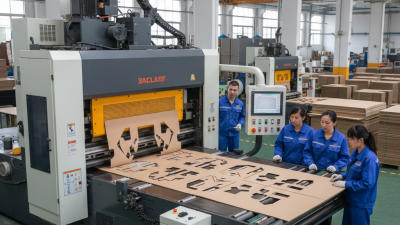
In today's fast-paced market, businesses must adapt to advancements in die cutting technology. A quality Die Cut Printing Machine is essential for crafting precise shapes, enhancing product appeal, and creating unique packaging solutions. With innovations emerging rapidly, companies must stay informed to remain competitive.
One key trend is the integration of automation in die cutting processes. Automation not only speeds up production but also improves accuracy. However, investing in automated systems requires careful evaluation. Businesses must balance cost against potential gains. Many companies face challenges when transitioning to new technologies. Training staff often becomes necessary, which can disrupt workflows.
Another evolving trend is the shift towards digital die cutting solutions. These machines provide flexibility and customization that traditional methods struggle to match. Businesses can produce small batches without large upfront costs. However, this technology is not a one-size-fits-all solution. Companies should assess their specific needs and resources before making a decision. Exploring future trends allows businesses to harness the full potential of die cut printing.
Maximizing Efficiency in Self-Adhesive Label Production: Insights from Recent Industry Reports on Integrated Die-Cutting and Slitting Technologies
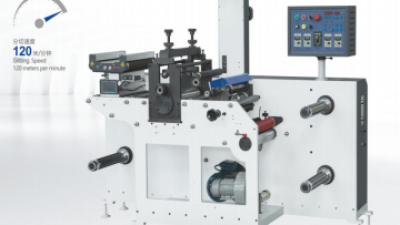
In the fast-evolving landscape of self-adhesive label production, maximizing operational efficiency is crucial for maintaining competitive advantages. Recent industry reports highlight the significance of integrated die-cutting and slitting technologies, which not only streamline the manufacturing process but also enhance the overall quality of label products. The deployment of advanced machinery, such as the JY-350 model, exemplifies this trend by incorporating multiple functionalities into a single operation. This integration is vital as manufacturers increasingly seek to optimize workflow and reduce production times.
The JY-350 machine stands out with its ability to seamlessly combine die-cutting and slitting processes. Its advanced features, including automatic meter counting, precise length and quantity settings, and real-time deviation correction, ensure that production runs smoothly with minimal interruptions. Notably, a recent study reported that integrated production systems can boost efficiency by up to 30% compared to traditional methods. This is particularly impactful in high-demand environments where time and precision are of the essence.
Moreover, the compact structure and high-speed capabilities of such machines allow businesses to maximize their output without compromising on quality. As industry standards evolve, embracing cutting-edge technology like the JY-350 will be essential in meeting both production goals and customer expectations for high-quality self-adhesive labels. The combination of innovative engineering and automation clearly positions manufacturers to thrive in a competitive market landscape.
FAQS
: Focus on printing speed, quality, and versatility of media types.
Faster printers enhance productivity, especially during peak times.
A printer that handles various materials meets diverse client needs.
A user-friendly interface simplifies operations and reduces training time.
Yes, they help integrate the printer into existing processes smoothly.
Yes, excessive features can overwhelm users and hinder efficiency.
Automation speeds up production and improves accuracy but requires careful evaluation.
Digital die cutting offers customization and flexibility for smaller batches.
Training staff can disrupt workflows and require adjustment time.
No, each business should assess its specific needs before adopting this technology.
Conclusion
Die cut printers are essential tools for businesses looking to enhance their product offerings through precision cutting and shaping of materials. Understanding the significance of these printers is the first step in selecting the right device for your needs. Key features such as cutting speed, accuracy, and versatility play a crucial role in ensuring optimal performance. A comparative analysis of the top die cut printers highlights various options available in the market, while factors influencing your choice include production volume, material compatibility, and workspace requirements.
When considering the cost of a die cut printer, it's important to account for the initial purchase price as well as ongoing maintenance and support options. Businesses should also keep an eye on future trends in die cutting technology, which promise advancements that could further enhance productivity and creative capabilities. By carefully evaluating these aspects, companies can make informed decisions that align with their operational goals and market demands.

 Contact immediately

 Contact Phone
 Contact Email