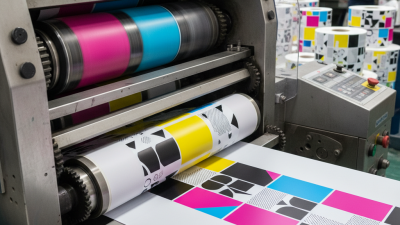
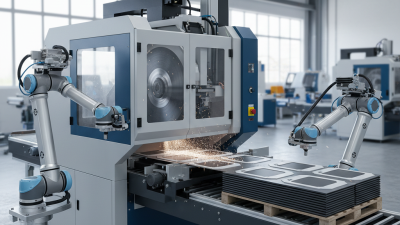
In the world of design, you really can't underestimate how powerful Die Printtechniques are. These methods give us a cool, almost magical way to bring visual ideas to life. Whether it’s eye-catching packaging or marketing materials that grab your attention, Die Print helps turn ordinary surfaces into something special — like a whole new canvas.
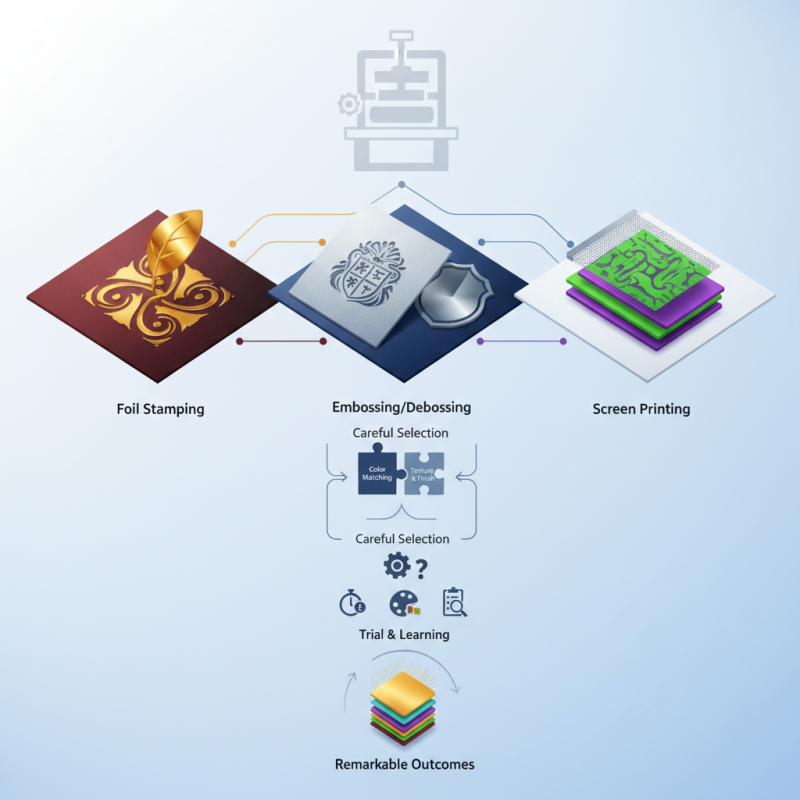
There are tons of techniques out there, each with its own vibe. Think foil stamping, embossing, screen printing — they all offer different textures and finishes. This variety means designers can really get creative and produce projects that pop. But, a word of caution: picking the right technique is super important. Not all methods play nicely together, and using the wrong combo could make your design look messy or thrown together.
Now, while Die Print can seriously level up your work, it’s not all smooth sailing. Sometimes, folks underestimate how complex the production process can be, and that can lead to costly mistakes. Matching colors perfectly? It’s trickier than it looks, and even slight inconsistencies might mess up the final look. So, designers need to stay sharp, paying close attention to every little detail to get it just right. It’s really a journey of trial, error, and learning — but when you get it right, the results can be pretty amazing.
2026 Overview of Die Print Techniques: Trends and Innovations
In 2026, the die print techniques landscape is evolving rapidly. According to a recent industry report, the market for Die Printing is expected to grow by 6.5% annually. This growth is driven by innovations in technology and materials. Companies now explore more eco-friendly inks and substrates, focusing on sustainability. This shift is not just a trend; it's a necessity.
The versatility of Die Printing is another focal point. Techniques like laser die-cutting provide intricate designs with precision. Recent studies show that brands using advanced die techniques see a 30% increase in consumer engagement. However, not all businesses have embraced these changes. Some continue to rely on outdated methods, missing opportunities to enhance visual appeal.
Additionally, the integration of digital technology into Die Printing remains inconsistent. Many still struggle with adapting to digital workflows. This inconsistency leads to varying print quality. Companies must reflect on their processes to keep up with industry standards. Embracing new tools and techniques will be crucial for staying relevant in the market.
Key Factors Influencing Die Print Technique Selection in 2026
When selecting Die Print techniques in 2026, several key factors come into play. The material being printed on can significantly influence the choice. Different substrates, like metal, plastic, or paper, interact uniquely with various inks and techniques. A shiny surface may require special inks to maintain vibrancy. Different techniques also produce diverse textures, affecting the tactile experience of the final product.
Cost effectiveness stands as another critical consideration. Advanced techniques may yield stunning results but at a higher price point. Projects with tight budgets often need to balance quality and cost. It’s a challenge. The environmental impact is also important. Techniques that use eco-friendly inks and processes appeal to conscientious brands. Yet, they might offer fewer options for intricate designs.
Market trends in 2026 indicate a desire for more personalized products. Consumers crave uniqueness. This drives brands to explore innovative Die Print techniques. However, achieving distinctiveness can conflict with production efficiency. Finding the right balance between creativity and practicality can be complicated. Brands must reflect on their goals and limitations while navigating this evolving landscape.
2026 Best Die Print Techniques for Stunning Designs
Top Die Print Techniques: Analyzing Performance and Cost Efficiency
In the evolving landscape of die print techniques, efficiency and cost-effectiveness are paramount. Recent studies reveal that Digital Print Presses have transformed traditional methods. In fact, a report from Industry Research highlights a 25% reduction in costs when using digital print presses compared to conventional techniques. This transition allows for quicker turnaround times and customizable designs, catering to the unique needs of clients.
One tip for maximizing cost efficiency is to analyze your print volume. Data shows that techniques like letterpress and flexography still hold value for large batches, while smaller runs benefit more from digital technologies. A lean approach can help reduce waste and lower overhead. Aim for a balanced mix of techniques based on your projects' specific requirements.
Another crucial insight is understanding the durability of each print method. While digital prints are vibrant, they may not always offer the same longevity as older methods. An informed choice can prevent unforeseen reprints. Always evaluate the end-use conditions for your designs to ensure selected techniques align with their intended applications. Experimentation and adaptation to new technologies will define success moving forward.
Sustainable Practices in Die Printing: Eco-Friendly Techniques of 2026
Sustainable die printing is growing in popularity. Eco-friendly techniques are paving the way for responsible design in 2026. With advancements in technology, we can minimize environmental impact while achieving stunning results.
One engaging technique involves using biodegradable inks. These inks break down naturally, reducing waste in landfills. Additionally, utilizing recycled materials for printing substrates can significantly lessen resource consumption. It’s a simple shift, yet it can transform standard practices into sustainable ones.
Tips: Always ask suppliers about their materials. Consider eco-friendly inks when designing. Implement a recycling program in your workspace. Remember, every small change matters. Imperfections in processes can lead to new discoveries. Reflect on existing methods, and look for improvements. Sustainable practices in die printing are not just a trend; they are essential for a better future.
2026 Best Die Print Techniques for Stunning Designs
| Technique | Description | Sustainability Factor | Usage in 2026 |
| Water-Based Inks | Eco-friendly ink made from renewable resources. | High | Widely adopted across industries for eco-conscious printing. |
| Soy-Based Inks | Inks derived from soybeans, reducing petroleum usage. | Medium | Preferred for packaging and publications. |
| Digital Die Cutting | Laser precision cutting to minimize waste. | High | Growing popularity in custom designs. |
| Recyclable Substrates | Using materials that can be recycled post-use. | High | Standard practice in green printing. |
| Energy-Efficient Die Cutting | Techniques that reduce energy consumption during printing. | Medium | Adoption increasing in large factories. |
Emerging Technologies Enhancing Die Print Quality and Design Capabilities
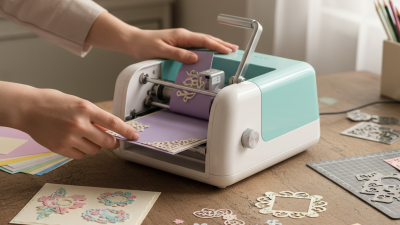
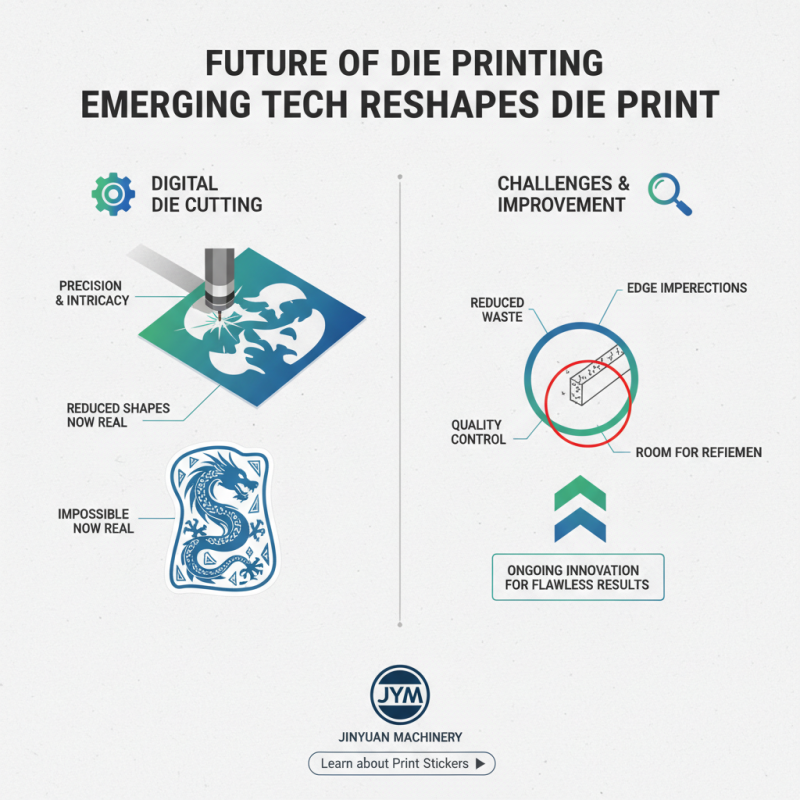
Emerging technologies are reshaping die print quality and design capabilities in remarkable ways. One significant advancement is digital die cutting, which allows for precise and intricate designs. This technology reduces waste and accelerates production. Imagine creating custom Print Stickers with complex shapes that were once impossible. However, achieving perfection in this technique can be challenging. Sometimes, the edges might not be as clean as desired, leaving room for improvement.
Another exciting development is the integration of augmented reality in design processes. Designers can visualize their work in real time and make adjustments instantly. This leads to more dynamic and engaging designs. Still, the learning curve can be steep for some users. It takes practice to master these tools, and not every attempt will yield a stunning outcome. As design capabilities expand, so too does the need for experimentation and reflection on the creative process.
Sustainability is increasingly important in die print technologies. Eco-friendly materials are being developed, influencing the aesthetics of print stickers. Yet, these materials can sometimes compromise durability or color vibrancy. Balancing environmental impact with design quality remains a work in progress. Designers must navigate these challenges while pushing the boundaries of their creativity.
Case Studies: Successful Applications of Die Print Techniques in 2026
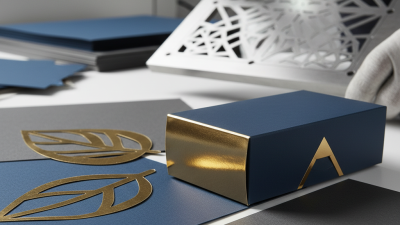
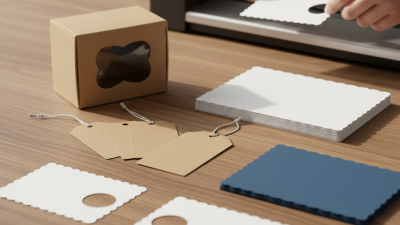
In 2026, the print techniques have evolved significantly. Various applications illustrate how brands are creatively using these methods. One notable case involved a packaging project. An innovative company redesigned its product boxes with intricate die-cut shapes. These features enhanced visual appeal but posed production challenges. The team often faced alignment issues during the printing process. Lessons learned prompted them to refine their setup for the Print And Cut Printer.
Another successful application can be seen in custom invitations. A local designer incorporated die print techniques to create unique wedding invites. Detailed floral patterns were cut into the cardstock, delivering a stunning effect. However, managing consistent production timelines was tricky. The designer realized the need to balance artistry with practicality. Each project required careful planning and consideration of the Print And Cut Printer capabilities to ensure quality outcomes. Reflecting on these experiences sheds light on areas for improvement.
Future Predictions for Die Print Techniques: Market Insights and Projections
The die print techniques market is evolving rapidly. According to industry reports, the global Die Cutting market is projected to reach $3.1 billion by 2026. This growth reflects increasing demand for custom designs in packaging and promotional materials. Companies are investing in digital die cutting, which allows for more intricate designs with minimal waste.
However, the market faces challenges. Many businesses struggle to adopt new technologies effectively. Training staff on advanced die cutting equipment can be costly. Additionally, sustainability concerns are growing. The push for eco-friendly materials may complicate the die cutting process. Some companies still rely on traditional methods. This reliance can lead to inefficiencies and hinder innovation.
Future projections indicate that automated die cutting will become standard. Automation reduces labor costs and improves precision. Yet, there's a risk that over-automation may stifle creativity. Striking a balance between technology and artistic expression is crucial. The landscape of die cutting is shifting, and companies must adapt to stay relevant.
High-Speed Hot Stamping and Die Cutting Machine: Enhancing Efficiency and Precision in Packaging Solutions
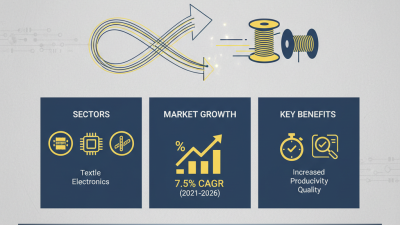
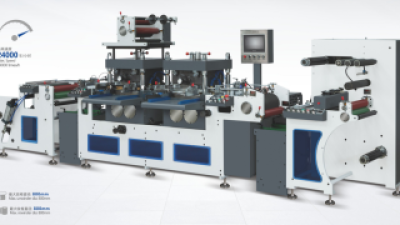
The packaging industry is witnessing a revolutionary transformation with the introduction of high-speed hot stamping and die cutting machines, which significantly enhance efficiency and precision in labeling applications. According to recent market analysis, the global demand for high-speed printing solutions is projected to grow by over 5% annually, driven by the increasing need for custom packaging options that captivate consumer attention. These machines are particularly well-suited for die-cutting and applying hot-stamped adhesive labels and tapes, marking a pivotal shift in operational capabilities.
One of the key advantages of these machines is their seamless integration with high-speed roll label printing, flexo printing, and various other printing technologies. This compatibility allows manufacturers to optimize their workflows, thereby increasing output without compromising on quality. Reports suggest that manufacturers leveraging high-speed hot stamping and die cutting technologies can achieve production rates that exceed traditional methods by nearly 30%, enabling faster turnaround times and a more agile response to market demands.
Additionally, precision in die-cutting and hot stamping minimizes waste and errors, leading to more sustainable practices within the packaging sector. The machine's advanced capabilities not only streamline production processes but also contribute positively to the overall efficiency of packaging solutions. As businesses continue to seek ways to enhance their operations, investing in high-speed hot stamping and die cutting machines is becoming an essential move for staying competitive in an ever-evolving market landscape.
FAQS
: Biodegradable inks break down naturally, reducing waste and benefiting the environment.
Use recycled materials and eco-friendly inks. Reflect on your current methods for further improvements.
Sustainable practices reduce environmental impact. They help create a better future for everyone.
Training costs can be high. Many businesses stick to traditional methods, hindering innovation.
Automation reduces costs and improves precision. Yet, it can limit creativity in design.
Inquire about the sustainability of their materials and their eco-friendly options.
Yes, every little effort counts towards sustainability and can lead to significant improvements.
The market is projected to reach $3.1 billion by 2026, driven by custom design demand.
Definitely! A recycling program can encourage eco-friendly habits among your team.
Over-automation might stifle creativity, making it vital to balance technology with artistic expression.
Conclusion
The article titled "2026 Best Die Print Techniques for Stunning Designs" explores the latest trends and innovations in die printing for the year 2026. It provides an overview of key factors influencing technique selection, emphasizing the importance of performance and cost efficiency. The analysis includes a focus on sustainable practices, highlighting eco-friendly techniques being adopted in the industry. Additionally, emerging technologies are showcased for their potential to enhance die print quality and design capabilities.
Real-world case studies illustrate successful applications of various die print techniques, offering insights into their practical effectiveness. Furthermore, the article offers future predictions and market insights, projecting the evolution of die print techniques in response to ongoing technological advancements and consumer demand. This comprehensive exploration serves as a valuable guide for industry professionals looking to leverage the best die print techniques for their designs in 2026.

 Contact immediately

 Contact Phone
 Contact Email