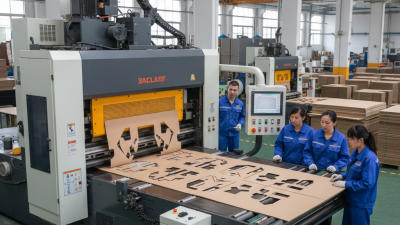
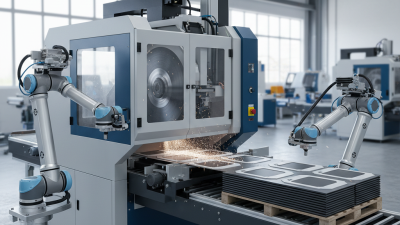
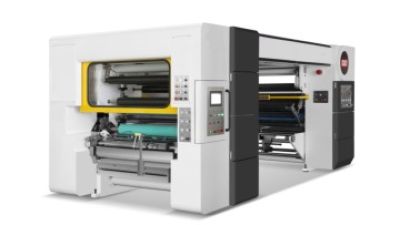
Picking the right Packaging Printing Machine from China isn't just about comparing prices or flipping through shiny brochures. You really need to find a machine that’s a good fit for your specific needs—things like the type of substrate, ink system, print width, speed, and how much you plan to produce. Different materials like paper bags, flexible films, labels, or corrugated sheets each need their own engineering tweaks. For example, a machine that does a great job on coated paper might not handle thin film that well—that little detail actually makes a big difference.
In this guide, I’m sharing practical insights based on supplier specs, trying out samples, chatting with manufacturers, and looking at after-sales support. When you're checking out machines, pay attention to details like registration accuracy, drying ability, color consistency, how quickly you can change setups, and how much waste you produce. It’s a smart move to ask for printed samples using your actual materials so you see how it really performs. Also, don’t forget to give the control panel, tension system, rollers, and safety guards a close look—these small things can tell you a lot about how well it’s built. Remember, a good Packaging Printing Machine should run smoothly over long production runs, not just look impressive during a quick demo.
There’s no one-size-fits-all perfect model. The best choice really depends on what you’re printing, your budget, how much maintenance you can handle, and whether you can get good local support. I wouldn’t swallow every claim a supplier makes without a second thought—some specs need independent backing. Make sure to check electrical standards, installation needs, availability of spare parts, training, warranty options, and any environmental rules you need to follow. Thinking about total costs is also key—things like ink, plates, energy, labor, and downtime all add up. The safest and smartest decision usually combines solid tech info with real-world experience. Sure, it might take a little extra time, but it’s worth it for peace of mind and long-term value. Bottom line: go for a machine that offers consistent quality, practical efficiency, and a responsible approach for the future.
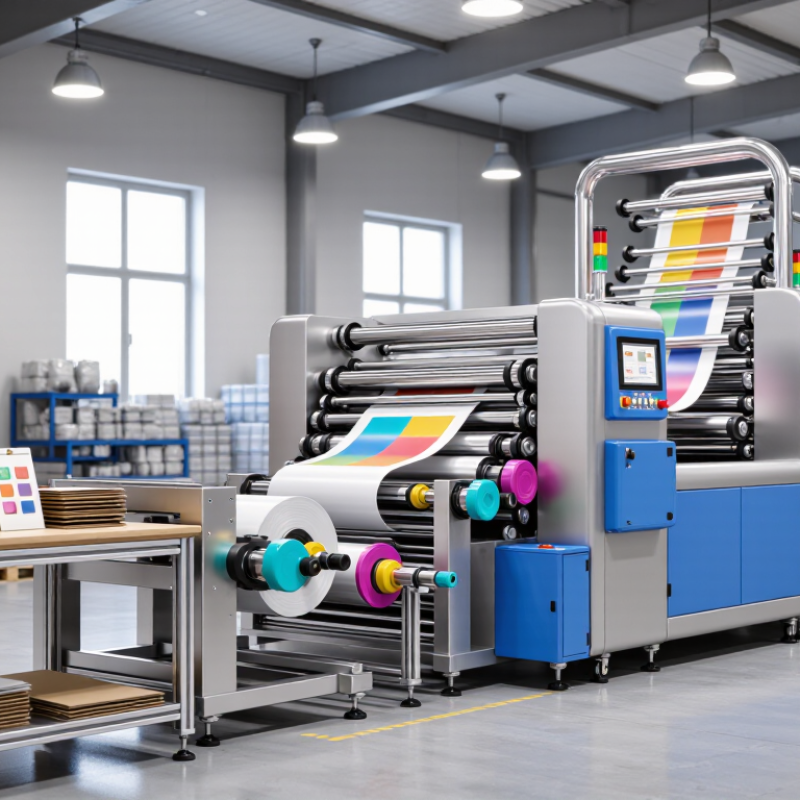
Packaging Printing Machines from China: An Overview
What Is the Best Packaging Printing Machine from China?
Packaging Printing Machines from China: An Overview
Choosing the best Printing And Packaging Machine depends on your materials, order volume, and quality targets. In practical factory evaluations, I check print stability before chasing maximum speed. A machine should handle paper, film, or laminated rolls with controlled tension. Sharp registration matters when several colors meet on a small carton. Ask for sample production using your real substrate and artwork. This test reveals ink adhesion, drying behavior, waste levels, and operator workload. A polished demonstration can still hide difficult setup conditions.
Tips: Request a complete specification sheet. Check maximum web width, drying method, speed range, and permitted material thickness. Confirm spare-part availability and remote technical support. Visit an operating installation if possible. Do not judge the machine by speed alone.
Reliable suppliers explain tolerances, maintenance intervals, and expected running costs. They should also provide safety instructions and operator training. Inspect the control panel, emergency stops, alignment system, and cleaning access. These details affect daily production more than attractive exterior panels. I would also compare energy use and changeover time. A cheaper machine may create higher waste during frequent job changes. That is an easy cost to underestimate. My own preference is not absolute; a slower, stable machine may serve a growing converter better. Recheck the decision after reviewing samples, service records, and the supplier’s written commitments.
Key Machine Types and Their Printing Applications
Choosing the best Packaging Printing Machine from China starts with the package material and production target. No machine is perfect.
Flexographic Pressessuit flexible films, paper bags, corrugated sheets, and labels. They use flexible plates and fast-drying inks. This makes them practical for long runs with repeated designs. A plant producing snack pouches may need stable roll tension, accurate color registration, and controlled drying between Printing Units.
Gravure presses deliver sharp images and smooth solid colors. They work well for large-volume film packaging, especially when consistent detail matters. However, cylinder preparation can increase setup time and cost.
Offset Presses are effective for folding cartons and paperboard. They provide fine text and detailed images, but they usually require careful sheet feeding and drying control. Digital presses support short runs, variable data, and frequent artwork changes. They reduce plate preparation, though ink performance on some films still needs testing.
Screen printing has a different strength. It deposits a thicker ink layer for bold effects, textured areas, and selected specialty packaging.
From practical trials, substrate treatment often matters more than expected. A clean film surface can still produce weak adhesion if the treatment level is low.
I have also seen operators focus on maximum speed while overlooking drying temperature and waste rates. That decision looked efficient, but it caused reprints. Buyers should compare print width, color control, energy use, maintenance access, and local technical support before selecting a machine.
How to Compare Print Quality, Speed, and Production Capacity
What Is the Best Packaging Printing Machine from China?
How to Compare Print Quality, Speed, and Production Capacity
The best machine is not simply the fastest model. It must hold stable color, sharp text, and accurate registration across real packaging materials. When comparing equipment from China, request a controlled sample using your film, paperboard, or coated stock. Check small lettering, solid blocks, gradients, and barcode edges under normal light. Measure color variation, register accuracy, and drying performance after repeated runs. A glossy sample can mislead. Ink coverage, substrate tension, and operator settings may change the result.
Speed should be compared with usable output, not the advertised maximum. Ask for production speed during a continuous four-hour trial. Record setup time, plate or cylinder changes, cleaning, rejects, and unplanned stops. A machine running at 120 meters per minute may deliver less than one running at 90. Production capacity also depends on shift length, automation, drying space, and maintenance response. Request documented uptime data, calibration records, and a clear spare-parts plan. I would still allow extra capacity. Orders often grow faster than forecasts. No comparison is perfect.
Tips: Build a scorecard covering print quality, effective speed, waste rate, and daily output. Give quality a pass-fail threshold before scoring price. Test the same artwork on the same substrate. Invite an experienced operator to inspect controls and changeover steps. The cheapest quotation may become expensive through waste, downtime, and inconsistent color.
Choosing the Right Printing Technology for Packaging Materials
Choosing the right Packaging And Printing Machine starts with the material, not the machine’s advertised speed. Flexible film, paperboard, corrugated board, and aluminum foil require different ink adhesion and drying controls. Flexographic systems suit long runs and repeat orders. Gravure can deliver highly consistent solid colors, but cylinder preparation increases setup costs. Digital printing is more practical for short runs, variable artwork, and frequent product changes.
Smithers’ report, The Future of Digital Print for Packaging to 2029, estimates digital packaging print will grow from about 22 billion US dollars in 2024 to nearly 37 billion dollars by 2029. That growth matters for converters managing smaller batches. However, digital is not automatically better. Toner or inkjet performance can change with coating, humidity, and film surface energy. Test the actual substrate.
In factory evaluations, I would inspect registration at production speed, ink curing beside the operator, and waste during job changeover. A printed sample may look excellent under showroom lights, yet fail after scuffing or folding. Ask for measured data, not verbal promises: color tolerance, maximum web width, drying energy, uptime, and service response time. ISO 12647 guidance can support color control, but it cannot replace a real material trial. My own judgment can be wrong when sample conditions are too comfortable. Require repeated tests, including low-volume runs and difficult artwork.
What Is the Best Packaging Printing Machine from China?
Choosing the Right Printing Technology for Packaging Materials
The chart compares typical continuous-web press-speed ranges used in packaging production. Flexographic and gravure presses are generally preferred for long production runs, while digital inkjet and toner presses offer faster setup and greater flexibility for short runs, variable data, and customized packaging. Actual performance depends on substrate, print width, ink system, finishing, and machine configuration.
Evaluating Suppliers, Customization, and Technical Support
Choosing the best Printing Packaging Machine from China begins with supplier evaluation, not the lowest quotation. Visit the factory virtually or in person, and request recent production records. Check machine frames, electrical cabinets, and calibration procedures. A reliable supplier should explain printing speed, registration accuracy, drying performance, and maintenance intervals clearly. Ask for references using similar substrates and packaging sizes. A polished video is useful, but it is not proof of long-term reliability.
Customization should match your actual workflow. Discuss material thickness, roll width, color requirements, and daily output before approving a design. Request a sample run using your own film, paper, or coated board. Inspect color consistency, edge sharpness, and waste during startup. Small details matter, such as tension control and quick-change cylinders.
I once underestimated setup time, and the machine later required more operator attention than expected. That mistake showed why factory testing must include a full production simulation.
Technical support often determines the machine’s real value. Confirm training coverage, spare-parts availability, software language, and response times in writing. Ask whether technicians can guide remote diagnosis through secure video calls. A useful support team should provide wiring diagrams, maintenance schedules, and clear troubleshooting steps.
Local service partners can reduce downtime, but their qualifications deserve verification. Do not accept vague promises. Request a signed acceptance standard covering output, defects, noise, and delivery conditions. Some suppliers communicate well before payment, then respond slowly afterward. That possibility deserves careful testing.
Costs, Certification, Maintenance, and Buying Considerations
Choosing the best Packaging Printer Machinefrom China requires more than comparing the first quoted price. A realistic budget includes Printing Units, plates, inks, molds, shipping, installation, training, and spare parts. Electricity use and material waste also affect the long-term cost. A low quote may look attractive, but it can hide expensive tooling or limited technical support.
Certification needs careful checking. Ask for test reports, electrical safety documents, electromagnetic compatibility records, and quality-system evidence such as ISO 9001. Requirements vary by destination and product type. Confirm whether inks and printed materials meet your market’s safety rules. Request serial-numbered documents, not only scanned certificates. Maintenance should be practical: inspect rollers daily, clean ink paths after production, and replace worn blades before print quality drops. Keep common sensors, belts, and filters in stock. No checklist catches everything.
Tips: Send your actual film, paper, or carton samples before purchase. Check color consistency, drying time, registration accuracy, and maximum speed on a live test. Ask who answers technical calls and how quickly parts arrive. A clear service agreement matters. I would also calculate the cost per thousand prints, not just the machine price. Some machines perform well during demonstrations but struggle with dust, humidity, or long production shifts. That difference deserves honest attention.
SEN1050A High-Speed Solventless Laminating Machine: Insights from Smithers’ *Future of Flexible Packaging to 2028* Report
The flexible packaging market is moving toward cleaner, more efficient production, with solventless lamination gaining attention for its lower environmental impact and solvent-residue-free results. In this context, the SEN1050A High-Speed Solventless Laminating Machine is designed to meet the growing demand for reliable, high-output packaging equipment. It supports the lamination of various plastic films, paper, and aluminum foils, helping converters improve production efficiency while maintaining stable product quality.
Solventless lamination can present challenges such as low initial adhesion and precise adhesive control. The SEN-A platform addresses these issues through targeted innovations in mechanical structure, control systems, safety protection, and machine design. Its 80 mm CNC-machined frames and high-precision mechanism components support smooth, consistent operation at high speed. Developed through international technical cooperation and assembled by experienced engineering teams, the machine combines advanced manufacturing practices with practical production experience. It is suitable for packaging applications that require strong bonding, dependable performance, and reduced environmental impact, while its carefully engineered adhesive-control system helps operators achieve more consistent lamination results.
FAQS
Match the machine with your material, order volume, and quality target. Test real rolls and artwork before deciding.
Flexographic machines suit flexible film, paper bags, corrugated sheets, and labels. They work well for long, repeated runs.
Gravure suits large-volume film packaging with detailed images and smooth solid colors. Cylinder preparation can increase setup time and cost.
Yes, digital printing supports short runs, variable artwork, and frequent changes. Test ink performance on the actual film first.
Check registration, ink adhesion, drying, waste, tension control, and operator workload. A bright showroom can hide difficult conditions.
Review web width, speed range, material thickness, drying method, energy use, and changeover time. Speed alone is not enough.
Compare waste during setup and job changes. A slower machine may save materials when frequent changes occur.
Request safety training, maintenance schedules, spare parts, and remote technical support. Written commitments matter more than friendly promises.
Coating, humidity, and surface treatment can change ink adhesion. A clean film may still print poorly. Real trials reveal this.
No. Samples may use comfortable settings and fresh operators. Repeat tests at production speed, including difficult artwork and low-volume jobs.
Conclusion
Choosing the best Packaging Printing Machine from China requires more than comparing purchase prices. Buyers should first understand the main machine types and their suitable applications, such as flexible packaging, cartons, labels, and rigid materials. Print quality, operating speed, color accuracy, drying performance, and production capacity should be evaluated according to the required package design and order volume. The right printing technology must also match the material’s surface, thickness, ink requirements, and finishing process.
A reliable supplier should offer practical customization, clear equipment specifications, installation guidance, operator training, spare parts, and responsive technical support. Buyers should also review total costs, including transportation, installation, energy use, maintenance, and consumables, rather than focusing only on the initial price. Certification, safety documentation, warranty terms, quality control, and long-term service capability are equally important. By considering machine performance, material compatibility, supplier reliability, and lifecycle expenses together, companies can select a suitable Packaging Printing Machine that supports stable production and consistent packaging quality.

 Contact immediately

 Contact Phone
 Contact Email