inquiry
Leave Your Message
0%

In today's super competitive business world, picking the right Printing Machine really matters if you want to succeed. Greg Thompson, who’s pretty much a top expert in printing tech over at Precision Print Solutions, has always stressed how important it is to choose what's right for you. I remember he once said, “Getting the right machine can totally set the tone for your company’s productivity.”

Every business has its own unique printing needs—no two are exactly the same. It’s super important to really understand what your business requires. For example, a small startup might be mainly concerned with staying budget-friendly, while a bigger, more established company might need something that can handle large print runs without breaking a sweat. The sheer range of Printing Machines out there can be kinda overwhelming, right? It’s not just about grabbing the cheapest option; it’s really about finding the perfect fit for what you actually do day-to-day.

And let’s not forget, technology’s changing super fast these days. New features pop up all the time, which can sometimes make things a little confusing. Companies might find themselves constantly reassessing their current equipment to keep up. Taking the time to think things through can save a lot of headaches—and money. When you find the right machine, it can seriously boost your efficiency and the quality of your work. So, all in all, it’s pretty crucial to carefully consider your business's specific needs before making that investment.
Best Printing Machines for Your Business Needs?

Types of Printing Machines for Various Business Applications

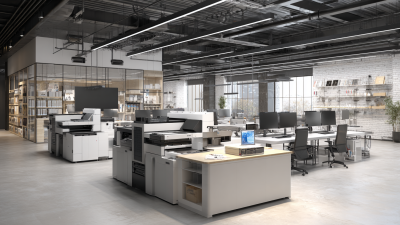
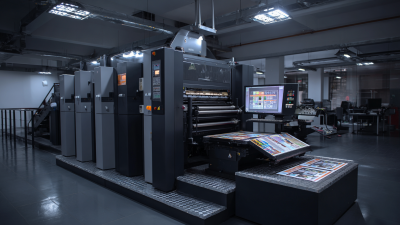
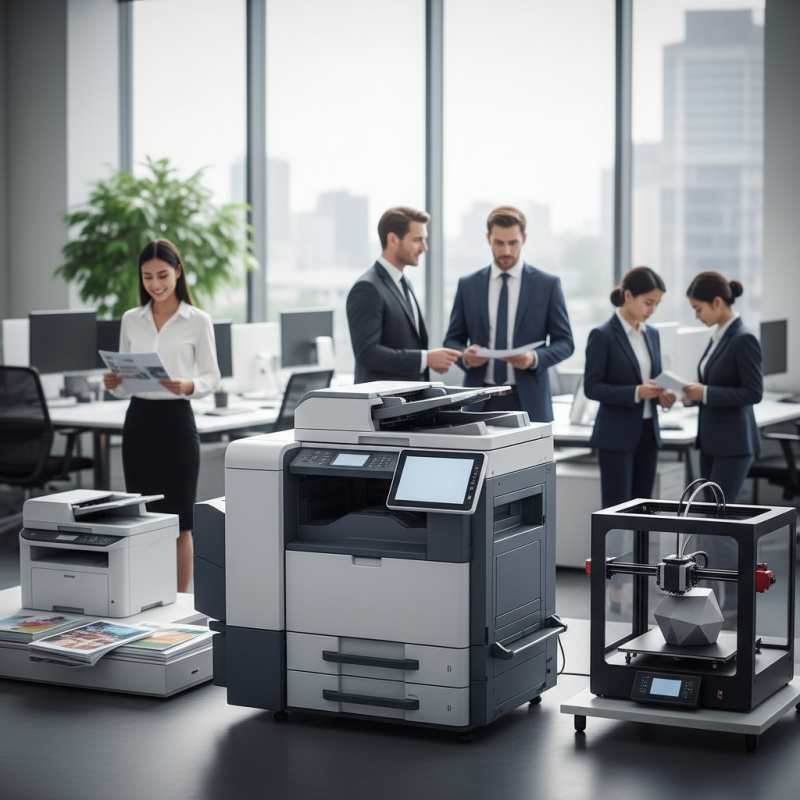
When selecting a Printing Machine for your business, consider the specific types available. Each serves different purposes. Digital printers are versatile for everyday needs. They produce high-quality prints quickly. For higher volumes, offset printers excel. They are cost-effective for large runs but require a longer setup time.

Label printers focus on producing customized labels. They’re essential for sectors like retail and food packaging. These machines can be compact but powerful. Large format printers work well for banners and posters. However, businesses must account for their size and maintenance needs.

Despite various options, choosing the right machine can be overwhelming. Each type has its strengths and weaknesses. Not all machines fit every business model. Reflecting on your unique needs is crucial. Consider your budget and expected print volumes. Rushing this process may lead to dissatisfaction later.

Best Printing Machines for Your Business Needs

Key Features to Consider When Choosing a Printing Machine

Choosing the right Printing Machine for your business can be a daunting task. It's essential to focus on key features that align with your specific needs. For starters, consider the print speed. A fasterMachine Printing Machine can significantly enhance productivity. Look for models that offer high output rates, especially if your business has high-volume printing requirements.

Another crucial aspect is print quality. The resolution is critical for creating sharp and vibrant documents. Higher DPI (dots per inch) ratings typically result in better image clarity. Evaluate your business's typical printing tasks. If you require detailed graphics or professional-grade images, prioritize a Machine Printing Machine that excels in this area.

Don't overlook the connectivity options either. Many modern Printing Machines offer wireless capabilities. This feature allows easy integration with various devices. However, ensure that the connectivity options are compatible with your existing systems. Reflect on maintenance and replacement costs as well. Some machines may have lower upfront prices but higher long-term expenses. These factors are vital for making an informed decision.

Comparing Inkjet and Laser Printing Technologies

When it comes to choosing between inkjet and laser printing technologies, the decision can be crucial for your business. Inkjet printers use liquid ink, which makes them versatile. They handle various media types well, from standard paper to glossy photo paper. This feature is beneficial for marketing materials. However, inkjet printers can be slower, especially when printing large volumes. They also require regular maintenance to ensure print quality.

On the other hand, laser printers use toner and are designed for efficiency. They produce sharp, professional-quality text quickly. This can be an advantage in high-volume environments, saving both time and money. Nevertheless, the upfront cost can be higher compared to inkjet models. Additionally, laser printers typically lack the color richness that inkjet machines provide. It’s essential to consider your specific needs and budget when making this choice.

While both technologies have their advantages, the right option depends on your business requirements. Inkjet may be ideal for smaller projects or varied printing tasks. Laser could serve well for bulk printing and documents. Evaluating your priorities, costs, and the nature of your printing tasks will guide you to the best decision.

Best Printing Machines for Your Business Needs? - Comparing Inkjet and Laser Printing Technologies

Feature Inkjet Printers Laser Printers
Print Quality High quality for photos and color documents Sharp text, good for black and white documents
Speed Slower print speed Faster printing for high-volume jobs
Cost of Operation Lower initial costs but higher ink cost per page Higher initial costs but lower toner cost per page
Maintenance Requires regular cleaning and cartridge replacement Minimal maintenance, longer lasting cartridges
Best Use Cases Home use, photo printing, low volume Office environments, high-volume printing

Cost Analysis of Printing Machines: Initial vs. Operating Costs

When choosing Printing Machines, businesses often overlook a crucial factor:cost analysis. This includes both initial and operating costs. A report by Smithers Pira indicates that, in the last decade, initial costs for digital printers have decreased by approximately 30%. Despite this, businesses must also consider ongoing operational expenses.

Operating costs can include electricity, maintenance, and ink. Research from the Printing Industries of America reveals that operational expenses can make up about 70%% of the total cost of owning a Printing Machine over its lifespan. For example, high-volume ink usage can significantly inflate expenses. Companies could spend thousands yearly on ink alone, depending on production needs.

Moreover, businesses often underestimate maintenance costs. Regular servicing helps avoid downtime and more significant repairs. A well-maintained machine can have a longer life, yet many firms fail to budget adequately for this. Understanding these aspects allows companies to make informed decisions. This awareness can impact profitability significantly. Dedicated analysis should not be an afterthought in the purchasing process.

Top Brands in the Printing Industry: Reliability and Support

Best Printing Machines for Your Business Needs?

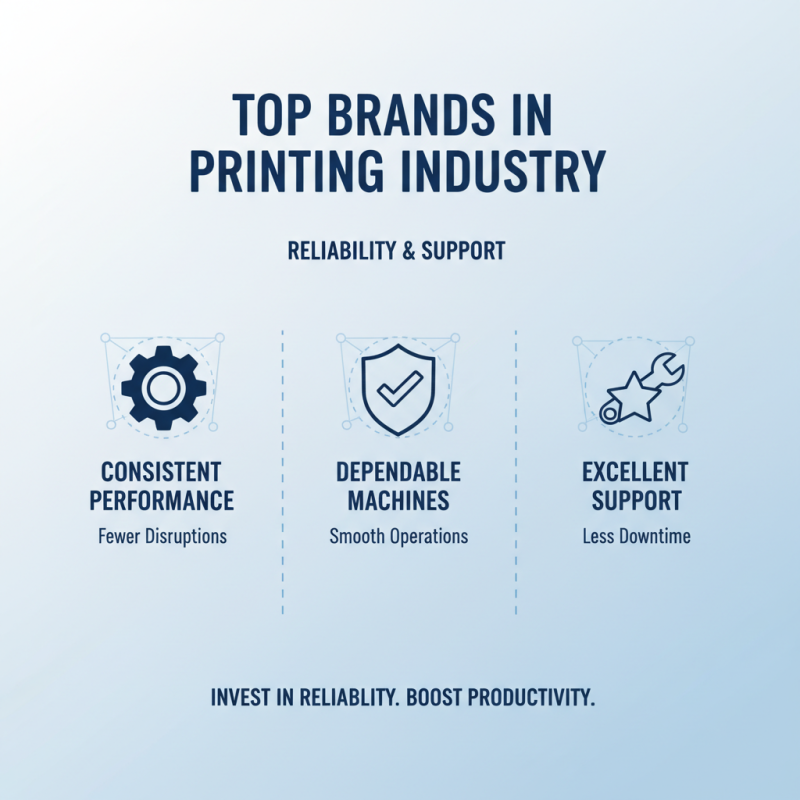
When choosing printing machines, the reliability of the brand matters greatly. A dependable company will offer consistent performance, ensuring that your business operations run smoothly. Investing in a good printing machine means fewer disruptions and less downtime.

Support from a brand can be a game-changer. Technical assistance can help resolve issues quickly. This support becomes crucial during peak business hours. Companies that provide comprehensive training also build loyalty. Users can maximize their printing machines’ potential only when they fully understand the features.

Yet, not all brands provide the same level of service. Some may have limited availability for customer support. Make note of this when selecting a printing machine. A lack of prompt responses can lead to frustration. Always consider reviews and testimonials from users. Real experiences can reveal hidden flaws and strengths in the manufacturing process. Reliability, support, and informed choices come together to make the most of your printing machine investment.

Maintenance Tips for Prolonging the Life of Your Printing Equipment

When it comes to maintaining your printing equipment, some simple habits can make a big difference. For instance, regularly cleaning the printer heads can prevent debris buildup. A clean machine operates efficiently and produces better quality prints. It's essential to inspect components like rollers and belts frequently. These parts wear down over time, affecting performance.

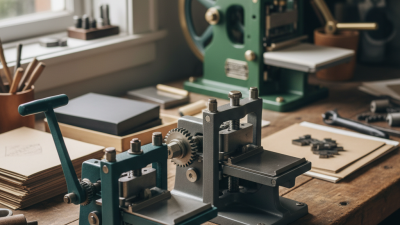
Proper storage of your printing materials is another vital aspect. Keep ink cartridges sealed and in a cool place. This helps preserve their lifespan and usability. Avoid exposing them to direct sunlight. Using a Machine Cutting Machine? Ensure it’s regularly calibrated. Calibration impacts precision and reduces waste. Infrequent calibration can lead to misalignment and poor output.

Finally, remember that every machine has its limits. Overworking any printing equipment can lead to breakdowns. Learning to recognize signs of strain, such as unusual noises or slower printing, is crucial. Ignoring these signals can result in costly repairs or replacements. Regular training for your team can help everyone understand best practices for operating and maintaining these machines.

Future Trends in Printing Technology and Business Needs

Best Printing Machines for Your Business Needs?

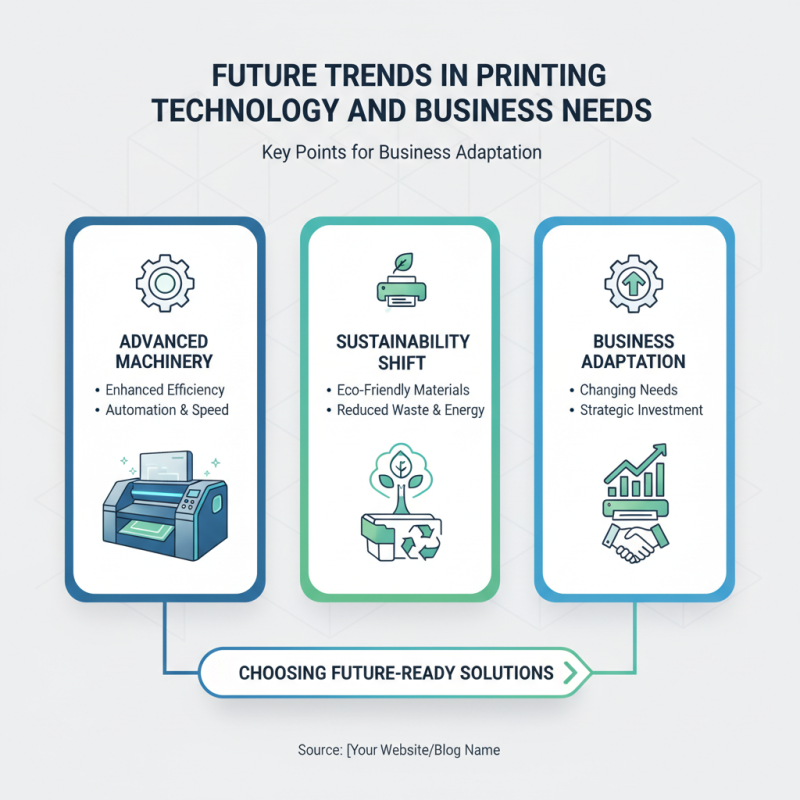
As businesses adapt to changing needs, printing technology plays a crucial role. The future of printing lies in advanced machinery that enhances efficiency. Many industries are shifting towards sustainability, making eco-friendly printing solutions more popular. This trend will influence how businesses choose their printing machines.

When selecting a press machine, consider automation. Automated features can save time and reduce human error. Evaluate your production volume and discuss your needs with experts. They can guide you in finding the right press machine for your business.

Another tip is to stay updated on digital printing innovations. Technologies like 3D printing and on-demand solutions are gaining traction. Businesses should reflect on how these innovations can fit into their operational models. Explore whether this aligns with your goals for profitability and efficiency. Technology will evolve, and so should your printing strategies.

Innovative Solutions with Round-to-Round Die-Cutting and Slitting Integrated Machines: Enhancing Efficiency and Precision

The JY-350 model circular pressing circular die-cutting and slitting integrated machine represents a significant advancement in the realm of packaging technology. Designed to enhance efficiency and precision, this innovative solution combines die-cutting and slitting processes into one streamlined operation. By incorporating a set of circular pressing die-cutting stations, the machine allows for the die-cutting and slitting of blank self-adhesive labels in a single pass, ensuring not only speed but also remarkable accuracy in production.

One of the standout features of the JY-350 is its automatic control systems, which include meter counting, length and quantity setting, and automatic stop functions. This not only minimizes labor costs but also reduces the chance of human error during production. Additionally, the machine boasts advanced technologies like magnetic powder tension, dual winding shaft rotation, and an automatic deviation correction system, which work together to maintain high-quality output. With its compact structure and user-friendly operation, the JY-350 seamlessly integrates into existing production lines while enhancing operational efficiency for manufacturers looking to elevate their output capabilities.

FAQS

: What should businesses consider regarding printing machine costs?

: Companies need to evaluate both initial and operating costs. Overlooking operational expenses can lead to financial strain.

How much have initial costs for digital printers decreased?

Initial costs for digital printers have decreased by about 30% in the last decade.

What percentage of the total cost becomes operational expenses?

Operational costs can account for approximately 70% of the total cost of owning a printing machine.

Why are maintenance costs important to consider?

Regular maintenance prevents downtime and major repairs. Many businesses underestimate these expenses.

How can high ink usage affect printing costs?

High-volume ink usage can significantly inflate yearly expenses, potentially costing thousands.

What role does brand reliability play in selecting a printing machine?

Reliable brands ensure consistent performance, reducing disruptions and downtime for businesses.

How crucial is technical support from a brand?

Quick technical assistance is essential, especially during busy times. Lack of support can lead to frustration.

What should companies do to maximize the use of their printing machines?

Comprehensive training on machine features helps users fully utilize their devices' potential.

Why are user reviews important in the selection process?

Reviews reveal real experiences, highlighting potential flaws and strengths of different machines.

Is it essential to conduct a cost analysis before purchasing?

Yes, dedicated analysis helps inform decisions and can significantly impact a company's profitability.

Conclusion

Choosing the right printing machine is crucial for meeting varied business needs, as there are different types suited for specific applications. It's essential to consider key features such as print speed, quality, and flexibility when selecting a machine. The ongoing debate between inkjet and laser printing technologies highlights their distinct advantages and disadvantages, making it important to analyze their respective strengths in relation to your operational requirements.

A thorough cost analysis should account for both initial investment and ongoing operating costs, helping businesses make informed decisions. Additionally, understanding maintenance tips can prolong the life of your printing equipment and ensure uninterrupted service. As technology evolves, emerging trends in printing can offer innovative solutions catering to future business needs, making it vital to stay updated in this dynamic industry.
Ethan

Ethan

Ethan is a dedicated marketing professional at Jinyuan Mechanical, a leading provider of slitting and rewinding equipment solutions. With a deep expertise in the company's product offerings, he plays a pivotal role in bridging the gap between technology and customer needs. Ethan is committed to......
Previous Top 5 Die Printing Techniques You Should Know?