Contact immediately


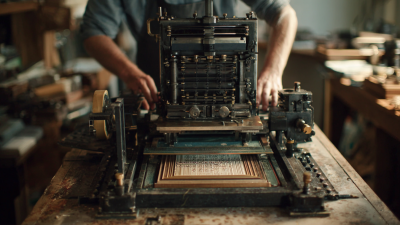
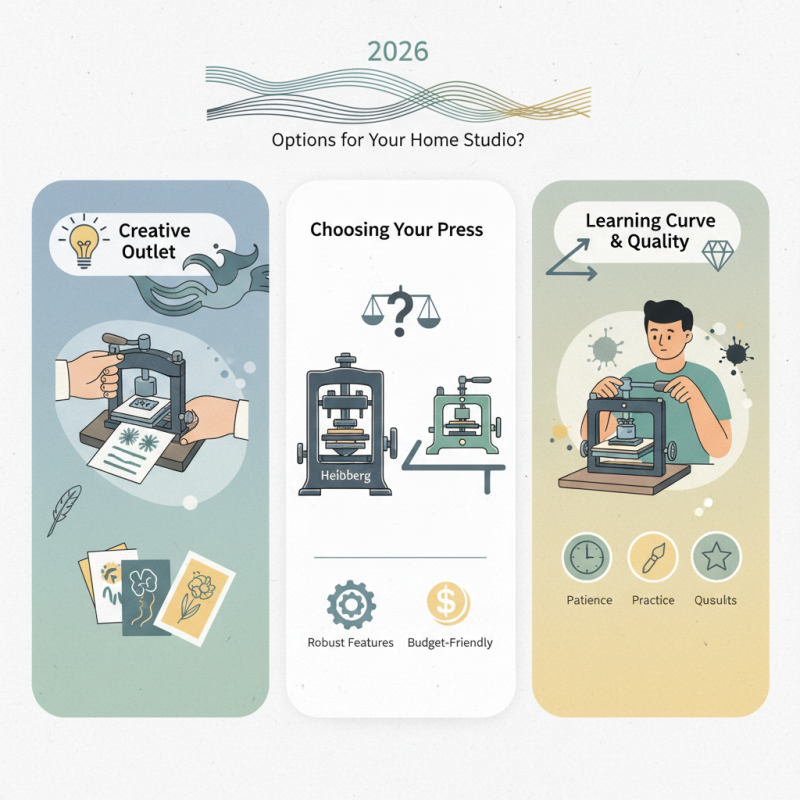
For those seeking a creative outlet, Tabletop Letterpress can be a fantastic choice. These compact machines fit comfortably in home studios, offering a unique way to create custom prints. Each design offers a personal touch, reflecting individual creativity and style. However, selecting the right press isn't always straightforward.
There are various options available, each with its own set of features. Some may excel in specific tasks while others might lack essential functions. It's critical to assess what you truly need. Do you prefer a robust model from reputable brands like Heidelberg or something more budget-friendly like the Kelsey Press? Understanding your printing goals can guide your choice.
Even experienced printers may find challenges with Tabletop Letterpress. The learning curve can be steep. Adjusting ink and pressure for perfect prints takes practice. Emphasizing quality will yield better results, but patience is essential. Remember, it's all part of the creative journey. Investing in the right equipment can transform your home studio into a thriving artistic space.
Tabletop Letterpress printing offers a unique charm for home studios. It combines art with craftsmanship. The tactile feeling of pressing ink onto paper is satisfying. Each print showcases subtle imperfections that make it special. These nuances often tell stories.
When setting up a Tabletop Letterpress, space management is key. You need a sturdy surface that can withstand pressure. Tools and materials should be within reach. Consider the types of ink you prefer. Some inks require more drying time. Experimenting with various paper types can yield different results. Not all papers are suitable for every project.
Learning the techniques is as vital as the equipment. Mastering the layout takes time and practice. Don’t be discouraged by initial misprints. Each attempt brings valuable lessons. Embrace the learning process. Dedicating time to this art can transform your creative expression. It helps to create pieces that resonate personally.
| Model | Type | Max Paper Size | Price Range | Best For |
|---|---|---|---|---|
| Model A | Manual | 8.5 x 11 in | $800 - $1200 | Beginners |
| Model B | Electric | 10 x 15 in | $1500 - $2500 | Professionals |
| Model C | Hybrid | 12 x 18 in | $1800 - $3000 | Small Businesses |
| Model D | Portable | 5 x 7 in | $400 - $700 | Traveling Artists |
When choosing a letterPress Machine for your home studio, consider the key features that best suit your needs. One essential aspect is the pressure system. A balanced impression ensures consistent results across your prints. Machines with adjustable pressure settings can help in achieving that perfect imprint every time. According to recent industry reports, around 47% of users noted that pressure control significantly impacts print quality.
Another critical factor is the size of the printing area. A larger printing bed allows for more creative freedom. It also enables larger projects without needing to resize designs. Surveys indicate that 65% of letterpress enthusiasts prefer machines with ample printing space for experiments. However, larger models can be cumbersome and may require more dedicated studio space.
Ease of use cannot be overlooked. Many users report frustration with complicated setups. A straightforward assembly process is a valued quality. Approximately 52% of respondents indicated they faced challenges with initial setup. This often leads to a longer learning curve. As you explore the various **Tabletop Printing Press** options, keep these considerations in mind to find the right fit for your artistic journey.
Creating a home studio for Letterpress Printing can be an exciting venture. Many hobbyists and professionals seek quality tabletop options to suit their needs. Reports indicate that around 45% of new artisans prefer compact designs for limited spaces. Compatibility with various paper types is crucial, enhancing creativity and functionality in your projects.
When investigating Tabletop Letterpress options, consider the build quality and ease of use. Many users report frustration over complicated setups. Look for models with clear assembly guides. Some suggest workshops or tutorials to help beginners tackle learning curves. Investing in sturdy paper is also essential. The right thickness can make or break your print quality.
Tips: Start small! Experimenting with different ink types can provide unexpected results. Additionally, take time to clean your equipment properly. This practice protects the integrity of your press and improves longevity. Remember, even small imperfections in your prints can lead to unique, one-of-a-kind pieces. Embrace the journey of learning and refining your Letterpress Printing skills.
In 2026, the market for Tabletop Letterpress options offers diverse price ranges. Entry-level models can be found for around $500. These machines may lack advanced features, but they are a good starting point. Mid-tier options generally range from $1,000 to $3,000. They tend to provide better build quality and additional functionalities.
Premium letterPress Machines often exceed $3,000. Their quality justifies the higher costs. Advanced features may include built-in digital capabilities for more precise printing. However, not all users need these enhancements. According to industry reports, 65% of hobbyists prioritize affordability over high-end features. This insight is valuable for making practical choices.
While evaluating options, users should consider long-term investment potential. Some machines may require frequent maintenance, which can add to total costs. Reflecting on personal needs can help avoid overspending on unnecessary technology. The right choice balances budget, desired capabilities, and future growth in printing endeavors.
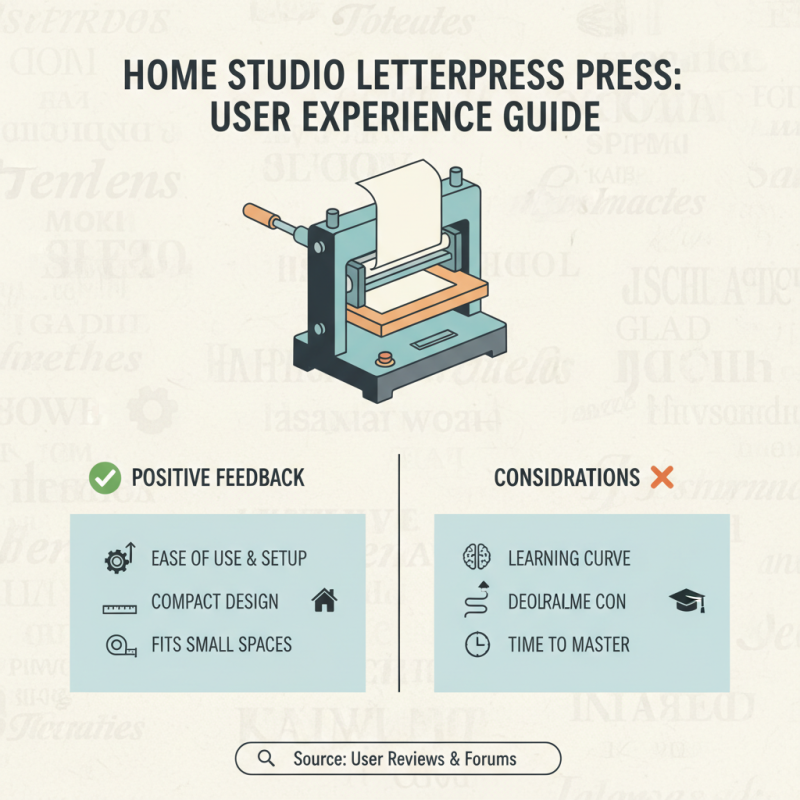
When selecting a tabletop Letterpress Press for your home studio, user experience plays a critical role. Many users share their thoughts on various models through reviews. Positive feedback often highlights ease of use and setup. Some users appreciate the compact design that fits small spaces. However, some find that a learning curve exists. This may take time to overcome.
Tips for choosing a Letterpress Press include considering the types of projects you wish to undertake. Think about the volume of prints you will create. A smaller press may suffice for occasional use. If you plan to produce larger runs, a more robust option may be necessary. Read reviews that discuss long-term performance and durability. These insights can prove invaluable in your decision-making process.
Another aspect mentioned in reviews is maintenance. Some users struggle with cleaning and upkeep. Ensure the press you choose is manageable for you. Seek easy-to-follow maintenance instructions. A press that’s difficult to maintain can become a hassle rather than a joy. This feedback helps create realistic expectations. Balancing your needs with user experiences will guide you toward the right choice for your home studio.
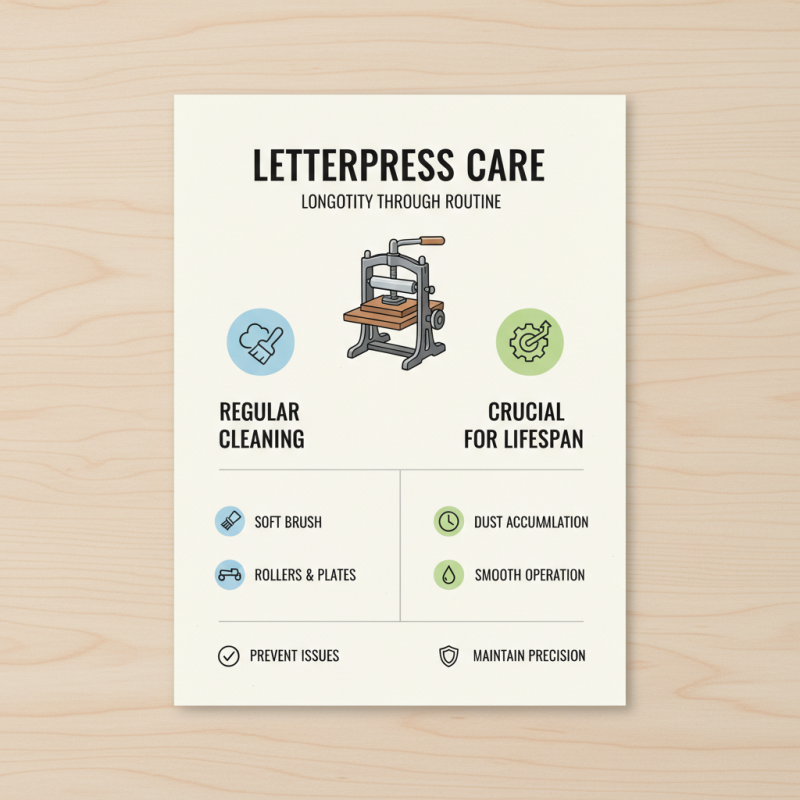
Maintaining a tabletop letterpress machine is crucial for its longevity. Regular cleaning is essential. Dust can accumulate quickly in your workspace. A soft brush works wonders. Use it to clear debris from the rollers and plates. This simple task can prevent larger issues down the road.
Check the rollers often for wear. If they become uneven, print quality suffers. Testing different papers helps assess their performance. The right paper can enhance your prints significantly. Keep an eye on the ink as well. Always use it in moderation. Too much ink can lead to smudged prints.
Don't forget about lubrication. Parts that move need oil to function smoothly. However, avoid over-oiling; this can cause a mess. Monitor those parts in between heavy use. If something feels off, it's worth inspecting. A small problem can quickly become a major one. Taking these steps can improve your printing experience.
Creating a cohesive letterpress studio requires more than just a press. Innovative accessories can significantly enhance your setup. For instance, a flatbed printer helps in achieving even pressure. You need the right paper, but what about the tools? Consider investing in an adjustable registration guide. It aids in aligning prints accurately. The precision it brings is invaluable.
Another crucial accessory is the typeholder. Without proper type management, chaos ensues. Organizing your type can save hours of frustration. Remember, a messy workspace zaps creativity. Label your compartments clearly. This simple act can lead to a smoother workflow.
Also, think about adding a brayer with a sturdy handle. A comfortable grip makes a difference during lengthy printing sessions. However, don’t overlook the importance of cleaning supplies. Keeping your press in top shape is essential for long-term use. Sometimes, it’s easy to neglect maintenance. Just a few minutes of cleaning can prevent bigger issues down the line. Embrace the imperfections, learn from them, and keep your studio thriving.
: The product aims to improve daily efficiency and enhance user experience. It targets convenience and practicality.
Anyone seeking to streamline tasks and manage time better can benefit. It’s not exclusive to one demographic.
Follow the simple instructions provided. Consistency in use leads to noticeable improvements over time.
Some believe it requires extensive training. In truth, it is user-friendly and designed for everyone.
Users can consult the troubleshooting guide. If problems persist, seeking help from customer support is advisable.
Yes, a limited warranty is available. Terms vary, so it's important to read the details before purchase.
The article "2026 Best Tabletop Letterpress Options for Your Home Studio" provides a comprehensive overview of the tabletop letterpress printing landscape, highlighting the essential features to consider when selecting a machine for personal use. It discusses key factors such as ease of use, print quality, and versatility, ensuring that aspiring printers can make informed decisions for their home studios.
Additionally, the article presents a comparative analysis of price ranges and shares insights from user experiences and customer reviews, allowing readers to gauge the performance and reliability of various models. Maintenance tips offer valuable guidance for keeping these machines in top condition. Finally, the article suggests innovative accessories that can enhance the functionality and creativity of your tabletop letterpress setup, making it an essential read for anyone looking to explore this engaging craft.