In today's tough market, a lot of businesses are really trying to optimize how they run things. Picking the right equipment can actually make a big difference in how smoothly everything works. For example, a Rewinding Machine is a pretty solid option for companies looking to boost their productivity. These machines are built to improve the way materials are handled, which makes them pretty much essential across various industries.
Opting for a Rewinding Machine is like choosing quality and precision. It helps make sure your materials are processed correctly without wasting resources. Sometimes small businesses overlook how important reliable equipment really is, thinking that saving a bit of money upfront is the way to go. But that can backfire in the long run, leading to poorer results. When you're looking at big purchases like this, a Rewinding Machine really stands out because of its durability and effectiveness.
That said, it’s crucial to think about what your specific needs are. Picking just any machine without considering whether it fits your operation might not bring the improvements you’re hoping for. A Rewinding Machine can definitely help make your processes more efficient, but only if it aligns with your business goals. Being aware of this can really help you make smarter decisions, and in turn, boost your success and productivity.
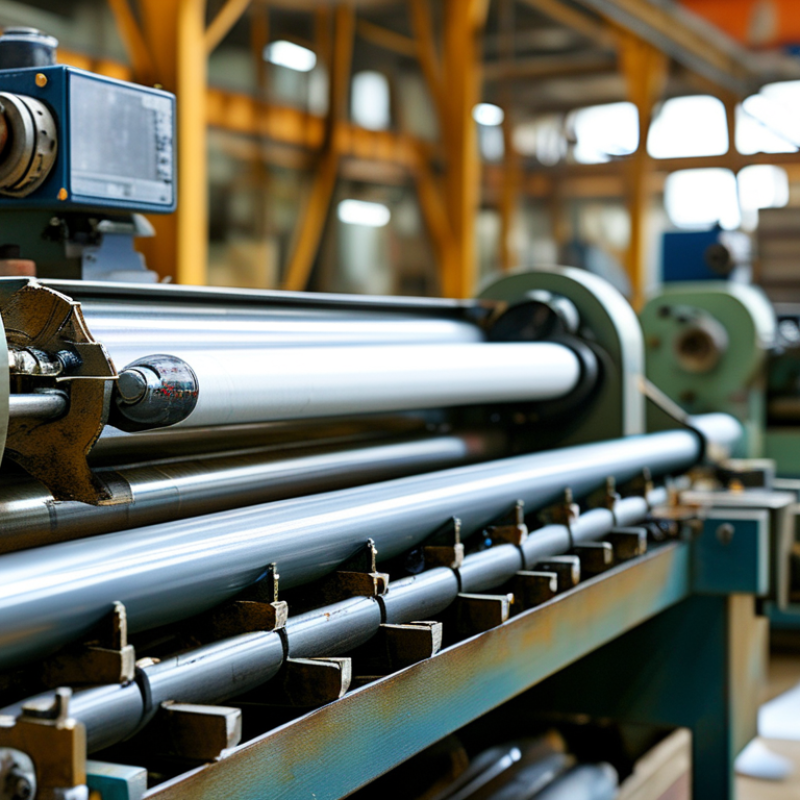
Benefits of Using a Rewinding Machine for Production Efficiency
In today's competitive market, production efficiency is crucial. Incorporating a rewinding machinecan significantly enhance your manufacturing process. A high-quality Rewinding Machine helps streamline operations. This equipment enables businesses to optimize material use and reduce waste effectively. Reducing unnecessary waste not only saves costs but also boosts overall productivity.
Efficiency is key, but it's not just about speed. A Rewinding Machine delivers consistent quality. It can handle various materials, ensuring precision cuts and smooth finishes. This uniformity minimizes errors during production. Consider investing intraining for your team. Operational knowledge is vital in maximizing the capabilities of the machine.
Tips: Regular maintenance is essential for reliability. Check blades often to ensure sharpness. Replace worn components promptly to avoid delays. Encourage operator feedback to identify improvement areas. Implementing these practices can lead to significant efficiency gains.
Types of Rewinding Machines and Their Applications in Various Industries
Rewinding Machines play a vital role in numerous industries. These machines are essential for handling various materials, such as film, paper, and textile. They provide efficiency in the production process by reducing downtime. Businesses can choose from different types of Rewinding Machines, each suited to specific applications.
For instance, automatic Rewinding Machines are ideal for high-volume production. They offer speed and consistency, cutting down on manual labor. Manual Rewinding Machines, on the other hand, are perfect for smaller operations. Companies can benefit from their flexibility and lower costs. It's essential to assess the production scale when selecting the machine type.
**Tip:** Ensure you understand your material specifications before choosing a machine. Each material has unique requirements, which affect the rewinding process.
Additionally, some machines are specialized for niche applications, like Adhesive Labels or magnetic tapes. These options help businesses meet specific market demands. However, operators should receive proper training to maximize efficiency and reduce waste. The learning curve can vary, and it's important to remain patient during the process.
**Tip:** Regular maintenance checks can prevent costly disruptions. Investing time in upkeep enhances machine longevity and performance.
Why Choose a Rewinding Machine for Your Business Needs? - Types of Rewinding Machines and Their Applications in Various Industries
| Type of Rewinding Machine
| Applications | Industries | Key Features |
| Standard Rewinding Machine
| Rewinding films, foils, and paper | Packaging, Printing | High speed, precision control |
| Slitting Rewinding Machine
| Slitting and rewinding various materials | Textiles, Plastics | Multi-blade setup, adjustable tension |
| Digital Rewinding Machine | Custom label and print rewinding | Labeling, Custom Packaging | User-friendly interface, variable speed |
| Automatic Rewinding Machine | Automated production lines | Food, Beverage | High efficiency, automated controls |
| Lab Rewinding Machine | Small scale or sample rewinding | Research, Development | Compact size, easy operation |
Key Features to Consider When Selecting a Rewinding Machine
When selecting a rewinding machine, there are several key features to consider. First, assess the machine's capacity. A higher capacity often means better efficiency for larger operations. Yet, choosing a machine solely based on capacity without considering your actual needs can lead to waste. Machines that are too powerful for small tasks could waste energy and resources.
Another important feature is the type of material compatibility. Ensure that the rewinding machine can handle the specific materials your business uses. The wrong machine could compromise the quality of your final product. Consider the precision and speed as well. Not all tasks require the same speed. Some jobs benefit from a slower, more deliberate approach, while others thrive on rapid production.
Additionally, think about maintenance requirements. A reliable Slitting And Rewinding Machine should be easy to service. While modern machines often boast low maintenance needs, this can vary. Regular upkeep is essential for longevity. Machines that require frequent repairs can be a burden to your operational flow. Choosing wisely will minimize disruptions and enhance productivity.
Cost Analysis: Investing in Rewinding Equipment vs. Outsourcing
Investing in a Paper Rewinding Machine can bring operational efficiency to your business. Understanding the cost implications is vital. Many businesses face a dilemma: should they buy rewinding equipment or outsource the job? Each option has its own merits and potential pitfalls.
Outsourcing may seem cheaper initially. You save on equipment costs and maintenance expenses. However, hidden fees accumulate. Frequent changes in orders can lead to increased costs. Plus, quality control can become a challenge. Miscommunication over specifications may result in waste. This could throw your budget off balance.
On the other hand, owning a Paper Rewinding Machine offers autonomy. You can control production quality and timelines. This investment can pay off, especially for businesses with steady demand. But consider potential downtime or learning curves. Even experienced operators may face unexpected issues. Balancing cost and efficiency is key to making the right choice.
Maintenance Tips for Ensuring Longevity of Rewinding Machines
Regular maintenance is crucial for maximizing the lifespan of a rewinding machine. According to industry reports, proper upkeep can extend the machine’s life by 30%. Regular checks on components like tension control and blade alignment can prevent small issues from escalating into major repairs.
Here are some maintenance tips:
1. **Clean the rollers and surfaces frequently**. Dust buildup can lead to performance drops.
2. **Inspect belts for wear**. Damaged belts can cause misalignment, leading to inefficiency.
3. **Lubricate moving parts**. Lack of lubrication is a common cause of mechanical failure.
Monitoring machine performance can also provide insights into its health. Sudden changes in operation may indicate underlying issues. Addressing minor concerns promptly is better than waiting for a significant breakdown.
The reliability of a Paper Slitting And Rewinding Machine hinges on adherence to these practices. Failing to follow maintenance procedures can result in costly downtimes. Keeping a log of maintenance tasks may help track performance trends and inform future actions.
How Rewinding Machines Improve Quality Control in Production
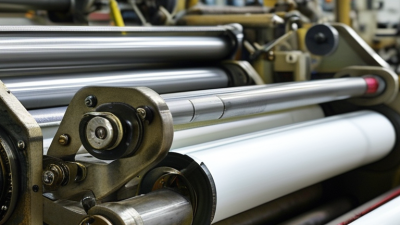
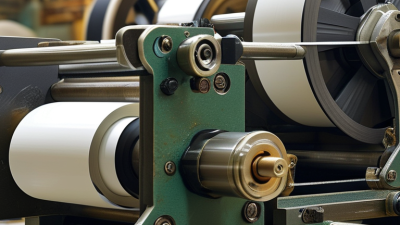
Rewinding machines play a crucial role in enhancing quality control within production environments. They are designed to streamline the process of handling long materials, such as films and foils. By ensuring uniform tension during rewinding, these machines minimize defects. This is essential for industries where precision is key. Subpar rewinding can lead to irregular rolls that affect the final product.
Implementing a rewinding machine can significantly reduce waste. Operators can quickly identify issues causing misalignment or tension fluctuations. A well-calibrated rewinding process maintains consistency, essential for meeting strict quality standards. The ability to monitor and adjust parameters in real time creates awareness among operators, allowing them to intervene immediately when deviations occur.
Although rewinding machines improve quality, they are not perfect. Operators must remain vigilant. Mechanical issues may arise, affecting production efficiency. Regular maintenance of the machines is vital. This will help prevent breakdowns, which can lead to quality lapses. Addressing these challenges means continuously refining processes for optimal performance. Without reflection, even the best systems can falter.
Case Studies: Successful Integration of Rewinding Machines in Business
Rewinding machines have become essential in various industries. Their integration can significantly enhance operational efficiency. A recent case study highlighted a packaging company that reduced its downtime by 30% after implementing a rewinding machine. This result is quite impressive, showing the real-world benefits these machines can bring.
Another report indicated that businesses saw a 20% increase in productivity within six months of integrating a rewinding system. This improvement was due to faster processing times and reduced waste. However, not all businesses experience the same success. Some companies faced challenges during the transition, such as training staff to use the new technology effectively. These issues remind us that while rewinding machines offer advantages, careful planning is crucial.
Many firms underestimate the importance of proper integration. A lack of a tailored approach can lead to suboptimal performance. Observations from ongoing implementations indicate that consistent monitoring and feedback can identify potential problems early. This proactive strategy helps to refine processes over time, ensuring that the rewinding machine truly benefits the business.
Innovative Solutions for Efficient Label Production: The Integrated Round-to-Round Die-Cutting and Slitting Machine for Self-Adhesive Labels
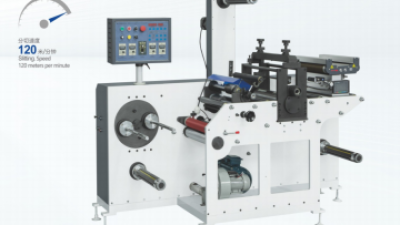
The need for innovative solutions in label production is ever-increasing, and the latest advancements in machinery are paving the way for greater efficiency and precision. One such solution is the integrated round-to-round die-cutting and slitting machine designed specifically for self-adhesive labels. This state-of-the-art machine seamlessly combines the slitting and die-cutting processes into one streamlined operation, thereby enhancing productivity in label manufacturing.
Equipped with multiple features that prioritize user experience, this machine boasts automatic meter counting and customizable settings for length and quantity, which help optimize the workflow. Additionally, the automatic stopping function and inflation control ensure consistency in output, while the magnetic powder tension provides stability during the operation. The dual winding shaft rotation, complemented by a displacement device, allows for smooth handling of various materials, leading to high-quality finished products.
Moreover, the optoelectronic control system addresses any unwinding deviations automatically, contributing to the machine's reliability and precision. The compact structure and high-speed capabilities make it an attractive choice for manufacturers seeking an efficient method of producing blank self-adhesive labels. As industries continue to evolve, adopting such integrated solutions will be critical in meeting the growing demand for high-quality labeling products.
FAQS
: It offers control over production quality and timelines. Efficient for businesses with consistent demand.
It appears cheaper initially. You avoid equipment and maintenance costs.
Hidden fees accumulate. Changes in orders can increase expenses unexpectedly.
Miscommunication can lead to mistakes. This may cause waste and disrupt budgets.
Clean rollers frequently. Inspect belts for wear and lubricate moving parts.
Regular upkeep can extend a rewinding machine’s life by 30%. Neglecting maintenance can lead to failures.
Watch for sudden performance changes. Address minor issues quickly to avoid bigger breakdowns.
Keeping logs helps track performance trends. This informs decisions on future maintenance actions.
Learning curves and unexpected issues may arise. Even experienced staff can encounter problems.
It helps in making informed decisions on investing or outsourcing. Striking the right balance is crucial.
Conclusion
A rewinding machine can significantly enhance production efficiency for various businesses by streamlining the process of reconfiguring materials such as film, tape, and paper. These machines come in various types, each tailored for specific applications across multiple industries, thus offering versatility in production tasks. When selecting a rewinding machine, key features such as speed, precision, and ease of operation are crucial considerations.
Investing in rewinding equipment can often be more cost-effective than outsourcing, allowing businesses to maintain better control over quality and production timelines. Proper maintenance is essential for the longevity of these machines, ensuring they continue to perform optimally. Additionally, integrating rewinding machines can improve quality control, as demonstrated in various case studies showcasing successful implementation in real-world scenarios. Overall, a rewinding machine is a valuable asset for businesses looking to enhance their operational efficiency and product quality.

 Contact immediately

 Contact Phone
 Contact Email