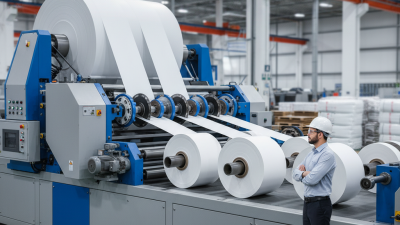
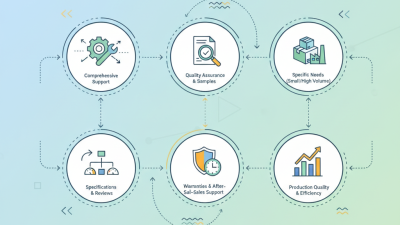
Choosing the right Automatic Winding Machine really has a big impact on how smoothly your production lines run. Whether you're dealing with textiles or electronics, you gotta pick a machine that fits your specific needs. It's important to get a good handle on the features, size, and tech behind these machines—that stuff really matters when you're making your decision.
There are tons of options out there, but not all of them are a good fit. Each machine comes with its own set of specs, so you really need to think about things like how fast it works, how precise it is, and what materials it can handle. A top-notch Automatic Winding Machine can streamline your workflow and cut down on downtime—that’s a game changer.
That said, it’s easy to miss some of the important details. Some folks might just go for the cheapest option without considering how it’ll perform long-term. Others might overlook how vital ongoing support and maintenance are. Taking time to think about these points can help you make a smarter, more confident choice—that way, you're not just buying a machine, you're investing in your process.
Understanding Automatic Winding Machines and Their Types
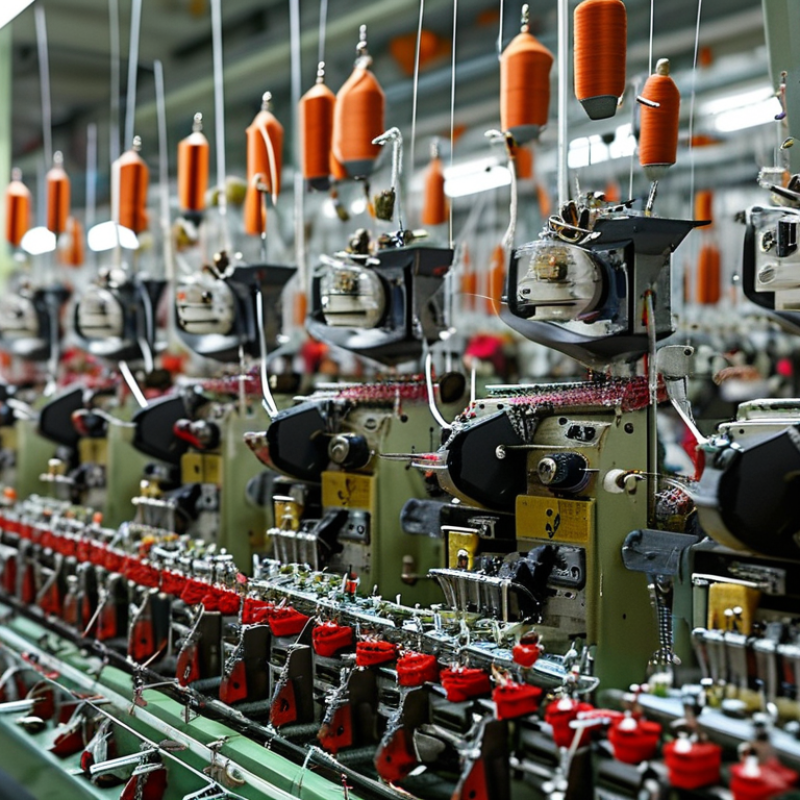
Understanding Automatic Winding Machines is essential for selecting the right one. These machines are vital in industries such as textiles, electronics, and automotive components. They efficiently wind various materials, including wires, fibers, and tapes. According to a recent industry report, the global winding machine market is projected to reach $2.5 billion by 2025, indicating a robust demand.
There are several types of Automatic Winding Machines. Some are designed for precision winding, while others cater to high-speed operations. Equipment tailored for specific tasks often yields better productivity. Consider factors like winding speed, spool size, and tension control. Each of these elements affects the overall performance and quality of the winding process.
When choosing a machine, prioritize your production needs. Assess the material types you will use. Pay attention to the machine's adaptability for future projects. Regular maintenance can extend its life. Understanding these aspects can help you avoid costly mistakes and ensure optimal functionality. Invest time in research to find the best fit for your workflow.
Key Features to Consider When Choosing an Automatic Winding Machine
When selecting an Automatic Winding Machine, several key features are vital for ensuring it meets your specific needs. One important aspect to consider is the winding capacity. Determine the range of products you need to wind. Understand if the machine can handle different sizes and materials. A machine that can only work with a narrow range of sizes may not be suitable for diverse projects.
Another critical feature is the machine's programming capabilities. An adaptable machine can offer multiple winding patterns. Look for intuitive controls that simplify adjustments. Ease of use can significantly impact efficiency and reduce training time for operators. But remember, with advanced features comes complexity. Sometimes, a simpler machine may serve your needs better.
Durability and maintenance requirements are also key. A well-built machine should withstand daily use without constant breakdowns. Machines that require frequent repairs can disrupt production. However, consider maintenance schedules diligently. Many overlook this aspect, which can lead to unexpected costs. Evaluating these features carefully will help you choose a machine that fits your operational needs while avoiding potential pitfalls.
How to Choose the Best Automatic Winding Machine for Your Needs? - Key Features to Consider When Choosing an Automatic Winding Machine
| Feature | Description | Importance |
| Winding Speed | The speed at which the machine can wind materials, measured in meters per minute. | High importance for production efficiency. |
| Programming Flexibility | Ability to customize winding patterns and configurations. | Critical for diverse applications. |
| Material Compatibility | The types of materials the machine can handle, such as wires, ropes, or tapes. | Essential for meeting specific production needs. |
| User Interface | Ease of use and accessibility of the control panel. | Important for reducing training time and operational errors. |
| Safety Features | Includes emergency stops and protective guards. | Crucial for operator safety and compliance. |
| Maintenance Requirements | Frequency and type of maintenance needed to keep the machine running smoothly. | Important for long-term operational efficiency. |
Assessing the Specifications for Your Winding Application Needs
Choosing the right Automatic Winding Machine requires careful consideration of its specifications. Various winding applications have unique needs. Determine the type of materials you will use. Different wires, whether thin or thick, require different tension and winding methods. Understand your application’s requirements. Ask yourself, will you need precise coils or high-speed winding?
Capacity is another crucial specification. Evaluate how much product you intend to wind daily. A machine that can’t keep up may hinder productivity. Think about scalability. If your demand grows, will the machine accommodate increased workload? Features like adjustable speeds and programmable settings enhance flexibility.
Consider the ease of use and maintenance. Complex machines can lead to operational challenges. A user-friendly interface can save time and reduce errors. Reflect on the support offered by manufacturers. Training and customer service play a significant role in ensuring smooth operations. The best choice is not just about features; it’s about how well it fits your needs.
Evaluating Budget and Cost-effectiveness in Winding Machine Options
When selecting an Automatic Winding Machine, evaluating the budget and cost-effectiveness is crucial. According to a recent industry report, winding machine costs can range from $10,000 to $100,000, depending on their features and automation levels. Organizations need to consider not only the initial purchase price but also ongoing operating costs. Maintenance expenses, energy consumption, and repair costs can add up quickly.
A machine with advanced features may appear costly upfront. Yet, it can lead to lower labor costs and increased production efficiency. For instance, a study indicated that companies using fully automated machines can increase output by up to 30%. However, this gain must be weighed against the investment required. Small manufacturers might find entry-level options more suitable, even if they sacrifice some efficiency.
Understanding the return on investment (ROI) is key. Analyzing production time and waste reduction can help justify the purchase. Yet, businesses often overlook productivity fluctuations and changing market demands. It’s essential to seek flexibility in a machine that can adapt to future needs. The perfect machine balances cost and capabilities while ensuring reliability and scalability in a constantly evolving industry.
Importance of Manufacturer Reputation and Customer Support
When selecting an Automatic Winding Machine, considering the manufacturer's reputation is crucial. A well-regarded manufacturer often reflects reliability and quality. Look for those with a solid track record. They usually provide detailed case studies or testimonials from satisfied customers. A reputable company often has industry certifications, which can be an important factor in your decision-making process.
Customer support is another vital aspect to consider. A strong support system can make a significant difference during installation or if issues arise. Manufacturers that offer comprehensive training programs tend to help users maximize the machine's potential. If problems occur, responsive support can minimize downtime significantly. It’s worth researching the experience of others with the manufacturer’s service.
You may find variations in support quality even among reputed brands. Some companies excel in initial sales, but aftercare can be lacking. This can lead to frustration down the line. Seek out reviews or forums where users share their experiences. This approach provides insight into the consistency of their customer support. Making a well-informed decision involves reflecting on these factors carefully before proceeding.
Maintenance and Durability Considerations for Long-term Use
When investing in an Automatic Winding Machine, maintenance is a critical factor. Regular inspections help identify potential issues early. For instance, check for loose components or wear on parts that could affect performance. It's essential to maintain lubrication in moving parts to ensure smooth operation. Neglecting these tasks can lead to unexpected breakdowns and costly repairs.
Durability is another key consideration. Look for machines constructed from quality materials. Metal components often last longer than plastic. Longevity also depends on usage patterns. Machines subjected to heavy workloads need more robust designs. Moreover, understanding your specific winding needs can influence the machine's lifespan. A mismatch in the machine’s capabilities and the tasks it performs can accelerate wear and tear.
Investing time in maintenance not only enhances durability but also boosts efficiency. Observing the machine's performance over time offers valuable insights. If a machine struggles with specific tasks, it may require adjustments or replacements. Regularly updating your knowledge about advancements in winding technology can also guide better choices for long-term operations.
User Reviews and Recommendations: Making an Informed Choice
When selecting an Automatic Winding Machine, user reviews are invaluable. According to a survey conducted by Industry Insights, around 75% of users consider feedback from fellow professionals crucial in their decision-making process. This perspective is especially relevant, as personal experiences can highlight long-term reliability and ease of use that specifications alone cannot convey.
Specific features often praised include user-friendly interfaces and programmable settings. A report by Tech Research Group noted that machines offering customization options have a 30% higher satisfaction rate among users. However, some reviews point out the steep learning curve associated with advanced features. It’s essential to weigh these factors against your operational needs.
While many users rave about precision windings, others have experienced challenges related to maintenance and customer support. A study revealed that nearly 40% of consumers felt uninformed post-purchase. It serves as a reminder to thoroughly research and seek detailed insights. Engaging with online forums may uncover hidden pros and cons of different machines, enhancing your decision-making process.
Comparison of Features in Automatic Winding Machines
This bar chart provides a comparison of various features such as speed, noise level, power consumption, weight, and price for different automatic winding machines. By analyzing these metrics, users can make a more informed choice on which machine best meets their specific needs.
FAQS
: Evaluate specifications, materials, capacity, and application requirements. Different needs require different features and capabilities.
Capacity is crucial. Assess your daily production needs. A machine that cannot keep up can hurt your productivity.
No, consider ongoing costs, such as maintenance and energy. Total costs affect long-term profitability and efficiency.
Look for adjustable speeds and programmable settings. These features help accommodate different winding applications.
A reputable manufacturer often means better quality and reliability. Check for certifications and customer testimonials.
Good customer support ensures smooth operations. It can reduce downtime during installation or when issues arise.
Analyzing productivity and waste reduction helps justify the investment. Seeking flexibility in machines ensures long-term value.
Entry-level machines can be more suitable for budget-conscious manufacturers. However, you may sacrifice some efficiency and features.
Don't ignore future needs. Avoid focusing solely on features without considering how well the machine fits your requirements.
Conclusion
Choosing the best Automatic Winding Machine involves understanding its types and key features essential for your specific applications. When assessing options, it's crucial to consider the machine's specifications to ensure compatibility with your winding requirements, alongside evaluating the budget for cost-effectiveness. A machine's longevity heavily relies on its maintenance needs and durability, making these factors significant for long-term use.
Moreover, the reputation of the manufacturer and the quality of customer support can influence your decision significantly. As user reviews and recommendations provide practical insights, they play a vital role in enabling you to make an informed choice. Overall, a thoughtful evaluation of these aspects will guide you in selecting the most suitable Automatic Winding Machine for your needs.

 Contact immediately

 Contact Phone
 Contact Email