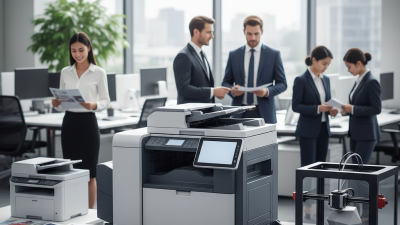
Picking the right printing machine can really make a difference in how smoothly your business runs and how much profit you can make. I mean, industry expert John Smith from PrintMax Technologies puts it pretty plainly: "Choosing the right Printing Equipment is key to growing your business." That really hits home for a lot of folks who’ve gone through the often confusing world of printing tech.
A Printing Machine isn’t just some gadget you buy—it's actually a pretty important part of your overall plan. Knowing exactly what your business needs is super important here. Different companies need different features—some might need stuff to be lightning-fast, while others care more about getting top-notch quality. Jumping into a decision without thinking it through could cost you big time. You gotta really look at what your operations require and figure out how a specific machine will fit into that picture.
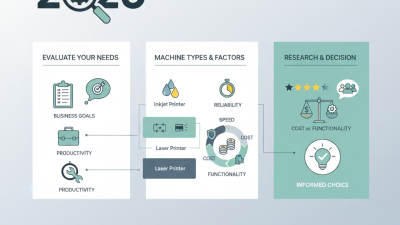
A lot of entrepreneurs tend to overlook the nitty-gritty of all The Printing Machines out there today. Things like how fast they print, what kinds of media they work with, and how much maintenance costs are, all matter a lot. It’s worth sitting down and weighing the long-term benefits against the initial costs. Remember, choosing the wrong machine could end up slowing down your growth instead of helping it grow. So, as you dive into this, make sure you give each option a good, careful look—don’t rush it.
Understanding Different Types of Printing Machines Available in the Market
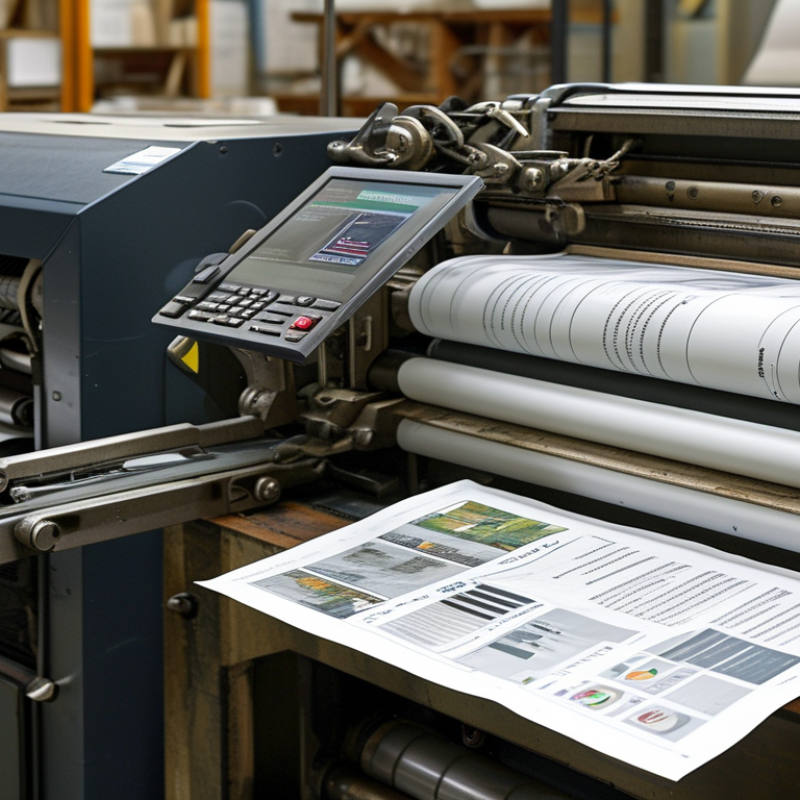
When selecting a Printing Machine for your business, it’s essential to understand the various types available in the market. Each type offers unique features and capabilities. For instance, inkjet printers are known for their vibrant color output and are ideal for detailed images. They work well for small to medium-sized jobs and are typically more affordable. However, they may not be as efficient for high-volume printing.
On the other hand, laser printers are better suited for businesses that need speed and efficiency. They excel at producing sharp text and can handle larger volumes without sacrificing quality. While the initial cost may be higher, the long-term savings on ink can make them a wise investment. Additionally, there are specialized printers like wide-format printers that cater to businesses needing large banners or posters. These may require more space and a bigger budget.
Understanding these distinctions is crucial. Some businesses might rush into a purchase, only to find the machine doesn't meet their needs. It’s worth reflecting on the specific requirements of your business. Consider factors like the type of materials you’ll be printing on and the estimated volume of your printing tasks. By assessing your unique situation, you can make a more informed decision that aligns with your business goals.
Key Factors to Consider When Choosing a Printing Machine
Choosing the right Printing Machine for your business can be challenging. There are several key factors to consider before making a decision. First, assess your specific printing needs. Are you printing labels, brochures, or large banners? Different machines cater to different requirements. The volume of prints you expect to produce is also crucial. A small business may not need a high-capacity model, while larger operations might.
Next, think about the types of materials you will be using. Not all machines handle every paper type or weight effectively. Research the capabilities of each Machine Printing Machine to ensure it accommodates your typical projects. Additionally, consider the quality of the prints. A higher resolution might be necessary for professional-grade marketing materials.
Investing in a reliable machine is vital. Look for user reviews and expert opinions to gauge performance. If possible, test the machine before committing. Keep in mind, a more complex Machine Printing Machine may require additional training for staff. Reflect on your team's technical skills when making this choice. Balancing functionality and ease of use is essential for long-term satisfaction.
Evaluating Your Business Needs for Printing Production Volume
When selecting a printing machine, understanding your production volume is crucial. Assess how many prints you require daily, weekly, or monthly. A small business may need fewer prints than a larger company. Think about your current and future needs. Sudden growth may require a quicker output, making flexibility essential.
A common mistake businesses make is underestimating their volume needs. If you expect to expand, invest in a machine that can accommodate future demands. Choose a model that can handle larger batches without sacrificing quality. For example, if your team prints promotional materials, consider how often you'll need new designs. This will help determine your printing frequency.
Evaluate maintenance costs as well. These are often overlooked but impact overall production capacity. A high-quality Machine Cutting Machine may have higher upfront costs but save you money over time. Reliability is vital; downtime can disrupt your operations. Always analyze how your printing needs might evolve. This foresight can improve your investment decision. With clear assessments, you can choose the ideal machine for your business.
Assessing the Budget for a Printing Machine Investment
Investing in a printing machine requires careful budget assessment. Determine your available funds before exploring options. Compare prices and features across various machines. Think about what specific functionalities your business needs. A lower upfront cost may not always mean savings in the long run. Maintenance and operational costs can add up.
Consider the volume of printing you expect. Higher production demands warrant more robust machines. However, if your needs are minimal, a less expensive model might suffice. It’s easy to underestimate costs related to supplies and maintenance. Being realistic about future growth will guide your decision.
Don’t forget hidden expenses that may surface later. Installation and training can be overlooked. Take time to reflect on your business model. It should align with the capabilities of the printing machine you choose. The right fit balances quality and cost-effectiveness while meeting your operational needs.
Researching Brands and Models for Reliability and Performance
Choosing the right printing machine involves careful research. Focus on reliability and performance. Industry reports indicate that around 47% of businesses experience production delays due to faulty machines. This highlights the importance of selecting a reliable brand. Reading user reviews can provide insights into real-world performance. The experiences shared can reveal common issues faced by users.
Consider the type of printing you plan to do. Different machines cater to diverse needs. Some specialize in high-volume jobs, while others excel in precision details. A recent study noted that quality prints directly influence customer satisfaction. Durable models often save money in the long run. They reduce maintenance costs and downtime.
Exploring specifications is crucial. Look at print speeds, input capacity, and finishing options. A machine may have impressive specs but may not perform well under pressure. Additionally, support and service options should be evaluated. A manufacturer with poor support can lead to frustration. Investing time in research helps mitigate potential challenges.
Comparing Cost of Ownership: Maintenance and Supplies
When considering a printing machine for your business, the cost of ownership is crucial. This includes maintenance and supplies. A machine may seem affordable initially, but hidden costs can arise. Regular maintenance is essential. It can prevent breakdowns and extend the machine’s lifespan. If a machine requires frequent repairs, overall costs can skyrocket.
Supplies like ink and paper also impact the budget. Some machines consume more ink than others. This can lead to increased expenses over time. Moreover, not all supplies are compatible with every machine. Finding the right balance between upfront costs and ongoing expenses is vital. Look for a Press Machine that offers a good compromise. Sometimes, a more expensive machine might save you money in the long run due to lower supply costs.
Be aware that every machine has its own quirks. Understanding these can help you make informed decisions. For instance, some machines may need specific cleaning supplies or tools for maintenance. Consider these factors when evaluating options. Choosing a Press Machine isn't just about the price tag; it's about the long-term investment. Evaluating all costs associated with ownership is key to making the right choice.
Seeking Recommendations and Reviews from Industry Peers
When selecting a printing machine for your business, insights from industry peers can be invaluable. Many professionals share their experiences in forums and social media groups. Their recommendations help you gauge the reliability of different machines. It can be helpful to read reviews about specific models in detail. Positive feedback often highlights durability and print quality.
Industry peers also discuss common challenges. One frequent concern is maintenance. Some printing machines require regular upkeep, which can impact productivity. This is where peer reviews shine; they often mention hidden costs that might not be obvious at first. Understanding these nuances can save time and money down the road.
Engaging with fellow business owners creates a community of support. Asking specific questions can lead to insightful answers. Are there particular features that others value? What issues have they faced? Networking and sharing knowledge could guide you toward the best printing machine for your needs. Remember, every choice has trade-offs. Consider these perspectives carefully as you forge ahead.
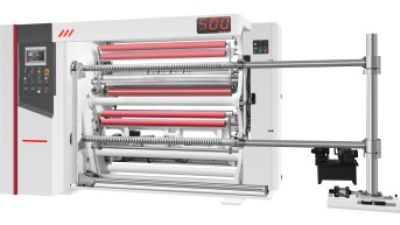
Enhancing Efficiency in Material Processing: Insights from Industry Reports on High-Speed Slitting Technology with JY-1600 Solutions
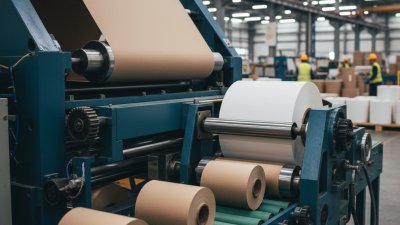
In the rapidly evolving landscape of material processing, enhancing efficiency through innovative technologies has become imperative for industries seeking to optimize productivity and reduce operational costs. High-speed slitting technology stands out as a vital advancement, significantly improving cutting precision and throughput. Recent industry reports indicate that the implementation of high-speed slitting solutions can increase productivity by up to 30%, allowing manufacturers to meet growing demands while maintaining quality standards.
At the forefront of this technological forefront, the JY-1600 solutions leverage advanced engineering to deliver superior performance in material processing. By integrating cutting-edge automation and enhanced blade dynamics, these systems not only improve the accuracy of slitting operations but also reduce waste, leading to a more sustainable production cycle. Reports suggest that factories adopting such systems have noted a 20% reduction in material waste, emphasizing the dual benefits of cost savings and environmental responsibility.
As a leading supplier, we are proud to present a premium collection of high-quality products crafted in China, harnessing the power of advanced technology and skilled craftsmanship. Our commitment to efficiency and sustainability ensures that our offerings meet global standards while minimizing environmental impacts. Partnering with trusted suppliers allows businesses to experience unmatched quality and service, positioning them competitively in the dynamic marketplace of material processing.
FAQS
: Inkjet printers are great for color images, while laser printers excel in speed and text quality.
They handle high volumes efficiently and save on ink costs over time.
Choosing the wrong type may lead to unmet business needs and wasted resources.
Their insights offer real experiences and highlight potential issues with specific models.
Some models need regular upkeep, which can slow down productivity.
Yes, these printers require significant space and a larger financial investment.
Reviews often detail unexpected expenses related to maintenance and supplies.
Inquire about their favorite features and any challenges they faced with their machines.
Yes, sharing knowledge can guide you towards making better choices.
Absolutely, each option may have benefits and drawbacks to consider carefully.
Conclusion
Choosing the right printing machine for your business involves a comprehensive understanding of the various types of machines available in the market. It is crucial to assess your specific printing needs, including production volume and the types of materials you will be working with. Additionally, budget considerations play a vital role in your decision-making process, as you will need to evaluate both the initial investment and the ongoing costs associated with maintenance and supplies.
Researching different brands and models is essential for ensuring reliability and optimal performance. By comparing the cost of ownership and seeking recommendations and reviews from industry peers, you can make a well-informed decision that aligns with your business requirements. Ultimately, selecting the best printing machine requires careful consideration of your unique needs and the overall value it will bring to your operations.

 Contact immediately

 Contact Phone
 Contact Email