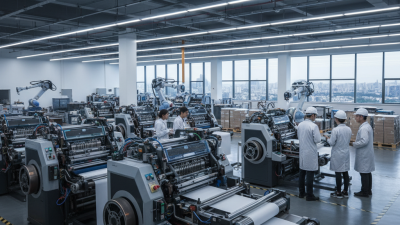
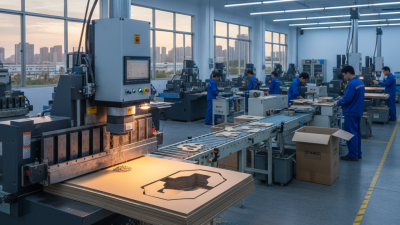
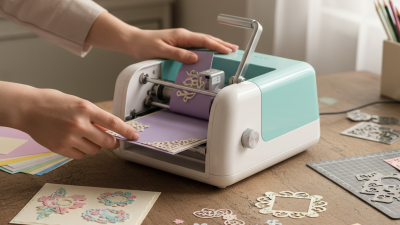
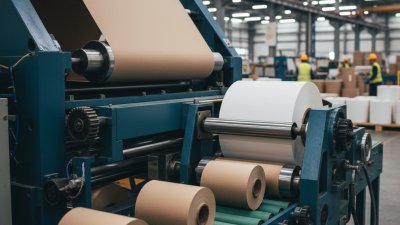
Picking the right Die Printing Machine is super important if you’re in the printing game. The right gear can really boost your efficiency and improve the quality of your products. But honestly, figuring out which one to go for isn’t always a walk in the park. There are a bunch of things you need to think about to make sure you're making a smart investment.
When you're on the hunt for a Die Printing Machine, take some time to really consider what you actually need. For example, what kinds of materials do you use most often? Are your designs pretty complicated? The machine you choose needs to be up to the task for both. It's easy to overlook these details, but skipping over them can lead to poor results down the line.
Also, don’t forget to do a bit of homework on the manufacturers. Some brands are known for great customer service and machine reliability, while others might not be as dependable. Quality is key, sure, but after-sales support is just as important. Going with a less reliable option can come back to bite you, trust me.
Take your time with this decision—no need to rush. Gather as much info as you can about different models and see what other users have experienced. That way, you’ll be more confident that your Printing Die Cutting Machine will really meet your expectations and suit your needs.
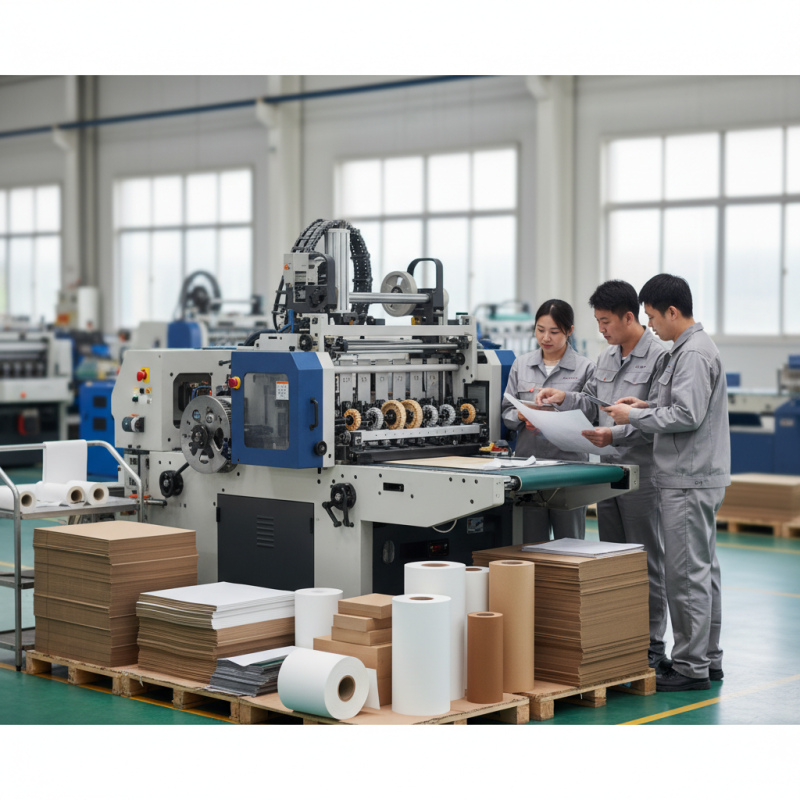
Understanding Die Printing Machines: Types and Functions
Die Printing Machines play a crucial role in various industries, including packaging and labeling. Understanding the different types is essential for making the right choice. There are several types, such as flatbed, rotary, and digital Die Printing machines. Each type offers unique benefits. Flatbed machines are versatile and ideal for thicker materials. Rotary machines excel in high-speed production, while digital machines provide precision and flexibility.
When choosing a die printing machine, consider your specific needs. For example, assess the materials you plan to use. Are they lightweight paper or heavy cardstock? This decision impacts machine selection. Also, evaluate your production volume. A lower volume might suit a smaller machine, while a higher demand calls for a robust solution. Balancing speed and quality is critical in this process.
It's also worth reflecting on maintenance and support. Some machines require regular upkeep, adding to long-term costs. Consider how often the machine will run, as that affects wear and tear. Additionally, the learning curve can vary significantly. Some machines are user-friendly, while others may require specialized training. Take time to weigh these factors carefully.
Comparison of Different Types of Die Printing Machines
Assessing Your Printing Volume and Requirements
When selecting a die printing machine, understanding your printing volume is crucial. A recent industry report indicates that companies with high output typically require machines capable of handling 10,000 to 50,000 impressions per day. For smaller operations, machines that support 500 to 5,000 impressions daily may suffice. Assessing your actual needs helps in making informed choices.
Tips: Always evaluate your current and future printing needs. Are you planning to expand? If so, choose a machine that can scale up efficiently.
The right machine should align with your production goals. If you produce specialized, low-volume prints, a high-capacity machine may be overkill. Conversely, if your volume is expected to grow, investing in a more robust machine now could be wise.
Tips: Stay updated with industry trends and forecasts. They can provide insights into potential increases in demand. Assess how seasonal fluctuations will affect your printing needs.
How to Choose the Best Die Printing Machine for Your Needs?
| Machine Model | Printing Volume | Print Quality (DPI) | Speed (sheets/hour) | Features |
| Model A | 1,000 sheets/month | 1200 DPI | 150 | Automatic registration, Eco-friendly ink |
| Model B | 5,000 sheets/month | 1800 DPI | 300 | High-speed printing, user-friendly interface |
| Model C | 10,000 sheets/month | 2400 DPI | 500 | Multi-color printing, low maintenance cost |
| Model D | 20,000 sheets/month | 300 DPI | 800 | Robust design, high durability |
Key Features to Look for in Die Printing Machines
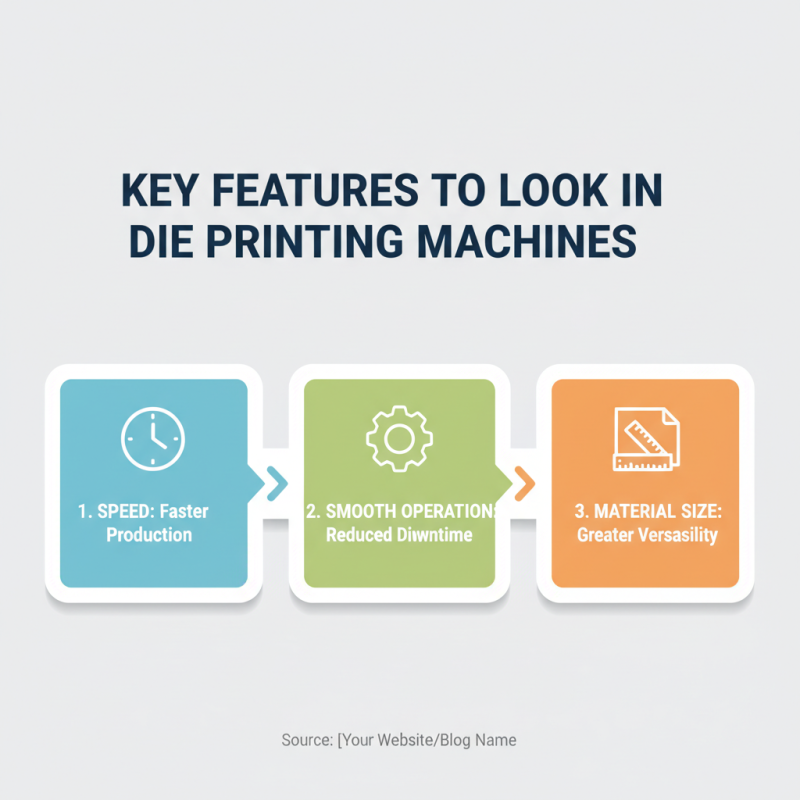
When choosing a die printing machine, several key features stand out. Start by considering the machine's speed. A faster machine can increase productivity. Look for a model that operates smoothly, reducing downtime during production. Also, check the size of the material it can handle. A larger range allows for more versatility in projects.
Another important feature is the precision of the cuts. A high-quality Die Cut Printing Machine should provide clean, sharp edges. This is essential for professional-looking products. Additionally, examine the user interface. An intuitive design can simplify operation. If the machine is complicated, it could lead to errors.
Material compatibility is also crucial. Ensure the machine can work with various substrates, from paper to cardstock. Some machines may struggle with certain materials. It’s worth reflecting on your specific needs before making a decision. A suitable die cut printing machine should align with your creative goals, balancing functionality and ease of use. Don’t overlook maintenance requirements either; choose one that offers easy upkeep to ensure longevity.
Evaluating Material Compatibility and Versatility
When choosing the best die printing machine, material compatibility is crucial. Different printing materials require specific machines for optimal performance. Paper, cardboard, and plastics each have unique properties. For instance, a machine that excels in printing on card stock may struggle with thin plastic films. This requires careful consideration of your primary materials.
Versatility is another critical factor. A machine that can handle various materials offers greater long-term value. It saves time and money when adjusting for different projects. However, machines that claim high versatility often don’t perform equally well across all materials. Users may need to experiment to find the best settings. This variability might lead to trial and error.
Reflect on the types of projects you tackle most often. If you frequently switch materials, invest in a more adaptable machine. If not, a simplified option may suffice. Ensure that the chosen machine can evolve with your business needs. Consider the feedback from other users but remain realistic. Not every machine guarantees perfect results for all substances. This uncertainty reminds us to assess both immediate benefits and potential challenges.
Budget Considerations: Cost vs. Value in Die Printing
When considering a die printing machine, budget plays a crucial role. The term "cost" often represents the initial purchase price. However, "value" encompasses overall performance and efficiency. A lower upfront price may lead to higher operational costs later. Finding the right balance is essential.
Flexo Printing And Die Cutting Machine options can vary widely in cost. A more expensive machine may cut down on waste while increasing speed. Think about the long-term savings. Maintenance costs should also be factored in. Some machines require frequent repairs, which can add up. Research different models to understand their quirks and flaws.
Investing in a die printing machine isn't just about a price tag. Consider what you need from the machine for your specific applications. Do you prioritize speed, precision, or versatility? Assess your production volume too. Sometimes, paying more upfront results in better quality, while cutting corners can backfire later. Reflect on what you truly need versus what seems appealing.
Brand Reputation and Customer Support Options
When selecting a die printing machine, brand reputation is crucial. A manufacturer with a strong track record often indicates reliability. According to a report by Smithers Pira, 70% of businesses consider brand reputation when investing in equipment. This reflects the weight of trust in the quality and durability of a Printing And Die Cutting Machine.
Customer support options play an integral role as well. Support after the purchase can make or break a company’s satisfaction ratings. A study from Technavio revealed that 60% of users prioritize responsive technical support. Buyers should seek manufacturers that offer comprehensive training and troubleshooting assistance. Poor support can lead to costly downtime.
Furthermore, it is important to acknowledge that no machine is perfect. Some may experience frequent maintenance issues or lack specific features. This highlights the necessity for realistic expectations. Every user should weigh the pros and cons before settling on a specific model. Balancing brand reputation with customer support options ensures a wise investment in the right Printing And Die Cutting Machine.
Maintenance and Technical Support for Die Printing Machines
Maintenance is crucial for the longevity of die printing machines. Regular servicing can prevent costly downtimes. According to industry reports, ineffective maintenance leads to a 30% increase in machinery failures. This statistic highlights the importance of scheduling routine checks.
Technical support should also be a major consideration when choosing a die printing machine. Many manufacturers offer various support options. The right choice can significantly affect production efficiency. A report from a leading market research agency states that 45% of businesses reported reduced downtime with prompt technical assistance.
Training on machine operation and maintenance is equally essential. Many organizations overlook this area, leading to operational inefficiencies. Proper knowledge about machinery can improve overall output by as much as 20%. When selecting a machine, consider how accessible support and training resources are. A lack of these can create unforeseen challenges down the road.
Enhancing Efficiency in Production: The Essential Role of Automatic Divider Machines in Modern Manufacturing
In today’s fast-paced manufacturing landscape, enhancing production efficiency is paramount for companies aiming to stay competitive. Automatic divider machines play a crucial role in this effort, particularly in sectors demanding precision and speed. The integration of advanced technologies in these machines not only optimizes the production workflow but also significantly reduces operational costs. According to a recent industry report, companies utilizing automated solutions have reported efficiency gains of up to 30%, showcasing the clear benefits of investing in modern machinery.
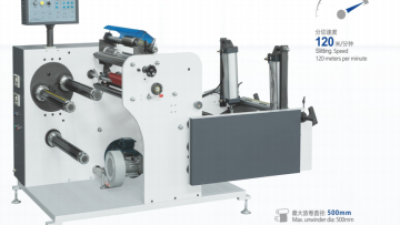
One standout solution is the JY-550 automatic slitting machine, which illustrates the advancements in this area. Designed for narrow-width paper cutting, it features automatic meter setting, automatic shutdown, and automatic deviation correction. Such functions streamline operations, allowing for quicker setup times and minimizing waste. The compact structure and high-speed capabilities ensure that manufacturers can meet increasing demand without compromising on quality. With the continuous push for increased uptime, the implementation of fully automatic machines has proven to be a game-changer, effectively addressing the complexities of modern production lines.
Moreover, these machines are equipped with advanced system components, such as high-end fully servo winding systems and precision alignment technologies, which significantly enhance the overall production process. With the capability of handling various specifications and operations seamlessly, manufacturers are not only able to maintain stringent quality standards but also increase their output efficiency. As reported in manufacturing analytics, the shift towards automation is essential, with projections indicating that automated production systems could account for over 50% of manufacturing processes within the next decade, underlining their indispensable role in enhancing production efficiency.
FAQS
: Consider both the initial purchase price and ongoing operational costs. Balance upfront costs with long-term performance.
A reliable brand often indicates durability and quality. Trust in a manufacturer can lead to better investment choices.
Responsive support can reduce downtime and enhance satisfaction. Lack of support can lead to costly issues later.
Regular maintenance can prevent failures and reduce costs. Neglecting maintenance can lead to significant downtime and repairs.
It depends on your specific applications. Consider production volume and the balance between speed and quality.
Proper training can improve output efficiency. Many fail to provide this, leading to unforeseen operational challenges.
Maintenance frequency, potential repairs, and material waste can all affect costs over time. Budget accordingly.
No, some may require frequent repairs or lack desired features. Understand the quirks of the models you consider.
Weigh brand reputation against customer support. Assess your actual needs carefully before making a decision.
Think about your production needs. Ensure you know what’s essential versus what might just be attractive.
Conclusion
Choosing the best Die Printing Machine requires a comprehensive understanding of the different types and functions available. Initially, it’s crucial to assess your specific printing volume and requirements to ensure the machine can meet your production demands. Key features such as speed, precision, and ease of use should be evaluated, along with material compatibility to ensure versatility in your printing projects.
Budget considerations play a significant role; understanding the balance between cost and value will aid in making an informed decision. Additionally, researching brand reputation and the quality of customer support can enhance your experience, as reliable maintenance and technical support are vital for the long-term operation of a Die Printing Machine. By carefully considering these factors, you can select a die printing solution that aligns with your business needs.

 Contact immediately

 Contact Phone
 Contact Email