Contact immediately


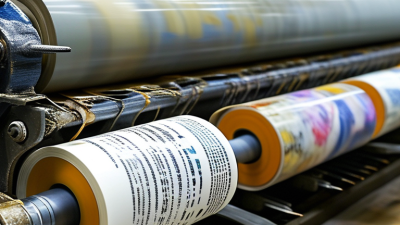
When you're trying to pick the best Roll Printing Machine, honestly, it all comes down to the material first—not whatever fancy brochure the machine comes with.
A packaging converter might need a very different setup than a textile printer, honestly. Film thickness, roll width, ink type, drying time, and how much you're running each day? They all play into the decision. And when you're looking at a Roll To Roll Printing Machine, it should actually fit your substrate and your production rhythm. It's not just about having the fastest speed on the spec sheet.
Here's the thing—experienced buyers usually want to see sample prints before they even get into contract talks. So ask the supplier to run your actual material. Then check the color consistency, registration accuracy, edge definition, and how it dries. Also pay attention to how fast the operators swap out rolls and clean the print units. Those little delays? They can get really expensive once you're in a long production run.
Energy use? Yeah, that's worth paying attention to as well. If you go with efficient dryers, they can help cut operating costs—especially when you're running long shifts. It's also a good idea to check things like spare-part availability, software support, safety guards, and operator training. Good suppliers tend to give you clear specs and realistic performance numbers. And checking independent references? That can uncover service issues that brochures almost never talk about.
Sure, budget matters. But purchase price? That's only one piece of the ownership puzzle. You've also got to think about ink consumption, maintenance, labor, waste, and how much downtime you can expect. A cheaper Roll Printing Machine can end up costing you way more if it's a pain to calibrate. And honestly, that's an assumption worth testing.
Honestly, no machine is going to be perfect for every factory. Specs can look great on paper, but then real production pressure hits—and suddenly they don’t hold up. So keep a little doubt in the back of your mind. Compare printed samples, check how it’s actually built, and ask for service promises in writing. At the end of the day, the best pick is the machine that keeps performing reliably, safely, and cost-effectively in your own workflow.
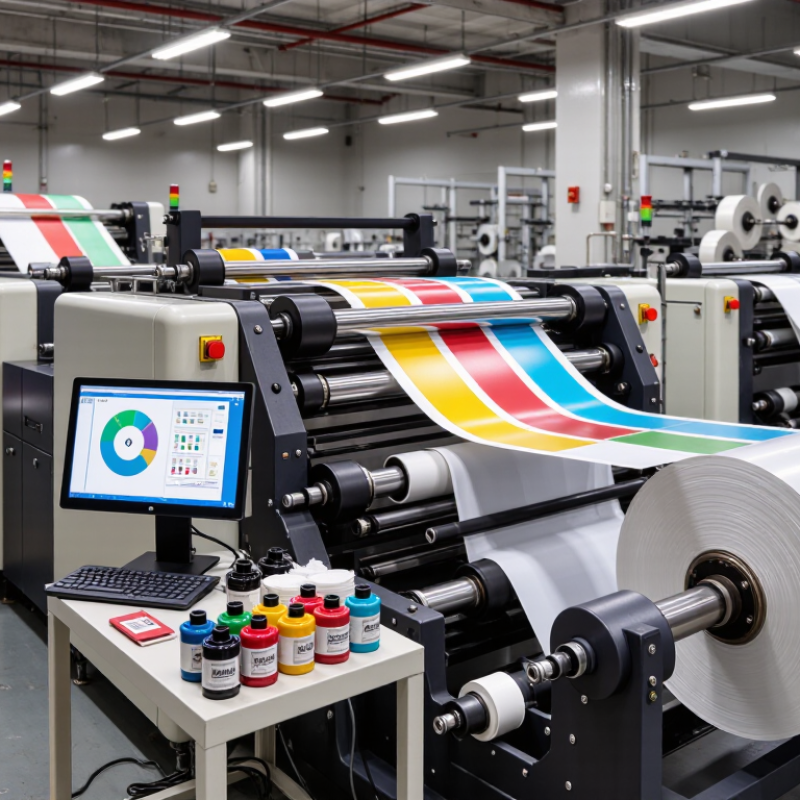
Choosing the Best Roll Printing Machine starts with a clear definition of your production requirements. Measure the widest material, average roll length, and monthly output. Record the substrates you actually use, including paper, film, fabric, or coated materials. Ink compatibility matters because surface treatment can change drying speed and color stability.
Set practical production goals before comparing machine specifications. A Roll To Roll Digital Printing Machine may support fast continuous printing, but speed alone does not guarantee profit. Calculate target meters per hour, acceptable waste, setup time, and required resolution. Consider whether you produce short custom runs, long repeat orders, or both. Measure twice.
From my experience, operators often underestimate finishing requirements. A narrow roll may print well but create problems during rewinding, cutting, or laminating. Leave enough floor space for loading, inspection, ventilation, and maintenance access. Ask suppliers for sample tests using your real material and artwork. Check color consistency across a full roll, not only a small sheet. Review operator training, spare parts availability, and service response times. These details influence uptime more than impressive showroom demonstrations. I have seen promising estimates fail when cleaning routines were ignored. Build a simple trial schedule, document defects, and revise the target output after observing actual production conditions. Also confirm electrical, environmental, and workplace requirements under applicable local regulations.
Roll Printing Machines handle continuous materials such as paper, film, foil, and labels. Their design strongly affects print quality, speed, waste, and operating costs. The main types include flexographic, gravure, digital inkjet, and screen Roll Printing Machines.
Flexographic Machines use flexible plates and fast-drying inks. They suit packaging, labels, and long production runs.
Gravure machines use engraved cylinders, producing rich color and smooth solid areas. However, cylinder preparation can increase setup time and expense.
Digital inkjet machines print directly from a file without plates. They work well for short runs, variable data, and frequent artwork changes.
Screen roll Printing Machines push thicker ink through a mesh. They are useful when strong coverage or raised effects matter.
Each type has practical limits. A flexographic machine may waste material during color registration adjustments. Gravure can become inefficient when the order changes often. Digital systems may require careful ink and substrate matching. Screen printing is slower and needs close control of ink viscosity. It is not effortless.
Check the material width, roll diameter, drying method, color count, and expected monthly output. Ask for printed samples using your actual substrate. Inspect small text, solid blocks, edge sharpness, and winding tension. Operators should also review cleaning access and maintenance records. I would not choose a machine from speed alone. A fast press with unstable tension can create costly defects. One detail is often overlooked: floor space for roll loading and safe material movement.
How to Choose the Best Roll Printing Machine?
Printing quality should be judged on real rolls, not attractive sample sheets. Check fine text, solid colors, gradients, and registration at production speed. A 0.5 mm shift can spoil a barcode or weaken shelf appeal. The ISO 12647-2 standard provides useful process targets, but each substrate still requires testing. Measure dot gain, color variation, drying, and rewind tension. Perfect samples can hide unstable machine settings.
Speed needs a practical calculation. A machine rated at 80 meters per minute may run slower after setup, cleaning, and roll changes. Smithers’ The Future of Digital Print for Packaging to 2028 forecasts strong growth in digital packaging print, reaching about 36.9 billion US dollars by 2028. That growth increases pressure for shorter runs and faster changeovers. Ask for measured output, not the headline speed. Include waste.
Material compatibility is equally important. Test coated paper, uncoated paper, films, foil structures, and heat-sensitive materials with your actual inks and finishing steps. The substrate must accept ink evenly and remain stable during drying. A wrong tension setting can create wrinkles within minutes. I have seen a visually sharp print fail after lamination because adhesion was never tested. That mistake is easy to repeat. Request a documented trial report showing print quality, usable speed, drying results, and waste for every target material.
Comparison of typical print quality, production speed, and substrate compatibility across common roll-to-roll printing processes.
Print quality is represented by typical maximum line screen, speed is shown in meters per minute, and material compatibility indicates the number of common substrate families typically supported in production. Actual results vary with ink, curing, web width, drying, and finishing requirements.
Choosing the best Roll Printing Machine starts with practical production needs, not impressive specifications. Check the maximum roll width, printing speed, material compatibility, and drying method. A machine should handle your regular substrates without constant adjustments. Ask for sample testing before purchase. Watch the printed roll closely for color variation, wrinkles, or uneven tension. Small defects often become expensive waste during long runs.
Automation can improve consistency and reduce operator fatigue. Look for automatic tension control, guided material loading, real-time error alerts, and recipe storage. A clear touchscreen matters when operators work under pressure. However, more automation is not always better. Complex menus may slow training and create avoidable mistakes.
Test common tasks, such as changing a roll or adjusting registration. Can a new operator understand them quickly? I once underestimated setup time because the machine looked simple. That was a useful lesson.
Tips: Compare actual output, not advertised speed. Request a live demonstration using your material. Check cleaning access, spare-part availability, and service response times. Inspect emergency stops and guarding carefully. Reliable safety features support stable daily work. Leave space around the machine for loading, inspection, and maintenance. A compact layout may save floor area but restrict movement. Choose controls that feel natural, even if they seem less advanced. Track setup minutes, waste levels, and operator feedback during testing. Those details reveal whether the Roll Printing Machine truly fits your workflow.
Choosing the best roll printing machine starts with its maintenance demands. A fast machine is not useful when cleaning takes hours. Inspect the unwind rollers, print heads, sensors, and cutting unit before purchase. Ask how often each part needs adjustment or replacement.
I once underestimated adhesive buildup around a Label Sticker Roll feeder. The machine still ran, but alignment became inconsistent. That small issue caused wasted material and slower production. Look for tool-free access, clear maintenance instructions, and removable covers. Keep a simple service log. It reveals repeated faults that memory often misses.
Safety standards deserve equal attention. Guards should cover moving rollers, while emergency stops must be easy to reach. Check electrical protection, warning labels, and compatibility with local workplace requirements. Lockout procedures should be practical, not just printed in a manual. Technical support also matters. Confirm response times, remote troubleshooting, training options, and spare-part availability. A knowledgeable technician can prevent a minor sensor fault from becoming a costly shutdown. Still, support promises can sound better than reality. Request written service terms and test the help channel before ordering.
How to Choose the Best Roll Printing Machine?
The purchase price rarely shows the machine’s real financial impact. Calculate total cost over five years, not just the invoice amount. Include installation, operator training, electricity, software, spare parts, and maintenance visits. A cheaper machine may consume more material through setup waste and inaccurate cutting.
My first estimate was too optimistic. I ignored downtime during blade replacement and underestimated the cost of rejected rolls. A Label Roll Cutter should be evaluated through practical testing. Ask for sample production using your actual labels, roll widths, adhesive types, and daily volume. Measure setup time, cutting accuracy, waste percentage, noise, and cleaning effort. Record every result.
Look closely at service reliability. Written maintenance intervals, accessible components, and available replacement parts can protect long-term value. Calculate annual net benefit by subtracting operating costs from added production profit. Then divide the machine’s total ownership cost by that annual benefit to estimate the payback period. For example, a machine costing 24,000 dollars with 8,000 dollars in annual savings has a three-year payback. That number can change quickly when labor costs or production volume shifts. It deserves review.
Do not trust a perfect spreadsheet. Test real workloads. Speak with experienced operators, inspect safety documentation, and request clear warranty terms. A dependable machine should reduce repeated manual handling while maintaining consistent output across ordinary production days, not only during a controlled demonstration.
| Machine Category | Typical Purchase Price (USD) | Installation & Training (USD) | Maximum Web Width (mm) | Rated Speed (m/min) | Expected Annual Output (m) | Average Power Demand (kW) | Annual Maintenance (USD) | Expected Service Life (years) | Five-Year TCO (USD) | Estimated Payback (years) | Five-Year ROI |
|---|---|---|---|---|---|---|---|---|---|---|---|
| Entry-Level Roll Printer | $75,000 | $10,000 | 1,600 | 18–30 | 1,200,000 | 12–20 | $4,500 | 7–10 | $382,500 | 1.4 | 256% |
| Mid-Range Production Printer | $180,000 | $20,000 | 1,800 | 35–55 | 2,400,000 | 25–40 | $10,000 | 8–12 | $620,000 | 1.3 | 290% |
| High-Production Roll Printer | $420,000 | $40,000 | 2,500 | 60–90 | 4,800,000 | 45–70 | $22,000 | 10–14 | $1,140,000 | 1.2 | 326% |
| Industrial High-Speed Printer | $850,000 | $75,000 | 3,200 | 90–150 | 8,000,000 | 80–130 | $40,000 | 12–15 | $2,000,000 | 1.2 | 302% |
Calculation Basis
Five-year TCO includes purchase price, installation and training, five years of maintenance, electricity, and operator labor. It excludes financing costs, taxes, building costs, substrate, ink, and finishing equipment.
The estimates assume 4,000 productive operating hours per year, 80% average utilization, electricity at $0.12 per kWh, and a contribution margin of $0.10–$0.12 per printed meter after variable materials and consumables.
Payback period = initial investment ÷ estimated annual net benefit. Five-year ROI = (five-year cumulative net benefit − initial investment) ÷ initial investment × 100. Actual results depend on machine configuration, production mix, labor rates, utilization, service contracts, and local energy prices.
China’s flexographic printing machine sector is gaining attention for its combination of manufacturing capacity, competitive pricing, and continuous technical development. Insights from leading market research reports indicate that demand is being supported by growing packaging production, shorter delivery expectations, and the need for efficient printing solutions. Chinese suppliers are responding with modern flexographic presses designed for flexible packaging, paper products, labels, and other industrial applications.
Our machines are sourced directly from carefully selected Chinese manufacturers with experience in producing equipment for international markets. They are built with durable components, precise control systems, reliable drying units, and user-friendly operating interfaces. Depending on production requirements, available configurations may include different printing colors, web widths, automation levels, and substrate-handling options. These machines are developed to support stable print quality, reduced material waste, and efficient operation across varied production environments.
Working with trusted factory partners also enables flexible customization, quality inspection, and responsive technical support. Each product is evaluated according to practical performance, construction quality, and applicable international standards before shipment. By combining factory-direct sourcing with competitive pricing, we provide dependable flexographic printing solutions for businesses seeking improved productivity and long-term value.
Measure maximum material width, average roll length, and monthly output. Record paper, film, fabric, and coated substrates. Measure twice.
No. Compare actual meters per hour with setup time, waste, drying, and finishing needs. A fast machine can lose money when rewinding creates defects.
Ink behavior changes with surface treatment and substrate type. Request a full-roll test using your artwork. Inspect color consistency, wrinkles, tension, and drying.
Automatic tension control, guided loading, alerts, and recipe storage can improve consistency. Test roll changes and registration adjustments. Fancy menus may slow new operators.
Leave room for loading, inspection, ventilation, maintenance, and movement. A compact layout may save space but restrict access. Measure the floor twice.
Check rollers, print heads, sensors, feeders, and cutting units. Ask about replacement intervals and cleaning time. Adhesive buildup once caused alignment problems for me.
Confirm guards, reachable emergency stops, electrical protection, warning labels, and practical lockout procedures. Requirements vary locally. Verify applicable workplace rules.
Ask for written response times, training options, remote troubleshooting, and spare-part availability. Test the help channel before ordering. Promises need proof.
Choosing the right Roll Printing Machine begins with a clear understanding of your production requirements, including print volume, media type, design complexity, and expected growth. Different machine types offer different advantages, so it is important to compare print quality, operating speed, resolution, and compatibility with materials such as paper, film, fabric, or specialty substrates. These factors should be matched with your intended applications and quality standards.
You should also evaluate essential features such as automation, digital controls, workflow integration, user-friendliness, and setup time. Reliable safety systems, simple maintenance procedures, available spare parts, and responsive technical support can significantly reduce downtime. Finally, look beyond the initial purchase price by calculating operating costs, energy use, consumables, maintenance, productivity, and potential revenue. A machine that offers consistent performance, flexible operation, and strong long-term reliability may deliver better value and return on investment than a cheaper option with limited capabilities.