inquiry
Leave Your Message
0%

Picking the right Slitting Rewinding Machine really makes a difference in how smoothly your production runs. With so many options out there, it’s important to really get a handle on what your particular needs are. This choice can totally influence your workflow and the quality of your finished products.

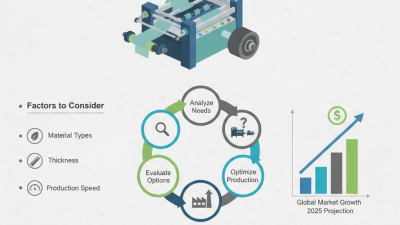
Experts usually recommend taking a close look at the materials you're working with. Different machines perform better with specific substrates, so it's worth considering that. Oh, and don’t forget to think about your desired production speed—going for a machine that matches your pace helps keep everything consistent and top-notch.

Also, make sure to check out the availability of technical support and service from the manufacturer. Brands like ABC Machinery are known for offering solid support, whether it’s help with installation or maintenance down the line. Even the best machines can have their hiccups, so having a reliable partner really makes life easier. When you consider all these factors, you'll be in a better spot to make a smart, confident decision that suits your needs perfectly.
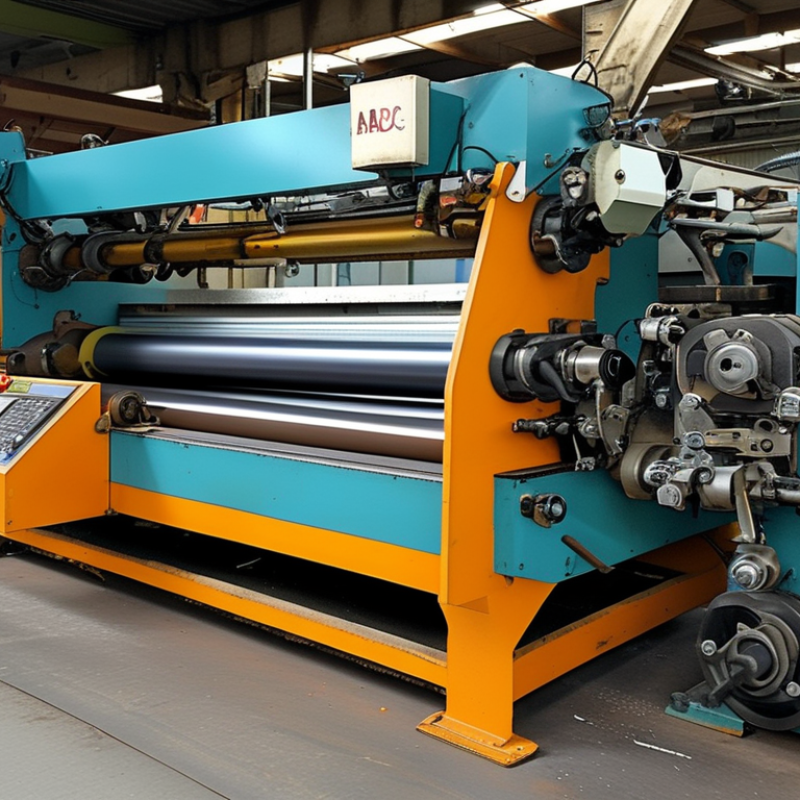
How to Choose the Best Slitting Rewinding Machine for Your Needs?

Understanding the Functionality of Slitting Rewinding Machines

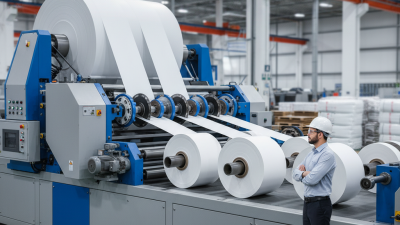
Slitting Rewinding Machines play a crucial role in various industries, especially in packaging and printing. Understanding their functionality can help businesses make informed decisions. These machines cut large rolls of material into narrower ones, ideal for various applications. The process often involves multiple blades working together to achieve precise cuts. Operators should pay attention to blade sharpness and alignment, as these factors directly affect the quality of the final product.

When selecting a Slitting Rewinding Machine, consider the materials you'll be working with. Different materials require different adjustments in speed and tension. Some machines are designed for films, while others may suit thicker substrates. It’s essential to reflect on your operational needs and equipment compatibility. Regular maintenance is vital to ensure the longevity and efficiency of the machine. Over time, even the best machines may require adjustments or part replacements.

Efficiency can be improved through proper training of the operators. Skilled personnel will understand fine adjustments and settings, leading to optimal performance. Sometimes, trial and error is unavoidable. However, learning from these experiences is beneficial in the long run. Keeping an open line of communication with your team can provide new insights into machine performance and areas needing improvement.

How to Choose the Best Slitting Rewinding Machine for Your Needs?

Feature Description Importance
Cutting Width The maximum width of the material that can be processed. Crucial for determining the types of materials that can be slitted.
Speed The operational speed of the machine in meters per minute. High speed can increase productivity significantly.
Material Types Types of materials the machine can handle, such as film, paper, or foil. Important for specialized applications.
Slitting Technology Technology used for cutting, e.g., rotary, shear. Affects cut quality and efficiency.
Rewinding Options Different configurations for rewinding, including single or dual rewinding. Affects the final product handling.
Control Systems Automation level and user interface features. Impact on operational ease and precision.
Maintenance Requirements Frequency and complexity of maintenance tasks. Important for long-term operational costs.

Identifying Your Specific Industrial Needs and Requirements

Choosing the right Slitting Rewinding Machine begins with understanding your specific industrial needs. Analyze the type of materials you'll handle. Consider the widths and thicknesses of the substrates. This will directly impact the machine specifications, such as blade type and speed. Know your production volume. A machine that handles high capacity might be essential for large operations, while smaller businesses may benefit from a more compact model.

Understanding the functions that are critical for your processes is key. Does your operation require a standard slitting process, or do you need additional features like embossing or coating capabilities? Be clear about what you truly need. Sometimes, the latest technology may seem appealing, but it might exceed your actual requirements.

Evaluate the flexibility of the Slitting Rewinding Machine. It should adapt to varying production runs. Consider ease of operation and maintenance. User-friendly controls can reduce training time for staff. Reflect on the initial investment versus long-term benefits. This process might lead to frustration, yet it ensures you make an informed decision that meets your demands effectively.

How to Choose the Best Slitting Rewinding Machine for Your Needs?

This chart displays key features to consider when selecting the best slitting rewinding machine for your specific needs. The features include speed, width range, core size, weight, and price.

Evaluating Different Types of Slitting Rewinding Machines Available

Choosing the right slitting rewinding machine involves understanding the different types available on the market. Each machine type serves various functions, depending on material and production needs. For instance, conventional machines are versatile and cost-effective, ideal for many applications. Rotogravure and flexographic machines, on the other hand, excel in high-speed printing and consistent quality but may require a higher investment.

The choice also hinges on the specific materials being processed. If working with thin films, a machine with precise tension control is vital to avoid waste and defects. Machines designed for thicker materials often offer enhanced durability and stitching features. The level of automation can vary, where fully automated systems reduce labor costs but may necessitate more technical expertise for operation and maintenance.

While it's essential to evaluate features rigorously, consider practical limitations too. Not all advanced features may be necessary for every operation. Over-specifying can lead to underutilization and cost inefficiencies. Reflect on your production goals and existing capabilities when selecting a machine, as this insight may guide you toward a better fit for your needs.

Key Features to Look for in a Slitting Rewinding Machine

When selecting a slitting rewinding machine, consider essential features that suit your production requirements. The machine's versatility is crucial. Look for adjustable slitting widths and the ability to handle various materials. This flexibility enhances your operational efficiency.
Precision is vital in slitting processes. A reliable machine should ensure accurate cuts, minimizing waste. High-speed capabilities can increase productivity, but balance speed with precision. Too fast might compromise cut quality.

User-friendly controls can significantly improve workflow. Machines with intuitive interfaces allow for easier operation and training. Consider maintenance requirements as well. A reliable machine often has accessible parts, making repairs straightforward. This aspect can save time and costs in your production line. Reflecting on your needs will guide your choice effectively.

Assessing the Quality and Performance of Various Brands

When assessing the quality and performance of slitting rewinding machines, it's crucial to consider several factors. One significant aspect is the machine's precision. Reports indicate that accurate tension control can maintain material integrity and reduce waste by over 20%. Quality machines often include advanced sensors that monitor the web tension efficiently.

Another factor is the durability of the components used in the machine's construction. High-quality parts can significantly impact the machine's lifespan. A machine running consistently at peak performance can improve overall productivity. Some studies suggest that well-maintained machines can enhance production rates by up to 30%.

Ensuring that the machine has a user-friendly interface is vital. This impacts not just operation but also the training time needed for staff. Operator-centric designs can reduce errors during setup and operation. Seek machines with well-documented manuals and responsive customer support.

Considering maintenance is another critical point. Machines that require frequent service can quickly become a liability. Failing to predict these needs can lead to unexpected downtime, affecting production schedules. Analyze reviews and data from past users before making a purchase. Doing so can save time and resources in the long run.

Comparing Costs and Budget Considerations for Acquisition

When selecting a slitting rewinding machine, cost and budget considerations are critical. According to industry reports, the acquisition cost can range from $20,000 to $200,000, depending on machine specifications and capabilities. Basic models may suffice for small operations, while larger enterprises may require advanced features. It's essential to analyze the specific needs of your workflow.

Operational costs also play a significant role in long-term budgeting. Maintenance expenses for these machines can add up. Regular servicing is necessary to ensure optimal performance. Some estimates suggest maintenance can account for 10-15% of total operating costs annually. This is where many businesses overlook hidden expenses. A thorough understanding of these costs can prevent budgeting pitfalls.

Moreover, consider the energy consumption of different machines. Energy-efficient models may have a higher initial cost but can save money over time through reduced energy bills. Various studies indicate that energy-efficient machines can decrease operational costs by 20% or more. Investing in a machine with lower lifecycle costs can benefit your financial plans significantly. However, evaluating the total cost of ownership is often complex, leading to challenges in decision-making.

Maintenance and Support Services After Purchase

When choosing a slitting rewinding machine, consider the importance of maintenance and support services. A reliable support framework can deeply influence your operational efficiency. Regular maintenance plays a crucial role in prolonging the lifespan of your equipment. Check if the manufacturer provides comprehensive training for your team. It's essential that they understand the machine’s requirements.

After purchase, evaluate the availability of spare parts. It can be frustrating if parts are hard to come by when repairs are needed. You may find that some manufacturers have slower response times. This can impact your production schedules. Investigate the warranty options as well. A robust warranty can save costs in the long run.

Support services should be ongoing. Manufacturers offering remote assistance or troubleshooting help can offer significant advantages. It’s a missed opportunity if you neglect to ask about these services. Regular check-ups can prevent minor issues from becoming major problems. Investing in a machine that comes with excellent post-purchase support can ensure higher returns and smoother operations. Consider communication channels as part of your decision-making. Make sure you can easily reach out for help when needed.

FAQS

: What is the primary function of slitting rewinding machines?

: These machines cut large rolls of material into narrower ones for packaging and printing.

Why is blade sharpness important?

Blade sharpness affects the quality of the final product. Dull blades can lead to uneven cuts.

How do material types impact machine selection?

Different materials require specific adjustments in speed and tension for effective cutting.

What maintenance practices are necessary?

Regular maintenance ensures machine longevity. Adjustments or part replacements may be needed over time.

Can operator training improve machine efficiency?

Yes, skilled operators can make fine adjustments that enhance performance and reduce waste.

What types of slitting rewinding machines are available?

There are conventional, rotogravure, and flexographic machines, each suited for different applications.

How does automation affect operation?

Fully automated systems reduce labor costs but may require more technical expertise for operation.

What should be avoided when selecting a machine?

Over-specifying features can lead to underutilization. Focus on what is really needed for your operation.

How can communication impact performance?

Open communication with the team can reveal insights into machine performance and areas for improvement.

Is trial and error part of using these machines?

Yes, trial and error can happen. Learning from mistakes is important for future success.

Conclusion

When selecting the best Slitting Rewinding Machine for your industrial needs, it's essential to first understand its functionality and how it fits within your production processes. Assessing your specific requirements will guide you in evaluating the various types of machines available, from our analysis of key features to the quality and performance attributes that differentiate them.

Additionally, comparing costs is crucial, as you will need to balance your budget with the expected output and reliability. It’s also vital to consider the maintenance and support services offered post-purchase, ensuring that your investment not only meets current needs but remains operational over time. By thoroughly examining these factors, you can confidently choose a Slitting Rewinding Machine that aligns with your operational goals.
Oliver

Oliver

Oliver is a dedicated marketing professional at Jinyuan Mechanical, a leader in the field of slitting and rewinding equipment solutions. With a strong background in technical R&D, production, and sales, Oliver possesses an exceptional level of expertise in the company's products. He is committed to......
Previous How to Choose the Best Printing Machine for Your Business?