inquiry
Leave Your Message
0%

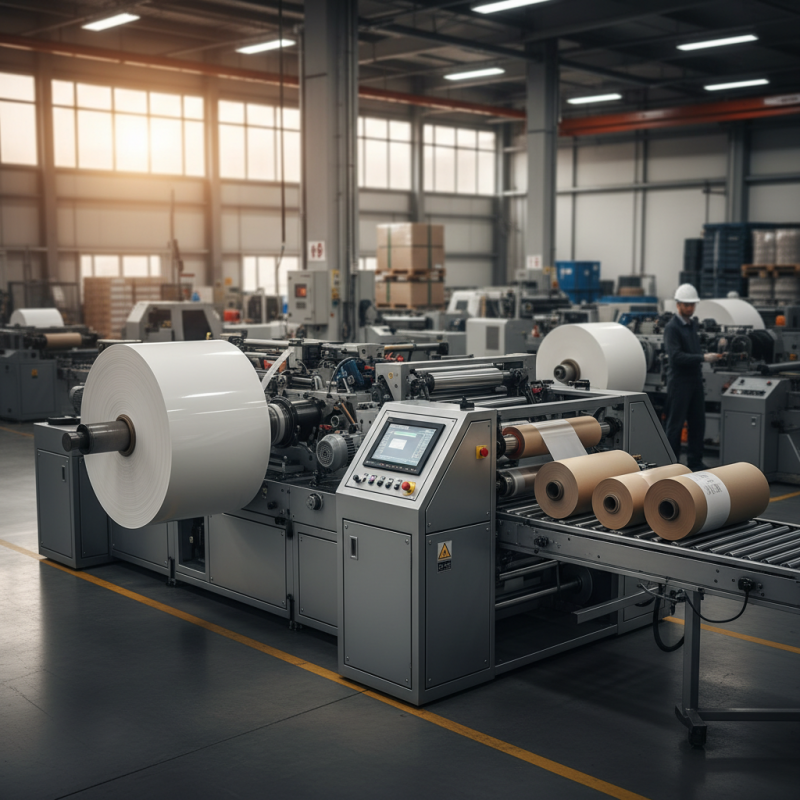
When you're on the hunt for a Slitting Rewinding Machine, it's really important to understand what you actually need. I mean, according to a recent report by Smithers Pira, the global market for slitting and rewinding equipment is expected to hit around $1.2 billion by 2025. That’s pretty huge and just goes to show how crucial it is to pick the right machine to keep things efficient and productive across different industries.

Industry veteran John Carter, who’s a top consultant at WrapTech Solutions, puts it simply: "Choosing the right Slitting Rewinding Machine can seriously boost your production capabilities." His advice really hits home—it’s all about being thoughtful when investing in this kind of gear. Things like the type of material you’re working with, the machine’s speed, and how precise it needs to be, all matter a lot in making the best choice.

Getting a good grasp of these factors doesn’t just help you pick the right machine — it can also save you a ton of money in the long run. Still, a lot of companies kind of overlook their unique needs, which often leads to less-than-ideal results. Taking a moment to really think about what you need can make a big difference in boosting your efficiency with the right Slitting Rewinding Machine.
How to Choose the Best Slitting Rewinding Machine for Your Needs?

Understanding the Different Types of Slitting Rewinding Machines

When selecting the right Slitting And Rewinding Machine, understanding the different types available is crucial. There are basic models, which are simple and cost-effective, suitable for low-volume production. Advanced machines offer additional features like electronic tension control and programmable operation, targeting high precision and efficiency. Research indicates that 30% of manufacturers prefer high-end models for their flexibility and speed.

Slitting And Rewinding Machines can be categorized based on their application. For example,rotary slitting machines are ideal for cutting films and laminates, while shear slitting offers a clean edge on thicker materials. According to a market analysis by a leading industry report, the demand for high-speed, versatile machines is expected to grow by 6% annually. This reflects a shift towards automation and customization in the slitting process.

Choosing the right machine involves assessing your production needs. Factors like material type, thickness, and desired output can complicate your decision. Many companies overlook the total cost of ownership, which includes maintenance and operation. Some might find that while a cheaper machine appears appealing, it incurs higher operational costs in the long run. This complexity highlights the importance of careful evaluation before making a purchase.

Key Features to Consider When Selecting a Slitting Rewinding Machine

When selecting a Slitting Rewinding Machine, several key features demand your attention. One critical aspect is the machine's cutting precision. Look for models that offer adjustable slitting widths. Accuracy in slitting minimizes waste and enhances the quality of finished products. Operators should ensure that the machine's setup allows for quick adjustments to accommodate varying materials.

Another vital factor is the speed of the rewinding process. High-speed machines can significantly boost productivity. However, speed should not compromise output quality. For heavy-duty applications, consider machines that can handle thicker materials without faltering. Your choice should reflect the average workload, aiming for a balance between capacity and reliability.

Durability is also paramount. Machines should withstand prolonged use without frequent breakdowns. Check the construction materials and maintenance requirements. Consistent upkeep can extend the machine's lifespan, making it a sound investment. However, remember that all machines require a learning curve for optimal operation. Take time to train operators to maximize efficiency and reduce errors. This consideration is essential for achieving the best results in your production line.

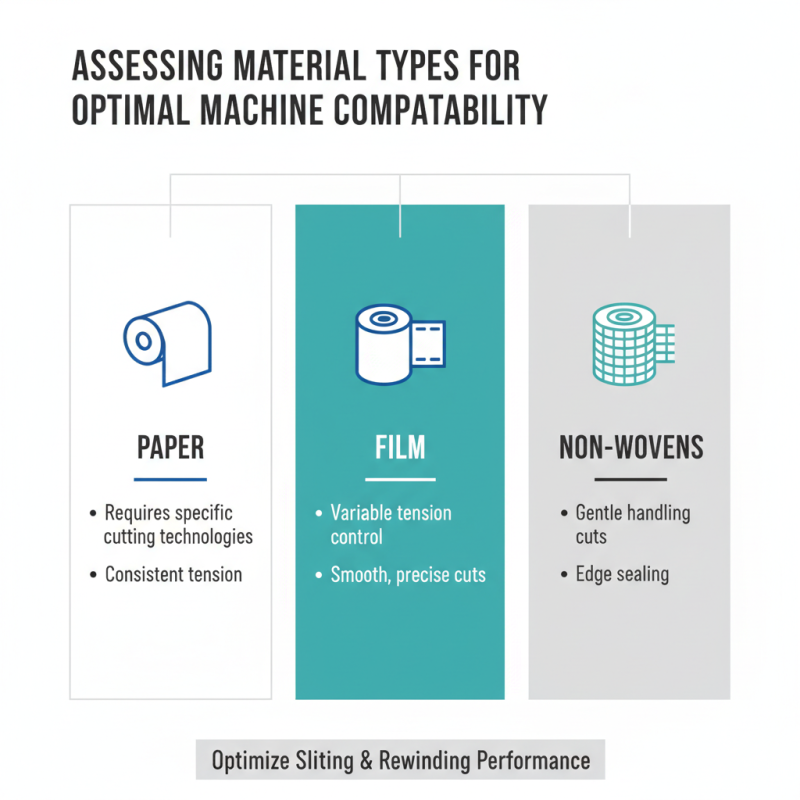
Assessing Your Material Types for Optimal Machine Compatibility

How to Choose the Best Slitting Rewinding Machine for Your Needs?

When selecting a Slitting Rewinding Machine, it's essential to consider the types of materials you'll be working with. Different materials, such as paper, film, and non-wovens, have unique properties that affect the machine's performance. According to industry reports, film materials require machines that handle different tension settings, while paper may need specific cutting technologies. Understanding these requirements can help ensure optimal performance.

Assessing your material types can prevent costly mistakes in the future. The machinery must be compatible with the thickness and density of the materials you intend to use. A study indicated that improper compatibility can lead to a 20% increase in waste when slitting film materials. Additionally, machine settings may need adjustment when switching between material types. This is an area that should not be overlooked, as minor inconsistencies can significantly impact efficiency.

Moreover, consider the processing speed and ease of adjustments for varying materials. Not all machines provide flexible setups to accommodate different materials quickly. Reports have shown that facilities that fail to adapt their machines to diverse material types often struggle with downtime and operational inefficiencies. Reflecting on these factors can guide you toward making a more informed decision.

Evaluating Production Speed and Efficiency Requirements

When evaluating production speed and efficiency for a slitting rewinding machine, it's essential to focus on your specific needs. A machine that operates at high speeds may seem attractive, but it’s vital to analyze the actual requirements of your production line. If your product's quality diminishes at higher speeds, it may not be worth it. Balancing speed with precision is critical.

Another point to consider is the material you are working with. Different materials, such as paper or films, react differently under various speeds. The right Paper Slitting And Rewinding Machine should accommodate these differences effectively. Sometimes, a slower machine allows for better handling and reduces waste. It's essential to monitor production rates regularly to adapt to any inefficiencies.

Moreover, the overall efficiency of the machine involves not only its speed but also its setup time and ease of operation. A machine that takes longer to set up might hinder productivity despite a high operational speed. Ensure that maintenance and operational ease factor into your decision as well. An efficient setup can often lead to enhanced speed in the long run, leading to a more productive manufacturing process.

How to Choose the Best Slitting Rewinding Machine for Your Needs?

Machine Model Production Speed (m/min) Max Width (mm) Core Diameter (mm) Efficiency Rating (%)
Model A 300 1600 76 90
Model B 350 1800 76 92
Model C 400 2000 76 95
Model D 250 1500 76 88
Model E 320 1700 76 91

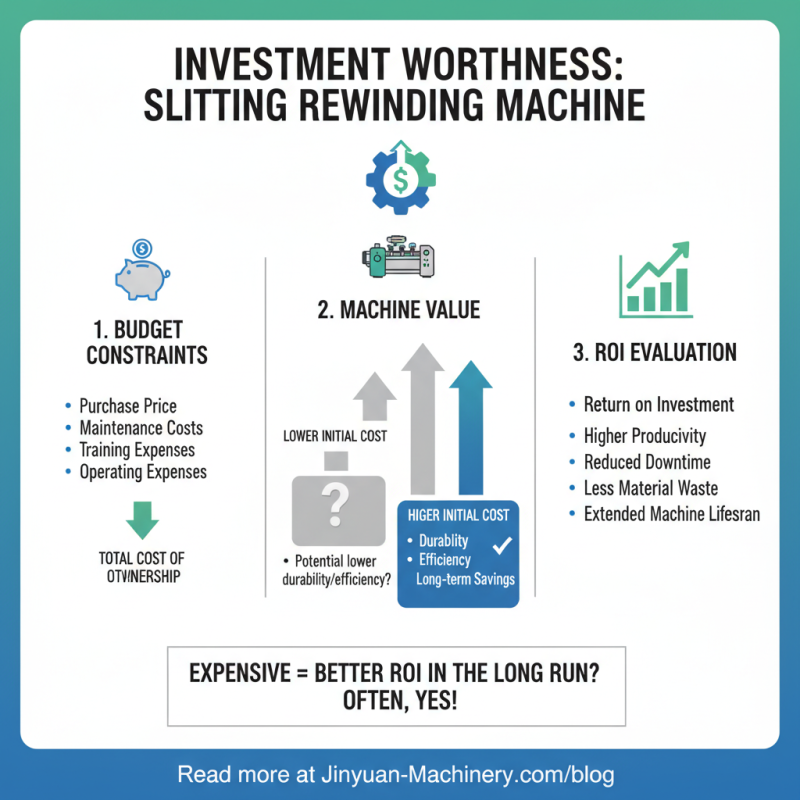
Determining Budget Constraints and Investment Worthiness

How to Choose the Best Slitting Rewinding Machine for Your Needs?

When considering the investment in a slitting Rewinding Machine, budget constraints should be at the forefront of your decision-making process. Evaluating costs involves more than just the purchase price. It's essential to factor in maintenance, potential training, and operating expenses. A high initial cost may look daunting but could signify a more durable, efficient machine. Sometimes, expensive models deliver a better ROI in the long run.

In addition to costs, assess the machine's capabilities. Does it meet your production demands? How flexible is it for varying materials? The right rewinding machine should cater to your specific needs while remaining financially justifiable. If the machine cannot handle your requirements, even a low cost becomes wasteful. Investing in quality often leads to reliability and decreased downtime, which can save money in the future.

Finally, it's wise to consult with industry experts. Their insights provide valuable guidance in making informed choices. Remember, every investment carries a risk. It’s about balancing immediate costs with long-term benefits. Reflect on what you truly need versus what is just appealing. This evaluation is critical to achieving success in your operational goals.

Comparing Leading Manufacturers and Their Offerings

When considering a slitting rewinding machine, it’s important to compare various manufacturers. Each offers unique features that cater to different production needs. Some machines excel in speed, while others focus on precision. Think about your primary goals, such as efficiency or the specific materials you will be using.

Leading manufacturers often emphasize different technologies in their slitting rewinding machines. Some prioritize automation, reducing labor costs. Others highlight flexibility in handling various substrates, making their Paper Rewinding Machine versatile for multiple applications. You need a reliable machine, which often means evaluating the quality of components and customer support.

Not all machines perform equally across all scenarios. Some may struggle with thicker materials or high-speed operations. It’s vital to assess real-world reviews and user experiences. During your research, look for common concerns highlighted by past users. This information can help you avoid potential pitfalls and make a more informed choice. Aim for a machine that aligns with your specific production requirements while ensuring minimal downtime.

Maintenance and Support Services for Long-Term Machine Performance

When investing in a slitting rewinding machine, consider the importance of maintenance and support services. A reliable machine can enhance efficiency and productivity. However, regular maintenance is crucial for long-term performance. Proper upkeep can prevent unexpected downtime. Scheduled checks help identify potential issues early. This proactive approach not only extends the machine's lifespan but also ensures consistent quality in production.

It’s essential to find a service provider with expertise in slitting rewinding technology. Look for companies that offer comprehensive support. They should provide training for your staff on machine operation and troubleshooting. Access to quality spare parts is also necessary for maintaining performance. Moreover, consider whether the provider can offer remote diagnostics and support. Such services can save time and reduce costs.

Reflect on your operational needs when choosing a machine. An oversized machine might seem impressive, but it could lead to inefficiencies. On the other hand, an undersized machine may struggle with higher volumes. Analyze your production rates and adjust accordingly. Regularly review your machine's performance and seek improvements. This continuous evaluation allows you to adapt to changing needs effectively.

Performance Comparison of Slitting Rewinding Machines

Efficiency and Precision in Manufacturing: Leveraging Data Insights for Optimal Use of Intelligent Paper Tube Slitting Machines

The efficiency and precision of manufacturing processes hinge significantly on the integration of intelligent technologies, particularly in the realm of paper tube production. At the forefront of this advancement are intelligent programmable paper tube cutters, which leverage sophisticated CNC systems. These machines are designed to perform programmable cutting with exceptional accuracy, achieving precision levels of ±0.1mm. This degree of accuracy is essential for ensuring that each paper tube meets meticulous specifications, enhancing the overall quality of the production.

Moreover, the functionality of these intelligent cutting machines is further amplified by their advanced memory capabilities. Manufacturers can now store multiple cutting schemes within the machine, allowing for seamless one-click transitions between different specifications. This feature not only saves time but also enhances productivity by enabling quick adaptations to changing production needs. Additionally, the machine's unique multi-segment cutting programs enable it to handle complex cutting tasks with ease, making it an invaluable asset for high-end paper tube processing operations. The intelligent design of these machines embodies the future of manufacturing, where data-driven insights meet the demands for efficiency and precision.

FAQS

: What types of slitting rewinding machines are available?

: There are basic models for low-volume production and advanced machines featuring electronic control for high precision.

Why is it important to evaluate production needs before purchasing a machine?

Assessing production needs helps avoid unsuitable investments and ensures the machine meets specific material and output requirements.

What is a common mistake companies make when choosing a machine?

Many overlook total ownership costs, including maintenance and operation, which can increase overall expenses.

How does production speed affect product quality?

Higher speeds can degrade product quality; balancing speed with precision is crucial for maintaining standards.

What should be considered regarding material types?

Different materials behave differently at various speeds, influencing the choice of machine for effective processing.

How does setup time impact production efficiency?

A longer setup time can reduce productivity, so ease of operation is essential for efficient manufacturing outcomes.

Can slower machines be beneficial?

Yes, slower machines may improve handling and reduce waste, often leading to better overall production quality.

How is the demand for versatile machines trending?

Demand for high-speed, versatile machines is expected to grow 6% annually, indicating a shift towards automation.

What role does regular monitoring of production rates play?

Regular monitoring helps identify inefficiencies and allows for adjustments to enhance overall production performance.

Is speed the only factor in choosing a machine?

No, efficiency, maintenance ease, and operational speed all play significant roles in selecting the right machine.

Conclusion

When choosing the best Slitting Rewinding Machine, it is essential to understand the different types available in the market. This includes evaluating key features that fit your specific needs, such as precision and flexibility. Assessing material compatibility is crucial to ensure that the machine performs optimally with your production materials, while also considering production speed and efficiency requirements to meet your operational goals.

Budget constraints play a vital role in the selection process; it is important to determine the worthiness of your investment upfront. Additionally, comparing offerings from various manufacturers can provide insights into the best options available. Lastly, ensuring that maintenance and support services are accessible will help sustain the performance of your Slitting Rewinding Machine over the long term, making it a smart choice for your operational needs.
Sophia

Sophia

Sophia is a dedicated marketing professional at Jinyuan Mechanical, an innovative leader in slitting and rewinding equipment solutions. With a deep understanding of the company's product offerings and a commitment to excellence, she plays a vital role in promoting Jinyuan's core business. Sophia......
Previous How to Choose the Best Wholesale China Die Cutting Press Service?