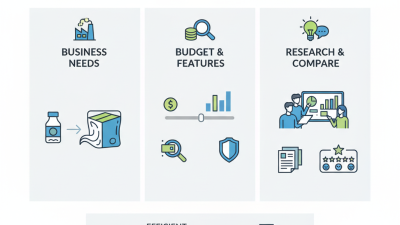
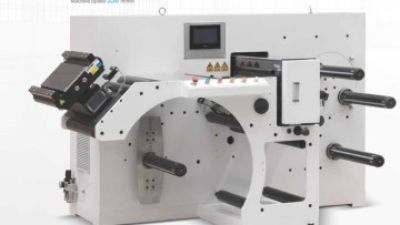
Picking the right Rewinding Machine can really make a big difference when it comes to how smoothly your production runs. I remember John Smith from Precision Machinery Inc. once mentioning, “Choosing the right equipment isn’t just about machinery; it’s about quality control.” Honestly, a good machine can help cut down on waste and make your resource management way more efficient.
When you're thinking about a Rewinding Machine, it’s a good idea to really think about what you actually need. Different industries have their own quirks—like, the paper world needs super precise tension control, while the film side might care more about speed. It’s all about understanding what matches your specific production goals.
Every Rewinding Machine has its own set of features and tricks. But not every single feature will be useful for you. So, ask yourself, “Do I really need this?” The key is to make smart choices based on where you’re at now and where you might want to go later on. And honestly, taking a little extra time to weigh your options can save you a lot of headaches—and money—in the long run.
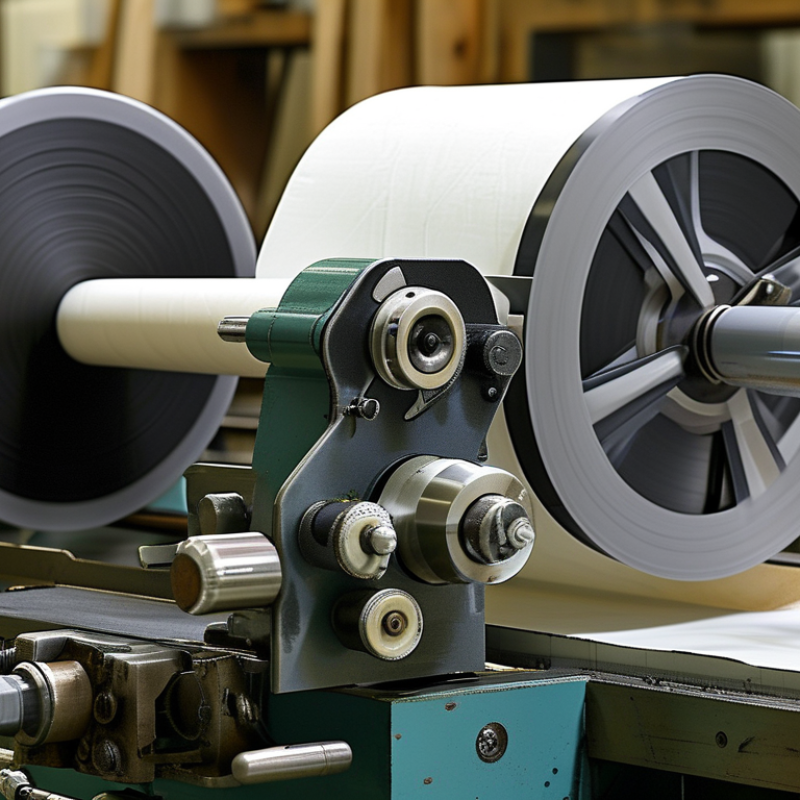
Understanding the Different Types of Rewinding Machines
When selecting a rewinding machine, understanding the types available is crucial. Rewinding machines generally fall into three categories: automatic, semi-automatic, and manual. Data shows that around 70% of production facilities opt for Automatic Machines due to their efficiency. These machines streamline operations and reduce labor costs, but they require higher initial investments.
Semi-Automatic Machines sit between the two extremes. They offer a balance of manual control and automation. This type is ideal for businesses that manage varying production volumes. According to industry reports, semi-automatic models account for 20% of the market. They can significantly enhance productivity without the commitment of a fully automatic system.
Manual Rewinding Machines remain relevant, especially for small operations. Some manufacturers prefer manual models for their simplicity and low cost. However, their reliance on operator skill can lead to inconsistencies in output. Research indicates that improperly calibrated manual machines can result in a 15% increase in material waste. This highlights the need for careful consideration of user expertise in machine choice.
Evaluating Your Production Requirements and Volume
When evaluating your production requirements for a rewinding machine, focus on your specific needs. Assess the volume of materials you handle daily. A high-volume operation may require a more advanced Slitting Rewinding Machine. It can efficiently process large rolls, ensuring you meet production deadlines and maintain quality.
Next, think about the types of materials you work with. Different machines suit various substrates. From paper to film, the choice of Rewinding Machine impacts your output. Explore options with adjustable settings for various thicknesses. This adaptability is essential for optimizing your workflow. Consider the footprint of the machine too. A compact design can save space, but ensure it meets your capacity needs.
Lastly, don't overlook the importance of ease of operation. Complex machines can slow down production if the staff needs more training. Look for features that simplify the setup and adjustments. It’s vital to reflect on past experiences with equipment. Address any shortcomings to avoid repeated mistakes. Asking for feedback from operators can offer insights into what design features would enhance efficiency and reliability.
Key Features to Consider in Rewinding Machines
When selecting a Rewinding Machine, several factors come into play. Understanding these can ensure you find the best fit for your specific needs. Key features to focus on include the machine's speed and the diameter of rolls it can handle. If you require high throughput, look for models with faster operational speeds. Bigger roll diameters may be necessary if you deal with large quantities of material.
Accuracy in slitting is crucial. A precise Slitting And Rewinding Machine will minimize waste and improve efficiency. Consider models with adjustable tension control. This feature allows you to maintain consistent winding and avoid material damage. Additionally, it is beneficial to evaluate the machine’s ease of use. A user-friendly interface simplifies operation and training for staff.
**Tip:** Always assess the technical support available. Reliable customer service is vital for machine maintenance and troubleshooting. Lastly, remember to think about the cost of consumables, as some machines might need more frequent parts replacements. This can impact long-term operational costs. Your choice can affect productivity significantly, so weigh each feature thoughtfully.
Assessing Material Compatibility and Specifications
When selecting a rewinding machine, material compatibility is key. Different materials, such as paper, plastic, or metal, require specific machines designed to handle their unique properties. For instance, a Paper Rewinding Machine must accommodate different paper weights and thicknesses. Understanding these specifications ensures optimal performance.
Consider the tension control of the machine. Insufficient tension may lead to slippage or uneven rewinding. Conversely, excessive tension can cause damage to sensitive materials. It’s crucial to assess the machine's capabilities in handling the tension levels required by your materials. Check if the machine offers adjustable settings to achieve desired outcomes.
Another factor is the speed of the rewinding process. Higher speeds may increase efficiency but could compromise quality if the machine is not properly calibrated. Reflection on your production goals can guide your choice. A slower, more controlled approach may benefit delicate materials. Ultimately, balancing speed and material needs is essential for successful operation.
Budgeting: Cost vs. Features in Rewinding Machines
When selecting a rewinding machine, cost often weighs heavily on decision-making. Many find themselves balancing budget against desired features. According to a recent industry report, you may find basic models starting around $5,000. However, advanced machines with automation can soar up to $50,000 or more. This vast price range demands careful consideration.
Features play a crucial role in determining a machine's efficiency and performance. For instance, basic machines might limit your production speed. In contrast, high-performance units can reach speeds of 600 meters per minute. These capabilities are essential for large volume operations. Reports indicate that investing in the right features can lead to up to a 20% increase in productivity.
Nonetheless, finding the perfect machine often involves reflection. A machine with all the bells and whistles may not fit a smaller operation's needs. Additionally, the cost of maintenance and spare parts can significantly add to the total expenditure. Operators must evaluate if the initial savings come at the expense of long-term efficiency. Thus, balancing cost with essential features remains a complex but vital task.
Maintenance and Support: Importance in Your Choice
When choosing a rewinding machine, maintenance and support should be major factors in your decision. Industry reports indicate that approximately 20% of production downtime is linked to equipment malfunctions. Regular maintenance not only prevents such issues but also prolongs the machine's lifespan. Many manufacturers provide essential support, including spare parts and technical guidance. Ignoring these aspects can lead to unexpected costs that may exceed the initial savings.
It's crucial to understand the type of support available. For example, some companies offer 24/7 customer service, while others may not. Operators often face challenges in implementing new technologies without proper training. Lack of knowledge can trigger inefficiencies and result in costly repairs.
Tips: Ensure the manufacturer has a solid reputation for post-sale support. Request case studies or testimonials. Consider a machine that comes with a comprehensive maintenance guide. On-site training, if possible, can enhance operational efficiency. Being aware of the maintenance history of similar machines can also offer insights into potential long-term issues. The right support can significantly affect your production flow and ultimately, your bottom line.
Identifying Reputable Manufacturers and Suppliers
When selecting a rewinding machine, identifying reputable manufacturers is crucial. A reliable supplier can make all the difference in your production process. Look for companies with a strong industry presence and a solid reputation. Reading customer testimonials can provide insight into their performance.
Tips: Always check for certifications. They indicate that the manufacturer meets specific quality standards. Visit trade shows to see their machines firsthand. It's an excellent way to gauge the build quality and technology used.
Pay attention to after-sales support. A good manufacturer will offer robust customer service and maintenance options. This can prevent long downtimes in your operations. Research their response times and service offerings. Take note of how long they have been in business. Experience often translates to expertise in the field.
In addition, consider the range of machines available. A company that offers various types, including the Paper Slitting And Rewinding Machine, might better meet your unique needs. Don’t hesitate to ask questions about their products and technologies. This shows engagement and helps you gauge their knowledge.
Enhancing Factory Efficiency with High-Speed Narrow Web Slitting Machines from Trusted Chinese Suppliers
High-speed narrow web slitting machines have become essential tools for manufacturers aiming to enhance factory efficiency and production capacity. With advancements in technology, today's slitting machines are engineered to handle a variety of materials, including adhesive labels, paper, and flexible packaging labels, which are crucial in various industries. The latest data indicates that the global slitting machine market is expected to grow at a CAGR of over 5% in the coming years, driven by the rising demand for efficient and precise cutting solutions in manufacturing environments.
Our Narrow Web High-Speed Slitting Machine offers state-of-the-art solutions with an impressive slitting speed exceeding 300m/min, tailored specifically for high-volume production. This remarkable capability allows factories to meet stringent deadlines while maintaining top-notch quality. Key features such as advanced automation and intelligent controls not only improve operational efficiency but also reduce waste—ultimately contributing to sustainability initiatives within the manufacturing sector. Reports suggest that manufacturers utilizing high-speed slitting technology can see a significant reduction in operational costs by as much as 20% due to enhanced throughput and lower material waste.
Moreover, our machines are equipped with superior configurations and exceptional stability, distinguishing them from conventional models in the market. This reliability ensures minimal downtime and maximized output, further solidifying the role of high-speed slitting machines in enhancing factory productivity. As industries continue to adopt smarter manufacturing solutions, investing in high-quality machinery from trusted suppliers is more critical than ever.
FAQS
: Assess daily material volume to determine the machine type you need. High-volume operations may need advanced options.
Machines vary based on material types, like paper, plastic, or metal. Ensure compatibility for optimal performance.
Proper tension prevents slippage and damage. Balance is key for handling different materials effectively.
Higher speeds can boost efficiency but might compromise quality. Consider the nature of your materials before deciding.
Regular maintenance reduces downtime. Check for support options, parts availability, and a maintenance guide with your machine.
Lack of training can lead to inefficiencies and costly errors. Ensure operators receive adequate training on new technologies.
Yes, compact designs save space but must meet production capacity. Reflect on your workspace limits while choosing.
Reliable support can prevent unexpected costs and downtime. Look for companies with good reputations and testimonials.
Reflecting on previous shortcomings can help avoid repeating mistakes. Operator feedback is invaluable for selecting efficient designs.
Proper calibration ensures quality at high speeds. A well-calibrated machine balances efficiency and material safety.
Conclusion
Choosing the right rewinding machine is crucial for optimizing production efficiency in various industries. It begins with understanding the different types available, which can significantly impact your operational capabilities. Evaluating your production requirements and volume is essential to ensure the machine can meet your demands. Key features to consider include speed, precision, and ease of use, alongside assessing material compatibility to avoid any performance issues.
Budgeting is another important aspect, as it's necessary to weigh the cost against the features offered by different rewinding machines. Moreover, considering maintenance and support services is vital for long-term operation. Finally, identifying reputable manufacturers and suppliers can help ensure you invest in a reliable rewinding machine that meets your unique operational needs.

 Contact immediately

 Contact Phone
 Contact Email