Contact immediately 


When it comes to optimizing packaging processes, picking the right Slitting Unit isn't just a technical choice—it's actually a pretty big deal for manufacturers trying to stay efficient and keep quality high in their production lines. According to a recent report from Smithers Pira, the global market for slitting machinery is expected to hit around $4.5 billion by 2025. What's fueling this growth? Well, there's a growing demand for flexible packaging options across industries like food and beverages, pharmaceuticals, and consumer goods. Getting the right Slitting Unit can really make a difference—helping streamline operations, cut down on material waste, and make handling products a lot smoother.
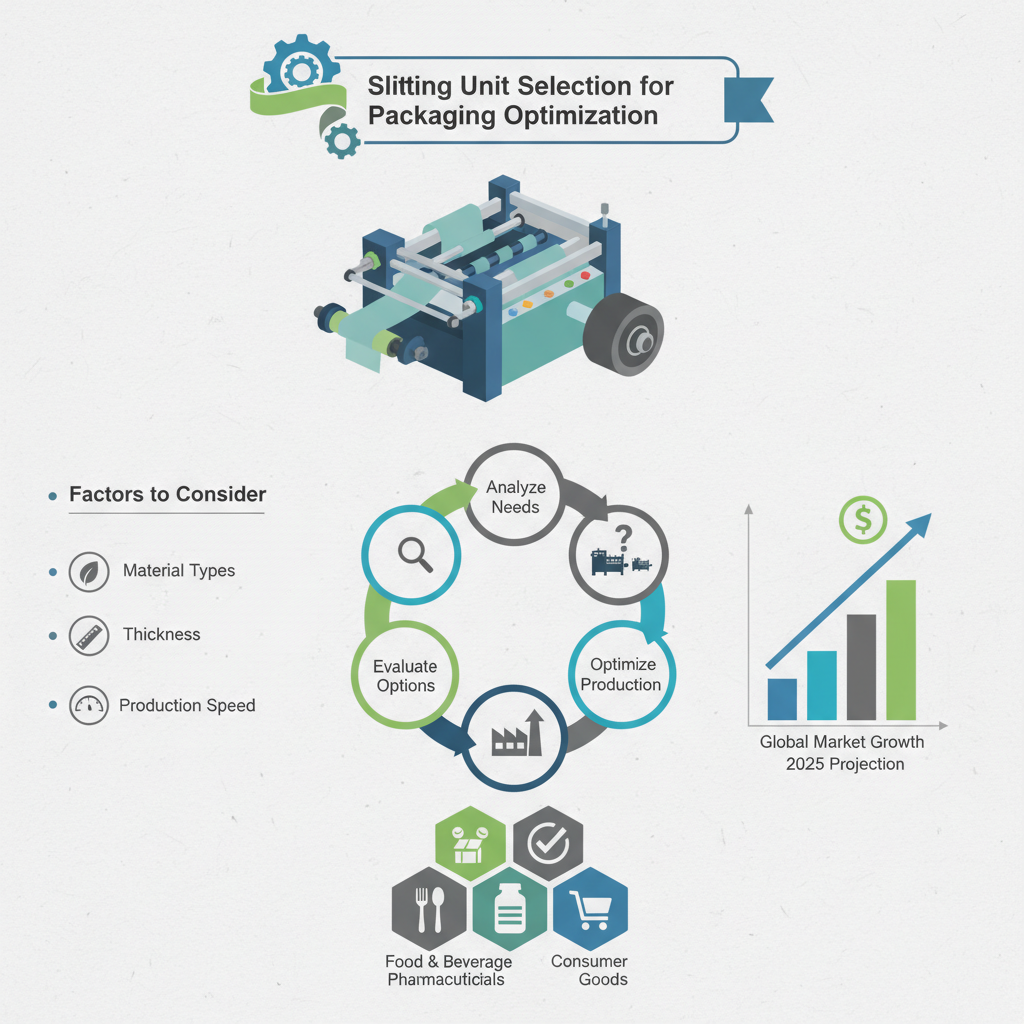
Robert Johnson, who's a big name at the Packaging Innovation Group, puts it plainly: "Choosing the right Slitting Unit can seriously boost both efficiency and product quality." But here’s the thing—there’s a lot to think about. Things like the type of material, its thickness, and how fast your line runs all matter. It’s crucial for companies to really dig into what they need before making a choice. This intro just scratches the surface—it’s about understanding how to properly navigate all the options out there, find the unit that fits your specific needs, and stay competitive in this fast-changing market. After all, making the right call here can really set you apart.
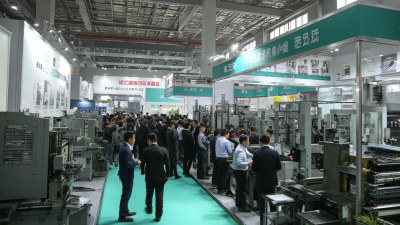
Understanding the right Slitting Unit is crucial for optimizing efficiency and quality in packaging applications. The advanced technology showcased at events like Labelexpo Europe and Labelexpo Americasprovides insights into the latest innovations in slitting units, which are essential for precise cutting of flexible materials in packaging. This innovation is driven by an increasing demand for high-quality packaging that enhances product presentation and shelf life. According to industry reports, the global Packaging Machinery market is projected to reachUSD 45 billion by 2026, highlighting the importance of investing in cutting-edge slitting technology to meet the evolving market needs.
Moreover, with the continuous advancement in automation and digitalization, choosing the right Slitting Unit can significantly impact production efficiency. Modern Slitting Units incorporate smart technologies that allow for real-time adjustments and monitoring, reducing waste and improving yield. As per recent market analysis, manufacturers who adopt these advanced slitting solutions can expect to decrease their operational costs by approximately15-20%. This makes it imperative for businesses to evaluate their packaging needs carefully and select Slitting Units that align with their production goals and sustainability objectives.
When selecting a Slitting Unit for your packaging needs, several key factors must be carefully considered to ensure optimal functionality and efficiency. Firstly, the type of materials you will be slitting plays a crucial role. Different materials, such as paper, plastic, or film, require specific slitting technologies to handle their unique characteristics. Therefore, pinpointing your primary material will help in narrowing down the best options available.
Another important factor to evaluate is the machine's speed and efficiency. High throughputmay be essential for large-scale operations, but it should not compromise the quality of the slitting process. Look for Slitting Units that offerprecision alongside speed, as this will help minimize waste and ensure consistency in your final product. Additional considerations include the machine's adaptability to various sizes and thicknesses, ease of maintenance, and technological features that may enhance automation in your production line. By taking these factors into account, you can choose a slitting unit that seamlessly meets your packaging requirements.
When selecting a slitting unit for packaging, it’s essential to understand the different types available and their specific applications. The most common types include rotary slitting units and shear slitting units. Rotary slitting units use circles or blades that rotate against a stationary surface, making them ideal for cutting flexible materials such as films and foils. Their speed and efficiency make them suitable for high-volume production lines where precision is crucial.
On the other hand, shear slitting units employ a slicing motion, perfect for thicker and more rigid materials. This method provides a clean cut with minimal stress on the material, making it ideal for cardboard, paper, and certain types of plastics.
In addition, there are also other specialized slitting units like razor blade slitting and score slitting, each tailored for specific needs. The choice of slitting unit ultimately hinges on the material characteristics and desired output, so understanding these options is vital in making the right decision for your packaging needs.
When selecting the right slitting unit for your packaging needs, assessing material compatibility is crucial. Different materials, such as paper, plastic, or laminates, exhibit distinct characteristics that can affect the slitting process. For example, a slitting unit designed for flexible films may not be suitable for thicker, rigid materials. It is essential to understand the thickness, tensile strength, and forming properties of the material to achieve optimal cutting results.
Additionally, consider the processing speed and type of cut required. Materials with varying tensile strengths may require different blade types and configurations to ensure clean cuts without damaging the material. Furthermore, compatibility with the existing production line is vital; the slitting unit should seamlessly integrate with upstream and downstream processes. By thoroughly assessing these factors, businesses can choose a slitting unit that enhances efficiency and product quality while minimizing waste.
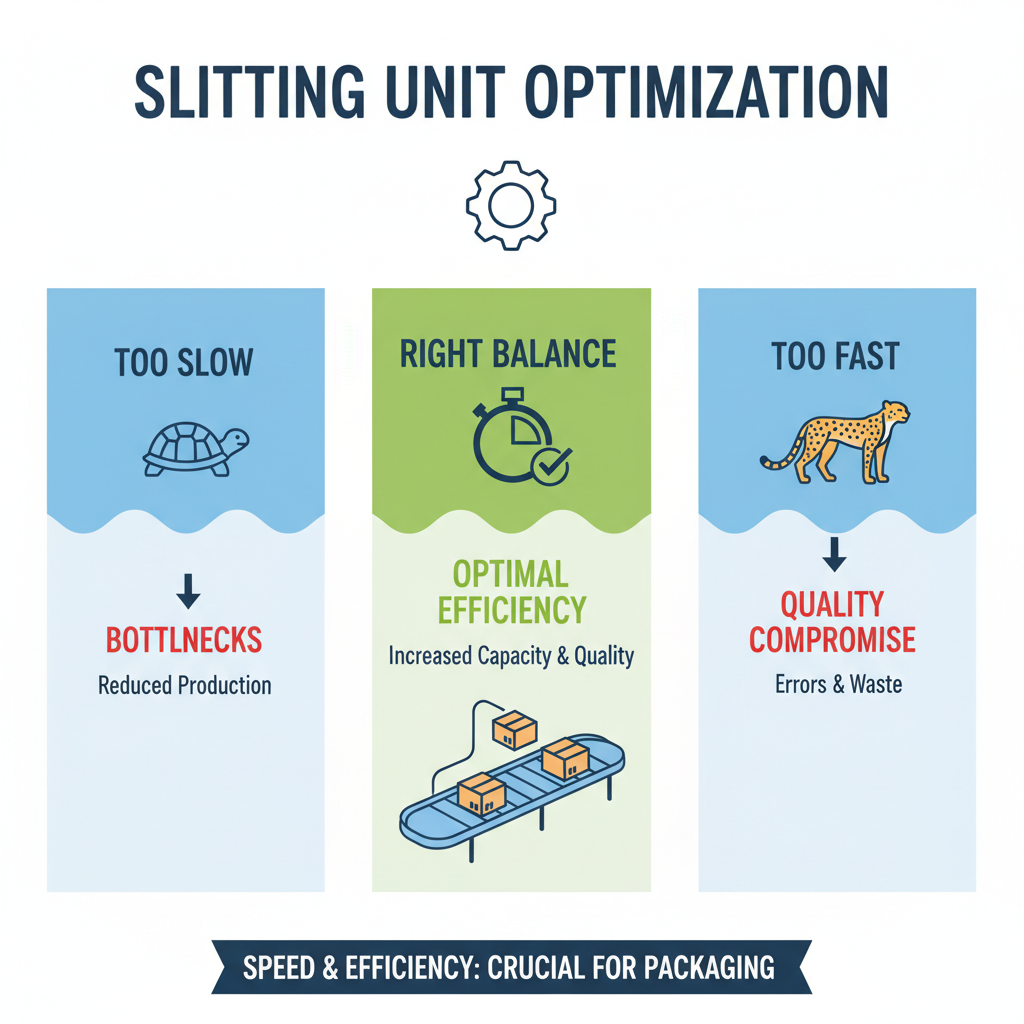
When choosing the right slitting unit for your packaging needs, evaluating speed and efficiency is crucial. The speed of a slitting unit affects not only the production capacity but also the overall operational efficiency of your packaging line. A unit that operates too slowly can lead to bottlenecks, while one that is overly fast may compromise quality control, making it essential to strike the right balance for your specific requirements.
Tips: Assess your production volume and desired output rates to determine the optimal speed for your slitting unit. Additionally, consider the type of materials being processed, as different materials may require different slitting speeds to avoid damage or defects.
Efficiency also plays a significant role in the selection process. A more efficient slitting unit minimizes waste and maximizes the use of materials, which is vital for reducing costs and improving sustainability. Features such as quick changeovers and easy maintenance should also be evaluated to ensure that the unit can adapt to different production runs without significant downtime.
Tips: Look for slitting units that offer advanced automation features to enhance efficiency. Prioritize systems that allow for easy adjustments and monitoring to keep operational disruptions to a minimum.
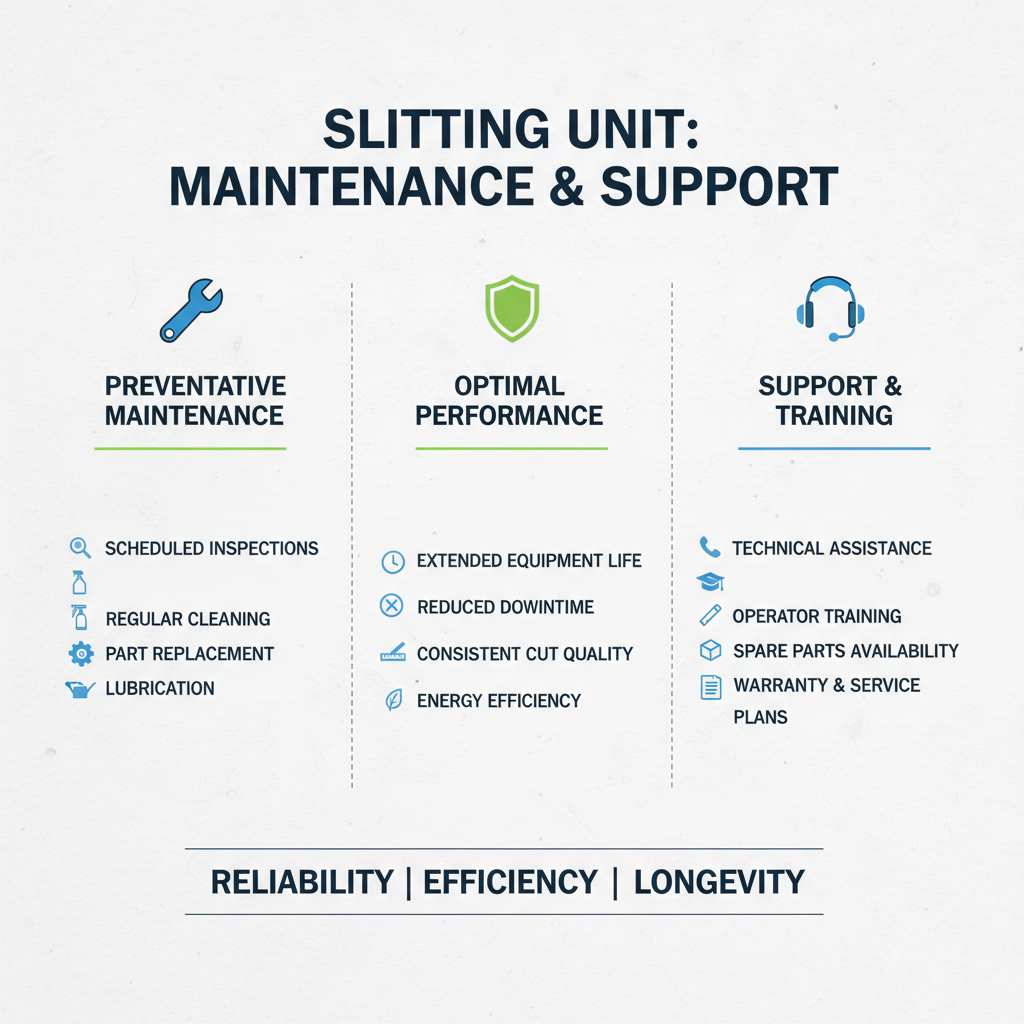
When selecting a slitting unit for your packaging needs, maintenance and support considerations are paramount to ensure long-term efficiency and reliability. Regular maintenance not only extends the life of your equipment but also optimizes performance. Creating a scheduled maintenance plan that includes regular inspections, cleaning, and necessary part replacements can prevent unexpected downtimes and costly repairs.
Tip: Always consult the manufacturer's guidelines to understand the specific maintenance requirements for your slitting unit. This ensures that you are addressing all vital components while adhering to warranty conditions.
In addition to maintenance, having robust support options is crucial. Select a supplier that offers comprehensive technical support and readily available spare parts. This will minimize downtime if issues arise, allowing you to keep your production line running smoothly.
Tip: Build a relationship with your supplier's support team. Familiarity with your equipment and operations can lead to faster resolutions and more effective troubleshooting when challenges occur.
When selecting the right slitting unit for your packaging needs, a thorough cost analysis is crucial. Understanding your budget can help streamline the decision-making process. Wenzhou Jinyuan Mechanical Technology Co., Ltd. specializes in slitting and rewinding equipment, offering tailored solutions that meet specific production requirements. Investing in a slitting unit involves not just the initial purchase price, but also long-term operational costs such as maintenance, labor, and energy consumption.
Tips for budgeting effectively include evaluating the total cost of ownership. Consider potential future needs and scalability when choosing your equipment to avoid additional expenses down the line. Additionally, assess the efficiency of the unit, as higher efficiency often results in lower operational costs. It's beneficial to compare various models and their features to find a unit that not only fits your budget but also enhances productivity.
Furthermore, ensure that you factor in potential downtime and the costs associated with it. A reliable slitting unit, like those from Jinyuan Mechanical, is designed for stability and ease of use, minimizing disruptions and maximizing output. Creating a comprehensive budget will help secure the best slitting unit for your requirements while keeping costs manageable.
| Slitting Unit Type | Initial Cost ($) | Operating Cost ($/year) | Production Capacity (units/hour) | Size (L x W x H in ft) |
|---|---|---|---|---|
| Manual Slitting Unit | 1,500 | 300 | 50 | 6 x 4 x 5 |
| Semi-Automatic Slitting Unit | 3,200 | 450 | 100 | 8 x 5 x 5 |
| Fully Automatic Slitting Unit | 6,500 | 600 | 150 | 10 x 6 x 6 |
| High-Speed Slitting Unit | 10,000 | 800 | 200 | 12 x 7 x 7 |
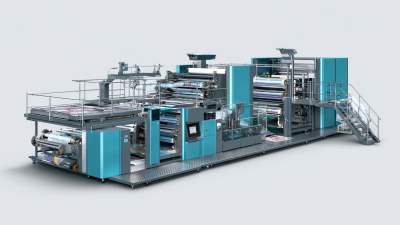
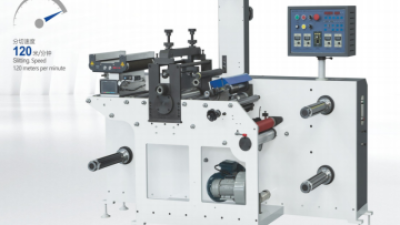
The packaging industry is undergoing a significant transformation, driven by advancements in technology and the growing demand for efficiency. One notable innovation is the integration of round-to-round die-cutting and slitting systems, exemplified by products like the JY-350 model. This advanced circular die-cutting and slitting integrated machine combines the functionalities of die-cutting and slitting into one seamless process, catering specifically to the needs of blank self-adhesive label production. According to market reports, the demand for such efficient solutions has surged, with an estimated growth rate in the die-cutting and slitting machinery sector projected at 7.3% over the next five years.
The JY-350 model is designed for optimal performance with features like automatic meter counting and electronic deviation correction, ensuring precise operation while minimizing downtime. This is particularly crucial in a market where the average production cycle time is under continuous scrutiny for improvement. Industry studies highlight that manufacturers can achieve up to 25% increases in productivity by switching to integrated machines that enhance operational workflows. By streamlining the die-cutting and slitting processes, companies can not only reduce wastage but also enhance the overall quality of their packaging solutions, ultimately responding to the heightened expectations of consumers for efficient and high-quality products.
: You should consider the type of materials you will be slitting, the machine's speed and efficiency, adaptability to various sizes and thicknesses, ease of maintenance, and any technological features that enhance automation.
Different materials like paper, plastic, or film require specific slitting technologies, so identifying your primary material helps narrow down the best options.
While high throughput can be essential for large-scale operations, it should not compromise the quality of the slitting process. Precision alongside speed is crucial for minimizing waste and ensuring consistency.
Regular maintenance extends the life of your equipment and optimizes performance. A scheduled maintenance plan can prevent unexpected downtimes and costly repairs.
Your maintenance plan should include regular inspections, cleaning, and necessary part replacements. Always consult the manufacturer's guidelines for specific requirements.
Having robust support options ensures you have access to technical assistance and spare parts, minimizing downtime and keeping your production line running smoothly.
Building a relationship with your supplier's support team can lead to faster resolutions and more effective troubleshooting, as they become familiar with your equipment and operations.
Without regular maintenance, you may face unexpected downtimes and costly repairs, impacting your efficiency and production capabilities.
Yes, look for features that enhance automation and overall performance, making it easier to adapt to varying production needs.
By following the manufacturer's guidelines regarding maintenance, you can address all vital components and comply with warranty conditions.
When selecting the right Slitting Unit for packaging needs, it's essential to understand various factors that influence the decision-making process. Key considerations include the specific applications suited for different types of slitting units, material compatibility, and the speed and efficiency requirements of production. Additionally, assessing maintenance and support options is crucial to ensure long-term operational effectiveness. Cost analysis also plays an important role, as budgeting for the right slitting unit can significantly impact overall production costs.
Wenzhou Jinyuan Mechanical Technology Co., Ltd. provides expert solutions in slitting and rewinding equipment, focusing on customized, user-friendly, and stable systems tailored to meet diverse production demands. By leveraging their technical expertise, Jinyuan Mechanical helps clients navigate the complexities of slitting unit selection, ensuring optimal performance and cost-effectiveness in their packaging processes.