Contact immediately


In today’s fast-moving world of manufacturing, making sure your Slitting Unit runs smoothly is super important—it’s all about boosting productivity and cutting down on waste. I was chatting with John Smith, a pretty big name in slitting tech over at Precision Slitting Solutions, and he mentioned something that really stuck with me: "The secret to getting the most out of your Slitting Unit isn't just about the machine itself, but also about understanding the materials you're working with and the processes behind everything." I think that really shows how taking a step back and looking at the whole picture is key to doing things right.
When your Slitting Unit is properly tuned, it can seriously make a difference in how your entire production line performs. Focus on some core optimization tricks—like fine-tuning the settings, staying on top of regular maintenance, or making sure your team knows what they’re doing—every small thing adds up. It’s these little details that help make operations smoother, cut down on downtime, and even boost the quality of your products. As the industry keeps evolving, keeping up with these best practices will help your company stay competitive and ready to meet customer demands.
We’ve put together ten handy tips to help anyone in the industry fine-tune their Slitting Unit for top performance. If you give these a try, you’ll not only improve how you operate but also set yourself up for future growth in a pretty competitive market. It’s all about staying ahead, right?
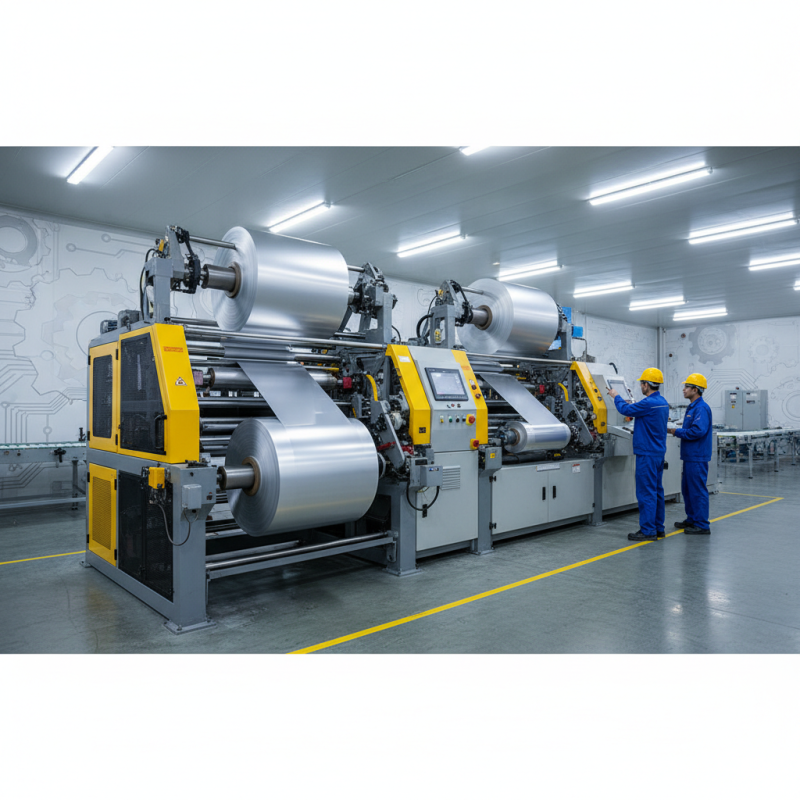
Slitting Unit efficiencyplays a crucial role in the manufacturing processes across various industries, particularly in converting materials such as paper, plastic, and metal into smaller, more manageable widths. Understanding Slitting Unit efficiency is essential, as it directly impacts overall production rates, material waste, and product quality. According to industry reports, optimizing slitting operations can result inefficiency improvements of 15-25%, translating to significant cost savings and increased profitability.
To enhance Slitting Unit efficiency, one fundamental tip is to ensure that the blades are sharpened and well-maintained. Dull blades not only increase friction, leading to higher energy consumption but also compromise the quality of the slitted products, resulting in increased scrap rates. Furthermore, adopting advanced blade geometry can improve cutting precision and extend blade life.
Another valuable tip is to regularly monitor and analyze production data. By employing key performance indicators (KPIs) such as downtime, throughput, and waste percentage, manufacturers can identify bottlenecks and areas for improvement, allowing for more informed decision-making and streamlined operations.
In addition, investing in automation technologies can significantly boost efficiency. Automated tension control systems and winding mechanisms help maintain consistent web tension, reducing the likelihood of defects and waste. Industry benchmarks indicate that facilities utilizing automation can achieve up to a 30% reduction in process variability, leading to higher output consistency and quality assurance.
Emphasizing the importance of efficiency, it becomes clear that focusing on these optimization strategies not only enhances productivity but also supports sustainable manufacturing practices in the long run.
One of the primary components affecting Slitting Unit performance is the blade sharpness and quality. According to a report from the Converting Association, maintaining optimal blade conditions can improve cutting accuracy by up to 30%, thereby reducing material waste and enhancing overall efficiency. Dull blades not only compromise precision but also increase tension within the Slitting Unit, leading to potential machine downtime. Regularly monitoring and replacing blades can significantly minimize these issues, ensuring consistent product quality and optimizing operational throughput.
Another critical factor is the tension control systemwithin the Slitting Unit. A study published in theJournal of Manufacturing Processes indicates that improper tension management can lead to defects in the final product and increase production costs by as much as 20%. By investing in advanced tension control technology, manufacturers can achieve better alignment and uniformity in the slitting process, ultimately resulting in higher-quality outputs. Implementing automated tension adjustments can also reduce manual intervention, allowing operators to focus on other essential tasks and improving overall system efficiency.
Regular maintenance practices are crucial for ensuring the optimal operation of your Slitting Unit. A proactive approach to maintenance not only enhances the efficiency of the equipment but also extends its lifespan. Regular inspections should be scheduled to evaluate the functioning of various components such as blades, motors, and tension controls. Identifying wear and tear early can prevent unexpected breakdowns and costly repairs.
In addition to inspections, routine cleaning is essential. Dust and debris can accumulate, leading to decreased performance and potential operational hazards. Implementing a systematic cleaning schedule can help maintain the precision necessary for effective slitting processes. Lubrication of moving parts is another key maintenance practice. Adequate lubrication reduces friction, minimizing wear on components and ensuring smoother operation. For optimal performance, it is advisable to refer to the manufacturer’s guidelines on maintenance intervals and procedures, adapting them to the specific demands of your production environment.
| Tip Number | Maintenance Practice | Frequency | Benefits |
|---|---|---|---|
| 1 | Inspect Blade Alignment | Weekly | Ensures clean cuts and reduces waste |
| 2 | Clean the Slitting Area | Daily | Prevents contamination and improves efficiency |
| 3 | Lubricate Moving Parts | Monthly | Reduces friction and prolongs equipment life |
| 4 | Check Electrical Connections | Quarterly | Ensures safe and optimal electrical performance |
| 5 | Replace Worn Blades | As Needed | Improves cut quality and reduces downtime |
| 6 | Monitor Material Feed Rates | Continuous | Ensures optimal processing speed and reduces waste |
| 7 | Calibrate the Slitting Equipment | Biannual | Maintains precision in the slitting process |
| 8 | Inspect Safety Devices | Monthly | Ensures operator safety and compliance |
| 9 | Review Operational Parameters | Monthly | Adjust settings for optimal performance |
| 10 | Train Operators Regularly | Annually | Improves efficiency and reduces operational errors |
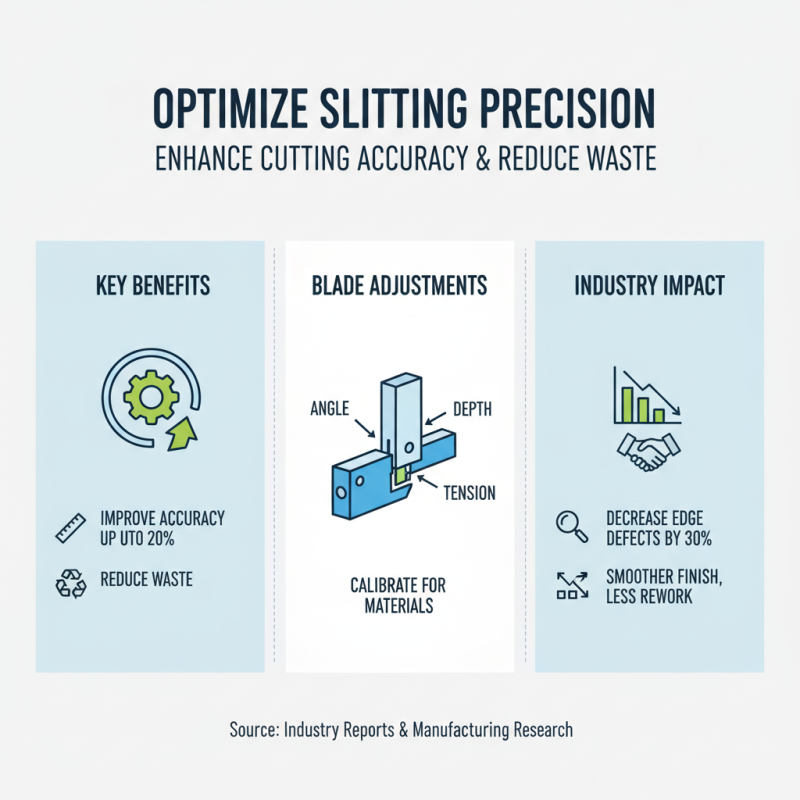
Adjusting blade settings effectively is crucial for enhancing the precision of your slitting unit. According to industry reports, optimal blade settings can improve cutting accuracy by up to 20%, significantly reducing waste and increasing overall product quality. Utilizing precise measurements and advanced calibration techniques, operators can adjust the blade angle, depth, and tension to accommodate various materials. For instance, a study by a leading manufacturing research body found that tailored blade adjustments can decrease the incidence of edge defects by 30%, thus ensuring a smoother finish and reducing the need for rework.
When considering tips for blade optimization, first ensure that you regularly check the sharpness of your blades. Dull blades can lead to increased friction and undesirable material deformation. Additionally, maintaining consistent operational speeds can help maintain the integrity of the cut. The correlation between blade speed and material type is critical; for instance, slower speeds typically lead to more controlled cuts on thicker materials, while faster speeds are beneficial for thinner substrates. Finally, always document the settings used for different materials, as this historical data can guide future adjustments and lead to enhanced consistency in production quality.
Monitoring and analyzing production data is critical for enhancing slitting unit efficiency. According to a report by the Association of Manufacturing Technology, manufacturers that leverage real-time data analysis can see productivity improvements of up to 20%. By implementing robust monitoring systems, operators can gather insights into machine performance, downtimes, and production output. This allows for timely interventions and data-driven decisions that can significantly reduce waste and increase throughput.
To optimize slitting unit efficiency, one essential tip is to analyze scrap rates closely. High scrap rates not only indicate inefficiencies in the slitting process but also suggest opportunities for improvement. By examining the production data, manufacturers can identify patterns leading to waste and take corrective measures to reduce them. Another important tip is to benchmark performance metrics against industry standards. This helps to ensure that your operation is competitive and highlights areas needing attention.
Additionally, utilizing analytical tools to track the machine's operational status can aid in predictive maintenance, reducing unplanned downtime. Regularly assessing data trends and machine health allows for strategic maintenance scheduling rather than reactive measures, contributing to overall productivity. Emphasizing the importance of effective data monitoring and analysis can lead to substantial gains in slitting unit efficiency.
Effective employee training is paramount for enhancing the efficiency of slitting units. Knowledgeable workers are essential for executing proper handling techniques, which directly contributes to operational performance. Implementing comprehensive training programs that focus on the intricacies of slitting processes can significantly reduce material wastage and improve precision. Employees should be educated on the significance of monitoring equipment settings, understanding blade adjustments, and recognizing potential hazards associated with slitting operations.
Additionally, fostering a culture of continuous learning can lead to impressive gains in performance. Regular workshops and hands-on training sessions can help reinforce best practices and encourage employees to share insights on improving workflows. By engaging staff in problem-solving exercises and providing platforms for feedback, companies can create a more adaptive workforce that feels empowered to contribute to the overall efficiency of the slitting unit.
Prioritizing employee training not only enhances individual skill sets but also cultivates a collaborative environment focused on achieving operational excellence.
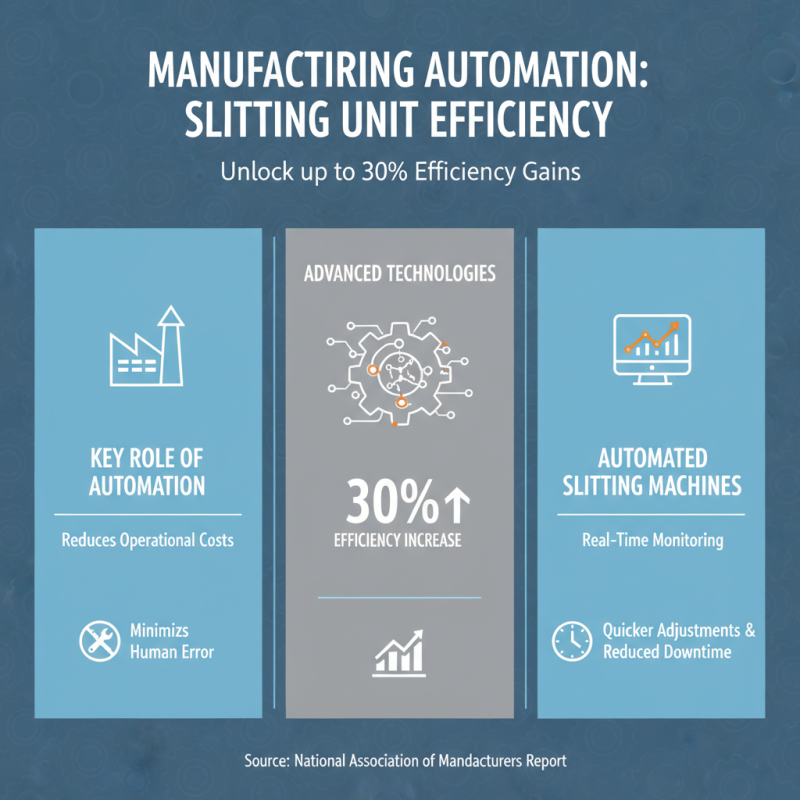
In today's manufacturing landscape, optimizing the efficiency of slitting units is imperative, with automation playing a pivotal role. According to a report by the National Association of Manufacturers, the adoption of advanced technologies in production can lead to efficiency gains of up to 30%. By integrating systems designed for automation, companies can not only reduce operational costs but also significantly minimize human error associated with manual processes. The use of automated slitting machines equipped with real-time monitoring provides operators with instant feedback, enabling quicker adjustments and reducing downtime.
Implementing IoT-based solutions and advanced analytics further enhances slitting unit performance. A study by McKinsey & Company emphasizes that organizations utilizing data-driven decision-making in their operations can achieve productivity improvements of 20-25%. By collecting and analyzing data from slitting operations, manufacturers can identify patterns and inefficiencies that would otherwise go unnoticed, allowing them to streamline processes and implement predictive maintenance strategies. This not only prolongs the lifespan of equipment but also ensures consistently high quality and increased throughput, ultimately making a significant impact on the bottom line.
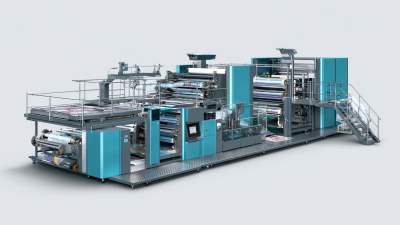
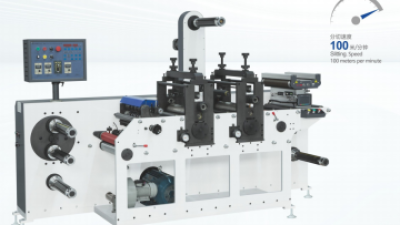
In today's fast-paced manufacturing environment, optimizing production efficiency is paramount for staying competitive. The dual-station circular-to-circular die-cutting and slitting machines, particularly the JY-350 model, bring significant advancements in this arena. Designed for high-output needs, this integrated machine combines die-cutting and slitting processes into one streamlined operation, reducing the time and resources typically spent on these tasks. According to industry reports, businesses that incorporate advanced machinery can increase their production efficiency by up to 30%, enabling them to meet increasing market demands without compromising quality.
The JY-350 features enhanced capabilities such as automatic meter counting, length and quantity setting, and intelligent control for unwinding through photoelectric correction. These functionalities ensure precise operations, minimizing waste and downtime. Furthermore, its double winding shaft rotation and displacement design optimize coil handling, allowing for uninterrupted workflows. Data indicates that reductions in manual handling and quicker setup times amplify overall productivity, making the JY-350 an excellent investment for companies looking to improve their operational performance.
By enabling simultaneous die-cutting and slitting, this machine supports various applications including the production of self-adhesive labels. Having the ability to produce slit and rolled products in one pass not only accelerates the manufacturing process but also ensures consistency in product quality. As the demand for customization and rapid turnaround grows, machines like the JY-350 are essential for manufacturers aiming to enhance production capabilities while also providing exceptional output.
: Regular maintenance is crucial for ensuring optimal operation as it enhances equipment efficiency and extends its lifespan by preventing unexpected breakdowns.
Inspections should evaluate the functioning of various components such as blades, motors, and tension controls to identify wear and tear early.
Regular cleaning removes dust and debris that can accumulate, thereby maintaining precision and reducing potential operational hazards.
Proper lubrication of moving parts reduces friction, minimizes wear on components, and ensures smoother operation of the slitting unit.
Monitoring production data allows operators to gather insights into machine performance and production output, leading to timely interventions that reduce waste.
Manufacturers should closely analyze scrap rates to identify inefficiencies and opportunities for improvement in the slitting process.
Benchmarking against industry standards helps to ensure competitiveness and highlights areas in the operation that may need attention.
Utilizing analytical tools to track operational status allows for predictive maintenance, enabling strategic scheduling and reducing unplanned downtime.
Regular assessment of data trends contributes to overall productivity by facilitating informed maintenance planning instead of reactive measures.
Real-time data analysis can lead to productivity improvements of up to 20%, helping manufacturers make data-driven decisions for enhanced operational efficiency.
Optimizing the efficiency of a Slitting Unit is essential for improving overall production workflows. Understanding the key components that influence slitting unit performance, such as blade sharpness and material feed rates, is crucial. Regular maintenance practices ensure that the equipment operates smoothly, while precise adjustments to blade settings can significantly enhance cutting accuracy.
Additionally, monitoring and analyzing production data allows for informed decision-making and continuous improvement. Employee training is vital in equipping staff with the skills necessary for effective handling techniques, further contributing to operational efficiency. Lastly, implementing technology for automation can streamline processes and reduce human error, resulting in a more efficient and reliable Slitting Unit. Through these strategies, businesses can achieve optimal performance and maximize productivity.