Picking the China Best Label Press Manufacturer isn’t just a price-checking exercise. How do you choose? Well, a reliable Label Press has to fit your substrates, your production volume, your ink system, and your finishing needs. And don’t just trust those shiny brochures—look at real samples. Ask about registration accuracy on thin film, paper, and textured stock. Get running videos that actually show speed and waste data. Yep, the small details matter.
Mike Ferrari, a veteran label-printing consultant, once put it this way: “The best press is the one that delivers repeatable quality, not the highest advertised speed.” That still holds up. A capable manufacturer should be able to walk you through servo control, drying performance, color management, inspection systems, and changeover time. They should also offer installation training, spare-parts access, and tech support that actually responds. Certifications and factory testing are nice confidence boosters, but they don’t replace customer references. Talk to users running similar jobs.
Then look hard at total ownership cost. That means tooling, maintenance, energy use, software updates, and operator training. A cheaper Press Machine Press Machinecan end up creating more waste during long runs. It’s an easy risk to miss. Ask whether the Label Press can scale with future orders, variable data, and new materials. If you can, inspect the assembly area. Clean wiring, documented testing, and disciplined quality checks tell you a lot about their habits. Still, no checklist is perfect. Some buyers get too hung up on specs and forget about communication. A trustworthy China manufacturer answers tough questions clearly, admits limitations, and puts promised performance in writing. That kind of balance makes for a more reliable investment.
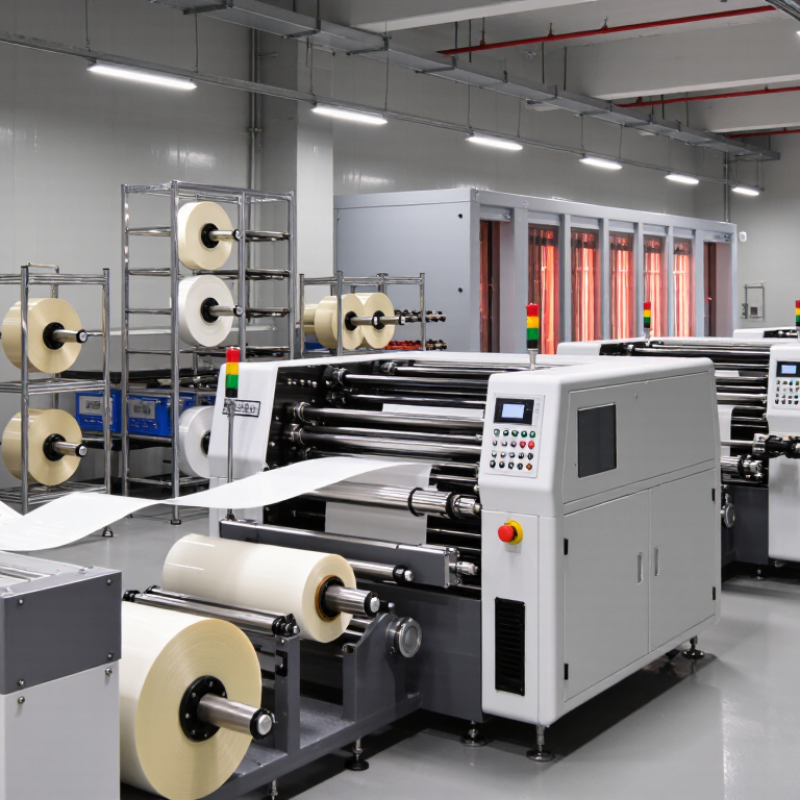
Understanding the Role of a Label Press Manufacturer in China
Choosing a China Label Press manufacturer requires more than comparing machine prices. The manufacturer’s role includes engineering, substrate testing, color control, operator training, and long-term technical support. According to Smithers’ label industry forecasts, global label demand is expected to keep expanding through 2028, driven by short runs, product variation, and digital production. This growth increases pressure on press reliability and changeover speed.
A capable manufacturer should explain how its press handles paper, film, textured stock, and recycled materials. Ask for measured results, not general promises. Review registration accuracy, waste during setup, drying performance, and average production speed. Request test samples using your own artwork and materials. A clean sample under showroom lighting proves little. Inspect the machine during a continuous run.
FINAT’s 2024 market data showed weak European label demand in 2023, with pressure on volumes and inventories. This makes flexible equipment and responsive service more important. Check spare-parts availability, remote diagnostics, software updates, and technician response times. A detailed acceptance checklist should cover color consistency, web tension, safety systems, and repeatability.
Experience matters here. Still, experience can become outdated. Ask when the control system was last improved. Speak with current users, if possible, and compare their maintenance records. The lowest quotation may hide slower support or expensive downtime. That risk deserves careful calculation. A manufacturer that admits technical limits may be more reliable than one promising perfect results.
China Best Label Press Manufacturer: How to Choose?
Typical production-speed ranges by Label Press technology
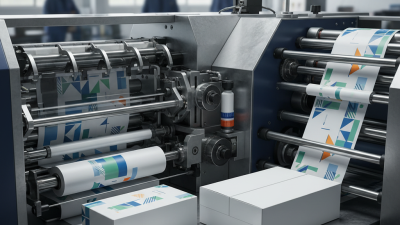
Production speed is an important factor when evaluating a label press manufacturer in China. Flexographic and gravure presses are generally suited to high-volume work, Offset Presses provide strong print quality for selected applications, while digital presses offer flexible short-run production and fast job changes. Actual performance depends on substrate, ink system, print configuration, and finishing requirements.
Defining Your Label Printing Requirements and Production Goals
Choosing a China-based Label Press manufacturer starts with defining your production reality, not browsing impressive machine photos. Measure twice. Estimate monthly volume, label sizes, substrate types, ink requirements, and acceptable waste. A bakery label, chemical container label, and shipping label may need completely different press configurations.
Write down your production goals in measurable terms. Include running speed, color consistency, registration tolerance, changeover time, and operator skill. If short runs are common, a press with fast setup may save more money than a higher maximum speed. Small details matter. Consider finishing needs too, such as varnishing, laminating, die-cutting, or variable data printing.
Request sample labels made from your materials, using comparable artwork and production settings. Examine edge sharpness, small text, color stability, drying performance, and reel tension. Ask for documented specifications, installation procedures, training plans, spare-parts availability, and service response times. Experienced manufacturers should explain limitations clearly instead of promising every result. That honesty is useful.
Speak with the technical team, not only a sales representative. Ask how they control quality during long runs and how they record maintenance issues. A factory visit or live video inspection can reveal assembly discipline, testing routines, and workplace organization. Production targets can change. Leave reasonable capacity for growth, but avoid paying for features your workflow will never use. My own planning mistake was focusing too heavily on speed; actual delays came from setup and material changes. Expect to revise your requirements after testing.
Evaluating Label Press Types, Features, and Printing Capabilities
Choosing the best Label Press manufacturer requires more than comparing catalog speed. Label converters should match press architecture with order volume, substrate, and finishing needs. Flexographic Presses suit long runs and stable repeat orders, while digital inkjet presses support short runs, variable data, and rapid artwork changes. Hybrid systems can combine both, but their maintenance demands are often underestimated.
Market evidence supports this shift. Smithers forecasts digital print for packaging will grow from about US$21.5 billion in 2022 to US$36.9 billion by 2028. FINAT’s 2024 Radar reported a 1.5% decline in European self-adhesive label demand during 2023. These figures suggest pressure on waste, setup time, and inventory. Ask manufacturers for verified samples using your actual paper, film, adhesive, ink, and varnish. A showroom sample can hide registration errors.
Inspect web width, maximum repeat length, drying technology, color control, and inline inspection. Check whether the press supports water-based, UV, or low-migration ink systems suitable for the intended application. Confirm real production speed, not only the brochure figure. Printing Press Printing Press searches may look convenient, but technical evidence matters more. Ask for uptime records, service response times, spare-parts availability, and operator training. A perfect press does not exist. I would also test the smallest planned run; some efficient machines still waste too much material during setup. The final choice should reflect measured output, total ownership cost, and the converter’s daily workflow.
Checking Manufacturer Experience, Quality Standards, and Certifications
Choosing China’s best Label Printing Press manufacturer requires more than comparing online prices. Start by examining practical experience in your label category. Ask how long the factory has produced pressure-sensitive, thermal, or specialty labels. Request sample rolls, not only polished photographs. Inspect fine text, barcode edges, color consistency, and winding tension under real production conditions. A capable team should explain substrate limits, ink behavior, drying time, and press maintenance clearly. Experience appears in small details.
Quality standards should be documented and repeatable. Check whether the manufacturer uses incoming-material inspection, calibrated color measurement, in-process checks, and final sampling. Ask for records showing how defects are traced and corrected. A reliable supplier can provide test reports for adhesion, abrasion resistance, and dimensional stability when relevant. Do not accept vague claims about “high quality.” Specific procedures matter more than confident sales language. Still, no factory is perfect. Even strong inspection systems may miss an occasional misprint, so examine the response process.
Comparing Materials, Customization Options, Pricing, and Lead Times
Choosing the best Label Press manufacturer in China requires more than comparing online prices. Material selection affects appearance, durability, and application performance. Paper labels suit boxes and indoor products, while synthetic films resist moisture, oil, and surface abrasion. For textured packaging, I recommend requesting physical samples before approving production. A sample that looks attractive on screen may wrinkle around curved containers.
Customization should cover size, adhesive strength, colors, finishes, and winding direction. Clear labels need careful testing because uneven surfaces can expose air bubbles. Pricing usually depends on material grade, ink coverage, tooling, order quantity, and packaging requirements. A low quotation may exclude plate fees, inspection, or shipping. Ask for a complete written breakdown. Lead times also need practical review. Standard orders may move quickly, but complex finishes or multiple versions can add several working days. Confirm artwork approval dates, production time, inspection time, and delivery estimates separately.
Tips: Send accurate dimensions and application details. Request a small trial order. Test labels on the actual surface for 48 hours. Keep extra time for revisions. Do not choose the cheapest offer automatically; I have seen delayed corrections cost more than a slightly higher initial price. Also, leave room for uncertainty. Color differences can appear between digital proofs and printed rolls. Clear communication, documented samples, and consistent quality checks make supplier evaluation more reliable.
Assessing Samples, Customer Support, Warranty, and After-Sales Service
Choosing a China Best Label Press Manufacturer How to Choose?
Start with evidence, not attractive photographs. Ask for printed samples using your actual substrate, ink, artwork, and finishing requirements. A reliable Label Press Machine supplier should show registration accuracy, color consistency, edge definition, and waste levels.
I once reviewed samples that looked excellent under showroom lights but failed during longer production runs. Request at least three repeated prints, not one perfect sheet. Check fine text with a magnifier and measure color variation between sheets. Ask whether the sample was produced on the proposed machine or prepared separately. This small detail can change your decision.
Customer support should be tested before purchase. Send technical questions and record response times, clarity, and language quality. Ask for installation guidance, operator training, electrical requirements, and troubleshooting videos.
A written warranty should identify covered parts, service duration, response deadlines, and exclusions. After-sales service matters when a sensor fails on a busy Monday. Confirm spare-parts availability, remote diagnosis, technician travel terms, and maintenance schedules.
Also request service records from similar customers, where permission is available. Do not accept vague promises. I would still leave room for uncertainty, because every press has a learning curve and occasional faults.
A dependable manufacturer acknowledges that reality and explains how problems are handled.
Conclusion
Choosing the right Label Press manufacturer in China requires more than comparing machine prices. Start by defining your label printing requirements, including materials, label sizes, colors, production volume, finishing effects, and expected delivery schedules. Then evaluate suitable press types and confirm whether their printing capabilities, automation features, speed, and registration accuracy match your production goals. A reliable manufacturer should demonstrate extensive industry experience, consistent quality control, and relevant certifications that support stable and safe manufacturing.
It is also important to compare customization options, material compatibility, total costs, and lead times before making a decision. Requesting printed samples can help verify color accuracy, print clarity, finishing quality, and machine performance. In addition, review the manufacturer’s technical support, installation assistance, warranty terms, spare-part availability, and after-sales service. By considering these factors together, you can select a dependable partner that provides suitable equipment, predictable production results, and long-term value for your business.

 Contact immediately

 Contact Phone
 Contact Email