inquiry
Leave Your Message
0%

Picking out China’s top Die Printing Machine suppliers isn't just about scanning online prices and calling it a day. It’s more about understanding your actual production needs first—like the types of materials you're working with, die sizes, how much you need to produce, and what tolerances you can accept. A trustworthy supplier should be able to clearly explain these details without skipping around. If someone’s making vague promises, that’s a red flag and deserves some serious digging.

Seasoned buyers often ask for videos of the machines in action, photos of the factory, detailed technical drawings, and references from recent clients. It’s also smart to check things like the frame strength, how steady the pressure stays, the accuracy of feeding, safety features, and how easy it is to access the control system. You should even ask if they’d be willing to do a trial run using your actual materials—those small samples can really uncover issues hidden in brochures, like feeding marks, uneven pressure, or slow changeovers.

Look for manufacturers who have solid documentation on their quality procedures and responsive tech support. Companies like RUIAN MINGYUAN MACHINERY CO., LTD. and Yancheng Ruida Machinery Co., Ltd. might pop up in your search, but remember, every claim should be verified independently. Factory audits, video inspections, and detailed specifications in the contract can make a big difference in ensuring reliability. Before you send the payment, double-check on installation support, spare parts availability, operator training, and how quick they are to respond to warranty issues.

Also, make sure the machine—like a Printing Die Cutting Machine—is compatible with your workshop’s power supply, space, ventilation, and maintenance capabilities. Sometimes these practical stuff gets overlooked, but it really shouldn’t.

No supplier is perfect, of course. Even the most technically advanced factories might be slow to reply or don’t have local support. That’s something to keep in mind. When comparing options, try to weigh their strengths against potential risks, look for the evidence they provide, and note any unanswered questions. With careful testing and honest judgment, you'll be able to find a China die Printing Machine partner that helps you keep production stable, work safely, and get long-term value out of your investment.
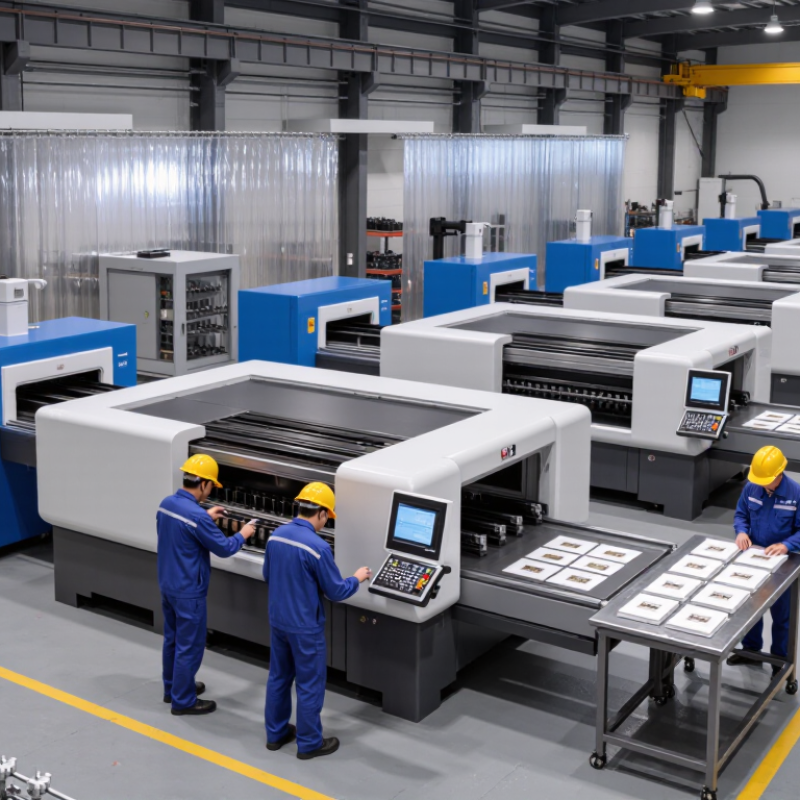
How to Choose China Top Die Printing Machine Suppliers?

Define Your Die Printing Machine Requirements

When selecting China’s top Die Printing Machine suppliers, define your production requirements before comparing quotations. Start with the material: paperboard, plastic film, labels, or another substrate. Record its thickness, width, surface coating, and maximum sheet size. These details influence feeding stability, printing pressure, and die accuracy.

Do not guess. Measure your daily output and peak workload. A Die Printing Machine rated for extreme speed may perform poorly with delicate materials. Specify the required colors, registration tolerance, die-cutting area, drying method, and acceptable waste rate. For example, a 0.2-millimeter registration error can damage small text or narrow borders. Ask suppliers for test samples using your actual material, artwork, and die. Sample quality reveals more than a polished brochure.

Consider the production floor as well. Check machine dimensions, power requirements, ventilation, operator access, and noise levels. Confirm whether software, spare parts, training, and remote support are included. A clear service response time matters when a sensor fails during a night shift. Request inspection records, calibration procedures, and references from similar applications. These documents help separate proven engineering from attractive sales language.

Be realistic about automation. Automatic feeding saves labor, but it may add maintenance points. We once valued maximum speed too highly and underestimated changeover time. That mistake was expensive. Define your budget, but compare total operating cost instead of purchase price alone. Supplier discussions become more useful when every requirement is written, measured, and tested.

Compare Supplier Experience, Production Capacity, and Product Range

Choosing China’s top die printing machine suppliers requires more than checking online rankings. Supplier experience should be measured through completed projects, technical records, and customer references. Ask how many machines they have installed for similar materials, sizes, and production speeds. An experienced supplier can explain registration accuracy, drying control, plate setup, and maintenance without relying on vague promises.

Production capacity also deserves close inspection. Visit the factory, if possible. Observe machining areas, assembly lines, testing stations, and warehouse organization. A supplier with stable production control should provide a realistic delivery schedule, inspection report, and clear acceptance standards. Check whether key components are traced during assembly. Small details matter here. A crowded workshop may suggest strong demand, but it can also reveal weak planning. I have found that promised output and actual capacity do not always match.

Product range shows how deeply a supplier understands different applications. Compare models for sheet size, printing colors, substrate thickness, automation level, and energy use. A broad range is useful, but more options do not always mean better engineering. Review whether the supplier can modify feeding units, curing systems, or control interfaces for your process. Request sample production using your actual material. The result may expose problems that brochures conceal. Also examine training, spare-parts availability, remote support, and response times. Reliable suppliers document these services instead of treating them as informal favors.

How to Choose China Top Die Printing Machine Suppliers?

Compare supplier experience, production capacity, and product range before requesting quotations.

This illustrative scorecard gives balanced priority to industry experience and production capacity, while product range remains essential for matching different die-printing applications. Buyers should verify factory records, annual output, quality-control processes, certifications, machine specifications, and after-sales support before making a final decision.

Check Machine Quality, Certifications, and Technical Specifications

When choosing a leading China die printing machine supplier, inspect quality beyond polished photographs. Ask for production videos, factory audit records, and recent customer references. A reliable supplier should explain its quality-control process clearly. Check frame rigidity, roller balance, electrical cabinets, and emergency-stop performance. Small details matter.

Certifications need careful verification. Request an ISO 9001 certificate and confirm its registration status with the issuing organization. CE documentation may apply to machines sold in relevant markets, but it should match the exact model. Review electrical safety, electromagnetic compatibility, and user-manual requirements. Never accept a certificate copied from another machine.

Technical specifications should fit your actual production, not an impressive brochure. Compare maximum sheet size, printing speed, die-cutting pressure, registration accuracy, substrate range, and power consumption. Ask whether the stated speed includes setup, inspection, and waste removal. It often does not. Request sample production using your paper, film, or board. Measure registration errors with a ruler or digital gauge. A factory acceptance test can reveal feeding vibration, uneven pressure, or slow changeover time.

I once focused too heavily on maximum speed and underestimated cleaning access. That mistake increased downtime. Ask for maintenance intervals, spare-parts availability, software support, and operator training in writing. Suppliers that answer technical questions with measured data usually deserve more confidence than those offering broad promises. Some specifications still need independent verification.

Evaluate Customization Options, Testing Standards, and Delivery Time

Choosing a China Die Cut Printing Machine supplier requires more than comparing quotations. Customization should begin with your actual production details: sheet size, substrate thickness, cutting accuracy, ink type, and changeover frequency. A supplier should provide layout drawings, sample trials, and a clear list of included components. A glossy sample can mislead.

Smithers forecasts the digital packaging print market will grow from about $22.9 billion in 2023 to $36.9 billion by 2028. This growth increases demand for flexible, shorter-run equipment. However, customization without testing can create expensive delays. Request a witnessed factory acceptance test using your material. Check registration, waste rate, speed stability, noise, and emergency-stop performance. For print consistency, ask whether procedures follow ISO 12647-2. Machine quality systems should also be supported by traceable inspection records.

Delivery time needs written milestones, not optimistic promises. Confirm dates for approved drawings, component procurement, assembly, factory testing, packing, and shipment. Grand View Research estimates the global packaging machinery market reached approximately $52.8 billion in 2023, showing intense equipment demand and possible component bottlenecks. Keep a buffer for rework. I would not accept “ready in 30 days” without a production schedule, test report, and spare-parts list. A lower price may still cost more when training, installation, or rejected samples are excluded.

How to Choose China Top Die Printing Machine Suppliers? - Evaluate Customization Options, Testing Standards, and Delivery Time

Supplier evaluation matrix based on practical purchasing, engineering, quality-control, and delivery considerations.

No. Evaluation Dimension Recommended Requirement Evidence to Request Suggested Weight Evaluation Result
1 Product Compatibility Confirm compatibility with the required die type, substrate, coating, ink, foil, and finishing process. Technical specification sheet, application list, sample-print records, and material compatibility statement. 10% Score / 10
2 Customization Options Check whether the supplier can adapt working width, printing stations, feeding system, drying or curing configuration, automation level, and control interface. Approved machine layout, option list, interface drawings, electrical schematic, and change-control procedure. 15% Score / 15
3 Printing Accuracy Require documented registration accuracy, repeatability, speed range, and print-quality results under the buyer’s actual production conditions. Factory test report, calibrated measurement records, production samples, and video of a witnessed trial. 12% Score / 12
4 Testing Standards The machine should be tested against an agreed inspection plan covering safety, electrical functions, mechanical operation, print quality, noise, and emergency-stop performance. Factory Acceptance Test protocol, inspection checklist, calibration certificates, risk assessment, and nonconformity records. 15% Score / 15
5 Safety and Compliance Verify guarding, emergency stops, electrical protection, operator access, warning labels, and compliance with the destination market’s applicable requirements. Declaration of conformity where applicable, electrical drawings, safety-risk assessment, and third-party inspection report if required. 10% Score / 10
6 Delivery Time For a standard configuration, request a written production schedule; customized machines normally require additional engineering, component procurement, assembly, and testing time. Milestone schedule covering drawing approval, component arrival, assembly, FAT, packing, and shipment. Confirm whether the quoted time is calendar or working days. 12% Score / 12
7 Factory Acceptance Test The buyer should approve defined performance criteria before shipment, including trial materials, production speed, print quality, and fault recovery. Signed FAT report, sample approval record, punch list, corrective-action plan, and final release authorization. 8% Score / 8
8 Installation and Training Confirm installation scope, commissioning support, operator training, maintenance training, and availability of manuals in the required language. Installation plan, training agenda, manuals, spare-parts list, troubleshooting guide, and remote-support procedure. 6% Score / 6
9 Warranty and After-Sales Service Evaluate warranty duration, response time, remote diagnostics, on-site service capability, and the treatment of consumable or wear components. Warranty terms, service-level agreement, escalation contacts, service reports, and references from comparable installations. 7% Score / 7
10 Total Cost of Ownership Compare purchase price with shipping, installation, utilities, tooling, spare parts, maintenance, training, and expected downtime. Itemized quotation, utility-consumption data, recommended spare-parts package, maintenance schedule, and payment terms. 5% Score / 5
Total Evaluation Weight 100% Final Score / 100
Selection Guidance: Shortlist suppliers that provide traceable test records, clear customization boundaries, a milestone-based delivery plan, documented after-sales support, and a signed Factory Acceptance Test before shipment.

Review Pricing, Warranty Terms, Installation, and After-Sales Support

Choosing China’s top die printing machine suppliers requires more than comparing quoted prices. A low offer may exclude tooling, freight, software, or commissioning. Request an itemized quotation with machine speed, material range, waste rate, and energy use. For a Flexo Printing And Die Cutting Machine, ask for sample production using your actual board or film. Watch the registration accuracy during continuous running, not only during a short demonstration.

Warranty Terms Warranty terms should be specific and measurable. Confirm coverage for electrical parts, cylinders, bearings, software, and labor. Ask who pays shipping for failed components. A reliable supplier should state response times, replacement procedures, and remote diagnostic methods. Some warranties look generous but exclude common wear parts. Read the exclusions carefully. Keep every promise in the contract.

Installation & Support Installation can affect output for months. Check floor requirements, power capacity, ventilation, and compressed-air quality before delivery. Require a detailed installation schedule, operator training hours, and acceptance standards. After-sales support should include manuals, parts lists, video guidance, and technician availability. Ask how quickly spare parts usually leave the warehouse. I once underestimated training time, and the machine ran well but produced avoidable setup waste. That experience still influences my supplier checks. Price matters less when production stops for a small sensor.

Verify Supplier Credibility Through Audits, Samples, and Customer Feedback

Choosing China’s top die printing machine suppliers requires more than comparing prices and polished websites. A credible supplier should accept an independent factory audit. Check production capacity, quality-control records, worker training, and equipment maintenance. Ask to see calibration certificates and recent inspection reports. I have learned that a clean showroom proves little. The workshop floor tells more.

Request a sample run using your actual material, artwork, and production speed. For a Printing And Die Cutting Machine, inspect registration accuracy, cutting edges, waste levels, and changeover time. Measure results repeatedly, not once. Ask for test videos with visible timestamps and machine settings. One successful sample can hide unstable performance. I once trusted a perfect trial without checking repeated runs, and that mistake affected delivery planning.

Customer feedback should come from several markets and similar applications. Request contact details for references, when possible, rather than relying on selected testimonials. Ask customers about response times, spare parts, training, and problem resolution after installation. Look for consistent answers. Be careful with vague praise. A supplier that discusses previous failures openly may be more dependable than one claiming flawless results. Still, references can be outdated, so verify their purchase date and current machine condition. A written warranty, clear acceptance criteria, and documented after-sales process add practical protection. Keep every promise in writing.

How to Choose a High-Speed Hot Stamping and Die Cutting Machine for Label and Tape Production

Choosing a high-speed hot stamping and die cutting machine for label and tape production requires careful attention to material compatibility, production speed, and finished-product quality. The machine should handle adhesive labels, adhesive tapes, and other roll-fed materials without causing distortion, adhesive residue, or inaccurate cutting. Adjustable stamping pressure, temperature control, and foil feeding stability are also important for producing clear, durable decorative effects at high operating speeds.

Compatibility with existing printing equipment is another essential consideration. An efficient machine should integrate smoothly with high-speed roll label printers, flexographic systems, satellite printing lines, sheet-fed printing equipment, and batch-type production setups. Precise registration control and reliable web tension help maintain consistent alignment between printed designs, hot-stamped areas, and die-cut shapes. Fast tool changeovers, user-friendly controls, and automated monitoring can further reduce setup time and material waste.

For continuous production, select equipment built with a rigid structure, dependable drive components, and an easy-to-maintain control system. Safety protection, stable operation, and accessible replacement parts should also be evaluated before purchase. Working with an experienced Chinese manufacturer can provide access to advanced machinery, technical support, customized configurations, and dependable after-sales service for different label and tape production requirements.

FAQS

How can I judge a supplier’s experience?

Ask for completed projects, technical records, and customer references. Check installations using similar materials, sizes, and production speeds. An experienced supplier should explain registration accuracy, drying control, plate setup, and maintenance clearly. Vague promises are warning signs.

What should I inspect during a factory visit?

Observe machining areas, assembly lines, testing stations, and warehouse organization. Check whether key components are traced during assembly. A crowded workshop may show strong demand. It may also reveal weak planning. Looks can mislead.

How can I verify production capacity?

Request a realistic delivery schedule, inspection report, and acceptance standards. Compare promised output with visible equipment, workers, and testing activity. Ask how the supplier handles delays or urgent replacement parts. Promised capacity and actual capacity may differ.

Which machine specifications deserve close attention?

Compare sheet size, printing colors, substrate thickness, automation, energy use, and production speed. Also check die-cutting pressure, registration accuracy, and power consumption. Ask whether quoted speed includes setup, inspection, and waste removal. It often does not.

How can sample production expose machine problems?

Use your actual paper, film, or board, artwork, and production speed. Inspect registration errors, cutting edges, waste levels, vibration, and changeover time. Measure repeated runs with a ruler or digital gauge. One perfect sample proves little.

How should certifications be checked?

Request quality-management certification and verify its registration with the issuing organization. Confirm that safety documents match the exact machine model. Review electrical safety, electromagnetic compatibility, and user-manual requirements. Copied documents are risky.

What should an independent factory audit examine?

Review production capacity, quality records, worker training, equipment maintenance, and calibration certificates. Ask for recent inspection reports and factory testing procedures. A clean showroom proves little. The workshop floor tells more.

How can customer feedback reveal supplier reliability?

Contact several customers with similar applications and recent purchase dates. Ask about response times, spare parts, training, and problem resolution. Check the machine’s current condition, not only old testimonials. References can become outdated.

What support should be written into the agreement?

Document warranty coverage, acceptance criteria, maintenance intervals, spare-parts availability, software support, and operator training. Include response times for remote and on-site assistance. Keep every promise in writing. I once trusted informal support, and planning suffered.

Conclusion

Choosing the right China Die Printing Machine supplier requires a structured evaluation rather than relying on price alone. Start by defining your production needs, including material types, printing methods, output capacity, automation level, and available workspace. Then compare suppliers according to their industry experience, manufacturing capability, product range, and ability to provide equipment suited to your application. Carefully review machine quality, technical specifications, safety features, certifications, and quality-control procedures to ensure reliable and consistent performance.

You should also assess customization services, sample testing, inspection standards, production schedules, and delivery arrangements. A complete comparison should include the total cost, warranty coverage, installation guidance, operator training, spare-parts availability, and after-sales support. Before making a final decision, verify supplier credibility through factory audits, equipment demonstrations, sample evaluations, and feedback from previous customers. This practical process can help you select a dependable Die Printing Machine supplier that offers suitable technology, transparent service, and long-term operational support.
Ethan

Ethan

Ethan is a dedicated marketing professional at Jinyuan Mechanical, a leading provider of slitting and rewinding equipment solutions. With a deep expertise in the company's product offerings, he plays a pivotal role in bridging the gap between technology and customer needs. Ethan is committed to......
Previous What Is a Die Cut Printer and How Does It Work?