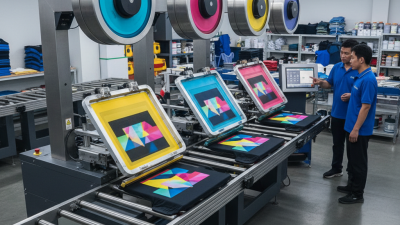
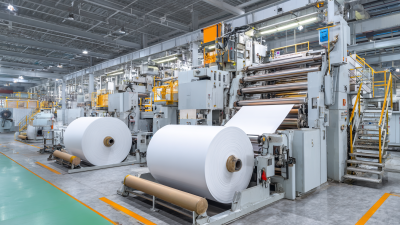
In today's pretty competitive world, it’s clear that “Label Press” tech is becoming a game-changer for top brands aiming to make it big by 2026. I came across a report from Smithers Pira mentioning that the global label market is expected to hit around $45 billion in just a few years. That growth is mostly thanks to advances in printing tech and the increasing consumer craving for personalized packaging. It really highlights how vital those high-quality labels and smooth production processes are.
Big players like Avery Dennison and UPM Raflatac are really pushing the envelope with state-of-the-art “Press Machine” setups to boost their output. Not only does this help lower costs, but it also aligns with what customers want these days—more sustainable, eco-friendly packaging. But here’s the tricky part: lots of brands are having a tough time keeping up with all these new tech developments. When there’s a gap in label quality or innovation, it can actually hurt how consumers see the brand.
Brands really need to take a step back and think about their current strategy. Are they investing enough in “Press Machine” technology? Understanding how the market is evolving is a must. If they want to stay ahead, they need to adapt to the latest trends. It might just be the key to standing out, improved visibility, and genuinely connecting with customers on a whole new level.

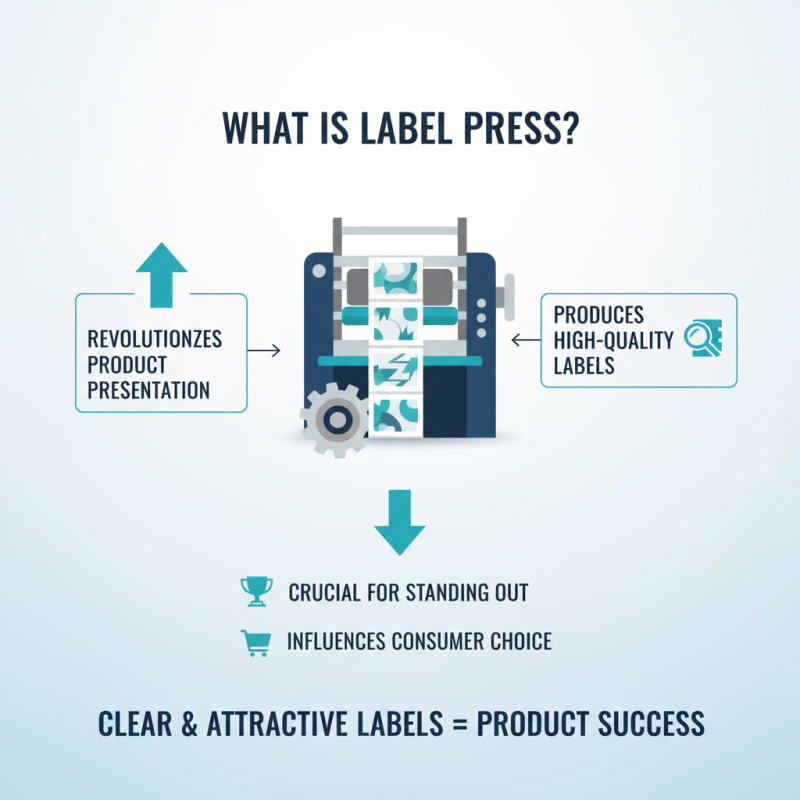
What is Label Press?
Label Press is revolutionizing the way brands present their products. It is a specialized printing system that produces high-quality labels. This technology is crucial for companies aiming to stand out in a crowded marketplace. With evolving consumer demands, clear and attractive labels can make or break a product's success.
Many brands struggle with consistency in label production. Poorly designed or printed labels can lead to consumer confusion. Label Press addresses these issues by ensuring precision and quality. The integration of advancedPrinting Press Printing Press technologies allows for impeccable prints. This is vital as consumers increasingly seek authenticity and clarity.
Beyond quality, managing production time is essential. Some brands still rely on outdated methods, resulting in delays. Efficient use of Label Press can significantly reduce turnaround times. However, not all brands adapt quickly. This reluctance can hinder growth and lead to missed opportunities. Reflecting on these challenges is important for future improvements in the industry.
The Evolution of Label Press Technology
The Label Printing Press has undergone remarkable evolution in recent years. This change is evident in the technology, efficiency, and sustainability of label production. A report from Smithers Pira highlights that the global label market will grow by 4% annually, reaching $50 billionby 2026. This growth underscores the increasing importance of advanced Label Printing techniques.
Modern Label Presses offer flexibility and speed. New digital technologies allow for shorter runs and faster turnaround times, which is becoming essential for brands today. According to a study byMarketsandMarkets, companies that adopt Digital Label Printing report a30% reduction in production costs. However, not all brands are adapting quickly enough. Many still rely on outdated methods that hinder their competitiveness.
Sustainability is another key factor. Brands prioritize eco-friendly materials and processes. The latest label printing presses support this shift by using water-based inks and recyclable substrates. A significant finding from the Sustainable Packaging Coalition indicates that 70% of consumers prefer brands that demonstrate environmental responsibility. Yet, many companies still struggle to balance cost and sustainability in their label printing press strategies. The challenge lies in making informed decisions that align with consumer expectations while maintaining profitability.
Key Features of Modern Label Press Systems
Modern Label Press systems are revolutionizing the way brands create and manage labels. These systems offer flexibility and efficiency in production. Brands can design labels that truly resonate with their audience. Customization is key; choosing colors, materials, and finishes can significantly impact visual appeal.
Another notable feature is the integration of digital printing technology. This technology allows for high-resolution designs and minimal setup time. Brands can produce small batches while maintaining quality. However, some brands struggle to adapt to the rapid advancements in this technology. They may feel overwhelmed by the options available.
Moreover, sustainability is becoming increasingly important. Many modern Label Press systems utilize eco-friendly materials. This can put pressure on brands to shift towards greener practices. While this effort is commendable, transitioning can be difficult. Balancing costs and sustainability is a challenge that requires careful planning and reflection.
The Importance of Labeling in Brand Identity
Labeling is a vital part of a brand's identity. It goes beyond mere product information. A well-designed label reflects the brand's values, aesthetics, and commitment. Consumers often make quick decisions based on labels. They influence perceptions and emotions. Captivating labels attract eyes in crowded markets.
Tips for effective labeling: Focus on clarity. Choose fonts and colors that enhance readability. Avoid overly complicated designs. Simplicity often appeals more. Infuse your brand story into the label to engage customers on a personal level. Make them curious and eager to learn more.
Remember, labels need to be adaptable. Trends shift quickly. What works today may not resonate tomorrow. Regularly review your labels to ensure they align with current market demands and consumer preferences. Don't hesitate to refresh your designs if they feel outdated. Reflect on how your label communicates your brand. A fresh perspective can lead to meaningful changes that resonate with your audience.
How Label Press Impacts Brand Recognition
Label press plays a crucial role in shaping brand identities. It allows companies to create distinct, eye-catching labels that consumers remember. In 2026, strong brand recognition is more important than ever. With countless products on shelves, standing out is essential. A well-designed label grabs attention and tells a story.
Good labels are not just decorative; they communicate values. They reflect quality and trust. When consumers see a label they recognize, they feel confident. They know what to expect. This connection can lead to loyalty, which is invaluable. However, many brands overlook the need for uniqueness. They may rely too much on trends. This can dilute their message and confuse customers.
Label press technology can help brands innovate. It allows for customization and creativity. Yet, brands must ensure consistency across all platforms. Inconsistencies in design can lead to fragmentation. This is a pitfall worth avoiding for lasting recognition. Ultimately, the right label presses are essential for forging deep connections with consumers.
Case Studies: Successful Brands Using Label Press
Label Press has emerged as a vital tool for brands, particularly as we approach 2026. This technology helps businesses streamline their labeling processes. It promotes efficiency and allows for greater flexibility in branding. Many companies are realizing the benefits, which is evident in recent industry reports.
For instance, a study indicates that 78% of top brands boost their production speed with Label Press. These brands report short turnaround times while maintaining quality. A notable example is during a recent campaign, where a leading brand reported a 30% increase in customer engagement after implementing Label Press technology. The ability to produce customized labels on-demand has transformed marketing strategies.
Tips for maximizing the use of Label Press: First, ensure your design team aligns closely with production capabilities. This can prevent miscommunication and save time. Second, regularly evaluate your labeling workflows. Minor adjustments can lead to significant efficiency gains. Keep in mind that while efficiency is key, ensuring that quality does not suffer is crucial. Lastly, don’t hesitate to seek feedback from customers. Their insights can lead to better label designs and improved satisfaction.
Future Trends in Label Press for 2026 and Beyond
Label Press technology is evolving rapidly, shaping the future for top brands in 2026. As industries embrace sustainable practices, the demand for eco-friendly Label Press Machines continues to rise. Many brands are focusing on recyclable materials and reducing waste. However, not every company is ready for this switch. Some still rely on outdated methods, which can lead to inefficiencies.
Customization is another trend gaining traction. Labels are no longer just functional; they must also capture attention. Innovative Label Press Machines now allow for intricate designs and vibrant colors. Brands are exploring unique textures and finishes. However, this can increase costs, leaving some companies in a dilemma. Balancing quality and affordability is crucial yet challenging.
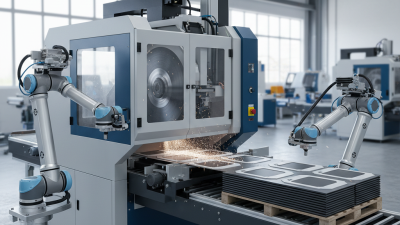
Automation will also play a key role in label production. Streamlined processes enhance speed and accuracy. Nonetheless, transitioning to automated systems demands significant investment. Smaller brands may find it daunting. They must weigh the pros and cons carefully. The future of Label Press is promising, but it requires adaptability and thoughtful planning.
What is Label Press and Why is it Essential for 2026 Top Brands?
| Dimension | 2023 Trends | 2026 Predictions | Future Opportunities |
| Technology Advancement | Digital printing dominance | Increased automation and AI | Smart labels and IoT integration |
| Sustainability | Focus on recyclable materials | Biodegradable inks | Circular economy in labeling |
| Consumer Engagement | Emphasis on transparency | Interactive labels | Augmented reality experiences |
| Customization | Limited edition designs | On-demand printing | Personalized labeling solutions |
| Market Trends | Growth in e-commerce | Expansion in global markets | Niche markets and specialized labels |
FAQS
: Label printing technology has improved in efficiency, sustainability, and digital capabilities in recent years.
The market is projected to grow by 4% annually, reaching $50 billion by 2026.
They offer flexibility, speed, and shorter production runs, essential for brands today.
Companies adopting digital methods report a 30% reduction in production costs overall.
Eco-friendly practices attract consumers; 70% prefer brands that show environmental responsibility.
Many presses now use water-based inks and recyclable substrates to support sustainability.
Brands can choose colors, materials, and finishes to create appealing and unique labels.
Some brands are overwhelmed by rapid advancements and struggle to adapt to digital printing.
Brands must make informed choices that meet consumer expectations while ensuring profitability.
Transitioning to greener practices requires careful planning and consideration of costs and impacts.
Conclusion
Label Press is a crucial technology for brands aiming to enhance their market presence in 2026 and beyond. This system has evolved significantly, incorporating modern features that streamline the labeling process and ensure high-quality outputs. The importance of labeling goes beyond mere product identification; it plays a vital role in shaping brand identity and recognition. By effectively using Label Press technology, brands can create distinctive labels that resonate with consumers, fostering loyalty and increasing visibility in a competitive landscape.
Looking ahead, future trends in Label Press suggest continued advancements in automation, sustainability, and customization, which will empower brands to adapt to changing consumer preferences. Case studies demonstrate how successful brands leverage Label Press to solidify their image and connect with their audience, illustrating the essential role that labeling plays in modern branding strategies. As we approach 2026, the integration of innovative Label Press systems will be indispensable for brands seeking to thrive in a dynamic market environment.

 Contact immediately

 Contact Phone
 Contact Email