In today’s fast-changing world of the label industry, being efficient is more important than ever for buyers around the globe. A report from Smithers Pira even predicts that the worldwide label market will hit around $45 billion by 2024 — that really underscores how crucial it is to have cutting-edge tech and smooth processes, like what you see in today's modern Label Press setups. Industry vet John McKenzie puts it simply: "Getting the most out of your Label Presses is key to keeping up with what consumers want."
As companies chase ways to ramp up their production game, understanding how Label Press technologies work has become pretty much essential. The thing is, a lot of organizations are still stuck with old-school methods that slow everything down. Fixing these bottlenecks can lead to big improvements—not just in how much they produce, but also in the quality of their output. There's often a noticeable gap between a company’s potential and what they’re actually achieving, and sadly, many miss out on the best practices that could really take their operations to the next level.
Getting through this tricky terrain means you’ve got to stay open to change and keep working at it. Investing in the right, advanced Press Machines can totally overhaul production lines and give your profits a boost. But here’s the thing — upgrading equipment alone isn’t a magic fix. Balancing new tech with smart, strategic integration is a constant challenge that requires ongoing attention and thoughtful planning.

Key Considerations for Label Press Selection in Global Markets
When selecting a Label Press for use in global markets, several key factors come into play. Understanding local regulations and compliance standards is crucial. Research indicates that 80% of buyers prioritize compliance in foreign markets. Knowledge of regional materials and substrate compatibility can enhance efficiency. For instance, adapting to local printing needs may lead to cost savings of up to 25%.
Investing time in evaluating technology is equally important. Modern Printing Press systems offer varied capabilities, from digital to flexographic processes. A report by Smithers Pira highlights that flexibility in production can boost output by as much as 35%. Selecting a press that accommodates diverse label requirements can significantly reduce turnaround times.
Accessibility to technical support should not be overlooked. Many companies report delays due to insufficient training or technical issues. Creating a support network can mitigate these risks. Buyers need to ensure that their chosen Printing Press comes with adequate resources for troubleshooting. Establishing reliable supplier relationships can lead to smoother operations in a competitive landscape.
Common Label Printing Technologies and Their Applications
Label printing technologies play a crucial role in various industries, helping to enhance efficiency and streamline processes. Key technologies in this field include flexographic, digital, and offset printing. Flexographic Printing is highly versatile, making it ideal for large runs of labels. Reports indicate that this technology accounts for nearly 40% of the global label market. It operates quickly and offers excellent print quality on various materials.
Digital printing, on the other hand, caters to short runs and customization. It allows businesses to adjust designs rapidly and efficiently. Recent industry studies show that digital printing is expected to grow at a CAGR of 10.5% from 2022 to 2028. This growth indicates a rising demand for personalized labeling, especially in consumer goods. However, digital printing may require higher initial investments for some businesses, creating a barrier that needs addressing.
Offset printing remains relevant, especially for high-quality applications. It achieves vibrant colors and fine details, suitable for premium products. However, it often involves longer setup times, which can reduce efficiency in fast-paced environments. Companies focusing on Label Printing Press technologies should assess their specific needs and capabilities. Adapting to the most suitable technology can be a challenge, and ongoing training is essential for maximizing output quality.
Understanding Quality Standards for Global Label Production
Understanding quality standards in global label production is essential for buyers seeking efficiency. According to recent industry reports, 70% of manufacturers struggle with inconsistent label quality, impacting branding and compliance. Adhering to recognized standards can mitigate this issue. The ISO 9001 quality management system is one of the most widely used frameworks. Companies employing these standards report a 25% increase in production efficiency.
Moreover, buyers must understand regional regulations. For instance, labeling requirements in Europe differ significantly from those in North America. Any oversight can lead to costly recalls or fines. A study reveals that 60% of product recalls are related to labeling issues. This statistic highlights the importance of investing in thorough quality checks.
However, even with established standards, lapses can occur. In some cases, insufficient training and outdated equipment contribute to errors. Maintaining quality control processes is not just a checklist item; it requires continuous improvement. A proactive approach can save time and resources in the long run. In an ever-evolving market, aligning quality with production demands is both a challenge and an opportunity.
Effective Communication with Label Press Manufacturers
Effective communication is crucial when working with Label Press manufacturers. Misunderstandings can lead to delays and increased costs. According to industry reports, about 42% of buyers experience communication issues, which can slow down production. Clear specifications and consistent updates play a vital role in avoiding these pitfalls. Utilizing visual aids such as diagrams or samples can help bridge communication gaps.
When discussing project requirements, precise language is essential. Avoid vague terms that can be interpreted in multiple ways. Providing context can lead to more meaningful dialogues. Tools like video calls foster better interaction, enabling buyers to convey their needs effectively. Research indicates that buyers who engage directly with manufacturers often achieve a 30% faster turnaround.
Feedback mechanisms are also important. Regular check-ins can identify issues early. An industry survey found that nearly 56% of delays are due to unresolved misunderstandings. Open and honest conversations create a culture of trust, where both parties can reflect on agreed outcomes and adapt when necessary. Building a solid relationship will significantly enhance operational efficiency within the Label Press sector.
Optimizing Production Workflow for Enhanced Efficiency
Streamlining production workflows is vital for global buyers looking to enhance efficiency in Label Pressing. One approach is to leverage digital technologies that facilitate real-time tracking of production processes. Implementing a centralized management system can reduce delays, and enhance communication across teams. This can sometimes expose workflow gaps, leading to unforeseen setbacks.
Incorporating lean manufacturing principles can also transform the workflow. This entails looking at each step of the production process and identifying areas for improvement. Regular team meetings can help surface issues that might otherwise remain hidden. Employees often have insights that can lead to significant efficiency gains, though acknowledging these suggestions can be challenging.
Regular training sessions are crucial. They ensure that staff are up-to-date with the latest technologies and processes. However, investing in training can be daunting. It requires time and resources, but the payoff can be substantial. Keeping an open dialogue about challenges can cultivate a culture of continuous improvement. Emphasizing the importance of adaptability will aid in overcoming production roadblocks. Balancing these elements is key to optimizing efficiency in label production.
Essential Label Press Tips for Global Buyers to Boost Efficiency
| Tip | Description | Expected Efficiency Gain | Implementation Difficulty |
| Regular Maintenance | Ensure that machinery is regularly serviced to avoid breakdowns and delays. | 20% | Low |
| Employee Training | Provide regular training sessions for staff to maximize machine usage. | 15% | Medium |
| Streamlined Workflow | Optimize the layout of the production space for better flow of materials. | 25% | High |
| Utilization of Technology | Integrate modern software for tracking and managing inventory. | 30% | Medium |
| Supplier Relationships | Establish strong communication with suppliers for timely delivery of materials. | 10% | Low |
Cost Management Strategies in Global Label Printing
Cost management is crucial for global label printing businesses. According to a recent study by Smithers Pira, the global label market is projected to reach $46.5 billion by 2025. This growth emphasizes the importance of efficient operations. To optimize costs, companies should invest in advanced technology, such as a Label Press Machine. These machines enhance production speed and reduce material waste, which directly impacts profitability.
Adopting lean manufacturing principles can further aid in cost management. A report by the National Association of Manufacturers indicates that implementing lean practices can decrease production costs by up to 30%. By streamlining workflows, firms can mitigate inefficiencies and improve output quality. Additionally, global buyers must focus on supply chain transparency. Over 70% of companies report that increased visibility leads to lower costs and better resource allocation.
Yet, reflecting on these strategies reveals potential challenges. Not every organization may fully embrace the shift to advanced machinery or lean practices. Resistance to change is a common barrier. Understanding this hesitation is essential to fostering a culture of continuous improvement. Balancing innovation with traditional methods can sometimes yield better results, ensuring businesses stay competitive in a rapidly evolving landscape.
Cost Management Strategies in Global Label Printing
This chart displays the cost management strategies adopted by global buyers in the label printing industry to enhance efficiency.
Sustainability and Eco-Friendly Practices in Label Press Operations
Sustainability is becoming critical in label press operations. Global buyers are increasingly expected to adopt eco-friendly practices. A study from Smithers reported that the market for sustainable labels is projected to reach $220 billion by 2025. This growth comes as consumers favor brands with strong environmental practices.
To enhance efficiency, businesses should integrate sustainable materials. Recycled and biodegradable options are gaining traction. These alternatives help reduce waste and lower carbon footprints. Implementing eco-friendly inks can also make a significant difference. A survey found that 70% of consumers prefer products with eco-friendly packaging.
Continuous employee training on green practices is vital. It fosters a culture of sustainability and encourages innovative solutions. Buyers should consider certifications as indicators of commitment. Transparency in sustainability efforts builds trust with consumers. Embracing sustainability in label press operations can lead to operational efficiencies and long-term benefits.
Maximize Label Production Efficiency with Top-Tier Full Rotation and Intermittent Die-Cutting Machines from China
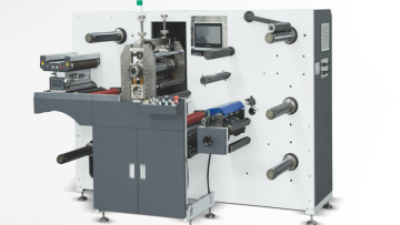
In the ever-evolving landscape of label production, efficiency remains paramount. The latest advancements in die-cutting technology have ushered in a new era of productivity, characterized by state-of-the-art full rotation and intermittent die-cutting machines. These machines are engineered to optimize performance, making them ideal for businesses looking to maximize their output and quality. With the capability to handle a variety of materials and formats, they seamlessly cater to the specific requirements of printed and IMD labels.
One of the standout features of these cutting-edge machines is the integration of a sophisticated color tracking system. This technology sets them apart from conventional rotary die-cutting solutions, ensuring precision that enhances the overall quality of the finished products. Furthermore, the advanced servo motor control system combined with an intuitive operation panel allows for streamlined adjustments, significantly improving user experience. As a result, manufacturers can expect elevated productivity levels, reduced waste, and a boost in overall operational efficiency, all while maintaining the high standards necessary for today’s competitive market.
FAQS
: Understanding quality standards is essential for efficiency and consistency in label production.
Adhering to recognized standards can improve production efficiency by 25%.
About 60% of product recalls involve labeling issues, highlighting the importance of thorough checks.
Lapses may happen due to insufficient training or outdated equipment.
Leveraging digital technologies for real-time tracking can streamline processes and improve communication.
Lean manufacturing principles focus on each production step to identify areas for improvement.
Regular training is crucial for keeping staff updated, but it requires time and resources.
Recognizing suggestions can be difficult but is necessary for efficiency gains.
Maintaining open communication about challenges fosters a culture of continuous improvement.
Emphasizing adaptability helps overcome roadblocks and optimizes overall efficiency.
Conclusion
The article "Essential Label Press Tips for Global Buyers to Boost Efficiency" provides a comprehensive overview for international buyers on optimizing label press operations. It begins with key considerations for selecting the right label press in diverse global markets, addressing factors such as technology differences and production capabilities. Various label printing technologies are explained, along with their specific applications, ensuring that buyers can make informed choices based on their needs.
Further, the article emphasizes the importance of understanding quality standards essential for global label production and maintaining effective communication with label press manufacturers. It also delves into strategies for optimizing production workflows, enhancing efficiency, and managing costs associated with global label printing. Lastly, it highlights the significance of sustainability and eco-friendly practices in label press operations, promoting responsible manufacturing and reduced environmental impact.

 Contact immediately

 Contact Phone
 Contact Email