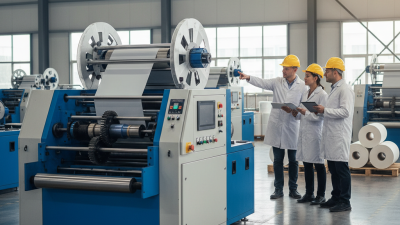
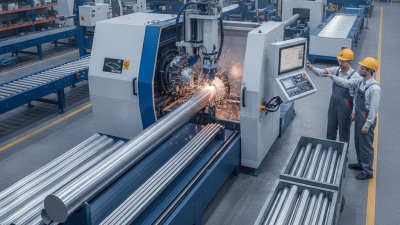
In the fast-moving world of manufacturing, the Rewinding Machinereally plays a key role across a bunch of industries. Experts like John Smith from Tech Industries often emphasize, “The efficiency of a Rewinding Machine can really make or break product quality.” That just shows how important it is to get a good handle on how these machines actually work.
A Rewinding Machine is pretty much essential when you're working with materials like film, foil, or paper. Basically, it unrolls a large roll of material, shapes or processes it, then rewinds it into smaller rolls that are easier to handle. It’s a process that needs to be super precise and reliable. Choosing the right equipment can really boost your efficiency and cut down on waste — nobody wants to toss out perfectly good material, right?
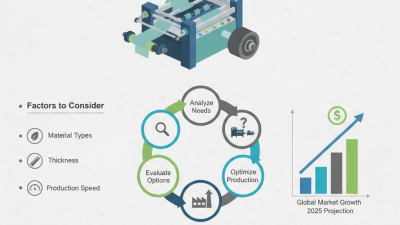
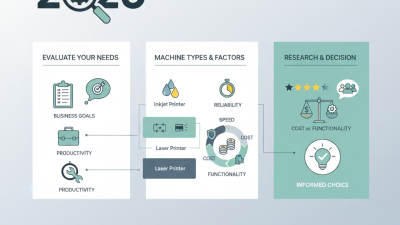
Now, picking the right Rewinding Machine isn't exactly a walk in the park. There are a bunch of models out there, each with its own set of features. So, it’s crucial to figure out exactly what you need. Things like what material you're working with, how much you need to produce, and what kind of output you’re aiming for all matter. Like John Smith says, “Not all machines are created equal — finding one that fits your needs takes some careful thought.”
What is a Rewinding Machine?
A Rewinding Machine is an essential device in the manufacturing and packaging industry. It primarily functions to unwind material from large rolls and then rewind it into smaller, more manageable sizes. These machines are crucial for various materials, such as paper, film, and textiles. They enhance efficiency in production lines, allowing for streamlined processes and reduced waste.
Rewinding Machines, particularlySlitting Rewinding Machines, have gained popularity due to their versatility. Research indicates that the global market for rewinding machines is projected to grow by 5% annually. This growth highlights the increasing demand for high-precision winding applications. A well-configured Slitting Rewinding Machine can significantly improve product quality and consistency.
Tips: Consider the machine's speed and precision levels when choosing a rewinding system. Additionally, regular maintenance is vital to ensure optimal performance. Proper training for operators can also reduce mistakes. Not all machines cater to every material. Understanding specific requirements can prevent costly errors.
Key Components of a Rewinding Machine
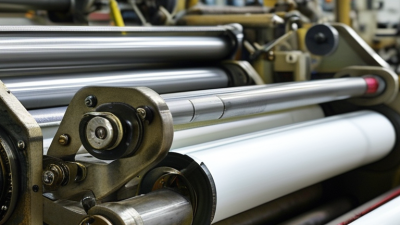
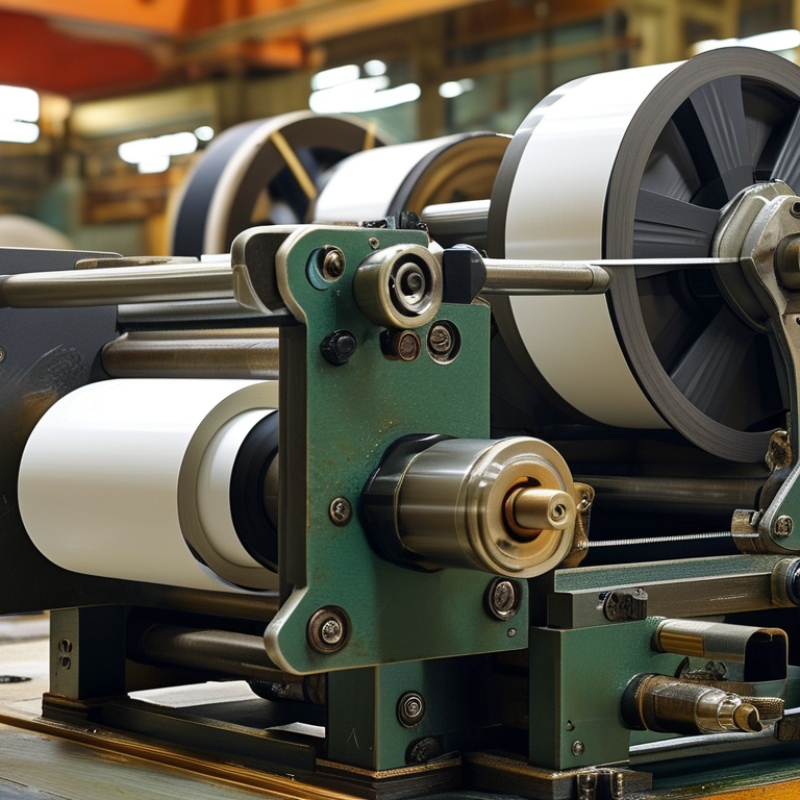
A Rewinding Machine is essential in various industries, mainly for processing materials like film, paper, and textiles. Understanding its key components can help optimize efficiency. A main component is the unwind stand, which holds the raw material rolls. This area is often equipped with tension control, which is crucial for maintaining consistent material flow.
Another important part is the rewinding unit. It is responsible for rolling the material back onto a smaller core. This unit often features different roll diameters, which allow customization for specific applications. According to a report from the Flexible Packaging Association, efficient rewinding can increase production rates by up to 30%.
Additionally, many modern Rewinding Machines incorporateautomated control systems. These systems enhance precision in the rewinding process. However, they can also introduce complexity and require skilled operators to manage them effectively. In some instances, inconsistent material quality can impact the overall effectiveness of the rewinding, underscoring the need for thorough material testing. Therefore, understanding each component's function is vital for optimal machine performance.
The Working Principle of Rewinding Machines
Rewinding Machines play a crucial role in various industries. They efficiently manage materials likepaper, film, and foil by converting large rolls into smaller ones. Understanding the working principle of these machines is essential for optimizing production processes.
The core operation centers on a series of rollers and guiding systems. The material unwinds from a parent roll, passes through an intricate path, and rewinds onto a core. Sensors monitor tension and speed, ensuring smooth operation. Operators can adjust parameters based on the material type, thickness, and desired finished product. For example, when dealing with delicate films, the machine’s tension must be lower to prevent damage.
Tip: Regular maintenance can extend the lifespan of your Slitting And Rewinding Machine. Inspect rollers and guides for wear to avoid unexpected breakdowns.
An experienced operator understands how to troubleshoot common issues. For instance, uneven rewinds can indicate misalignment or incorrect tension settings. Adjusting the guides may resolve these problems quickly.
Tip: Always document any adjustments made to the machine. This record can help improve settings over time and avoid repetitive mistakes.
Types of Rewinding Machines and Their Uses
Rewinding machines play a critical role in various industries, particularly in paper and film production. Among these machines, the Paper Rewinding Machine is essential for transforming large rolls of material into smaller, manageable sizes. This machine streamlines the process, making it significantly easier to handle, transport, and use the materials in different applications.
There are different types of rewinding machines available, each suited for specific tasks. For instance, automatic rewinding machines increase efficiency by reducing manual intervention. Semi-automatic machines offer flexibility, allowing operators to set parameters according to the material type. Some models even provide features like tension control and alignment adjustments. However, a user may encounter challenges in achieving the desired unwind speed or tension, highlighting the need for operator expertise.
In addition to paper, rewinding machines can also handle materials like plastic films, textiles, and metal foils. Each material requires a tailored approach in the rewinding process. Understanding the specific needs of each application is vital. Mistakes in choosing the wrong machine can lead to product waste or quality issues. Hence, operators must invest time in learning and adapting to the technology for optimal results.
Common Applications of Rewinding Machines
Rewinding machines play a crucial role in various industries. They are vital for processing different materials such as paper, film, foil, and textiles. In packaging, for instance, these machines help transform large rolls into smaller, manageable ones. This not only improves storage efficiency but also enhances workflow in manufacturing.
According to industry reports, the global rewinding machine market is expected to reach USD 4.5 billion by 2026. The demand for these machines in the packaging sector contributes significantly to this growth. An estimated 35% of rewinding machines are used in the film and foil industry. These machines ensure quality control during the winding process, preventing defects and ensuring consistency. Efficiency depends on precise tension regulation; improper tension can lead to roll defects, demanding reflection on machine operation standards.
In textiles, rewinding machines are essential for preparing yarns for weaving. They ensure that yarn is wound evenly, minimizing wastage. However, maintaining these machines is often overlooked, leading to operational delays. Operators need proper training to maximize performance and reduce downtime. Regular maintenance checks are critical to achieving optimal results. The industry showcases a continuous need for innovation in machine design to improve reliability and effectiveness in various applications.
What is a Rewinding Machine and How Does It Work? - Common Applications of Rewinding Machines
| Feature | Description |
| Type | Rotary Rewinding Machine |
| Function | To rewind materials onto rollers or spools |
| Materials Used | Paper, Film, Foil, Fabric, Tape |
| Applications | Packaging, Printing, Textile, Electronics |
| Advantages | Increased efficiency, Precise tension control, Versatility |
| Operation Mode | Automatic and Manual options available |
Maintenance Tips for Rewinding Machines
Regular maintenance of a rewinding machine is essential for optimum performance. According to a report by the Industrial Technology Institute, around 30% of machine downtime is linked to maintenance issues. This emphasizes the importance of a proactive approach to maintenance plans. Key practices include regular inspections, lubrication of moving parts, and checking for wear and tear. Small issues often escalate into larger problems if left unnoticed.
Keeping accurate records of each maintenance activity can greatly aid efficiency. Many experts recommend using a simple tracking system to log conditions and repairs. This practice can help identify patterns that reveal potential areas for improvement. In a study conducted by the Manufacturing Health Institute, it was found that machines with a detailed maintenance history have a 25% longer lifespan.
Moreover, operators should receive training on the basics of the machine. Understanding how a Paper Slitting And Rewinding Machine functions can significantly lower error rates. Improper handling can lead to costly mistakes. Operators must know how to spot early signs of malfunction. Remember that even minor anomalies should not be ignored. Proper training and open communication can prevent prolonged downtime.
Advantages of Using Rewinding Machines in Industry
Rewinding machines play a crucial role in various industries. They help in converting materials like paper, textiles, and film into usable rolls. One major advantage of using these machines is efficiency. They significantly speed up the process of handling large volumes of material. This saves time and reduces labor costs. Businesses can meet demand more effectively with these machines.
Another benefit is precision. Rewinding machines ensure uniform tension and consistent sizing. This leads to high-quality output, which is critical in sectors like printing or packaging. Additionally, these machines reduce waste by optimizing how materials are processed. Properly calibrated machines minimize defects, ensuring that products meet industry standards.
Despite their advantages, operators must remain vigilant. Regular maintenance is essential to prevent breakdowns. Inexperienced handling can lead to inconsistent product quality. Companies need to train staff and monitor processes continuously. Implementing feedback mechanisms can also help in addressing issues proactively. This way, businesses can fully leverage the benefits of rewinding machines while also acknowledging areas for improvement.
Advantages of Using Rewinding Machines in Industry
Enhancing Printing Efficiency: Insights from Global Market Trends on Fully Servo Flexographic Printing Technologies
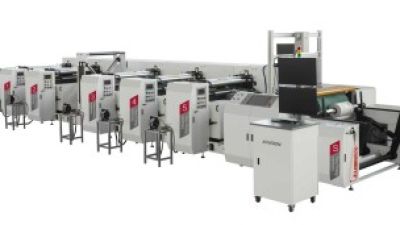
In today's fast-paced printing industry, fully servo flexographic printing technologies are redefining efficiency and productivity. The global market has seen significant advancements, with reports indicating that the servo flexographic printing segment is projected to grow substantially, influenced by the increasing demand for high-quality packaging and labels. This technology enables manufacturers to achieve greater accuracy and speed, thus minimizing production delays and reducing waste.
Our advanced printing unit embodies these innovations, featuring a user-friendly roller pillow that allows for quick order changes without the need for additional tools. This flexibility is essential in an industry where speed-to-market can determine competitiveness. The pneumatic mechanism incorporated into our design ensures effortless operation of both the printing cylinder and anilox roller, facilitating seamless transitions and enhancing overall workflow. Furthermore, the optional capabilities for surface rewinding, slitting, and non-stop unwinding add to the efficiency of the printing process.
With integrated features such as CCD visual registration and horizontal servo registration, our servo-driven model maintains stable registration throughout both acceleration and deceleration phases. According to recent industry research, systems that incorporate pre-registration functions can significantly boost productivity, minimizing material waste by up to 30%. As the demand for high-quality and flexible printing solutions grows, our commitment to innovation in servo flexographic technology ensures that we are well-positioned to meet the evolving needs of the market.
FAQS
: A rewinding machine processes materials like film, paper, and textiles into smaller rolls.
The unwind stand holds the raw material rolls and features tension control for consistent flow.
Efficient rewinding can increase production rates by up to 30%, according to industry reports.
Automated control systems enhance precision but can introduce complexity, requiring skilled operators.
Inconsistent material quality can impact rewinding effectiveness, highlighting the need for thorough testing.
Rewinding machines process paper, plastic films, textiles, and metal foils, each requiring tailored approaches.
Improper tension can lead to roll defects, necessitating reflection on operation standards and practices.
The global rewinding machine market is expected to reach USD 4.5 billion by 2026, driven by packaging demand.
Overlooking maintenance can lead to operational delays; regular checks are essential to maintain performance.
Choosing the wrong rewinding machine can result in product waste or quality issues, emphasizing the need for careful selection.
Conclusion
A Rewinding Machine is a crucial device used in various industries for winding and unwinding materials such as paper, film, textiles, and more. The machine operates on a simple principle, where it takes the raw material from a roll, processes it, and rewinds it onto another roll, ensuring uniform tension and alignment. Key components include the feed roller, tension control system, and cutting mechanisms, which work together to facilitate efficient operation.
There are various types of Rewinding Machines, each suited for specific applications, ranging from simple manual models to fully automated systems. Common applications include packaging, printing, and manufacturing, where precision and efficiency are vital. Regular maintenance is essential for optimal performance, including cleaning, lubricating moving parts, and checking for wear. The advantages of utilizing Rewinding Machines in industry include increased productivity, better material handling, and reduced waste, making them an invaluable part of modern manufacturing processes.

 Contact immediately

 Contact Phone
 Contact Email