In the fast-moving world of manufacturing, making sure operations run smoothly is absolutely crucial. One key piece of the puzzle is the Rewinding Machine. Picking the right equipment can seriously boost your productivity and the quality of your output. But honestly, wading through all those options can be pretty overwhelming – it’s easy to get lost or unsure where to even start!
Getting a good grip on the features and specs of a Rewinding Machine is super important if you want to make smart decisions. These machines aren’t just an afterthought; they’re vital in industries like textiles and packaging. Making a bad choice can cause delays, rack up costs, and just cause a headache overall. That's why it’s worth taking the time to evaluate your suppliers – trustworthiness and the latest tech they’re offering really matter.
Trying to find the perfect Rewinding Machine involves a mix of some research and a bit of hands-on experience. Finding that sweet spot is key—sure, everyone loves saving a buck, but sacrificing on quality isn’t the way to go. Chatting with reputable suppliers or trusted experts can really open your eyes to what’s available. Their advice can save you heaps of time and cash in the long run, and steer you clear of the usual pitfalls.
Understanding the Basics of Rewinding Machines for Sourcing
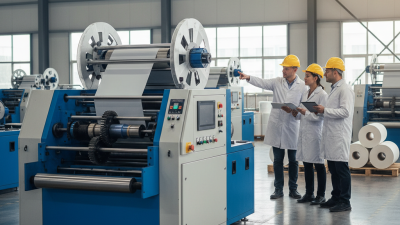
Rewinding Machines are vital in many industries. Understanding their operation is crucial for efficient sourcing. ASlitting Rewinding Machine plays a key role in transforming large rolls of material into smaller, usable sizes. This process enhances productivity and reduces waste. The demand for such machines has surged, with market reports indicating a growth rate of over 5% annually in the rewinding equipment sector.
Effective sourcing starts with knowing the types of materials you will be working with. Each material may require a different configuration. For example, plastic films differ greatly from paper or textile substrates. Research shows that improper selection can lead to waste. Many manufacturers face increased costs when the right machine is not utilized.
Another critical aspect is maintenance. Regular checks on your Slitting Rewinding Machine can prevent unexpected downtimes. Reports reveal that companies neglecting this can suffer fromproduction delays, impacting overall efficiency. Balancing cost-saving efforts with equipment reliability is essential. Sometimes, the cheapest options may lead to higher long-term expenses. Understanding these nuances can guide you toward making informed sourcing decisions.
Key Features to Look for in Rewinding Machines
When sourcing a Rewinding Machine, consider several key features to ensure efficiency and reliability. One critical aspect is the machine's speed. A higher speed can enhance productivity, but it needs to be balanced with precision. Machines that operate too fast may lead to material damage or inconsistent rewinding quality. Pay attention to the speed variability options as well, which can cater to different materials and thicknesses.
Next, explore the tension control capacity of the Rewinding Machine. Proper tension ensures that the materials are rewound evenly. Poor tension adjustments can cause misalignment and ruin the final product. A machine with advanced tension control systems is essential for maintaining quality. Additionally, look for machines that offer user-friendly interfaces for easy operation. This can reduce training time and improve workflow efficiency.
Lastly, durability is a feature worth investing in. Machines that show signs of wear quickly can hinder production. Regular maintenance is necessary, but some machines may require more than others. Reflect on your operational needs and the machine's reliability. Finding a balance between features and costs is crucial for effective sourcing of your Slitting And Rewinding Machine.
Evaluating Different Types of Rewinding Machines for Efficiency
When selecting a Rewinding Machine for efficiency, it's crucial to evaluate the specific types available. A recent industry report indicates that about 70% of manufacturing delays stem from inefficient machinery. One of the critical types is thePaper Rewinding Machine, known for its versatility in handling various materials. This machine can maximize production rates while minimizing waste. Proper selection can lead to a 15% increase in operational efficiency.
Another factor is the technology incorporated into the Rewinding Machines. Advanced models offer features like automatic tension control and real-time monitoring. These features can reduce the risk of defects, leading to a significant decrease in rework and scrap rates. An analysis found that machines with these technologies can reduce production disruptions by up to 25%. However, investing in such advanced machinery often requires a considerable initial outlay.
It's important to acknowledge the learning curve associated with these machines. Operators may face challenges when transitioning to new systems, impacting overall productivity initially. Training programs are essential but can be resource-intensive. Evaluating both the capabilities of different machines and the practical aspects of operational training is vital for making informed decisions. The right balance can enhance overall efficiency in the long run.
Best Practices for Sourcing Rewinding Machines Effectively
When sourcing Rewinding Machines, understanding your specific needs is crucial. The production demands vary greatly across industries. Recent studies indicate that 75% of production delays are linked to inadequate equipment. This data underscores the importance of selecting the right machine to optimize workflow.
Consider working closely with industry experts before making a decision. They can help assess your production volume and material types. Utilizing tools like the Total Cost of Ownership (TCO) model can reveal hidden costs. Often, organizations overlook maintenance and operational expenses, which can impact long-term profitability.
It's essential to compare specifications from various suppliers. A thorough analysis might expose gaps in information. Less clear specifications can lead to unforeseen challenges. Engaging in discussions with peer companies can provide insight into their successes and struggles. Real-world experiences often highlight the issues that reports do not cover. Adapting the right machine for your operations is a continuous process. Regular evaluations and adjustments may be necessary to remain competitive in a rapidly evolving market.
Cost Considerations When Sourcing Rewinding Machines
Cost considerations play a vital role in sourcing rewinding machines. First, you need to assess the total cost of ownership. This includes the initial purchase price, maintenance expenses, and operational costs. Many buyers focus solely on the upfront price, often overlooking long-term costs. This imbalance can lead to unexpected expenses down the road.
Secondly, consider the machine’s efficiency. An efficient machine may have a higher initial cost but can save on labor and energy over time. It’s important to estimate how much these savings can offset the initial expenditure. For example, a machine that reduces downtime will pay for itself quicker.
Additionally, transportation and installation costs can add up. Look for vendors that provide clear estimates for these expenses. A detailed quote can help in understanding the complete costs involved. Don’t forget to factor in potential training expenses for your team. Ensuring that operators understand the machine is crucial for maximizing its performance. Reflecting on these factors results in more informed decisions when sourcing rewinding machines.
Supplier Selection: Finding Reliable Manufacturers for Rewinding Machines
Choosing the right suppliers for Paper Slitting And Rewinding Machine is a crucial step in maximizing operational efficiency. A recent industry report highlighted that approximately 70% of production downtime can be attributed to equipment failure due to subpar machinery. Thus, selecting reliable manufacturers is not just about cost; it's about ensuring production continuity.
Quality assessments should focus on a manufacturer's track record. Investigate their experience in the industry and ask for case studies or references. A manufacturer with a proven history in Paper Slitting And Rewinding Machine production will likely produce higher-quality machines. Additionally, consider the manufacturer's adherence to international quality standards. Compliance with ISO certifications indicates a commitment to quality.
It’s important to evaluate post-purchase support as well. A reliable supplier should offer training and maintenance services. A significant portion of users report feeling unclear about machine operation because of inadequate training. Look for suppliers who provide comprehensive documentation and practical training sessions. Making the right choice in supplier can significantly lower risks and improve long-term stability in production processes.
Maintenance Tips for Maximizing Rewinding Machine Efficiency
Maintaining a rewinding machine is crucial for ensuring its efficiency. Regular maintenance helps prevent unexpected breakdowns. This can save time and resources in the long run. It is essential to establish a routine check-up schedule. During these checks, inspect the blade and adjust tension as necessary. Ignoring these aspects might lead to uneven rolls.
Proper lubrication is another key factor. Use appropriate lubricants to minimize friction. A machine running without sufficient oil can result in wear and tear. Inspect bearings and gears for any signs of damage. Paying attention to these details can enhance the machine's lifespan.
Moreover, cleanliness is vital for the rewinding process. Dust and debris can cause jams and affect quality. Making an effort to keep the workspace tidy is beneficial. This is often overlooked, but it plays a significant role in performance. Regular cleaning will help maintain consistent output quality. It’s easy to miss these steps, but they are essential for efficiency. Keeping a checklist can be a valuable tool for these tasks.
Ultimate Guide to Rewinding Machine Tips for Efficient Sourcing
| Parameter | Value | Recommended Maintenance Frequency |
| Blade sharpness | Optimal | Every 500 hours |
| Motor lubrication | Sufficient | Every 300 hours |
| Tension adjustments | Standard | Every production cycle |
| Electrical connections | Stable | Monthly |
| Roll alignment | Proper | Every 1000 hours |
Enhancing Operational Efficiency with Automatic Medium-Speed Cutting Machines: Insights from Industry Reports on High-Speed Slitting Solutions
The demand for operational efficiency in the packaging industry has led to the development of advanced high-speed slitting machines. These innovative solutions not only enhance productivity but also ensure precision in the slitting process. The introduction of automatic medium-speed cutting machines is particularly noteworthy, as they integrate sophisticated features aimed at addressing the dynamic needs of the packaging sector.
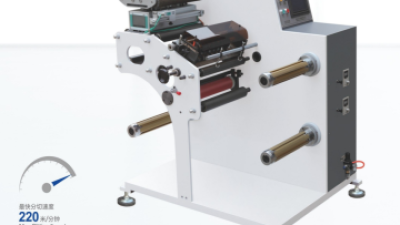
One of the key features of these machines is the full-service winding and unwinding taper tension system, which provides consistent material handling. Coupled with an independent deviation correction system utilizing ultrasonic edge guidance, these machines can achieve remarkable accuracy, minimizing errors during production. Additionally, the user-friendly circular knife cutting mechanism allows for swift disassembly and assembly, thereby reducing downtime and maximizing efficiency.
Further enhancing operational capabilities, these slitting machines are equipped with advanced counting systems that ensure high calculation accuracy, essential for managing transparent materials. Adaptability is a core characteristic, as the machines support interchangeable inflatable shafts and various functionalities like meter counting and electrostatic treatment. As the packaging industry continues to evolve, these high-speed slitting solutions offer an effective way to meet production demands while maintaining high standards of quality and efficiency.
FAQS
: Rewinding machines transform large rolls into smaller sizes. This process boosts productivity and reduces waste.
Different materials need different configurations. Incorrect choices can lead to waste and higher costs.
Regular maintenance prevents unexpected downtimes. Neglect can cause production delays and efficiency loss.
Focus on the supplier's reliability, track record, and adherence to quality standards. Don't overlook cost.
Equipment failure can cause significant downtime. This can lead to costly disruptions in production flow.
Good support includes training and maintenance services. Many users struggle due to lack of proper training.
Manufacturers with a rich history often produce better machines. Look for references and case studies.
Compliance with international quality standards, like ISO, indicates a commitment to quality in production.
Regular checks are crucial, but the frequency can depend on usage. Stay proactive to avoid issues.
Yes, cheaper options can lead to higher long-term expenses if they compromise reliability or efficiency.
Conclusion
The "Ultimate Guide to Rewinding Machine Tips for Efficient Sourcing" provides a comprehensive overview of essential aspects to consider when sourcing rewinding machines. It begins with an introduction to the basics of rewinding machines, highlighting key features that can influence efficiency. The article emphasizes the importance of evaluating various types of rewinding machines, alongside outlining best practices for effective sourcing. Additionally, it delves into cost considerations and offers guidance on selecting reliable manufacturers, ensuring that businesses can secure quality machinery.
Furthermore, the guide includes maintenance tips to maximize the efficiency of rewinding machines over time. By following these insights, companies will be better equipped to make informed decisions, enhance their operational efficiency, and ultimately achieve successful sourcing outcomes in the realm of rewinding machines.

 Contact immediately

 Contact Phone
 Contact Email