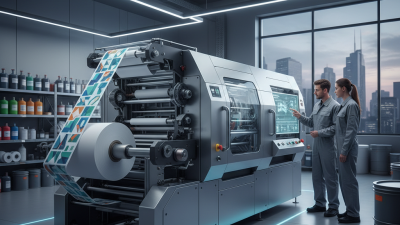
When it comes to the fast-paced world of printing, the Roll Printing Machine really stands out. It’s changing the way we think about printing on fabrics and other materials. I read a quote from John Miller, who’s an industrial printing expert at PrintTech Innovations—he mentioned that “the efficiency of a Roll Printing Machine can cut down production times and save a bunch on costs.” Sounds like a game-changer, right? That really highlights just how important these machines are in today’s manufacturing scene.
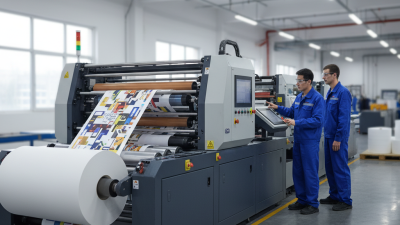
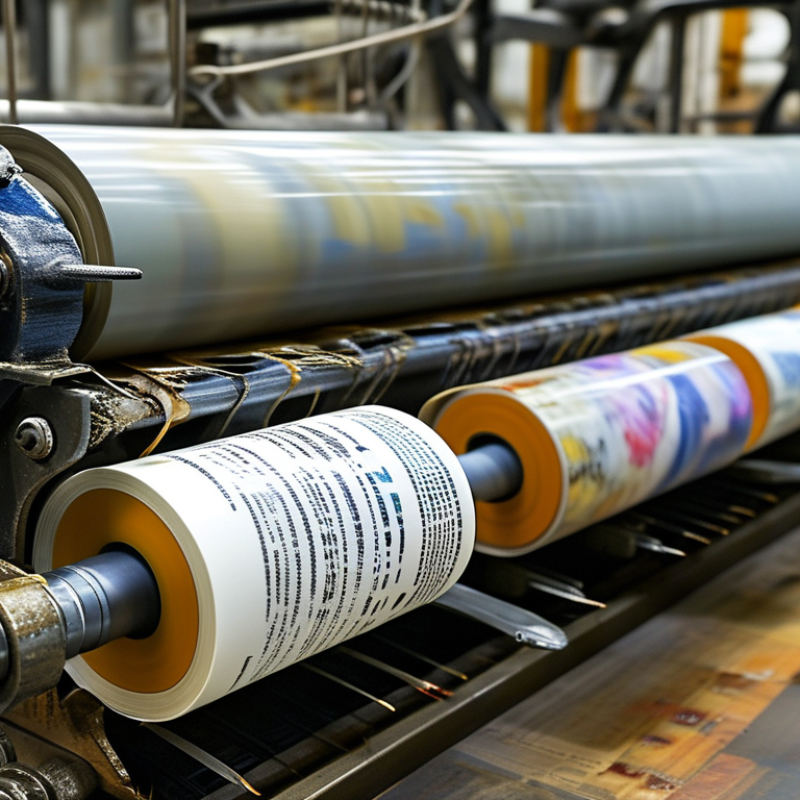
Basically, a Roll To Roll Printing Machine works by feeding your materials through a series of rollers. These rollers help apply ink or other substances evenly, so the print quality stays consistent and sharp. It’s pretty popular in busy industries like textiles, packaging, and labels because it makes complex tasks much simpler. With a machine like this, companies can produce large quantities quickly and efficiently.
Of course, it’s not all smooth sailing. There are some challenges too. Keeping the quality steady can be tricky since different batches of materials might vary. Each batch needs careful checking to avoid any hiccups. As technology advances, it’s critical for us to keep improving these processes. Adapting to new demands while still delivering top-notch quality is a constant juggling act, but it’s necessary for staying competitive.
Definition of Roll Printing Machine
A Roll Printing Machine is an innovative device used primarily in textile and packaging industries. It allows for efficient printing on various materials, including fabrics, plastics, and papers. With its ability to handle long rolls of material, it significantly reduces production time and costs. According to a report by Smithers, the market for roll printing technologies is projected to reach $11 billion by 2025, emphasizing its growing relevance in manufacturing.
The essential function of a Roll Printing Machine involves transferring ink onto the substrate via a series of rollers. These machines often employ digital printing techniques, notably theRoll To Roll Digital Printing Machine, which offers high precision and flexibility. This technology enables manufacturers to create vibrant designs that can be customized quickly, catering to market demands. However, the complexity of these machines can pose challenges. Maintenance issues are common, and operators need to be well-trained to avoid costly downtimes.
In recent developments, sustainability has become a focal point. Many roll Printing Machines now incorporate eco-friendly inks and substrates, reducing environmental impact. This shift aligns with data highlighting that brands using sustainable practices can achieve a 20% increase in consumer trust. Yet, there’s still room for improvement, as some industries lag in adopting greener technologies. The evolution of roll printing continues to shape how products are designed and delivered to consumers worldwide.
History and Evolution of Roll Printing Technology
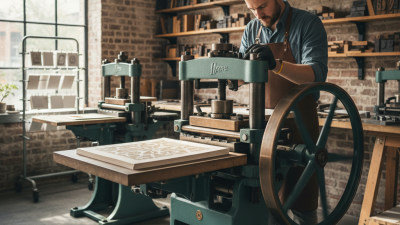
The evolution of roll printing technology dates back to ancient civilizations. Early methods involved the use of carved wooden blocks to transfer designs onto fabric. This labor-intensive process required skilled artisans. As demand for printed textiles grew, innovative approaches emerged. The introduction of copper plates in the 18th century allowed for more intricate patterns. These plates offered durability and precision that wooden blocks could not.
With the industrial revolution, roll printing machines became game changers. These machines combined textile production with printing, significantly increasing efficiency. The first roll printing technology used engraved cylinders. This method revolutionized how designs were created and applied to fabrics. Over time, advancements in materials and printing techniques further enhanced quality and speed.
Modern roll printing has expanded to digital technologies. These developments have made it possible to print vibrant colors and complex designs directly onto a variety of materials. While progress is evident, challenges persist. Issues such as waste and environmental impact are significant concerns. The industry continues to explore sustainable solutions while striving for innovation.
Components of a Roll Printing Machine
Roll printing machines are essential in fabric and material printing. They efficiently transfer designs onto surfaces. Understanding their components can help in grasping their functionality and effectiveness.
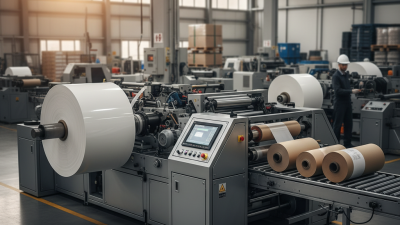
The main components of a roll printing machine include the printing rollers, ink supply system, and drying unit. Printing rollers are vital; they hold the engraved design. As the fabric passes through, the rollers push the ink onto the surface. The precision of these rollers can significantly impact print quality. An unreliable roller can lead to blurred designs.
Another critical component is the ink supply system. It ensures an even flow of ink to the rollers. If this system fails, it may create inconsistencies in color saturation. Users must regularly check the ink supply to avoid these glitches. Lastly, the drying unit quickly sets the ink on the material. It prevents smudging and ensures durability. However, if this unit overheats, it can damage the fabric, a point that requires careful monitoring during operation.
Working Principles of Roll Printing Machines
Roll Printing Machines are vital in textile and surface design. They operate using a series of rollers that press patterns onto fabric using ink. The process is precise. Infusing color and design simultaneously reduces production time. The rollers rotate, applying pressure evenly across the material. This technique ensures a consistent finish, essential for high-quality results.
Tips: Regular maintenance of the Roll Printing Machine enhances its lifespan. Check for ink build-up on rollers. This can affect print quality.
The working principle involves creating a design on a digital platform. This design is translated into a physical format on the rollers. Each roller corresponds to a color, and they work together to create a multi-colored pattern. However, calibration can be tricky. Improper alignment might result in misprints or color mismatches.
Tips: Always test prints before full runs. This can save materials and time. Experiment with different inks for unique textures.
Roll Printing Machine Output by Year
This bar chart illustrates the production output of roll printing machines over the past five years, showcasing a steady increase in output from 2019 to 2023.
Types of Roll Printing Techniques
Roll printing machines utilize various techniques to achieve efficient and high-quality printing. Each technique has its specific applications and advantages. The most recognized methods include flexographic printing, gravure printing, and offset printing. Flexographic printing is often favored in the production of Label Sticker Rolls due to its speed and versatility on different substrates. Recent reports indicate that the flexographic printing market is projected to grow at a CAGR of approximately 3.6% from 2021 to 2028, reflecting its increasing adoption across various industries.
Gravure printing, while more expensive, offers exceptional quality and detail. Its usage primarily caters to large-volume printing needs. According to a 2022 industry analysis, gravure accounts for about 22% of the global printing market, illustrating its niche yet crucial role. Offset printing maintains a steady position as well, ideal for long runs and complex designs. However, some challenges exist; for example, offset may not be as cost-effective for short runs compared to flexographic.
Each technique presents its own set of operational complexities. In flexographic printing, ink drying times and web tension must be monitored closely. Gravure printing involves extensive setup times and maintenance. Without proper planning, these can lead to inefficiencies. When selecting a technique for label sticker roll production, careful consideration of production goals and operational capabilities is essential for optimal results.
Applications of Roll Printing in Various Industries
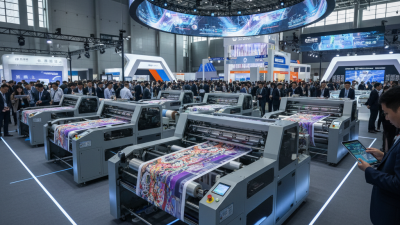
Roll printing technology finds significant applications across various industries. It is widely utilized in textile manufacturing, where it enables the mass production of vibrant, intricate fabric designs. In this sector, roll printing allows for the efficient application of colors and patterns to fabric rolls, enhancing both aesthetics and marketability. The process can produce complex designs quickly, catering to ever-changing fashion trends.
Another key application lies in the packaging industry. Roll printing is essential for creating eye-catching graphics on packaging materials. This method ensures consistency in print quality and enables producers to design packaging that stands out on shelves. Additionally, the technique is efficient for high-volume production, making it an attractive option for businesses looking to optimize their printing processes.
Despite its advantages, roll printing is not without challenges. Issues such as color matching and print alignment can arise. These factors may lead to undesirable results, requiring careful monitoring during production. Companies must continually invest in training and quality control to overcome these hurdles. Balancing high output with print fidelity remains an ongoing challenge in this evolving field.
Advantages and Limitations of Roll Printing Machines
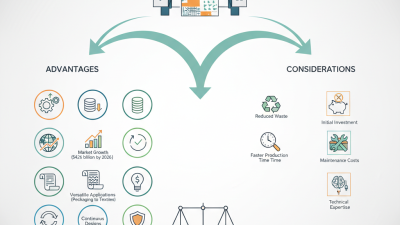
Roll printing machines are widely used in various industries for their efficiency in producing high-quality prints. They work by using a series of rollers to transfer ink onto a substrate, typically paper or fabric. This method allows for faster production speeds compared to traditional printing techniques. However, the advantages come with certain limitations that should be considered.
One significant advantage of roll printing machines is their ability to handle large volumes. They can print continuous patterns, making them ideal for wallpaper or fabric applications. The speed of production leads to cost savings in large projects. Yet, there are challenges. Changeovers between different designs can be time-consuming. Additionally, maintaining consistent quality can be tricky.
The precision in cutting labels, for instance, can be affected by various factors like the thickness of the material. A Label Roll Cutter may address some of these issues by ensuring accuracy. However, not all machines are built equally, which can lead to discrepancies in print quality. Over time, the rollers can wear down, impacting performance. Regular maintenance is essential, but it may not always be prioritized. Understand these factors to make informed decisions on using roll printing machines effectively.
What is Roll Printing Machine and How Does it Work? - Advantages and Limitations of Roll Printing Machines
| Feature | Description | Advantages | Limitations |
| Definition | A roll printing machine is a type of printing machine that uses a cylinder to transfer ink onto a substrate, typically in a continuous roll format. | High-speed production, efficiency in mass printing, and ability to handle large volumes of material. | Initial setup costs can be high, complexity in operation, and ink drying issues. |
| Types of Roll Printing | Common types include flexographic printing, gravure printing, and screen printing. | Versatile in printing different materials; suitable for various industries. | Some types may require special inks or coatings, limiting substrate options. |
| Operating Principles | Involves transferring ink from an engraved or flexible plate onto the material as it moves through the machine. | Consistent quality and very little variation in print runs. | Maintenance can be demanding due to the complexity of parts. |
| Common Applications | Used widely in packaging, textiles, wallpaper, and decorative items. | Excellent for large-scale production and unique designs. | Possible difficulties in achieving fine detail compared to other printing methods. |
Exploring Top Chinese Suppliers for High-Quality Flexographic Printing Machines: A Guide to Reliable Factory Solutions
When it comes to flexographic printing, sourcing high-quality machines from reliable suppliers is paramount. The flexographic printing industry is experiencing robust growth, driven by increasing demand for flexible packaging and labels. According to a report by Smithers Pira, the global flexographic printing market is expected to reach $29 billion by 2024, marking a significant opportunity for businesses to enhance their production capabilities.
In this context, collaborating with top Chinese suppliers can offer the advantage of accessing cutting-edge technology combined with competitive pricing. Manufacturers in China are renowned for their commitment to quality and innovation, ensuring that their products meet international standards. These factories utilize the latest advancements in automation and materials, resulting in highly efficient machines that improve production speed and reduce waste. Furthermore, many of these suppliers focus on sustainable practices, aligning with the increasing need for environmentally friendly manufacturing processes.
By choosing to source flexographic printing machines directly from reputable Chinese manufacturers, businesses can experience superior craftsmanship along with robust support services. The emphasis on long-lasting durability and operational efficiency ensures that companies can keep pace with market demands while optimizing their output. Leveraging such relationships not only provides businesses with high-quality solutions but also positions them competitively in the ever-evolving printing industry landscape.
FAQS
: The main components include printing rollers, ink supply system, and drying unit.
Printing rollers hold the engraved design and transfer ink onto the fabric.
An unreliable roller can lead to blurred designs and poor print quality.
It ensures an even flow of ink to the rollers for consistent color saturation.
Failures can create inconsistencies in color saturation on printed materials.
It quickly sets the ink to prevent smudging and ensure durability.
Overheating can damage the fabric, requiring careful monitoring during operation.
They handle large volumes efficiently and allow fast production speeds.
Time-consuming changeovers and maintaining consistent quality can be difficult.
Over time, rollers can wear down, impacting performance and print quality.
Conclusion
A Roll Printing Machine is an advanced piece of equipment used in textile and material printing, known for its efficiency and speed. The history of roll printing technology dates back to its early beginnings, evolving significantly to incorporate modern innovations and meet the needs of various industries. The machine consists of several key components, including rollers, ink systems, and drying units, which work in unison to achieve high-quality prints.
The working principle of roll printing involves the transfer of ink from engraved rollers onto fabric or other materials, allowing for intricate designs and patterns. Various roll printing techniques, such as rotary screen printing and flexography, provide versatility in applications. Industries ranging from fashion to home decor utilize roll printing for its cost-effectiveness and ability to produce large quantities. However, while Roll Printing Machines offer significant advantages, such as speed and precision, they may also have limitations, including setup costs and maintenance needs.

 Contact immediately

 Contact Phone
 Contact Email