inquiry
Leave Your Message
0%

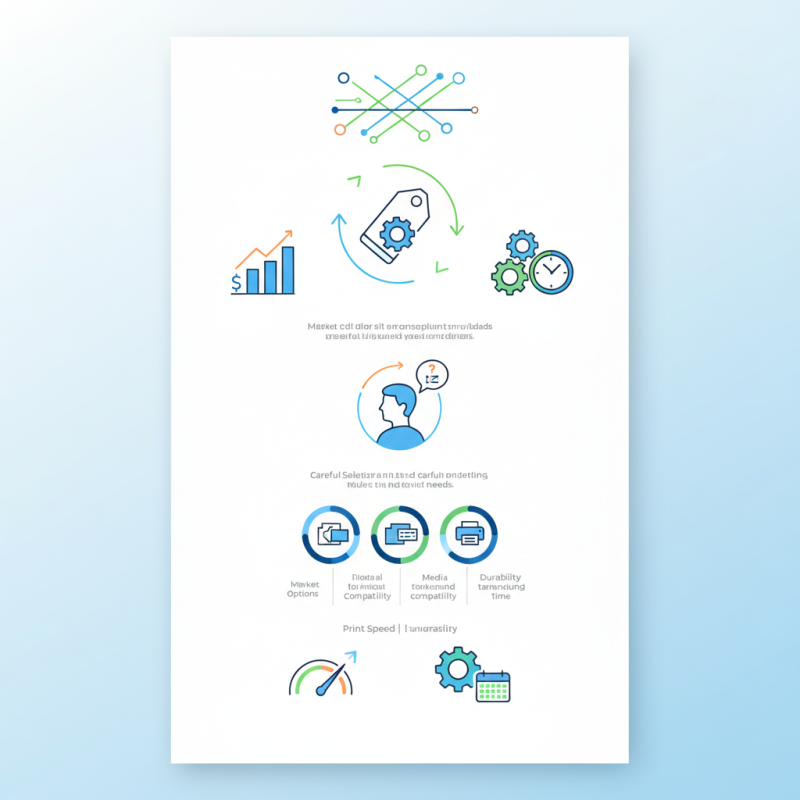
Picking the right Die Cut Label Printer can really make a difference for your business. I mean, did you know that according to Smithers Pira, the global label market is expected to hit around $50 billion by 2024? That just goes to show how crucial having efficient labeling tools is these days. When you choose the right printer, it doesn’t just boost your productivity—it also helps keep your branding consistent across everything.

John Miller, from Label Makers, put it pretty well: “Investing in a reliable Die Cut Label Printer really improves both quality and turnaround time.” That right there emphasizes why it’s so important to pick carefully. Not all printers are created equal; some might lack durability or can't handle versatile media types. It’s totally worth paying attention to what suits your needs best.

Think about what’s really important for your labeling. The market offers a bunch of options—each designed to cater to different needs. But many folks overlook key factors like print speed or whether the printer can handle the media they use. Making a hurried or uninformed choice could lead to delays and headaches down the line. Taking a moment to consider your specific requirements will help you find a printer that actually aligns with your goals. A little bit of thought now can save you a lot of trouble later, ensuring you pick a Die Cut Label Printer that’s both up to the job and efficient enough to keep things running smoothly.
Ultimate Tips for Choosing a Die Cut Label Printer?

Understanding Die Cut Label Printers: Key Features to Consider

Ultimate Tips for Choosing a Die Cut Label Printer?

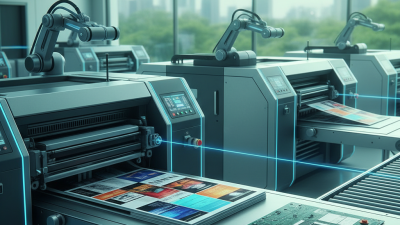
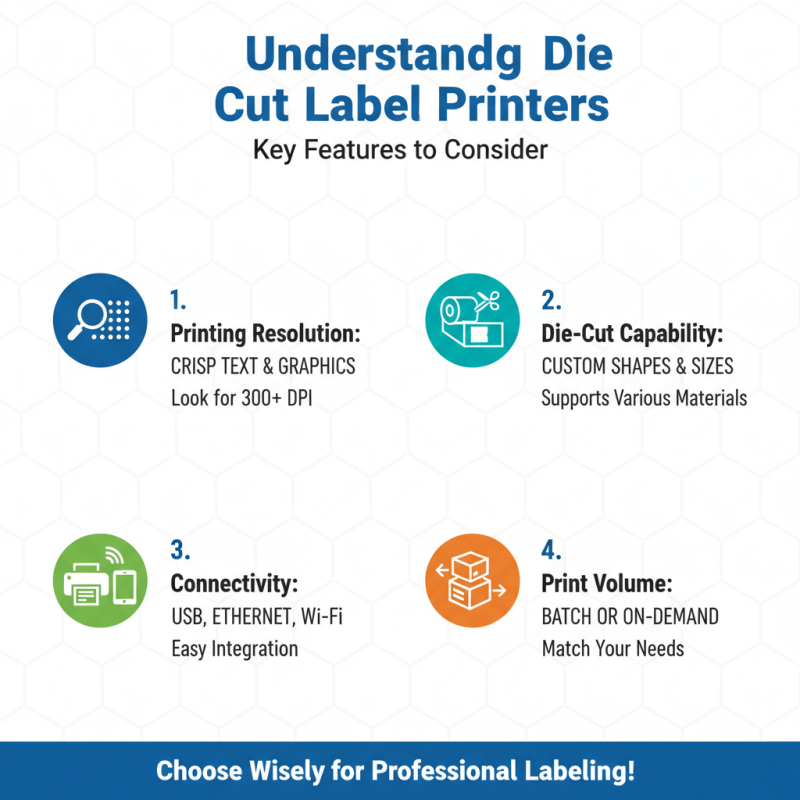
Choosing the right Die Cut Label Printer can significantly impact your labeling projects. When considering options, look for essential features. First, check the printing resolution. A higher DPI ensures crisp text and detailed images. If you plan to create intricate designs, this is vital. A printer with at least 300 DPI is often recommended.

Next, consider the size and type of labels you want to print. Some printers are designed for small labels, while others can handle larger formats. Think about the materials you’ll be using. Will you need waterproof or removable labels? Not all printers accommodate all materials equally. Make sure the printer can support the types you require.

Lastly, ease of use matters. A user-friendly interface can save time. However, some printers can be complex and frustrating. Research the setup process before buying. Read reviews and look for common complaints. It’s essential to weigh the pros and cons carefully. Each feature impacts your overall experience. Reflect on these points as you make a choice.

Evaluating Printing Technology: Thermal vs. Inkjet Systems

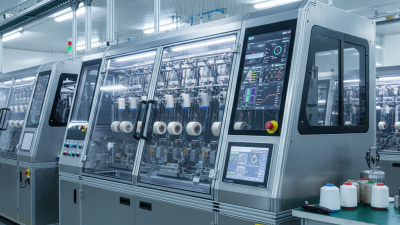
When choosing a Die Cut Label Printer, you must consider the type of printing technology you want. The two leading options are thermal and inkjet systems. Each has its own strengths and weaknesses. Thermal printers excel in speed and efficiency. They produce durable prints without the risk of smudging. This can be crucial for businesses requiring quick label production. However, the color quality may not always meet high standards.

Inkjet systems offer vibrant colors and detailed graphics. They can create labels that stand out beautifully. Nonetheless, their drying time can be a drawback. Ink also runs the risk of smearing, especially on non-coated materials. If your labels must withstand harsh environments, this might not be the best choice. It's important to evaluate how these factors affect your specific needs.

Another consideration is maintenance. Thermal printers generally require less upkeep than inkjet models. Yet, inkjet printers can be more cost-effective in terms of initial investment. Understanding how each system aligns with your production goals is essential. Mistakes in choosing a Die Cut Printer can lead to wasted resources, both in time and materials. It's worth reflecting on your priorities before making a decision.

Assessing Print Speed and Volume: Meeting Your Needs

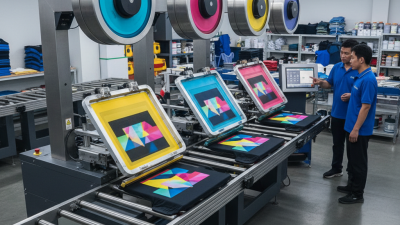
When choosing a Die Cut Printer Machine, print speed is a critical factor. Think about your projects. Will you print large volumes? A faster printer can save time and improve efficiency. However, speed comes at a cost. Sometimes, quicker printers sacrifice quality. It’s essential to find a balance. You need a printer that meets your demand without compromising the details.


Next, consider your weekly or monthly print volume. Estimate how often you'll use the die cut label printer. If you only need it occasionally, a standard model may suffice. But for high-volume needs, a more robust solution is necessary. Look for features that allow for quick changes in label sizes. Make sure the Die Cut Printer Machine adapts to various taskswithout delays.


Lastly, don’t forget maintenance. A faster machine may require more upkeep. Sometimes, the printing speed can lead to wear and tear. It's vital to account for this in your planning. Think about your needs carefully and make an informed decision. Balancing speed, quality, and maintenance is key to finding the right printer for your labeling requirements.

Exploring Label Material Compatibility for Diverse Applications

When selecting a Die Cut Label Printer, material compatibility is crucial. Different applications require specific label materials. For example, waterproof labels are essential for products exposed to moisture. If you use the wrong material, labels can smudge or peel off easily. It's disappointing to see labels that fade or vanish after exposure to sunlight.

Consider the type of adhesive too. For rough surfaces, a stronger adhesive works better. If you plan to use labels on glass, a removable option may be ideal. Not all printers handle all materials equally. Some may struggle with synthetic options like vinyl. Research into what materials your printer supports can save frustration later.

Think about your intended use. Will labels sit on shelves or move through harsh environments? Each scenario requires a different approach. Evaluate whether you need scratch-resistant options or thermal transfer materials. It's tempting to choose a quick, easy solution. However, taking time to think will lead to longer-lasting results.

Determining Budget: Balancing Cost and Quality

When choosing a Die Cut Label Printer, budget plays a significant role. Cost can vary greatly among models. A lower price may attract you, but it's essential to consider what you're sacrificing. Sometimes, a cheaper option may lack features that enhance print quality. Think about your needs. A high-quality Die Cut Printer may offer better resolution and faster printing speeds.

Evaluate what you can afford without compromising quality. Consider the durability of the printer, too. Will it meet the demands of your workload? A solid investment today can save money in repairs or replacements later. You don’t want to regret a rushed decision.

Remember, price should align with the features you need. Make a list of must-have specifications. A Print And Cut Printer can often deliver intricate designs that simple printers can't achieve. Investigate user reviews. They provide real-world insight into performance. Balancing cost and quality is not easy, but it is crucial for long-term satisfaction.

User-Friendly Interfaces: Importance for Efficient Operations

In today's market, user-friendly interfaces are crucial for any operational tool, especially for a Die Cut Printing Machine. The effectiveness of such machines heavily relies on how intuitively users can navigate their functionalities. A report by the International Association of Printing Technology predicts that 70% of workflow bottlenecks stem from poor user interface design. This doesn't just slow down production; it can lead to costly errors.

When an operator spends too much time deciphering controls, efficiency plummets. Stress levels can rise, affecting overall output. For instance, if a printer takes longer to set up than intended, that time loss compounds throughout the day. A study highlighted that businesses that adopted user-friendly machines saw a 30% increase in productivity. Simplicity in design allows employees to focus more on creativity rather than troubleshooting equipment.

Moreover, not all companies prioritize intuitive design. In some cases, critical functions may be hidden behind complex menus. Potential buyers should investigate user reviews or seek input from current users. One dissatisfied operator can reflect a larger issue with the machine's interface. It's a cautionary aspect that cannot be overlooked when investing in a Die Cut Printing Machine.

Reviewing Brand Reputation and Customer Support Options

Ultimate Tips for Choosing a Die Cut Label Printer?

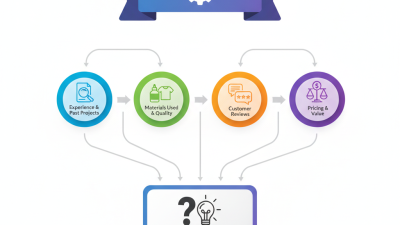
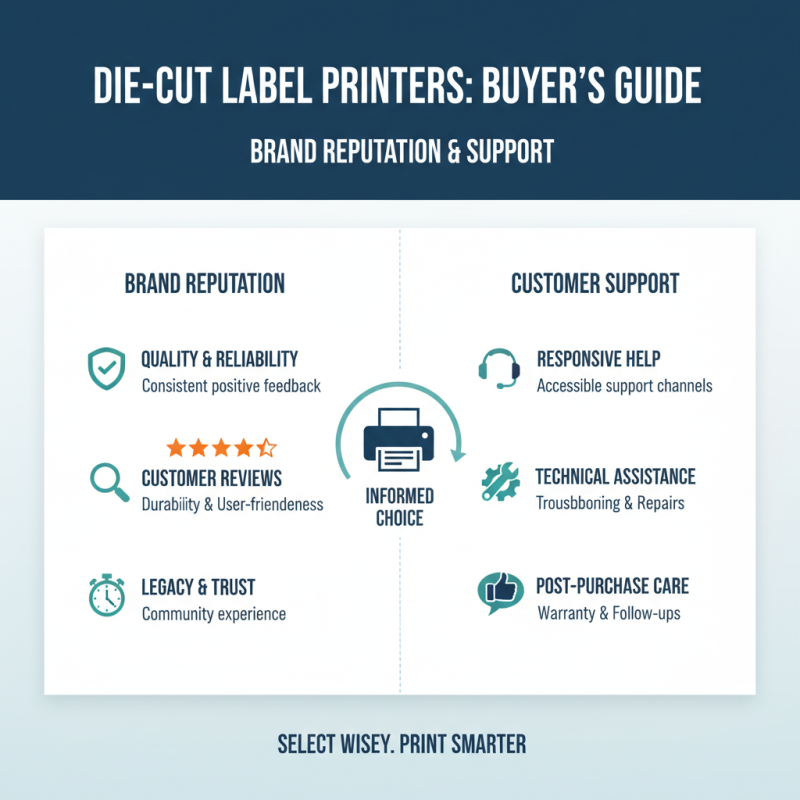
When selecting a die cut label printer, brand reputation plays a crucial role. A well-regarded manufacturer often reflects quality and reliability. Researching consistent customer feedback is necessary. Look for reviews that mention durability and user-friendliness. Some brands have a long history and are known for solid performance. A decisive factor is the community's trust. They often share experiences that guide newer buyers.

Customer support options must also be assessed. A helpful support team can make a difference when issues arise. Check if they offer multiple channels, like chat, email, or phone. Effective customer service leads to quicker resolutions. It's willing to troubleshoot and provide solutions. Some companies excel in pre-sale support but falter post-purchase. Reflect on whether you feel supported in your choice. Will you have access to helpful resources if needed? These considerations are crucial in avoiding frustration later.

FAQS

: Why is material compatibility important when selecting a die cut label printer?

: Different applications require specific materials. Using the wrong material can lead to smudged or easily peeled labels.

What should I consider about adhesives for labels?

The type of adhesive matters. Stronger adhesives suit rough surfaces, while removable options work better on glass.

How can environmental factors affect label choices?

Labels exposed to moisture need waterproofing. Sun exposure can cause fading, so consider the environment carefully.

Why is budget important in selecting a die cut label printer?

Cost varies among models. Cheaper options may lack crucial features, impacting print quality and durability.

What features should I prioritize when choosing a printer?

Make a list of must-have features to avoid regrets. Quality affects results, so balance cost and quality wisely.

How does user interface design affect printer efficiency?

Poor interface design may slow production and lead to errors. A more intuitive design can enhance operational efficiency.

What could happen if a printer takes too long to set up?

Time loss compounds throughout the day. Stress levels may rise, affecting productivity and overall output.

Should I trust reviews when selecting a printer?

User reviews provide real-world insights. Look for patterns of dissatisfaction to gauge potential issues with the printer.

What's a common mistake when choosing label printer features?

Many overlook critical functionalities. This can lead to frustration and operational inefficiencies in the long run.

What is one cautionary aspect to consider before buying a die cut printer?

Investigate if critical functions are easy to access. A confusing interface can hinder productivity and creativity.

Conclusion

When selecting a Die Cut Label Printer, there are several critical factors to consider. Understanding key features is essential, as different models may offer varied functionalities that suit specific printing needs. Evaluating the printing technology is also important; one can choose between thermal and inkjet systems depending on factors like print quality and durability. Additionally, assessing print speed and volume ensures the printer can meet your operational demands efficiently.

Label material compatibility is another vital aspect, as different applications may require diverse materials. It is also essential to balance your budget while ensuring the quality of the printer meets your expectations. A user-friendly interface can significantly enhance operational efficiency, making it easier for staff to navigate and utilize the printer effectively. Finally, reviewing brand reputation and customer support options can provide insight into the reliability and service quality of the Die Cut Label Printer you choose.
Oliver

Oliver

Oliver is a dedicated marketing professional at Jinyuan Mechanical, a leader in the field of slitting and rewinding equipment solutions. With a strong background in technical R&D, production, and sales, Oliver possesses an exceptional level of expertise in the company's products. He is committed to......
Previous How to Optimize Your Slitting Unit for Maximum Efficiency