In today's fast-changing world of printing, picking the right Printing Machine can really make a difference—both in the quality of your output and how efficiently everything runs. I came across a report by Smithers Pira that said the global market for Printing Machinery was worth around $19 billion back in 2020, and it’s expected to grow around 3.5% each year until 2025. That’s pretty significant and shows how much demand there is for top-notch printed materials, whether it's packaging, publishing, or other sectors. With so many options out there, it’s super important for businesses to figure out which machine will actually meet their specific needs.
Experts also emphasize how vital this choice is. John Harrison, a well-known figure in printing tech, mentions, 'Choosing the right Printing Machine can boost your productivity and help cut down costs.' That's a point worth considering, especially now when everyone’s all about efficiency and being eco-friendly in manufacturing. As companies sift through the many Printing Machines out there, they really need to understand their own needs—like how much they print, the types of media they use, and finishing options—to make a smart investment. This guide will walk you through the top 10 Printing Machines available right now, so you can find the perfect match for your printing projects.
Overview of Printing Machines and Their Importance
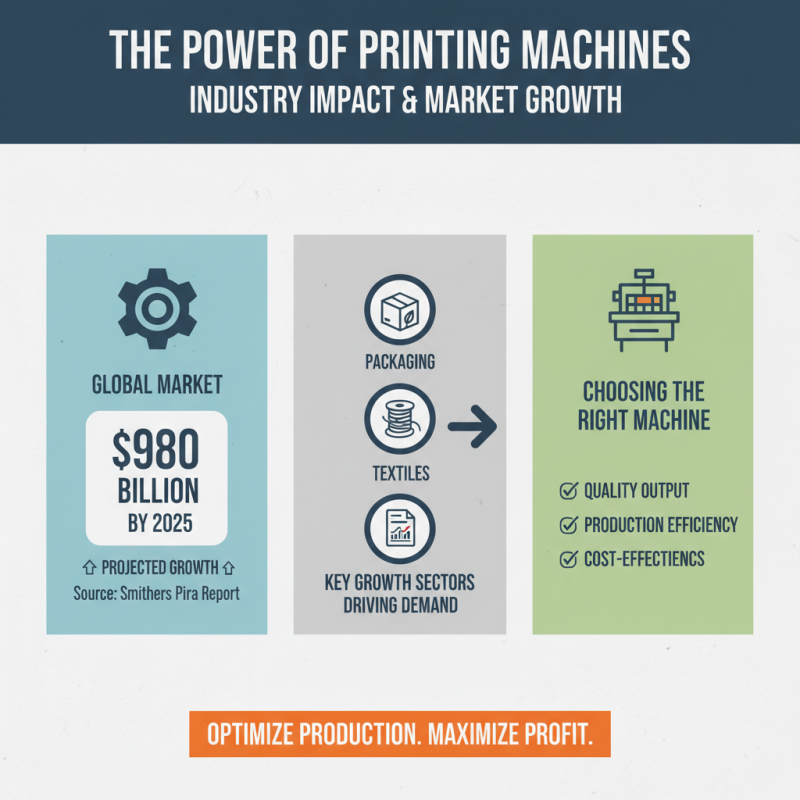
Printing Machines play a crucial role in a variety of industries, facilitating the production of both small and large-scale print materials. According to a report by Smithers Pira, the global printing market is projected to reach approximately $980 billion by 2025, driven largely by the demand for high-quality printed goods across sectors such as packaging, textiles, and commercial printing. The importance of choosing the right Printing Machine cannot be overstated, as it directly impacts quality, efficiency, and cost-effectiveness in production processes.
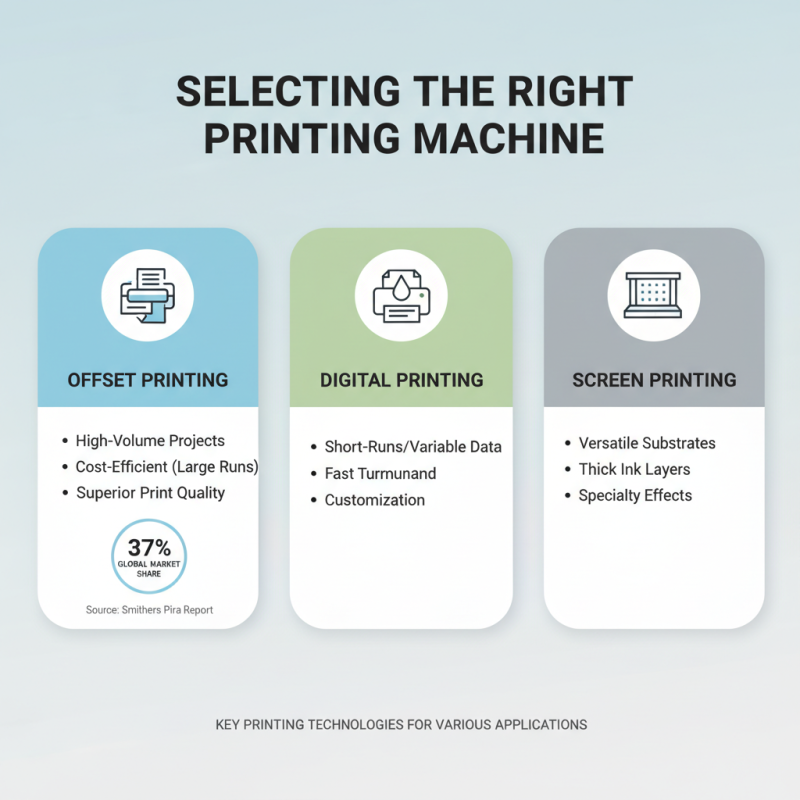
Different printing technologies cater to diverse operational needs. For instance, offset printing remains the dominant choice for high-volume jobs due to its efficiency and exceptional image quality. Meanwhile, digital printing has gained traction for smaller runs, allowing for faster turnarounds and greater flexibility in printing. According to the Printing Industries of America, digital printing is expected to account for 30% of the total market share by 2024. This transition highlights the importance of selection in achieving optimal results, underscoring the need for businesses to assess their specific requirements, such as print volume, material compatibility, and desired print speed, when investing in Printing Machines.
Types of Printing Machines: An In-Depth Examination
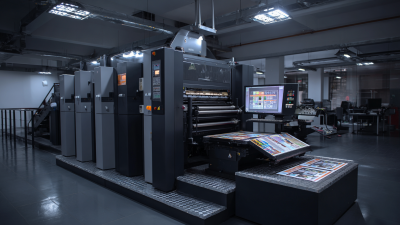
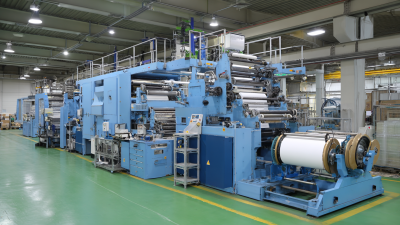
When it comes to selecting the right Printing Machine, understanding the various types available is crucial to meet specific needs. There are several key categories of Printing Machines, each tailored for different applications. For instance, offset printing is often favored for high-volume projects, thanks to its cost efficiency and superior print quality on large runs. According to the Smithers Pira report, offset printing accounts for approximately 37% of the global print market, evidencing its prevalent use in commercial print jobs.
Digital printing, on the other hand, has gained tremendous traction due to its flexibility and faster turnaround times. The ability to produce high-quality prints without the need for extensive setup makes it ideal for on-demand printing services. A recent study by Grand View Research indicated that the digital printing market size was valued at over $25 billion in 2022 and is projected to grow at a rate of 5.5% from 2023 to 2030. This shift towards digital solutions reflects evolving consumer preferences for customization and speed, demonstrating the importance of selecting a machine that aligns with these trends.
Another important type is large format printing, which is essential for creating eye-catching banners and signage. According to a report by MarketsandMarkets, the large format printer market is expected to reach $12.84 billion by 2025, driven by the increasing demand for graphics in retail and promotional industries. With advancements in technology, large format printers are also becoming more versatile, allowing for better quality outputs and a wider range of materials to work with. Understanding these types of Printing Machines helps businesses make informed decisions that align with their production requirements and objectives.
Key Features to Consider When Choosing a Printing Machine
When choosing a Printing Machine, several key features should be evaluated to ensure that it meets your specific needs. First and foremost, consider the printing technology it employs, such as inkjet or laser. Inkjet printers are typically favored for their ability to produce high-quality images and vibrant colors, making them ideal for photography and detailed graphics. On the other hand, laser printers are known for their speed and efficiency, particularly suited for high-volume document printing, making them a popular choice for offices.
Another critical feature to assess is the machine's print resolution, measured in DPI (dots per inch). Higher DPI values generally indicate better image quality, which is especially important for professional jobs. Additionally, look into the printing speed measured in pages per minute (PPM). For a busy environment, a faster printer can significantly enhance productivity. Ink or toner capacity is also essential; machines that offer larger cartridges can save time and maintenance costs, as they require less frequent replacement. Lastly, consider connectivity options such as Wi-Fi, USB, and mobile printing capabilities, which play a crucial role in seamless integration with modern workflows.
Top 10 Printing Machines Reviewed: Performance and Value
When it comes to selecting the right printing machine, understanding performance and value is crucial. According to a recent industry report by Smithers Pira, the global Printing Equipment market is projected to grow at a compound annual growth rate (CAGR) of 4.5% from 2021 to 2026. This growth is driven by increased demand for high-quality printing technology that offers faster turnaround times and improved precision at competitive prices. Buyers are now focused not only on the initial costs but also on the machine's operational efficiency and longevity.
Moreover, advancements in print technology, including digital inkjet and laser printing, have been pivotal in altering buyers' expectations. Research indicates that 58% of businesses now prioritize sustainability in their purchasing decisions, opting for machines that utilize eco-friendly materials and processes. Performance metrics such as print speed, print quality, and maintenance requirements are becoming vital criteria for decision-making. This emphasis on value-driven purchasing reflects a broader trend, with an increasing number of companies aiming to enhance productivity while minimizing environmental impacts. Investing in the right machine can significantly affect operational efficiency, translating to higher returns in the long run.
Comparing Costs: Budgeting for Your Printing Needs
When selecting a Printing Machine, budgeting is a crucial aspect that can significantly influence your decision. It's essential to start by determining how much you're willing to invest not just in the initial purchase but also in the ongoing costs. The price of Printing Machines can vary widely based on their capabilities, features, and intended use. Basic models may be sufficient for simple tasks, while more advanced machines may be required for complex jobs, requiring a larger budget.
In addition to the upfront costs, one must consider factors such as maintenance and supplies, including ink cartridges, toner, and paper. It's important to calculate the long-term expenses associated with these consumables, as they can add substantially to the total cost of ownership. To effectively budget, create a comprehensive overview of these anticipated expenses and align them with your printing volume and needs. This will help ensure that your choice not only fits your budget but also meets your printing demands efficiently.
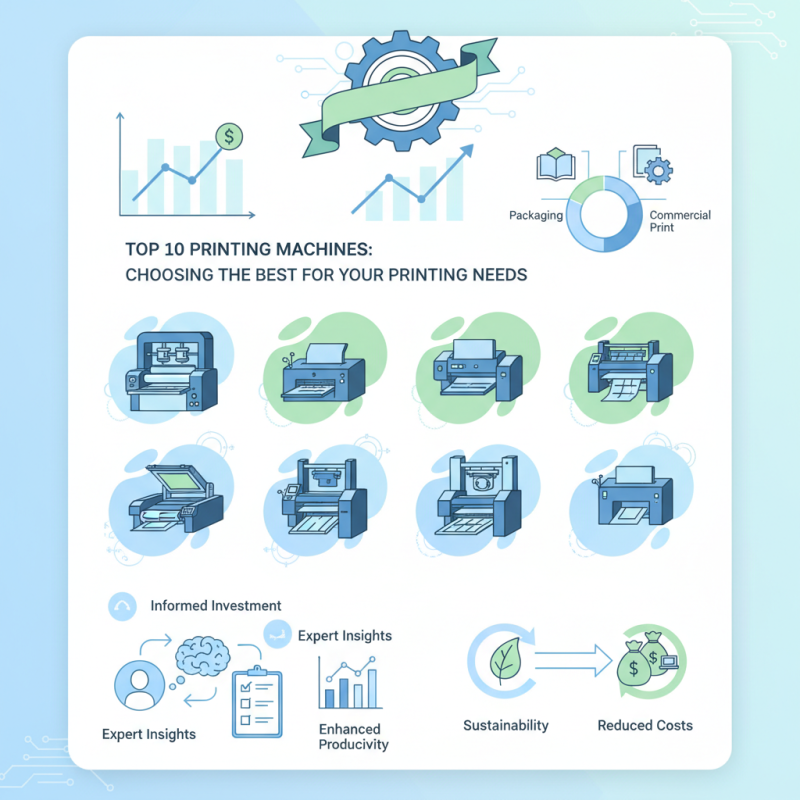
Top 10 Printing Machines: Choosing the Best for Your Printing Needs
| Model | Type | Printing Speed (pages/min) | Print Quality (dpi) | Cost (USD) |
| Model A | Laser | 30 | 1200 | 250 |
| Model B | Inkjet | 22 | 4800 | 150 |
| Model C | Dot Matrix | 100 | 300 | 75 |
| Model D | Laser | 27 | 2400 | 230 |
| Model E | Inkjet | 28 | 6000 | 200 |
| Model F | A3 Color | 20 | 1200 | 300 |
| Model G | Photo Inkjet | 15 | 5760 | 180 |
| Model H | Laser | 35 | 1200 | 260 |
| Model I | Inkjet | 32 | 4800 | 160 |
| Model J | Thermal | 40 | 300 | 100 |
User Experience: Feedback from Industry Professionals
When it comes to selecting the right printing machine, user experience plays a crucial role in the decision-making process. Industry professionals emphasize the importance of reliability and ease of use. Many have experienced frustrations with complicated interfaces and constant maintenance issues. A user-friendly machine that offers intuitive controls can significantly enhance productivity and minimize downtime. Feedback in this area highlights that seamless integration with existing workflows is key to achieving operational efficiency.
Moreover, the feedback from professionals often stresses the significance of print quality and speed. Users appreciate machines that deliver consistent results over time, as inconsistent output can affect the reputation of a business. Many professionals recommend machines that offer flexibility in print settings, allowing them to adapt to various materials and projects. The ability to produce high-quality prints with minimal effort is consistently mentioned as a vital factor when evaluating printing machines, ultimately leading to a well-informed choice tailored to specific printing needs.
Future Trends in Printing Technology and Their Impact
As technology continues to evolve, the printing industry is undergoing significant transformations that affect everything from the types of machines available to the materials being used. One of the most notable trends is the rise of eco-friendly printing solutions that focus on sustainability. Manufacturers are increasingly investing in technology that reduces waste, uses less energy, and incorporates recycled materials in the printing process. This shift not only caters to the growing demand for environmentally responsible practices but also aligns with regulatory changes aimed at reducing carbon footprints.
Another important trend is the integration of digital technologies with traditional printing methods. Automation and artificial intelligence are enhancing the efficiency and quality of print jobs, allowing for greater customization and faster turnaround times. This convergence of digital and conventional techniques facilitates on-demand printing, which means businesses can produce smaller runs without compromising quality. As a result, the ability to respond swiftly to market demands is becoming a game-changer for many sectors.
Tip 1: When selecting a printing machine, consider not just the upfront costs, but also the long-term operational costs, including energy consumption and maintenance.
Tip 2: Stay updated on emerging printing technologies by attending industry trade shows or webinars to learn about the latest advancements that could benefit your business.
Tip 3: Don’t overlook software capabilities; a printing machine's performance can be greatly enhanced by robust software that allows for better workflow management and design precision.
FAQS
: The main types of printing technology are inkjet and laser. Inkjet printers are best for high-quality images and vibrant colors, while laser printers are known for their speed and efficiency in high-volume document printing.
Print resolution, measured in DPI (dots per inch), is crucial as higher DPI values typically indicate better image quality, which is especially important for professional printing jobs.
Printing speed, measured in pages per minute (PPM), is important for busy environments. A faster printer can greatly enhance productivity and efficiency.
Machines with larger cartridges or toner capacities save time and reduce maintenance costs, as they require less frequent replacement, which is beneficial in high-demand printing situations.
Consider connectivity options such as Wi-Fi, USB, and mobile printing capabilities, as these enhance integration with modern workflows and improve convenience.
Start by determining your initial investment and considering ongoing costs like maintenance and supplies (ink, toner, and paper). Create a comprehensive overview of these expenses aligned with your expected printing volume.
Look for reliability, ease of use, and intuitive controls to minimize downtime and enhance productivity. User feedback highlights the importance of consistent print quality and speed.
Print quality is essential as inconsistent output can impact the reputation of a business. Machines that deliver high-quality prints with minimal effort are highly recommended.
Flexibility in print settings allows for adaptation to various materials and projects, which is vital for meeting diverse printing needs and enhancing operational efficiency.
Conclusion
In today's fast-paced world, selecting the right printing machine is crucial for businesses and individuals alike. This article provides a comprehensive overview of printing machines, highlighting their significance and the diverse types available. By examining key features such as speed, quality, and functionality, readers can make informed decisions tailored to their specific printing needs.
The review of the top 10 printing machines emphasizes both performance and value, enabling users to compare options effectively. Additionally, budgeting considerations are discussed to help manage costs without compromising quality. Insights from industry professionals further enrich the user experience, while future trends in printing technology suggest exciting developments on the horizon. Ultimately, understanding these elements is essential for anyone looking to invest in a printing machine that meets their operational demands and enhances productivity.

 Contact immediately

 Contact Phone
 Contact Email