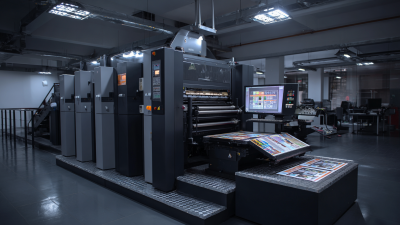
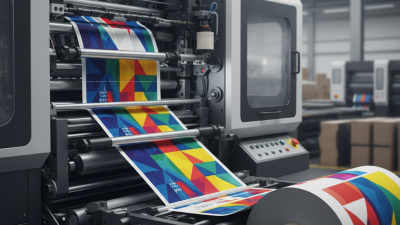
In today’s global market, choosing the right Printing Unitis more important than ever for businesses. Honestly, with so many options out there, it can feel a bit overwhelming trying to figure out which one is the best fit. Every Printing Unit in China has its own perks—some have fancy, cutting-edge tech, while others are more budget-friendly. It’s a lot to consider!
Most buyers are really after reliability, right? So, it’s super important to look into the history and track record of the manufacturers you’re eyeing. Some have been around for ages and have a solid reputation, but that doesn’t mean they always deliver consistent quality, especially when scaling up. Doing your homework is definitely worth it.
And don’t forget about the supply chain. Different units handle things differently—some focus on being eco-friendly, others on speed and high-volume output. All these differences can get pretty confusing, so it’s a good idea to think about what actually matters most for your business. The right Printing Unit can really make a difference down the line. Taking your time to research now can save you a bunch of headaches later on.
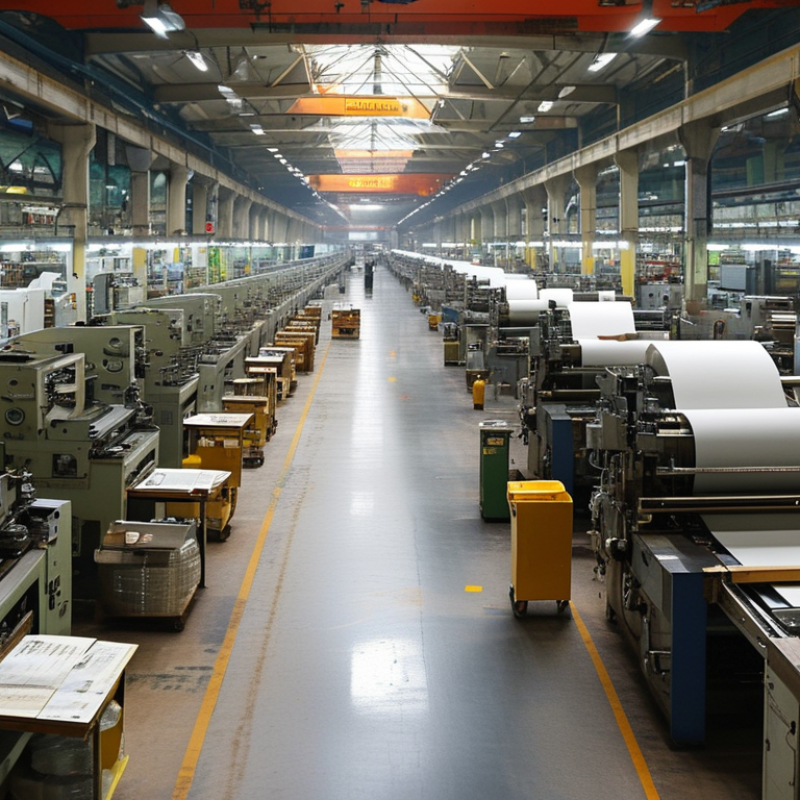
Overview of China's Printing Industry for Global Buyers
China's printing industry is a massive sector, embracing advanced technology and diverse capabilities. Global buyers find a range of services here, from Offset Printing Unit services to digital printing options. Factories are spread throughout the country, each specializing in different types of printing. This leads to competitive pricing and quick turnaround times.
A significant benefit of sourcing printing from China is the variety. Buyers can choose from small-scale operations to large manufacturing plants. However, quality control can be inconsistent. It's essential to vet suppliers thoroughly. Understanding local nuances matters greatly. Language barriers and cultural differences can pose challenges in communication.
Sustainability is becoming a pressing concern in the industry. Many factories are adopting eco-friendly practices. Still, buyers should inquire about the materials used in production. Transparency in sourcing is key. With diligence, buyers can navigate these waters successfully. Engaging in continuous partnerships can drive improvements in quality and trust over time.
Key Factors to Consider When Choosing a Printing Unit in China
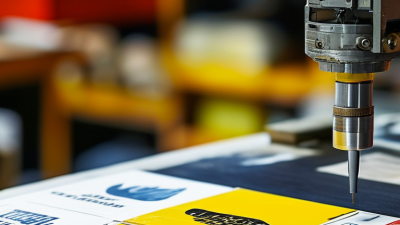
When choosing a Printing Unit in China, several key factors come into play. Quality is paramount. According to a recent industry report, nearly 70% of buyers prioritize print quality above all else. This includes the consistency of color and paper handling. Hence, selecting a unit known for precise calibration is vital. Comprehensive evaluations ofSlitting Units are essential here. The performance of these units affects how well prints maintain quality standards during finishing.
Another factor is production capacity. Global buyers often seek robust units that can handle high volumes efficiently. A 2022 market analysis indicated that over 60% of printing companies value scalability in their equipment. This means investing in a printing unit capable of adapting to increased demands without compromising speed or quality. Additionally, service and support shouldn't be overlooked. Effective troubleshooting services can significantly affect the operation of Slitting Units, ensuring minimal downtime.
Cost-effectiveness is also a crucial consideration. Some manufacturers might provide competitive pricing but cut corners on materials or technology. In contrast, investing in slightly more expensive yet reliable Printing Units ultimately leads to higher returns. Balancing these factors thoughtfully can greatly impact the success of your printing operations.
Top Printing Technologies and Services Offered by Chinese Suppliers
China has established itself as a global leader in printing technologies. Various innovative services stand out among Chinese suppliers, catering to different industries. Digital printing is particularly notable for its flexibility and efficiency. This method allows for short runs and quick turnaround times, making it ideal for businesses needing rapid production.
Another key service is offset printing. This traditional technique, known for its high-quality output, is perfect for larger volumes. It remains a cost-effective choice for businesses looking for consistent quality. Customization options are abundant, with varying paper types and finishes available to meet diverse needs.
Tips: When selecting a printing service, consider the specific requirements of your project. Take note of turnaround times and any additional costs. Always request samples to gauge print quality before placing larger orders. Assessing these factors can enhance your overall experience with Chinese suppliers.
Leading Printing Companies in China: Profiles and Capabilities
When considering leading printing companies in China, it’s essential to evaluate their profiles and capabilities. The country is home to a vast network of Printing Units, with over 100,000 facilities registered. Many specialize in various printing techniques, including offset, digital, and screen printing. This diversity allows them to meet a wide range of demands in both domestic and international markets.
Recent market analysis shows that China’s printing industry generated approximately $110 billion in revenue in 2022. This figure highlights not only the scale but also the competitiveness of the sector. Companies are increasingly investing in advanced technology. For instance, trends indicate over 60% of firms are upgrading to digital printing solutions. This shift enhances efficiency and reduces turnaround times.
Still, challenges arise. Many companies struggle with quality control and sustainable practices. A report notes that nearly 40% of businesses experience difficulties in maintaining consistent print quality. Additionally, environmental regulations are becoming stricter, prompting companies to rethink their production processes. As the global demand for high-quality prints rises, Chinese firms must adapt and innovate continuously.
Quality Assurance Standards in Chinese Printing Firms
In recent years, Chinese printing firms have made significant strides in quality assurance.
Research from the China Association of Printing and Copying Technologies indicates that over 75% of these companies now adhere to international quality standards. This improvement strengthens their position among global buyers.
Quality assurance is multi-faceted. It involves machinery, materials, and skilled labor. Many printing firms invest heavily in advanced Printing Machine Printing Machine technology. This investment enhances precision and efficiency, crucial for meeting global market demands. However, some companies still face challenges in maintaining consistent quality across large production runs. Variations in material can lead to discrepancies, which is an area needing improvement.
Tips: Always request samples before making a bulk order. This helps verify quality and ensures it aligns with your expectations.
Moreover, training for staff is essential. Even with advanced technology, human oversight can make a significant difference. Studies show that trained employees can reduce errors by up to 30%. Investing in workforce development is not just a cost; it’s a critical factor for maintaining quality assurance.
Cost Considerations for Global Buyers Working with China Printers
When considering working with Chinese printers, cost is a primary concern for global buyers. According to a report by Smithers Pira, print production costs in China can be 30% to 50% lower compared to those in Western countries. This significant difference is appealing to businesses looking to maximize their budgets. However, it’s crucial to understand that lower costs may come with trade-offs, such as quality control challenges or longer lead times.
Buyers should evaluate additional expenses that might not be apparent at first glance. Shipping costs, tariffs, and import duties can add up quickly. For instance, a study by IBISWorld indicates that international shipping costs can increase total expenses by 20% or more. Additionally, communication barriers may result in misunderstandings that lead to costly revisions. Thorough research is vital before committing to any agreements.
Tip: Always calculate total landed costs before making decisions. Include production, shipping, and duties in your calculations.
Quality assurance is another critical aspect. When quality suffers, buyers face the risk of losing customers. According to recent data from Technavio, 63% of consumers report they wouldn’t repurchase from a company after a negative experience. Establishing clear quality standards and regular audits can help mitigate this risk.
Tip: Develop a comprehensive checklist for quality checks. This ensures all products meet your standards before shipment.
Challenges and Solutions in Sourcing Printing Services from China
Sourcing printing services in China can be challenging. Global buyers often face issues like quality control, communication barriers, and cultural differences. Quality can vary significantly between suppliers. This inconsistency can lead to delayed projects or unexpected costs. It’s essential to establish clear expectations upfront.
When sourcing, prioritize a reliable inspection process. This can help ensure the finished product meets your standards. Consider hiring third-party inspectors to verify quality. Regular communication also helps mitigate confusion. Using simple language can bridge gaps.
Tip: Always request samples before finalizing an order. This practice can prevent costly mistakes later on. Be open to discussing concerns with suppliers. Addressing potential issues early can foster better relationships. Remember, understanding cultural nuances can make a significant difference.
Printing technology in China continues to evolve. Investing time in research can yield better results. Look for suppliers with proven track records in the Printing Printing Press industry. Quality, reliability, and innovation are key factors in selecting the right partner.
Top China Best
Printing Unit for Global Buyers Questions? - Challenges and Solutions in Sourcing Printing Services from China
| Challenge | Solution | Printing Type | Lead Time | Minimum Order Quantity |
| Communication barriers | Use a reliable sourcing agent | Offset Printing | 2-4 weeks | 500 units |
| Quality assurance | Conduct pre-production samples | Digital Printing | 1-3 weeks | 100 units |
| Intellectual property concerns | NDA agreements before sharing designs | Flexography | 3-5 weeks | 1000 units |
| Shipping and logistics | Choose a local shipping partner | Screen Printing | 2-4 weeks | 300 units |
| Cultural differences | Educate on local customs | Large Format Printing | 4-6 weeks | 200 units |
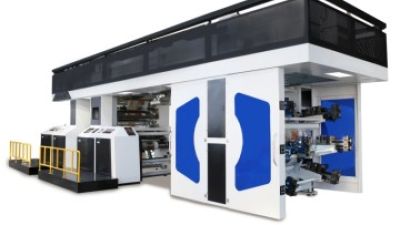
Navigating the Future of Flexographic Printing: Insights from the Latest Market Reports on JYCI-6C 1000 Machine Innovations
The landscape of Flexographic Printing is undergoing significant transformation, driven by technological advancements that enhance efficiency and productivity. One of the notable innovations in this field is the dual-station unwinder and rewinder mechanism. This cutting-edge feature allows for non-stop reel switching, meaning that when a material roll runs out, the printing process does not falter. Instead, reel splicing can occur seamlessly, ensuring that the printing unit remains operational without any interruptions.
By minimizing the downtime typically associated with roll changes, businesses can significantly boost their mass printing productivity. This continuous workflow is crucial in today’s fast-paced market, where time is of the essence. The ability to maintain a steady output not only enhances operational efficiency but also meets the growing demands for higher-quality printed materials in a shorter timeframe. As companies navigate the future of flexographic printing, such innovations will be pivotal in staying competitive and responsive to market needs.
FAQS
: Digital printing is known for its flexibility and efficiency. It supports short runs and quick production times.
Offset printing offers high-quality output and is cost-effective for larger volume projects. It ensures consistent quality.
Consider your project’s specific needs. Look at turnaround times and any extra costs associated with services.
Always request samples to check the print quality. This helps ensure satisfaction with the final product.
Quality control is a common issue, with about 40% of businesses struggling with consistent print quality.
Many companies are investing in digital solutions. Over 60% of firms are upgrading their printing technologies to boost efficiency.
China’s printing industry is a global leader, generating approximately $110 billion in revenue in 2022.
Stricter environmental regulations challenge companies to rethink their production. Sustainable practices are becoming essential.
Yes, many companies offer various paper types and finishes to meet diverse project needs.
Consider how quickly you need your prints. Evaluate if you are ready for potential quality inconsistencies.
Conclusion
This article provides a comprehensive overview of China's printing industry tailored for global buyers seeking reliable printing units. It outlines key factors to consider when selecting a printing unit, including technological capabilities, quality assurance standards, and cost considerations. Additionally, the article highlights the top printing technologies and services available from Chinese suppliers, which can enhance the production process and meet diverse printing needs.
Furthermore, it profiles leading printing companies in China, showcasing their capabilities and expertise in the field. The article also addresses common challenges faced by global buyers when sourcing printing services from China and offers practical solutions to navigate the complexities of international printing partnerships. Overall, this resource serves as an essential guide for those looking to engage with China's vibrant printing sector.

 Contact immediately

 Contact Phone
 Contact Email