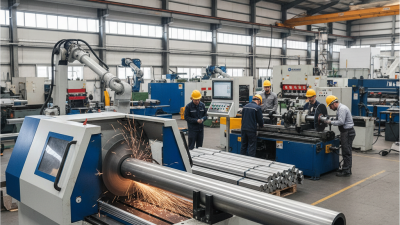
Die cutting is such a key part of the printing world — it really shapes how companies showcase their brands and products. Did you know that, according to a report from Smithers Pira, the global die-cutting market is expected to hit around $4.4 billion by 2025? That's mainly because more and more industries are jumping on the bandwagon. Industry pro John Stevens mentions, 'Getting the hang of different Die Printing techniques is super important for streamlining production and keeping quality high.'
As brands try to amp up their visual game, picking the right Die Printing method is a pretty big deal. Methods like rotary die-cutting and flatbed die-cutting each have their own perks. Rotary, for example, is quick and efficient—great for high-volume jobs—while flatbed offers that extra level of precision for those tricky, detailed designs. That said, choosing the right technique can feel a bit overwhelming. Too often, companies miss the small details that can really affect both cost and quality.
In today’s competitive landscape, getting a good handle on Die Printing really can make or break your success. Spending a little time to understand these options can pay off big time. Ignore this part, and you might end up with subpar products that don’t quite meet what your clients are expecting. So, staying in the loop and being adaptable when it comes toDie Cutting Printing is definitely the way to go if you're aiming for the top.
Overview of Die Printing Techniques
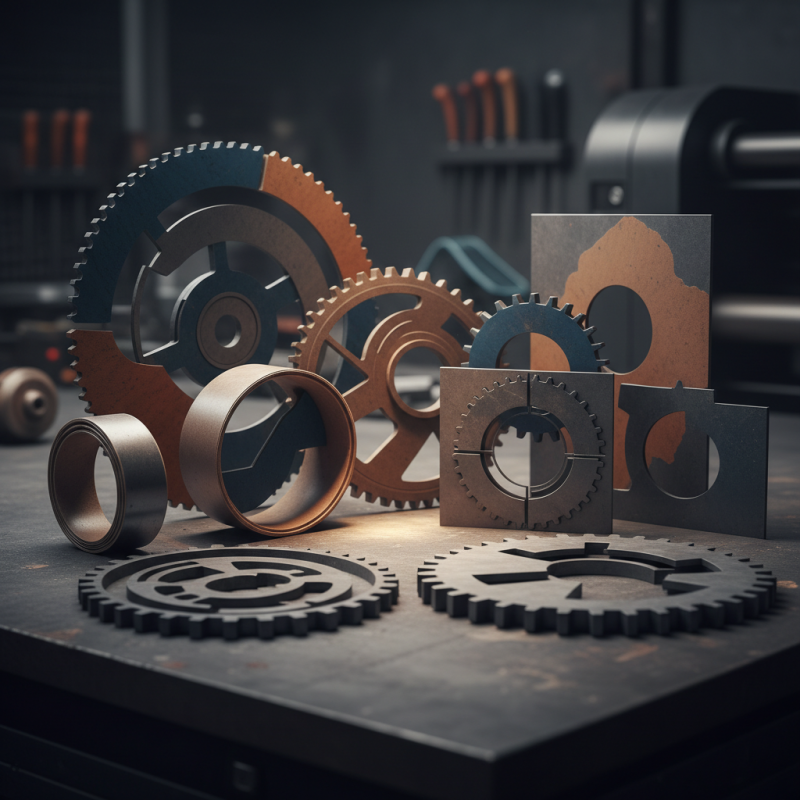
Die Printing techniques play a vital role in the manufacturing sector. These methods allow for precision and efficiency in producing various printed materials. According to industry reports, die cutting is a major process in printing, accounting for approximately 30% of total printing expenses. This statistic underscores the importance of selecting the right technique to enhance productivity.
One common method is rotary die cutting. This technique uses a cylindrical die to cut materials as they pass through the printing press. It's fast and ideal for high-volume production, often exceeding 100,000 units in a single run. However, achieving optimal results can be challenging due to precision demands. Any small misalignment can lead to waste and added costs.
Another popular approach is flatbed die cutting. This method utilizes a flat die for cutting materials, making it versatile for various thicknesses. While it is less efficient than rotary die cutting, it allows for complex shapes and designs. This is essential for businesses aiming for unique branding. However, it can lead to longer turnaround times, causing potential delays.
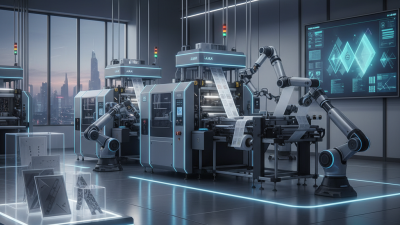
Emerging technologies in die cutting, such as digital die cutting, are gaining traction. These innovations provide flexibility and can adapt quickly to design changes. Reports indicate that digital die cutting could grow by 15% annually over the next five years. Companies investing in a Printing Die Cutting Machine may find themselves at a competitive advantage. Yet, careful consideration of operational demands is crucial to fully realize potential benefits.
Letterpress Printing: History and Process
Letterpress printing is a fascinating and historic technique. It dates back to the 15th century and revolutionized the way text was produced. In this method, individual letters and images are set in relief. This means they stand out from the flat surface, allowing ink to be transferred onto paper. The tactile quality of letterpress prints is unique and cherished by many.
One important aspect of letterpress is the care taken in the setup. Precise alignment and pressure are crucial for achieving consistent results. Over time, the process may seem simple, but it requires practice and expertise. New printers often struggle with ink coverage and impression quality. These challenges can discourage beginners.
Tips for success with letterpress: Always test print before the final run. This helps identify mistakes early. Use a Die Printing Machine that matches your project needs. The right machine can make a big difference, especially for larger prints. Finally, keep your workspace organized to maintain focus. Every detail matters in this traditional craft. Errors can lead to wasted materials and time, prompting reflection on techniques.
Top 5 Die Printing Techniques You Should Know
| Technique | Description | Historical Context | Usage Today |
| Letterpress Printing | A relief printing method where the image is raised above the printing surface. | Originated in the 15th century with Gutenberg's printing press. | Popular for high-quality typography and artisanal prints. |
| Flexography | A form of printing using flexible relief plates for high-speed processes. | Developed in the early 20th century for packaging and labels. | Widely used for printing on non-porous substrates like plastic. |
| Offset Printing | Ink is transferred from a plate to a rubber blanket and then to the printing surface. | Gained popularity in the 20th century for its efficiency and quality. | Dominant method for producing books, magazines, and brochures. |
| Screen Printing | A process that uses a mesh to transfer ink onto the printing surface. | Started in ancient China and became popular in the 19th century. | Commonly used for apparel, posters, and signage. |
| Digital Printing | Directly prints digital images onto various media without a printing plate. | Became widely popular in the late 20th century with the rise of computer technology. | Ideal for short runs, personalized printing, and quick turnaround jobs. |
Flexography: Applications and Benefits
Flexography is a versatile printing technology widely used in various industries. It is especially effective for printing on flexible materials. This method employs fast-drying inks, making it suitable for high-speed production. Its applications span packaging, labels, and newspapers. The ability to print on uneven surfaces is truly impressive. This characteristic expands the types of products that can be printed effectively.
When considering flexography, keep these tips in mind. Ensure that your substrates are compatible with the ink type. Check the viscosity of the inks too; this affects the quality and speed of printing. Proper maintenance of your printing press is crucial. Any wear and tear can lead to inconsistencies in print quality.
Flexography also offers considerable benefits. It provides vibrant colors and detailed graphics. Furthermore, the ability to print large runs lowers costs per unit. However, developing a precise workflow can be challenging and requires careful planning. Always review your designs and printing parameters to achieve optimal results. Flexography isn't perfect, and lacking attention to detail can lead to issues like ink splatter or misalignment. Adapting to these challenges is part of mastering flexographic printing.
Top 5 Die Printing Techniques You Should Know
Gravure Printing: Quality and Efficiency
Gravure printing is a technique admired for its high quality and efficiency. This method uses engraved cylinders to transfer ink onto various surfaces. It excels in producing vivid images and sharp text. Many industries opt for gravure due to its ability to maintain consistency across large print runs. Precision is key in this printing method, making it a choice for everything from packaging to fine art reproduction.
To ensure a successful gravure printing process, the preparation of the original artwork is essential. High-resolution images can dramatically improve the outcome. It's vital to consider the type of ink and substrate used. This combination affects adhesion and overall print quality. For best results, always conduct tests before a full print run.
Remember, gravure has limitations. The initial setup costs can be high, and it might not be the best fit for short runs. It requires careful planning and consideration. Reflect on your project’s needs before committing. Focusing on the details can help prevent mistakes in the long run.
Digital Die Printing: Innovations and Trends
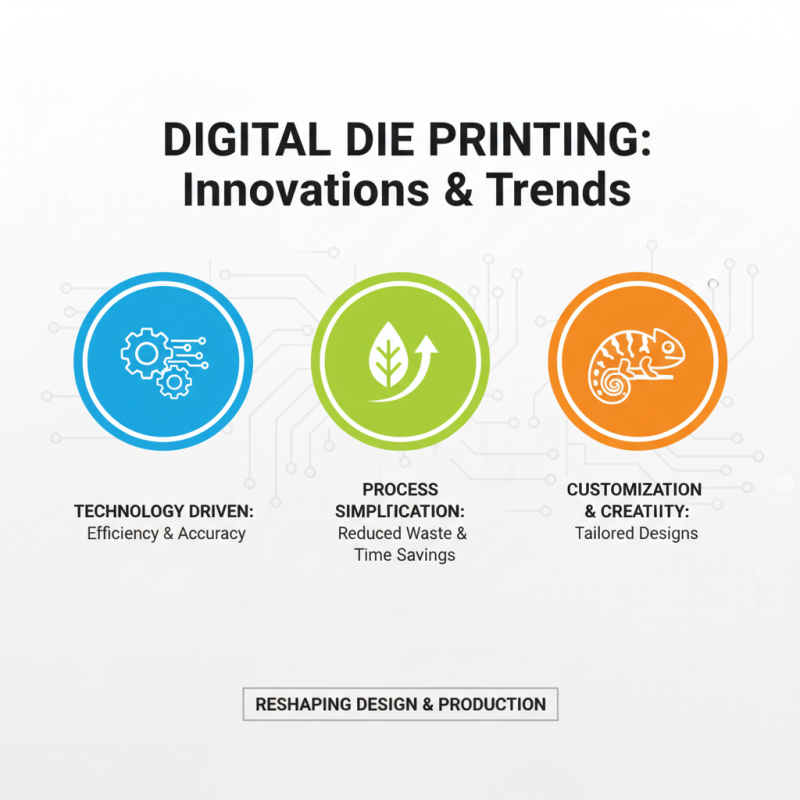
Digital Die Printing is rapidly evolving. Innovations in technology are driving new trends. This transformation is reshaping how designs are printed. Companies are discovering benefits in efficiency and accuracy. Digital methods simplify the process. They reduce waste and save time. The ability to customize designs is game-changing, allowing for greater creative expression.
Incorporating digital die printing techniques can enhance your projects. Consider using direct-to-product printing for unique outputs. This method can streamline your workflow significantly. Explore print-on-demand solutions to minimize inventory costs. These tips can help maximize your resources while meeting customer needs.
Adopting new technologies is not without challenges. Transitioning to digital die printing requires learning new skills. It's essential to understand the equipment and software involved. Experimenting with various techniques can lead to surprising results. Embrace the learning curve. It can lead to breakthroughs in your design capabilities.
Screen Printing: Versatility and Techniques
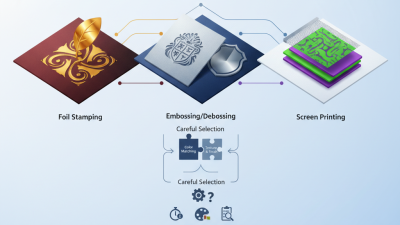
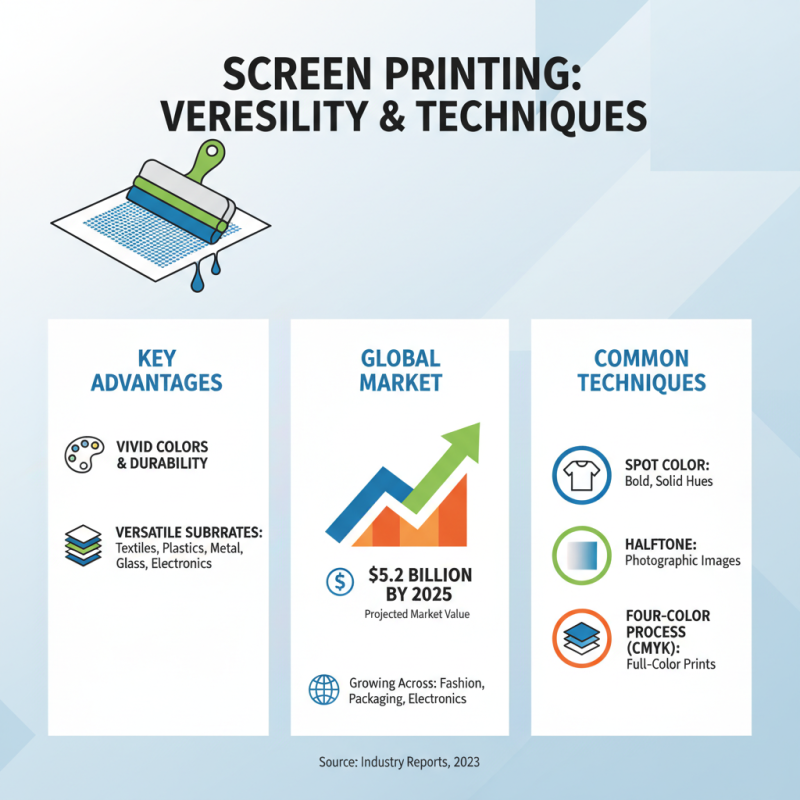
Screen printing stands out for its versatility in the die printing industry. This method is praised for its capability to produce vivid colors on various substrates. According to industry reports, the global screen printing market is projected to reach $5.2 billion by 2025, highlighting its widespread application across textiles, electronics, and packaging.
One of the main advantages of screen printing is its adaptability. Printers can work with different materials such as fabrics, plastics, and metal. Additionally, it accommodates specialty needs like thick inks or even metallic finishes. However, achieving consistency in color and pressure can be challenging. Inconsistent application may lead to product defects.
Tips: Always test your setup with sample prints. This ensures the quality meets your standards. Regular maintenance of your screens is crucial for good results. Pay attention to the ink viscosity too; it can affect print clarity. Finally, experiment with different squeegee techniques to find what best suits your projects. Each print can teach you something valuable, even when things don’t go perfectly.
Comparative Analysis of Die Printing Methods
When examining die printing methods, it’s essential to understand their unique characteristics. Traditional techniques like letterpress and screen printing remain popular due to their tactile quality and vibrant colors. Letterpress creates a distinct texture, often preferred for invitations and premium packaging. According to a recent industry report, about 35% of businesses still utilize letterpress for its artisanal appeal.
On the other hand, digital die printing has grown significantly. Its efficiency and precision factors drive its use in modern production lines. Reports suggest that digital printing is now expected to account for nearly 50% of the total market share by 2025. This method allows for quicker turnaround times and lower costs on short runs. However, some experts raise concerns about the environmental impact of digital inks compared to traditional methods.
Flexography is also notable for high-speed operations, particularly in packaging. For instance, it can produce large quantities of printed material with minimal waste. Yet, this speed can sometimes lead to quality inconsistencies. Many businesses need to balance speed with quality. Overall, each die printing method has its merits and challenges, creating a diverse landscape in the printing industry. The choice often depends on specific project requirements and budget considerations.
FAQS
: Digital die printing is a rapidly evolving technology for printing designs efficiently. It streamlines the process and reduces waste.
Benefits include efficiency, accuracy, and the ability to customize designs. It allows for greater creative expression in projects.
Using print-on-demand solutions can help reduce inventory costs. This method aligns production with actual customer needs.
Transitioning requires new skills and understanding equipment. Embracing the learning curve is essential for better design capabilities.
Screen printing is versatile and suitable for various substrates. It can produce vivid colors but may struggle with consistency challenges.
Always test setups with sample prints. Regular maintenance and attention to ink viscosity improve print clarity and consistency.
Experimenting with techniques can yield surprising results. Each attempt, even if imperfect, provides valuable learning opportunities.
Screen printing accommodates thick inks and metallic finishes. Understanding your materials enhances the adaptability of the process.
Regular screen maintenance is crucial for good results. Neglecting it may lead to print defects and inconsistent quality.
Consistency can be challenging. Test different techniques and monitor pressure for better results in color application.
Conclusion
Die printing encompasses various techniques that each offer unique advantages and applications. This article provides an overview of the top five die printing methods: letterpress, flexography, gravure, digital, and screen printing. Letterpress printing, with its rich history, employs a traditional approach to create high-quality prints, while flexography offers flexibility and efficiency for large-scale production. Gravure printing stands out for its excellent quality and efficiency in high-volume runs.
Digital die printing is at the forefront of innovation, introducing new trends and technological advancements that cater to personalized printing needs. Lastly, screen printing showcases remarkable versatility, allowing for diverse applications across various mediums. A comparative analysis of these techniques reveals their strengths and ideal use cases, helping readers understand the best die printing method for their specific requirements.

 Contact immediately

 Contact Phone
 Contact Email