When it comes to packaging, the Flexo Label Printing Machine really stands out as a game-changer. I remember industry expert John Smith, CTO of FlexoTech Systems, once saying, “The future of labeling depends on the precision and efficiency of advanced flexo tech.” That pretty much sums up how crucial these machines are for meeting the needs of buyers all around the world.
Lately, there have been some cool innovations that have boosted what these machines can do—they’re now more flexible and eco-friendly, which is a big plus. They also print faster and with better quality. But, here’s the thing— not all machines are created equal. Companies really need to consider their own specific needs before investing. The right choice can seriously ramp up efficiency and cut down costs.
Of course, as these machines keep evolving, there are still some hurdles. Finding good quality inks and substrates can be tricky sometimes. And let’s not forget, some manufacturers struggle to fit these new machines into their existing workflows smoothly. These challenges show that ongoing R&D is super important for the industry. When you’re looking at buying a Flexo Label Printer, reliability and performance should be on the top of your list—that stuff really makes a difference.
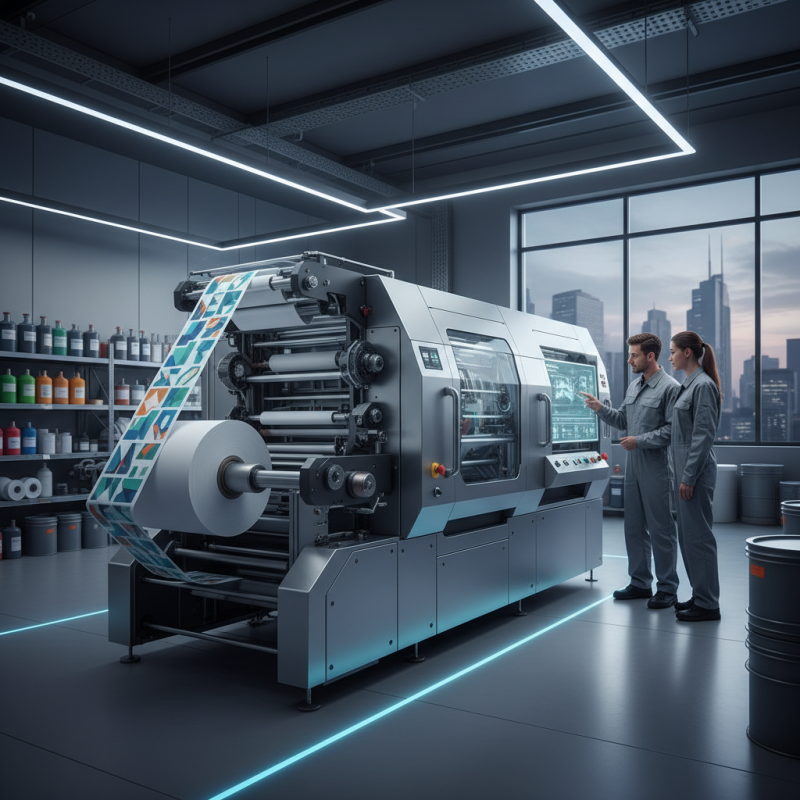
Overview of Flexo Label Printing Technology
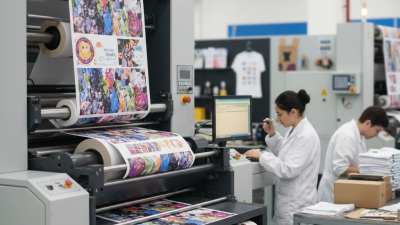
Flexo Label Printing technology has evolved significantly in recent years. This method utilizes flexible relief plates to transfer ink onto a variety of substrates.
Its versatility makes it suitable for producing labels, packaging, and more. The printing process is quick and efficient, often resulting in vibrant colors and sharp images. However, mastering this technology requires both skill and experience.
One notable aspect of Flexo Printing is itsadaptability to various materials. From plastic to paper, the technology accommodates a wide range of substrates. This flexibility allows for the production of unique and eye-catching labels. Yet, the challenge lies in ensuring ink adhesion and consistency across different materials. Operators must pay close attention to specifics to avoid issues such as smudging or fading.
Despite its advantages, Flexo Printing is not without limitations. The setup time can be lengthy, especially for complex designs. Additionally, maintaining high-quality prints requirescontinuous monitoring and adjustment. This constant need for oversight can be taxing for operators. Understanding these nuances is essential for anyone looking to harness the potential of Flexo Label Printing technology effectively.
Key Features of Top Flexo Label Printing Machines
Flexo Label Printingmachines are essential for modern packaging needs. Their efficiency and versatility make them popular among manufacturers. A recent industry report indicates that the global Flexo Printing market is projected to grow at a CAGR of 4.3% from 2022 to 2027. This growth highlights the increasing demand for high-quality labels.
Key features define the best flexo Label Printing machines. Flexo machines typically offer high-speed printing, reaching up to 700 meters per minute. This speed significantly boosts productivity. Furthermore, advanced color management ensures precise color matching. Many machines now come with automated processes that reduce setup times, enhancing operational efficiency.
**Tip:** Regular maintenance is vital for optimal performance. A well-maintained machine minimizes downtime and prolongs lifespan.
Choosing the right machine is crucial. Look for features like user-friendly interfaces and versatility in label materials. Some machines may lack the necessary adaptability, leading to potential production issues. Flexo label printing should meet diverse application needs, and flexibility is key. Evaluating various models helps in finding the right fit for specific packaging tasks.
2026 Top Flexo Label Printing Machine for Global Buyers? - Key Features of Top Flexo Label Printing Machines
| Model | Max Printing Width (mm) | Speed (m/min) | Color Stations | Print Resolution (dpi) | Key Feature |
| Model A | 350 | 150 | 8 | 600 | High Flexibility |
| Model B | 400 | 200 | 6 | 1200 | Ease of Use |
| Model C | 300 | 100 | 10 | 800 | Compact Design |
| Model D | 350 | 180 | 7 | 1000 | Advanced Automation |
Market Trends and Demand for Flexo Label Printers in 2026
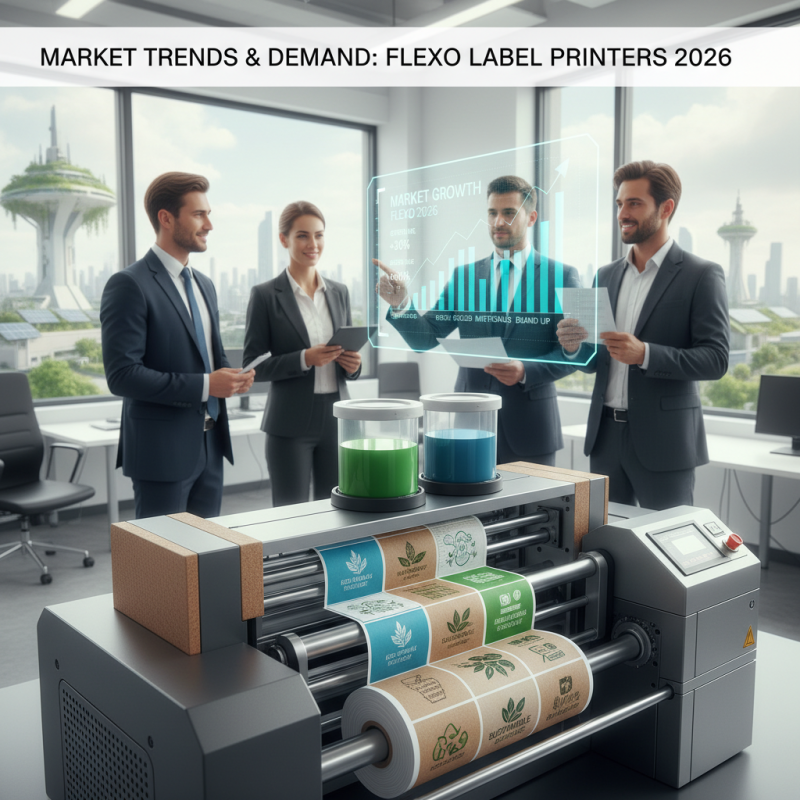
As we approach 2026, the demand for Flexo Label Printers continues to rise. This growth is driven by various market trends. First, brands are focusing on sustainability. Eco-friendly inks and materials are now a priority. Many companies are seeking machines that support these initiatives. Customers demand products that are both attractive and responsible.
Flexo label printing machines are becoming more advanced. Users expect faster production times and higher precision. Yet, not all machines meet these evolving standards. Some outdated models struggle to keep up with the pace. Buyers need to evaluate the capabilities of today's printers carefully. Efficiency is vital, but so is the quality of the final product.
The competitive market pushes manufacturers to innovate constantly. However, challenges remain. Not all buyers are aware of the latest technologies. Understanding the features that enhance performance is crucial. Investing in a Flexo Label Printer requires thorough research. Ultimately, buyers must balance innovation with practical needs and costs.
Leading Brands Innovating in Flexo Label Printing
In the competitive world of Label Flexo printing, innovation is vital. Today's leading brands are focusing on advanced technologies to enhance print quality and efficiency. According to a recent industry report, the global demand for flexo label printing is projected to rise by 4.5% annually until 2027. This uptick signals a shift toward more sustainable practices in printing.
Many companies are investing in hybrid printing solutions. These solutions combine digital and flexo techniques, allowing for greater versatility. Data indicates that 60% of manufacturers report improved production speed and reduced waste with these technologies. However, the integration process often presents challenges. Employees may require extensive training, and equipment costs can be substantial.
Sustainability is another driving force. Brands are exploring eco-friendly inks and substrates. Approximately 30% of flexo printers are implementing these materials, yet many face hurdles in sourcing. Consistency in quality with sustainable options remains a critical concern. As companies navigate these complexities, the future of Label Flexo printing will depend on their ability to innovate and adapt.
Comparative Analysis of Global Flexo Label Printing Solutions
The landscape of flexo label printing is evolving rapidly. Global buyers seek innovative solutions that combine efficiency and quality. In 2026, new Flexo Printing Machines are emerging. These machines offer advanced features designed for diverse applications in the label printing industry.
When comparing flexo printing solutions, several factors come into play. Speed and precision are crucial in production. Machines equipped with modern technologies can significantly reduce waste and enhance print quality. However, the learning curve for operators can be steep, leading to potential challenges. Evaluating user feedback and expert reviews is essential to make informed decisions.
Cost-effectiveness is another consideration that requires attention. Some machines may have a lower purchase price, but ongoing operational costs can add up quickly. Buyers must balance initial investments against long-term savings. This requires careful analysis of each machine's capabilities and the specific needs of their production environments.
2026 Top Flexo Label Printing Machine Performance Comparison
Buyer Considerations When Selecting Flexo Label Printers
When selecting flexo label printers, buyers face various considerations. Print quality stands out as a crucial factor. A study by the Flexographic Technical Association (FTA) indicates that nearly 70% of buyers prioritize high-resolution output. Sharp details and vibrant colors enhance brand visibility. Yet, achieving this level of quality often requires careful evaluation of equipment specifications.
Another critical aspect is the printer's versatility. The ability to handle different substrates and coatings is essential in today’s diverse marketplace. Industry reports show that 58% of converters look for printers that can adapt to various materials. This flexibility allows businesses to meet evolving customer demands. However, matching the right printer to specific production needs may not be straightforward.
Then, cost considerations come into play. While high-end machines promise advanced features, their price may create budget constraints. In fact, 52% of small to medium-sized enterprises feel overwhelmed by the initial investment. Product life cycle and maintenance costs also stress the profitability of the printer in the long run. Understanding these factors can lead to better decision-making. Balancing quality, versatility, and cost presents a real challenge for buyers seeking the ideal flexo label printing machine.
Future Prospects and Innovations in Flexo Printing Technology
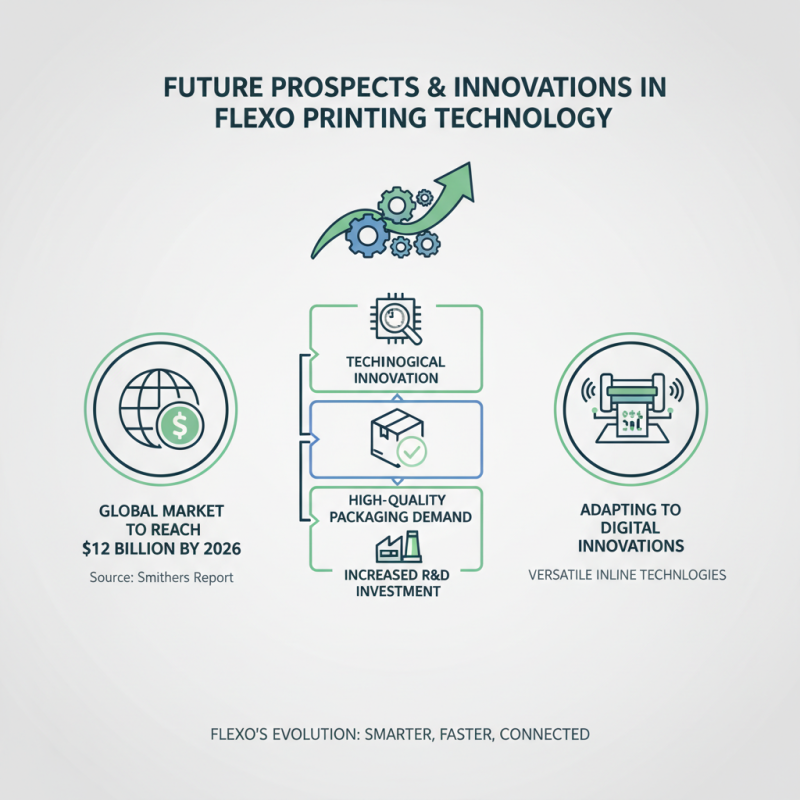
The flexo printing industry is poised for remarkable advancements in the coming years. As per the recent Smithers report, the global flexo printing market is expected to reach $12 billion by 2026. This growth is driven by innovation in technology and an increasing demand for high-quality packaging solutions. Many companies are investing heavily in R&D to stay competitive. Flexo printing technology is becoming more versatile, adapting to digital innovations, including inline technologies.
Automation is at the forefront of these innovations. Inline flexo printing machines can now integrate various processes. This reduces waste and enhances efficiency. As reported by the Packaging Technology and Research Institute, modern machines reduce waste by approximately 30% compared to older models. However, these advancements also pose challenges. Companies face pressure to stay updated with evolving technologies and consumer preferences. Many are struggling to transition smoothly.
Sustainability remains a critical focus. Brands are increasingly seeking eco-friendly materials and processes. Flexo printing technology is evolving to meet this demand. Emerging inks and substrates are designed for recyclability and lower environmental impact. Despite the progress, not every company is adapting quickly. There remains a gap in efficiency and knowledge among smaller players in the market. Addressing these challenges will be essential for the sector’s future growth.
Optimizing Production Efficiency with Automatic Die-Cutting Machines: A Comprehensive Guide
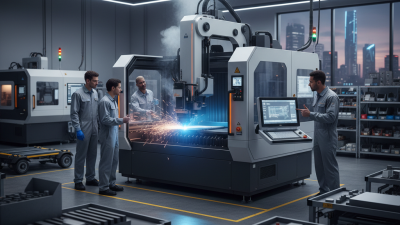
In the quest for enhanced production efficiency, automatic die-cutting machines have emerged as a crucial tool within the electronic industry. These machines are designed for precise molding and die-cutting of a variety of materials including PVC, film, Mylar paper, aluminum foil, and foam. According to the latest industry reports, the demand for such machines has been driven by a growing emphasis on automation and the need for high-quality outputs in manufacturing processes. In fact, it is estimated that the global market for die-cutting machines is projected to grow at a compound annual growth rate (CAGR) of around 5.2% over the next few years, a trend directly linked to increasing production needs.
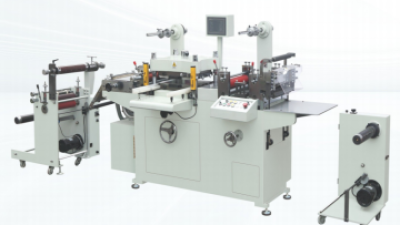
The B-type die-cutting machine represents a significant advancement over its predecessor, the A-type, with features that prioritize durability and operational efficiency. Its robust whole-body cast construction ensures that the machine can withstand strong operational pressures while maintaining smooth performance. Additionally, the incorporation of an oil gearbox minimizes wear and tear, thereby extending the machine's lifespan and enhancing its overall utility. A durable die-cutting machine not only contributes to reducing downtime but also maximizes productivity, thereby enabling manufacturers to keep pace with rising market demands.
As industries evolve, the optimization of production lines through automatic die-cutting machines becomes increasingly essential. The efficiency gained through these advanced technologies allows manufacturers to not only enhance their output but also improve product quality. Leveraging machines like the B-type die-cutting machine can lead to both short-term gains and long-term benefits, positioning manufacturers favorably in a competitive landscape.
FAQS
: The demand is driven by sustainability, advanced technology, and consumer expectations for quality.
Machines are becoming more advanced, requiring higher precision and faster production times from manufacturers.
Buyers need to understand features, balance costs, and assess technological capabilities carefully.
Brands prioritize eco-friendly materials and inks, responding to consumer demand for responsible products.
Hybrid solutions, combining digital and flexo techniques, improve production speed and reduce waste.
Automation enhances efficiency and reduces waste, but companies need to adapt to these changes.
The market is projected to reach $12 billion, driven by technological advancements and high-quality packaging demand.
Many struggle with employee training and the high costs of new equipment during the integration process.
Approximately 30% of flexo printers are using sustainable options, though consistency in quality is an ongoing concern.
Smaller companies often lack efficiency and knowledge, which can hinder their adaptation to new market demands.
Conclusion
The article titled "2026 Top Flexo Label Printing Machine for Global Buyers" provides a comprehensive overview of flexo label printing technology, highlighting its key features and the innovations shaping the future of the industry. With an increasing demand for high-quality printing solutions, the analysis delves into market trends expected to influence the flexo label printing machine landscape in 2026.
In addition to discussing the leading brands driving innovation in this space, the article offers a comparative analysis of available global flexo label printing solutions, guiding potential buyers on crucial considerations when selecting a machine. As the technology continues to evolve, future prospects and innovations in flexo printing technology hint at an exciting trajectory for businesses looking to enhance their packaging and labeling capabilities.

 Contact immediately

 Contact Phone
 Contact Email