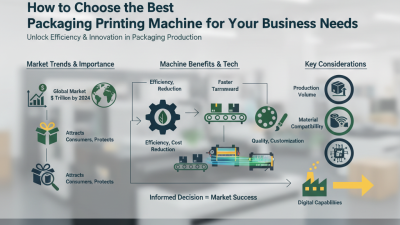
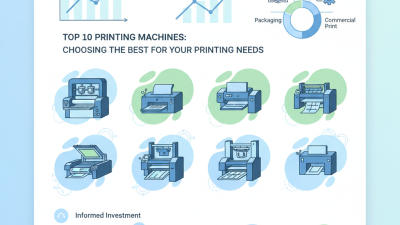
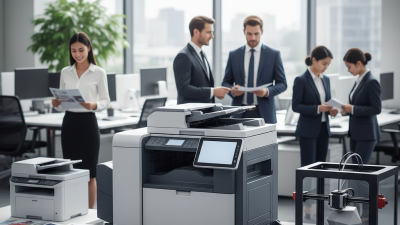
As we edge closer to 2026, it’s clear that demand for more advanced Printing Machine Printing Machinesis really picking up. According to Smithers Pira’s latest report, the global market for Printing Equipment is expected to cross the $400 billion mark by then. With new tech like digital printing and automation shaking things up, it’s more important than ever for businesses to pick the right machinery.
Big players like Canon, HP, and Epson are leading the charge, each bringing their own unique features to the table to meet various needs. For example, Canon’s newest models are all about easier use and better sustainability, while HP is emphasizing super-fast production speeds. Still, it’s not a matter of just grabbing the latest gadget. Buyers need to do their homework and really understand the trade-offs between cost and performance.
Every Printing Machine out there has its pros and cons. Some might be lightning-fast but not so precise, while others focus on producing top-quality prints but might struggle with high-volume jobs. Buying a Printing Machine isn’t just about checking a box — it’s a strategic decision that can really influence how smoothly your operations run in the long run and whether you’re setting yourself up for success or not.
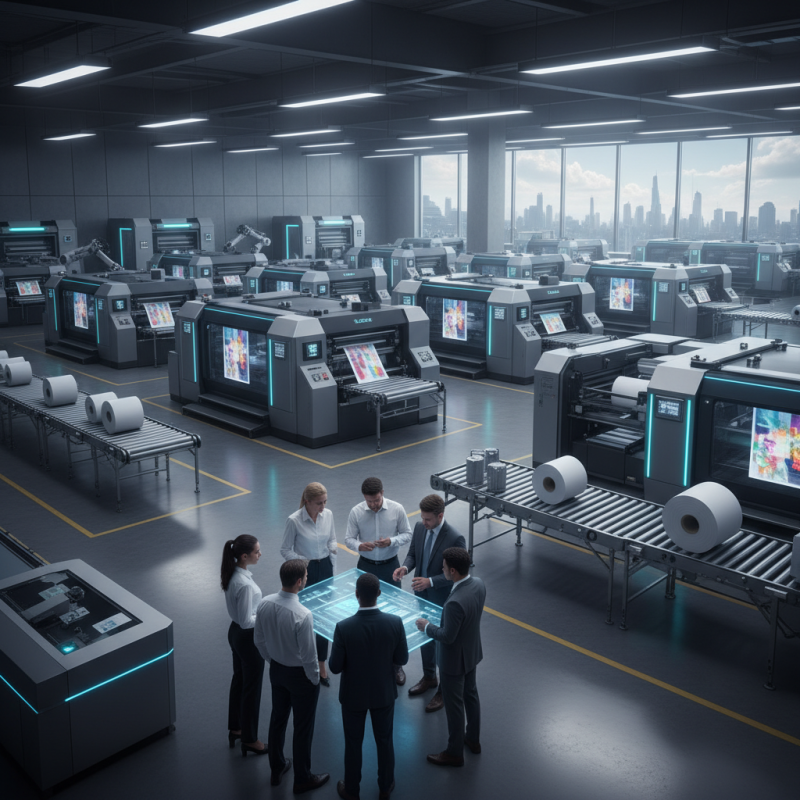
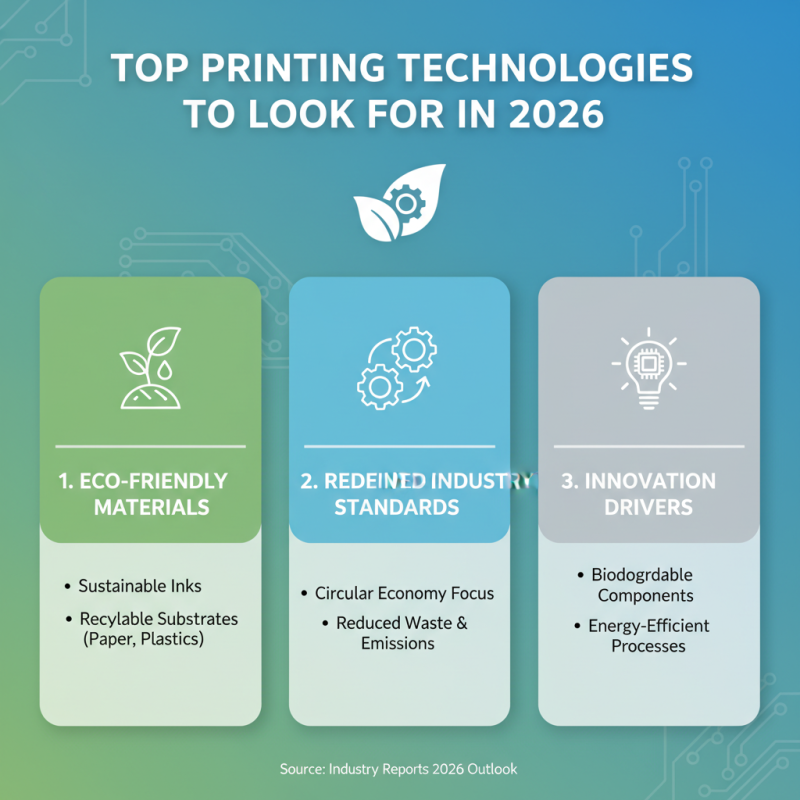
Top Printing Technologies to Look for in 2026
As we approach 2026, the landscape of printing technology is evolving rapidly. One major trend is the shift toward eco-friendly options. Many companies are exploring sustainable materials for ink and paper. This innovation reflects a broader emphasis on environmental responsibility. It's crucial to understand these new options as they may redefine industry standards.
Another significant development is the rise of digital printing. This technology enables faster and more cost-effective production runs. Machine Printing Machines are incorporating advanced features like real-time color adjustment. Such capabilities enhance precision and reduce waste. However, the adaptation of this technology isn't without challenges. Businesses must train staff on new systems, which can be time-consuming and costly.
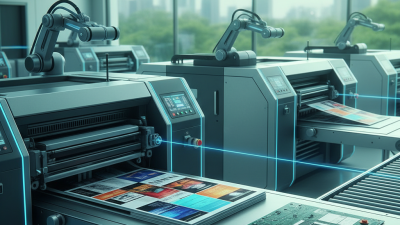
Moreover, automation is making waves in the printing sector. Machines with automated features can significantly boost efficiency. Yet, reliance on automation raises questions about job security. Businesses must find a balance. The convenience of Machine Printing Machines will need to align with workforce needs. Embracing these technologies while considering societal implications is essential for future growth.
Key Industry Trends Impacting Printing Machine Selection
The printing industryis undergoing significant transformations, influenced by technological advancements and evolving consumer demands. A recent report from Smithers predicts the global Printing Equipment market will reach$400 billion by 2026. Digital printing continues to dominate, expected to grow by 20% annually. This shift is driven by the need for customization, shorter runs, and quicker turnaround times.
Sustainability is another key trend shaping Printing Machine selection. Studies show that70% of consumers prefer companies committed to eco-friendly practices. Manufacturers are responding by designing machines that prioritize energy efficiency and reduce waste. These modern machines often feature advanced ink technologies that significantly lower environmental impact. Additionally, the transition to water-based inks aligns with global efforts to limit volatile organic compounds (VOCs).
Cost efficiency and operational flexibility remain crucial decision factors. According to industry analysis, over 60% of businesses are investing in multifunctional machines. These machines not only print but also fold, cut, and bind, proving valuable for small to medium enterprises. However, as companies navigate these choices, they must critically assess their unique needs versus market offerings to avoid overspending on unnecessary features.
Comparative Analysis of Leading Brands in 2026
When examining Printing Machines for 2026, a comparative analysis reveals critical insights. Various brands are pushing boundaries, yet quality varies significantly. Users should consider the features that matter most. Print speed is crucial for efficiency, while resolution impacts clarity. Many models now offer enhanced ink technology, providing vibrant results on a wide range of materials.
The design of each machine also plays a role. Ergonomically designed controls enhance user experience. Consider durability and maintenance when selecting a machine. Brands often claim low maintenance needs, but some users report otherwise. Investing in a reliable Machine Cutting Machine can reduce downtime and repair costs. However, it's essential to research user reviews for an objective perspective.
Price points differ widely. Budget models may lack advanced features, while high-end machines boast better performance. Yet, price does not always equate to quality. Some mid-range options deliver remarkable results without the hefty price tag. Exploring these varied offerings ensures that you make an informed decision, focusing on your specific needs in printing.
Top Printing Machines for 2026 Which One Should You Buy?
| Model | Type | Printing Speed (ppm) | Max Resolution (dpi) | Connectivity | Price (USD) |
| Printer A | Laser | 40 | 1200 | USB, Wi-Fi | 199 |
| Printer B | Inkjet | 20 | 4800 | USB, Bluetooth | 299 |
| Printer C | Multifunction | 35 | 6000 | Wi-Fi, Ethernet | 399 |
| Printer D | Photo | 15 | 9600 | USB, Wi-Fi | 249 |
| Printer E | Dot Matrix | 550 | 300 | Parallel, USB | 99 |
Sustainability in Printing: Eco-Friendly Machine Options
In the quest for sustainability, the choice of Printing Machines has become increasingly important. Eco-friendly options are available, enabling businesses to minimize their environmental footprints. These machines often use renewable energy sources and incorporate recyclable materials in their designs. As concerns about climate change grow, opting for a sustainable press machine can significantly contribute to agreener future.
When selecting a press machine, consider its energy efficiency. Look for machines that offer lower power consumption. Models equipped with advanced technologies tend to use resources more effectively. The use of biodegradable inks is another factor that enhances eco-friendliness. These inks break down naturally and do not harm the environment.
Tips: Always check for certifications that signify environmental compliance. Evaluate maintenance requirements; eco-friendly machines should ideally have lower maintenance needs, leading to less waste. Don't forget to consider the longevity of the machine. A durable press machine will serve you longer, making it a wise investment. Reflect on your usage patterns; this can influence your choice significantly, ensuring you select a machine that aligns with your printing needs while being mindful of the planet.
Cost-Benefit Analysis of High-Tech vs. Traditional Printers
In 2026, the debate between high-tech and traditional printers intensifies. A recent industry report states that 55% of businesses are considering investing in high-tech printing machines. These machines offer faster speeds and more precise quality. They are ideal for high-volume printing tasks.
However, traditional printing machines still hold value. They have lower upfront costs and can be more reliable for simple printing tasks. Data shows that 40% of small businesses prefer older models for basic operations. Maintenance costs are often less with traditional machines, making them appealing for budget-conscious businesses.
The choice is not straightforward. High-tech machines may lead to higher operational costs due to specialized inks and parts. On the other hand, traditional machines lack the advanced features that enhance productivity. Companies must weigh their specific needs set against their budgets. The decision should consider long-term goals and daily printing demands. Balancing cost and benefits requires careful analysis.
User Reviews and Performance Ratings of 2026 Printing Machines
In 2026, the printing machine landscape is evolving. Users are seeking devices that blend efficiency with high-quality output. Reviews suggest that performance ratings are crucial. Many users focus on speed and print resolution when choosing a machine. Features like wireless connectivity and ink-saving technologies are also highly valued.
One notable trend is the growing need for eco-friendly options. People appreciate machines designed for sustainability. However, some users express concerns over the longevity of these devices. Reports show mixed feedback on durability. It's crucial to look for user experiences detailing real-life usage.
Review ratings reflect various perspectives. Some users highlight impressive performance in print clarity. Others find certain models frustrating due to slow processing times. Understanding these nuances aids in making an informed decision. Consider what matters most to your printing needs and assess ratings accordingly. This approach will help you select the best machine for your requirements.
Future Innovations: What to Expect in Printing Technology
The future of printing technology promises remarkable innovations that will redefine the industry. We expect advancements in speed and efficiency. Machines will use eco-friendly materials, making processes greener. Sustainability is gradually becoming a priority for manufacturers. This shift will attract environmentally-conscious consumers.
Smart printing solutions are on the horizon. Emerging technologies like IoT will enable remote monitoring of devices. Predictive maintenance will become common, minimizing downtime. Users will receive alerts for essential maintenance. However, this reliance on technology raises questions about security. Data protection must be addressed as machines become more interconnected.
3D printing will tackle complex designs and rapid prototyping. Its cost-effectiveness will appeal to small businesses. Customized products can be created on demand. Yet, not every business is prepared for such a transition. Investment in training and infrastructure is critical. Education on these advancements will be key for successful implementation.
Top Printing Machines for 2026: Market Comparison
This chart displays the expected market share of various printing technologies in 2026. The data emphasizes the growth trends of different types of printing machines, reflecting advancements in technology and user preferences.
Enhancing Efficiency in Beverage Packaging: Insights from the Global Automatic Paper Cup and Plastic Cup Packaging Machine Market Trends 2023
The beverage packaging industry is witnessing a significant transformation, driven by the increasing demand for efficiency and customization in packaging solutions. As highlighted in the trends of the global automatic paper cup and plastic cup packaging machine market for 2023, manufacturers are now focusing on advanced technologies that enhance operational speed and reduce waste. This shift not only meets consumer expectations but also aligns with sustainability goals that are increasingly important in today’s market.
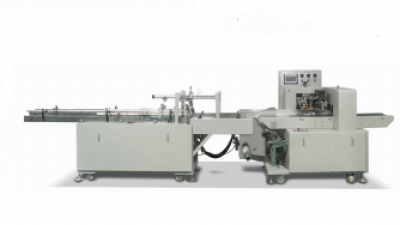
For businesses looking to streamline their packaging processes, a range of specialized machines is available, particularly designed for packaging plastic cups, paper cups, and paper bowls. These machines can be tailored to fit specific production needs, offering configurations such as single row, double row, three row, and four row options. By customizing machine setups according to customer requirements, manufacturers are able to optimize their production lines, resulting in improved efficiency and better resource management. The ability to quickly adapt to varying production demands makes these automated solutions an invaluable asset for companies aiming to thrive in the competitive beverage market.
FAQS
: Eco-friendly options and digital printing are major trends. Companies explore sustainable materials for ink and paper.
It allows for faster production and cost-effective runs. Advanced features like real-time adjustments improve precision.
Training staff on new systems can be costly and time-consuming. Not every employee adapts quickly.
They offer speed and quality but may come with higher operational costs. Traditional machines remain reliable for simple tasks.
They have lower upfront costs and easier maintenance. Many small businesses value simplicity and reliability.
Users emphasize speed and print quality. Eco-friendly features are appreciated, but durability concerns linger.
They are crucial for informed decisions. Users often weigh speed and resolution against other features.
Businesses must align machine capabilities with workforce needs. Automation raises questions about job security.
They should evaluate long-term goals against daily demands. Careful cost-benefit analysis is essential.
Look for eco-friendly designs but check user durability reports. Balancing sustainability with performance is important.
Conclusion
As we approach 2026, the landscape of printing machines is evolving rapidly, with advanced technologies shaping the choices available. Key industry trends indicate a strong shift towards eco-friendly printing machine options, driven by sustainability demands. A comparative analysis of leading brands reveals varying performance ratings and user reviews, essential for consumers making informed decisions.
Additionally, the cost-benefit analysis of high-tech versus traditional printers highlights the investment potential of contemporary systems, which often deliver better efficiency and quality. Anticipating future innovations, the printing machine sector is set to introduce exciting developments that will further enhance productivity and environmental performance. Understanding these dynamics will be crucial for anyone considering upgrading their printing machine in the coming years.

 Contact immediately

 Contact Phone
 Contact Email