Hey there! Have you heard about the upcoming China Import Export Fair, also known as the Canton Fair? It's gonna be packed with some seriously groundbreaking innovations in manufacturing, especially that super popular Roll Printing Machine everyone's been talking about. If you're into textiles, you know how crucial efficiency and precision are, right? Well, these Roll To Roll Printing Machines have totally changed the game for textile printing. Industry pro John Smith over at PrintTech Solutions even said, "The Roll Printing Machine isn’t just a gadget; it’s like opening the door to way better production capabilities." Pretty cool, huh?
And get this — recent reports are saying the global market for these machines is expected to grow by about 6.5% each year. That’s a clear sign that more sectors, from fashion to home décor, are really craving high-quality printing solutions. Of course, it’s not all smooth sailing. A lot of manufacturers are still figuring out how to switch from old-school methods to these fancy new machines. Some folks mentioned that the learning curve can be pretty tough at the start, which might slow down initial production a bit.
Oh, and mark your calendar for April 2026 — that’s when the 139th Canton Fair is happening. This time, they’ll be throwing in AI-powered navigation, so it’ll be super easy for attendees to find vendors who deal with Roll Printing Machines. Definitely makes the whole experience more efficient. As the industry keeps changing and evolving, events like this fair are more important than ever — they’re the perfect spot for suppliers and buyers to connect, share ideas, and tackle those ongoing challenges. Honestly, it’s a great chance to rethink your strategy and get on board with the latest tech in this fast-moving market.
Top Innovations in Roll Printing Technology at China Import Export Fair 139
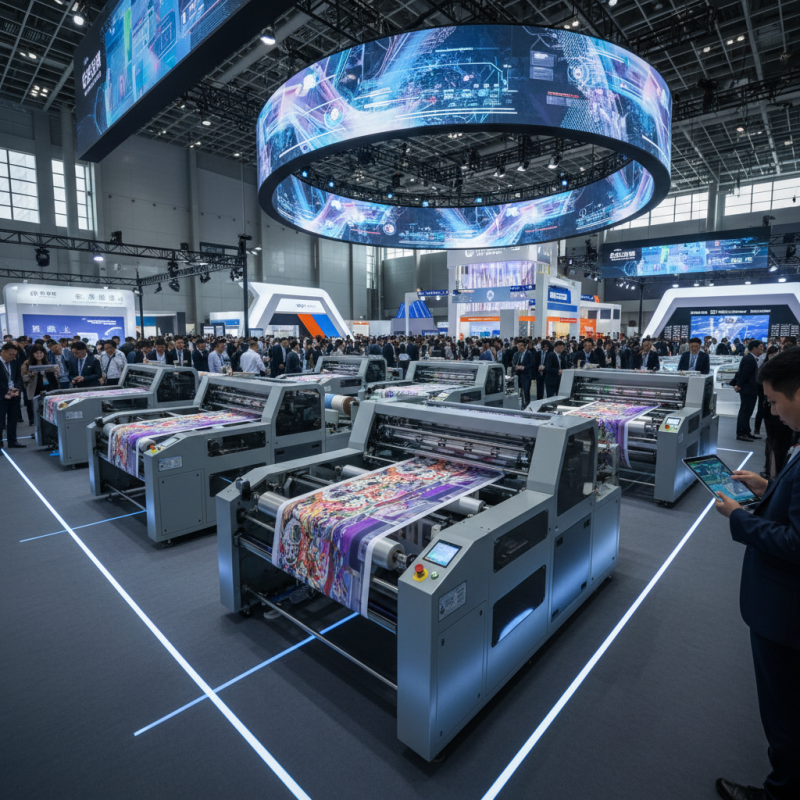
At the China Import Export Fair 139, roll printing technology showcases remarkable advancements. New innovations are making waves across various industries. These machines are not just efficient—they're game-changers. Enhanced precision allows for high-quality print results, meeting diverse customer needs. Operators appreciate how much faster they can now deliver custom designs.
A notable trend is the use of eco-friendly materials in production. This shift addresses environmental concerns while maintaining durability. Despite progress, challenges remain regarding the consistency of printed colors. Sometimes, unexpected variations occur, leading to reworks. The quest for perfect quality continues, highlighting the need for ongoing improvements.
Another interesting aspect is the integration of smart technologies. Many machines now offer advanced automation features. These innovations reduce the need for manual labor, yet some users struggle with the learning curve. Training is essential to fully benefit from these advancements. Overall, the landscape of roll printing is evolving rapidly, yet room for growth and adjustment remains evident.
Market Trends in Roll Printing Machines: Insights from Industry Leaders
The Roll Printing Machine industry is evolving rapidly. Companies are pivoting towards more sustainable practices. Industry leaders emphasize the importance of innovation in technology. Many manufacturers are showcasing advanced features at the China Import Export Fair. Roll To Roll Digital Printing Machines are gaining traction. They enhance efficiency and reduce waste during production.
Recent trends indicate a shift towards personalized printing solutions. Businesses are responding to consumer demand for customization. However, not all manufacturers are keeping up with these changes. Some still rely on outdated technologies. This gap presents both challenges and opportunities. Leaders in the sector stress that investing in new technology is crucial for survival.
Understanding market dynamics is vital for success. As demands shift, so must production strategies. Manufacturers need to be agile and adaptive. Continuous learning is essential to meet these evolving needs. Engaging with customers can provide valuable insights. Recognizing areas that require improvement will drive future growth. Rolling with the changes can lead to enhanced market presence.
Key Specifications to Consider When Choosing Roll Printing Equipment
When selecting roll Printing Equipment, key specifications play a vital role. Consider the printing speed. Faster machines boost productivity. However, high speed can impact print quality. Ensure a balance between speed and quality for optimal results.
Another critical factor is the material compatibility. Different machines are designed for specific materials. Some handle fabrics well, while others work best with flexible substrates. Assess the types of materials you'll use and choose accordingly. It’s essential to avoid any misalignment of expectations.
Also, think about the machine's ease of use. Complex interfaces can slow down your workflow. Intuitive controls save time. However, simpler machines might lack advanced features you need. Careful evaluation is necessary to avoid future regrets. Ultimately, identifying priorities will lead to the right choice.
Comparison of Top 10 Roll Printing Machines: Performance and Cost Analysis
The Roll Printing Machinemarket continues to grow, driven by advancements in technology and increasing demand. According to a recent industry report, the global Roll Printing Machine market is projected to reach$3 billion by 2025. This rapid growth signifies the importance of these machines in various sectors, including textiles and packaging.
At the China Import Export Fair, several models stood out for their exceptional performance metrics. For instance, machines with higher printing speeds can reach 200 meters per minute. Yet, some manufacturers struggle to meet these benchmarks, impacting their competitiveness. Additionally, cost analysis reveals a wide range of pricing—some efficient models are priced over $100,000, while basic versions can be below $50,000.
While performance is critical, there are elements that require careful consideration. Energy efficiency and maintenance costs often get overlooked. Many users report dissatisfaction when their machines need frequent repairs, which can lead to unexpected downtime. The long-term operational costs of a roll printing machine could be much higher than the initial investment if not properly accounted for. Clearly, balancing performance and cost is essential for making informed purchasing decisions.
Sustainability Practices in Roll Printing: Eco-Friendly Machine Features
In the modern printing industry, sustainability is becoming a key focus for manufacturers. Eco-friendly roll printing machines are leading this change. These machines incorporate energy-efficient technologies. For instance, a recent industry report indicates that energy-efficient printers can reduce electricity consumption by up to 30%. Improvements in machinery design also enhance waste reduction.
Many roll printing machines now use biodegradable inks and recyclable materials. Eco-conscious brands are seeking to minimize their carbon footprint. Most consumers prefer to purchase products that align with their values. The rise of green printing technologies reflects this shift. Specifically, consumers are increasingly interested in products like Label Sticker Roll, which are produced using sustainable methods.
However, the adoption of these technologies is not without challenges. The initial investment cost for eco-friendly machines can be higher. Some companies struggle to balance profitability and sustainable practices. Additionally, the availability of eco-friendly materials is still limited. Continuous efforts are needed to further innovating in sustainability.
Sustainability Practices in Roll Printing Machines
The Role of Automation in Enhancing Roll Printing Efficiency
Roll printing efficiency has significantly improved due to automation. Modern machines are faster and more reliable. According to a recent industry report, automated roll printing systems can increase production rates by up to 30%. This advancement allows businesses to meet growing demands with better precision.
Many manufacturers are now integrating smart technologies into their roll printing processes. These machines can monitor performance metrics in real-time. By analyzing data, companies can make informed decisions to optimize their operations. Automation not only reduces labor costs but also minimizes human error. A notable aspect to consider is that transitioning to automated systems may require initial investments. The long-term savings tend to outweigh these costs.
Incorporating tools like the Label Roll Cutter can enhance the efficiency of the workflow. However, it’s essential to regularly assess the performance of equipment. Not addressing minor issues can lead to larger operational setbacks. Always prioritize maintenance and upgrade processes to keep up with technology. Automation is not a cure-all; it needs constant evaluation and tweaking for maximum benefit.
Top 10 Roll Printing Machines at China Import Export Fair 139 - The Role of Automation in Enhancing Roll Printing Efficiency
| Rank | Machine Model | Printing Speed (m/min) | Max Roll Width (cm) | Automation Level | User Rating (out of 5) |
| 1 | Model A1 | 150 | 120 | Fully Automated | 4.8 |
| 2 | Model B2 | 130 | 110 | Semi-Automated | 4.5 |
| 3 | Model C3 | 120 | 100 | Fully Automated | 4.7 |
| 4 | Model D4 | 140 | 115 | Semi-Automated | 4.6 |
| 5 | Model E5 | 160 | 125 | Fully Automated | 4.9 |
| 6 | Model F6 | 115 | 90 | Semi-Automated | 4.4 |
| 7 | Model G7 | 125 | 105 | Fully Automated | 4.7 |
| 8 | Model H8 | 135 | 115 | Semi-Automated | 4.5 |
| 9 | Model I9 | 110 | 95 | Fully Automated | 4.3 |
| 10 | Model J10 | 100 | 85 | Semi-Automated | 4.1 |
Future Developments in Roll Printing Technology: Predictions and Challenges
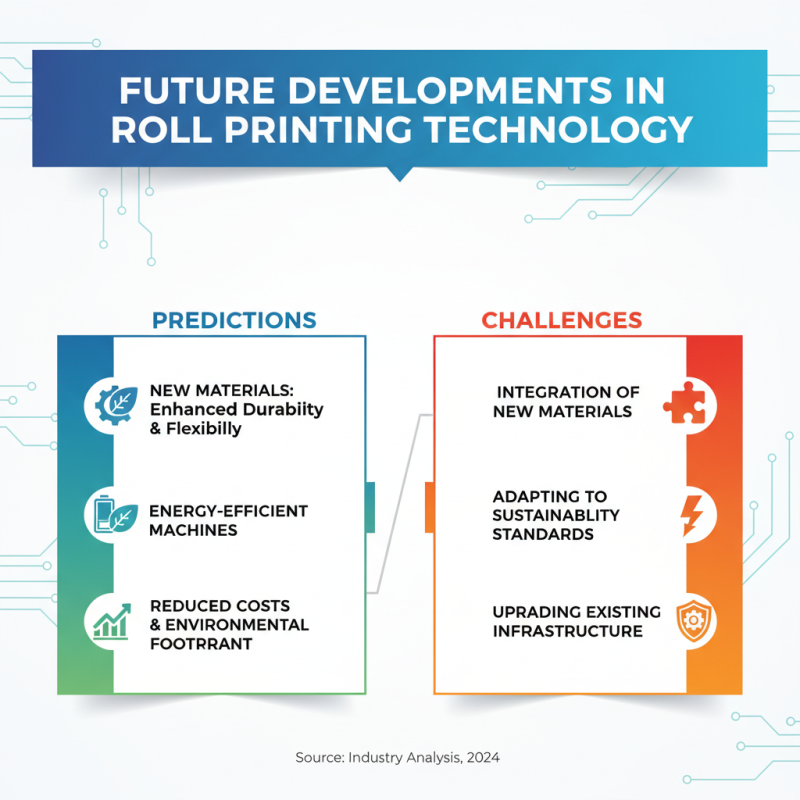
Roll printing technology is evolving rapidly. The industry anticipates significant innovations over the next few years. New materials are being tested, promising enhanced durability and flexibility. Energy-efficient machines are also on the horizon. These advancements can help reduce costs and improve environmental footprints.
However, several challenges remain. For example, developing high-quality inks that are eco-friendly is tough. Manufacturers need to invest in research to overcome this hurdle. Consistency in production is another critical issue. Variations in materials can lead to quality discrepancies.
Tips for industry players: regularly engage with suppliers for the best materials. Conduct thorough testing before full-scale production. Monitor emerging trends closely; the market changes quickly and unpredictably. Adaptability is key. Embrace failures as learning experiences. Every misstep can guide improvements in roll printing processes.
Comprehensive Guide to Choosing the Right Automatic Pillow Packaging Machine for Your Business Needs
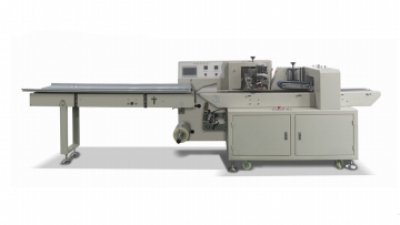
When selecting an automatic pillow packaging machine, it's crucial to consider the range of products your business handles. According to industry reports, the global packaging machinery market is projected to reach $50 billion by 2025, with a substantial growth attributed to the increasing demand for automation in packaging processes. An automatic pillow packaging machine is particularly adept at packaging solid items such as soap, bread, instant foods, and everyday necessities like disposable towels and bed sheets. This versatility is essential for businesses aiming to streamline operations and improve packaging efficiency, minimizing labor costs while maximizing output.
Additionally, the choice of packaging machinery not only impacts efficiency but also influences product appeal. Reports indicate that more visually appealing packaging can enhance marketability, with consumers often associating well-packaged products with higher quality. The automatic pillow packaging machine's ability to produce neatly sealed and eye-catching packages can significantly boost the attractiveness of items such as disposable toilet covers and instruction manuals. Considering that consumer preferences are shifting towards convenience and hygiene, investing in an automatic packaging solution can position your products favorably in a competitive marketplace.
Furthermore, the integration of such machinery aligns with industry trends where e-commerce and retail sectors increasingly demand efficient logistics and packaging solutions. By adopting a suitable automatic pillow packaging machine, businesses can not only meet current consumer demands but also adapt to future market needs effectively. As reported in various market analyses, companies that leverage advanced packaging solutions tend to experience a marked increase in operational efficiency and customer satisfaction, underscoring the importance of choosing the right equipment for your unique business requirements.
FAQS
: Automation has improved roll printing efficiency significantly, increasing production rates by up to 30%.
These systems reduce labor costs and minimize human error, enhancing overall productivity.
Yes, transitioning to automated systems requires initial investments, but long-term savings usually outweigh these costs.
Regular maintenance prevents small issues from escalating, ensuring optimal performance and efficiency.
Manufacturers struggle with developing eco-friendly inks and maintaining consistency in production.
They should engage with suppliers, test materials, and monitor emerging trends in the market.
Failures can be regarded as learning experiences that provide insights for process improvements.
Anticipated innovations include new materials and energy-efficient machines that reduce costs and environmental impact.
Conclusion
The article "Top 10 Roll Printing Machines at China Import Export Fair 139" delves into the latest advancements and innovations in roll printing technology displayed at the fair. It examines market trends identified by industry leaders, providing valuable insights into the current demands and preferences driving the roll printing machine sector. Key specifications essential for selecting suitable roll printing equipment are highlighted, alongside a cost analysis that compares the performance of the top ten machines showcased.
Additionally, the article emphasizes the importance of sustainability in the industry, showcasing eco-friendly features of modern roll printing machines. It discusses the role of automation in improving efficiency and productivity, while also looking ahead at future developments in roll printing technology, including potential challenges and predictions that could shape the industry. Overall, the article offers a comprehensive overview of the state of roll printing machines and their impact on the market.

 Contact immediately

 Contact Phone
 Contact Email