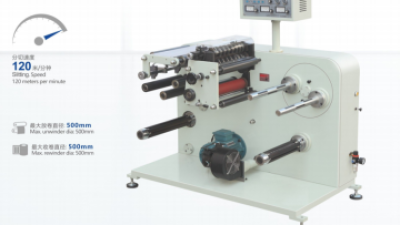
Lately, there's been quite a buzz around high-quality Slitting Units in the global market. According to a report from Mordor Intelligence, the market’s expected to grow at a CAGR of over 5% between 2023 and 2028. Obviously, this surge shows how much demand there is for precision across various industries—think packaging, textiles, and more.
I came across something pretty interesting recently—Dr. David Chen, who's kind of a big deal in manufacturing tech, said, “Investing in advanced Slitting Units can seriously boost your production efficiency.” That really hits home when you’re trying to choose the right equipment! China, of course, is a major player in manufacturing, and there are lots of options for companies worldwide. Names like Huaqiao Machinery and Suzhou Jwell Machinery really stand out for their innovative designs and tech.
That said, not all manufacturers are created equal. It’s super important for buyers to dig into their production capabilities and reputation before making a decision. There are definitely some trustworthy companies, but also quite a few less consistent ones out there. Skipping the research can end up costing a lot more than you bargained for when it comes to equipment choices.
Overview of Slitting Units and Their Importance in Manufacturing
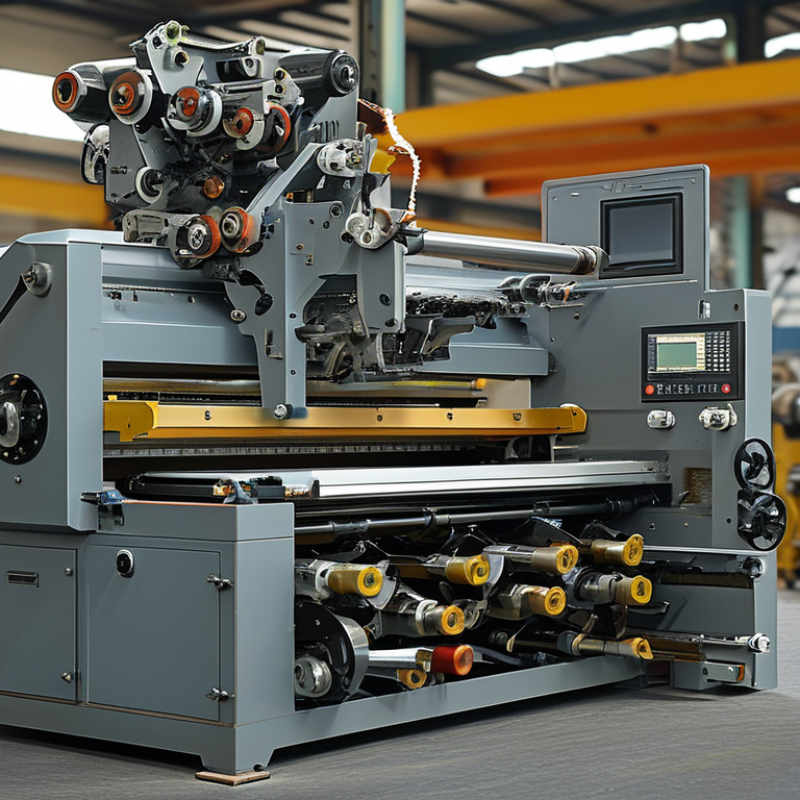
Slitting Units play a crucial role in various manufacturing processes. These devices are used to cut large rolls of material into narrower strips. In industries such as packaging, textiles, and automotive, precision matters deeply. The right Slitting Unit ensures consistent quality and minimizes waste. According to a report by ResearchAndMarkets, the global slitting machine market is expected to reach $700 million by 2026, reflecting a growing demand across multiple sectors.
The performance of Slitting Units significantly affects production efficiency. A well-calibrated unit can enhance throughput and reduce downtime. For instance, a study by MarketsandMarkets indicates that slitting operations can improve material yield by up to 20%. However, not all manufacturers achieve this efficiency. Some face challenges in maintaining blade sharpness and alignment. Regular maintenance is necessary but often overlooked. This can lead to increased operational costs and compromised quality.
In an increasingly competitive landscape, manufacturers must adapt to technological advancements. Automation and smart technology are beginning to transform slitting operations. However, implementing these solutions poses challenges. Many companies struggle with the initial investment and training. Despite these hurdles, innovation is essential for maintaining relevance in the market. The importance of investing in reliable Slitting Units cannot be understated, as they directly impact overall production quality.
Key Features to Look for in Slitting Units for Industrial Applications
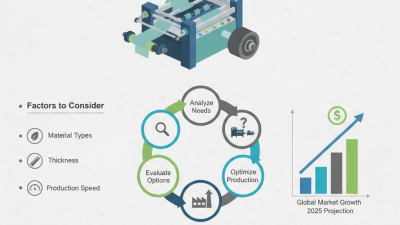
In selecting Slitting Units for industrial applications, it's vital to focus on key features that enhance performance. Precision is one of the most critical aspects. Research indicates that Slitting Units with an accuracy level of ±0.1 mm significantly reduce waste material. This improves efficiency and can lead to substantial cost savings for manufacturers.
Speed is another essential feature. The latest reports highlight that Slitting Units capable of operating at speeds above 300 meters per minute are becoming the industry standard. This high-speed capability can increase overall productivity. However, the challenge remains in ensuring consistent cut quality at such speeds. Many professionals find this balance hard to maintain.
Additionally, adaptability is crucial for a diverse range of materials. Slitting Units that handle various substrates, such as paper, film, and metal, provide versatility. Yet, finding a unit that combines all these features could prove difficult. As industries evolve, the need for continuous innovation in slitting technology becomes evident. Investing in reliable machinery with these attributes is essential for staying competitive in a dynamic market.
Leading Slitting Unit Manufacturers in China: A Market Overview
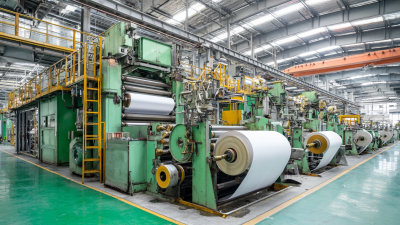
China has become a hub for Slitting Unit manufacturers, catering to global buyers. This sector has experienced rapid growth over the past decade. Companies in this arena focus on efficient production methods and advanced technology. They provide a wide range of products tailored to diverse industries, including packaging and textiles. These units are often essential for streamlining operations, particularly in high-demand markets.
Leading manufacturers emphasize quality and innovation. They invest heavily in research and development, ensuring that their Slitting Units meet international standards. Many of these firms also prioritize customer relationships, offering tailored solutions based on specific needs. However, some manufacturers face challenges in maintaining consistent quality. This inconsistency may affect overall reliability. Buyers should conduct thorough research before making a decision.
The competition among Slitting Unit manufacturers is fierce. While many companies claim expertise, not all have the same level of experience. It is essential for global buyers to seek out reliable partners. Sharing insights and best practices can enhance collaboration. Moreover, exploring the potential of integrating technologies such asPrinting Unit solutions adds significant value. Understanding the landscape will help buyers make informed choices.
Comparative Analysis of Top Slitting Unit Brands in China
When evaluating slitting units in China, buyers encounter various brands. Each brand offers unique features tailored for different needs. A thorough comparative analysis of these brands can reveal insights into their performance and reliability.
Consider looking at the specifications that stand out. Some brands may excel in speed and precision, while others focus on durability. Analyzing customer reviews can highlight strengths and weaknesses. Pay attention to the common issues users face, such as the maintenance requirements or service delays. This feedback offers a glimpse into the real-world application of these machines.
Tips: Always verify the manufacturer's support services. A responsive support team can make a big difference. Additionally, consider the compatibility of the slitting unit with your existing equipment. Small differences in specifications can lead to larger operational issues. Don't overlook this aspect in your analysis.
Comparative Analysis of Slitting Unit Performance
Customer Reviews and Feedback on Chinese Slitting Unit Manufacturers
When exploring slitting unit manufacturers in China, customer reviews play a crucial role. Many buyers share their experiences online, providing valuable insights. Some users appreciate the efficiency and affordability of these machines. They often highlight the precision of slitting operations, which is essential for high-quality production. However, feedback is mixed.
Certain users express concerns about after-sales support. Delays in response from manufacturers can lead to production downtime. It's important to weigh these factors before making a decision. Moreover, some customers mention inconsistencies in quality. These issues can arise due to variations in manufacturing standards.
Moreover, the feedback reveals a desire for better communication. Buyers often prefer manufacturers who are responsive and transparent. They seek detailed information about the Offset Printing Unit. Understanding the capabilities of each model is crucial for selecting the right equipment. Engaging with reviews helps buyers avoid potential pitfalls in their investments.
Top Slitting Unit Manufacturers in China for Global Buyers
| Manufacturer | Year Established | Production Capacity (units/year) | Customer Rating | Main Export Markets |
| Manufacturer A | 2005 | 5000 | 4.5/5 | Europe, Asia |
| Manufacturer B | 2010 | 3000 | 4.0/5 | North America, South America |
| Manufacturer C | 2015 | 7000 | 4.8/5 | Asia, Africa |
| Manufacturer D | 2000 | 10000 | 4.2/5 | Global |
Export Trends: Chinese Slitting Units in the Global Market
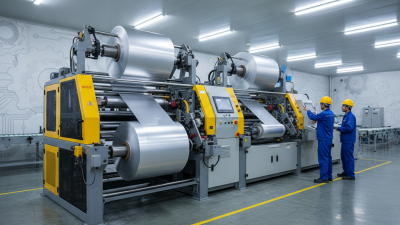
The export trends for Chinese slitting units have been remarkable in the global market. In recent years, demand has surged for Slitting Rewinding Machines, particularly in sectors like packaging and textiles. These machines are vital for creating narrower rolls from wide webs of material. Many manufacturers have adjusted their offerings, focusing on efficiency and automation.
Chinese manufacturers are investing heavily in technology. This helps them produce high-quality slitting rewinding machines that meet international standards. However, some challenges still exist. The quality assurance processes can vary among different manufacturers. Customers sometimes face difficulties in finding reliable partners.
The global market expects consistent performance and reliability from slitting units. Buyers are increasingly concerned about sourcing products that last. While some Chinese manufacturers excel, others may fall short. A thorough assessment of capabilities and certifications is essential. Ensuring that suppliers adhere to strict quality controls is crucial for maintaining high operational standards.
Future Innovations and Trends in Slitting Unit Technology in China
China's slitting unit technology is advancing rapidly, driven by demand for efficiency and precision. Recent reports indicate that the slitting machine market is expected to grow by 6% annually by 2025. This growth reflects a shift towards automation in manufacturing processes. As industries seek to reduce waste and maximize output, the role of the Automatic Slitting Machine becomes pivotal.
Innovations in material handling and improved blade design are at the forefront of this evolution. Manufacturers are integrating advanced features, like real-time monitoring and artificial intelligence, to enhance operational effectiveness. These technologies help predict maintenance needs, reducing downtime. However, challenges persist. The high cost of integrating new technology can deter smaller manufacturers.
Sustainability is also a key focus. Companies are exploring eco-friendly materials and practices in slitting operations. Despite these advancements, not all manufacturers are adapting quickly. There remains a significant portion of the industry relying on outdated machinery. This gap reveals opportunities for growth and improvements. Industry stakeholders must remain vigilant about these trends to stay competitive.
Maximizing Efficiency: The Benefits of High-Speed Automatic Divider Machines for Precision Slitting Solutions
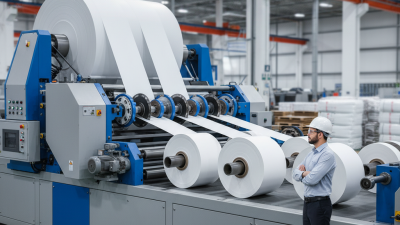
High-speed automatic divider machines have revolutionized precision slitting solutions across various industries, particularly in paper processing. With advancements in technology, such as fully servo-controlled winding and unwinding systems, manufacturers can achieve unprecedented efficiency and accuracy in cutting narrow width materials. A recent report from the Global Slitting Machine Market highlights that automatic slitting machines are expected to dominate the market, as they increase throughput while minimizing waste—an essential factor in today’s competitive manufacturing environment.
The introduction of sophisticated systems, like the dual winding shaft with automatic rotation and displacement capabilities, further enhances productivity. These innovations not only streamline operations but also ensure consistent performance through features such as automatic meter setting and deviation correction. Industry experts have noted that such machines can significantly reduce downtime, leading to an increase in overall operational efficiency, which is crucial as businesses strive to meet growing consumer demands.
Moreover, features like inflatable shafts for material reduction and electrostatic treatment provide manufacturers with the flexibility needed to optimize their production lines. As the demand for high-quality precision cutting continues to rise, integrating high-speed automatic divider machines becomes a strategic move for companies aiming to maintain a competitive edge in the market. Investing in these advanced technologies allows manufacturers to enhance their capabilities while catering to specific client needs more effectively.
FAQS
: Precision is vital. Units with ±0.1 mm accuracy minimize waste, improving efficiency.
Higher speeds boost productivity. Units operating above 300 meters per minute are becoming standard.
Maintaining consistent cut quality at high speeds is difficult for many professionals.
Units that handle various substrates like paper and metal offer versatility for industrial needs.
There’s a shift towards automation. Demand for efficiency and precision is driving innovations.
Advanced features like real-time monitoring and AI enhance operational effectiveness.
High costs of new technology can be a barrier to innovation and upgrades.
Companies are seeking eco-friendly materials and practices in slitting operations.
Many still rely on outdated machinery, highlighting a gap in the industry.
The need for growth and improvement is evident as industries evolve rapidly.
Conclusion
The article provides an insightful overview of slitting units and their critical role in industrial manufacturing processes. It discusses the key features that should be considered when selecting slitting units, such as precision, speed, and compatibility with various materials. The analysis of leading manufacturers in China highlights their significance in the global market, reflecting both their market presence and reputation.
Furthermore, the article presents a comparative analysis of top slitting unit brands, supplemented by customer reviews that offer insights into user experiences and satisfaction levels. It also examines current export trends, positioning Chinese slitting units as competitive players in international markets. Lastly, the piece anticipates future innovations and technological advancements in slitting unit design, suggesting an evolving landscape that underscores the importance of these tools in manufacturing efficiency and production quality.

 Contact immediately

 Contact Phone
 Contact Email