Hey, have you noticed how Die Cutting has totally revolutionized the crafting game? It opens up so many creative doors! I came across a quote from Anna Griffin, the awesome founder of Anna Griffin Inc., who once said, “Die Cutting allows crafters to unlock their full potential.” Honestly, it’s true—this technique lets hobbyists create super intricate designs that can really make any project stand out.
With Die Cutting, you’re not just cutting out shapes—it’s about adding layers and depth to your work. Just picture turning a plain old card into a stunning centerpiece. But, I won’t lie, if you’re just starting out, the learning curve can be a bit intimidating. Picking the right materials and figuring out which machine works best can be tricky, and yeah, you might mess up a few times—that’s totally normal. Sometimes it gets frustrating, but those little setbacks often lead to new ideas and better skills.
All in all, Die Cutting is such a powerful tool in the crafting world. It just needs some practice and a willingness to experiment. And hey, don’t worry about the imperfections—they’re actually what make your creations uniquely yours. So, grab your supplies, and let’s dive into this exciting world of Die Cutting together!
Understanding Die Cutting: A Comprehensive Overview
Die Cutting is a popular technique in crafting, allowing creators to produce intricate designs with precision. This process involves cutting materials like paper, fabric, and leather into specific shapes using aDie Cutting Press. Industry research shows that the global Die Cutting market is expected to grow significantly, driven by demand in various sectors, including textiles and packaging. In 2022, it reached a value of around $4.5 billion, highlighting its importance in the crafting community.
Understanding the die cutting process can enhance craft projects significantly. It allows for consistency and accuracy, which hand cutting cannot always guarantee. Many crafters face challenges when aligning materials. Misalignment can lead to wasted materials and frustration. However, using a Die Cutting Press minimizes these issues. This tool offers versatility, enabling users to experiment with different materials and designs. Yet, it requires practice to master the settings and pressure needed for optimal results.
Crafting is an art, and creativity thrives on experimentation. While Die Cutting provides a reliable method, there may be limitations in design flexibility. Crafters may feel constrained by the available dies. It's essential to reflect on personal styles and adapt techniques. Embrace the imperfections that arise during projects. Every crafting experience teaches valuable lessons, shaping skills for future endeavors.
Types of Die Cutting Machines and Their Applications
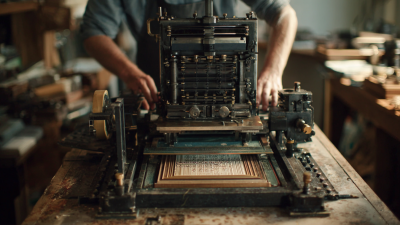
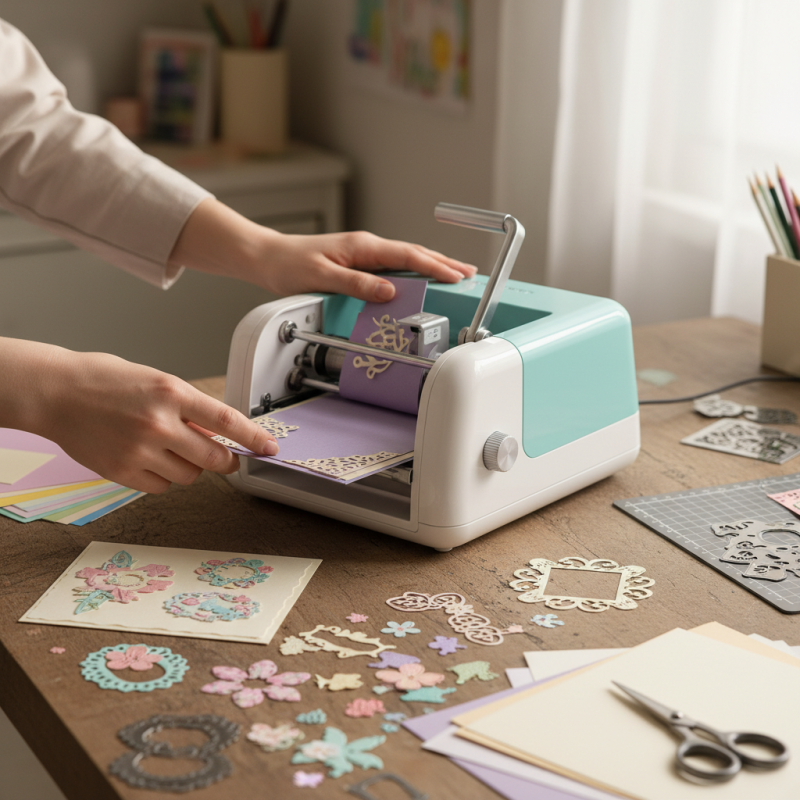
Die Cutting machines come in various types, each serving different purposes for crafters. A manual Die Cutting machine is great for beginners. It requires physical effort but offers precision. You can create intricate designs easily. However, it can be tiring, especially during lengthy projects. Many crafters face challenges with alignment and pressure, which can affect the final look of the cut.
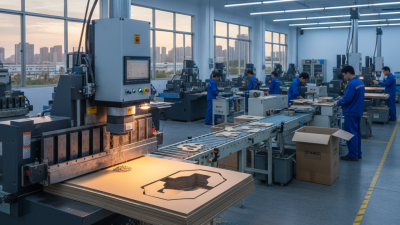
On the other hand, a Fully Automatic Die Cutting Machine simplifies the process significantly. This type of machine handles the entire cutting operation for you. It can work with different materials, from paper to vinyl. Sometimes, users struggle with setup and software connectivity. The learning curve can be steep. Yet, the results are often worth the effort, as you can achieve complex shapes effortlessly.
Finally, digital die cutting machines allow for endless creativity. They enable you to design custom shapes, which can be printed and cut. Some crafters find it overwhelming to use design software. Adjusting settings and files can take time. Nonetheless, these machines open doors to innovative projects, bringing your artistic vision to life.
How to Use Die Cutting for Your Craft Projects? - Types of Die Cutting Machines and Their Applications
| Machine Type | Cutting Method | Best For | Advantages |
| Manual Die Cutting Machine | Manual | Card Making, Scrapbooking | Affordable, No Electricity Needed |
| Electric Die Cutting Machine | Electric | Large Projects, Fabrics | Speed and Precision, More Versatile |
| Digital Die Cutting Machine | Digital | Custom Designs, Mixed Media | Flexibility in Design, Integrated Software |
| Big Shot Machine | Composite | Cardstock, Thin Materials | Compact Size, Easy to Use |
Choosing the Right Die for Your Craft Project
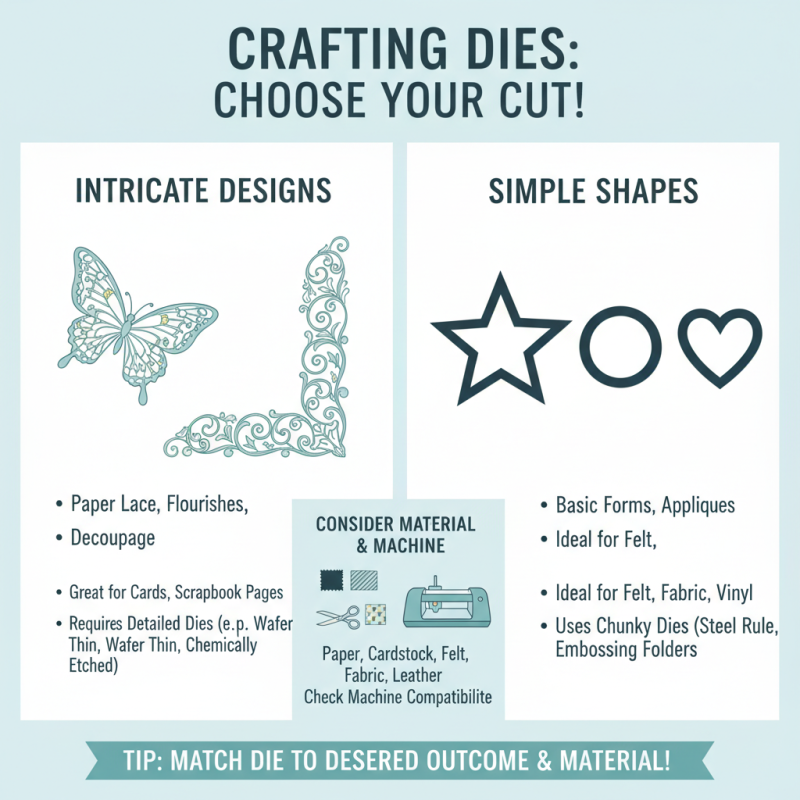
Choosing the right die for your craft project can significantly impact the outcome. Think about the overall design you want to achieve. Are you interested in intricate patterns or simple shapes? Sometimes the choice can be overwhelming, especially with so many options available.
Look closely at the size and shape of the die. A larger die might seem appealing, but it can require more space and materials. Consider your workspace and resources. If you're making smaller projects, a medium-sized die could suit better. Watch out for details too. Some dies have beautiful images but are complicated to use. This can lead to frustration instead of creativity.
Experiment with different dies. You might find that what looks good on paper doesn’t work in reality. Reflection is key. Ask yourself, what didn't go as planned? Sometimes, simplicity is more effective than complexity. Keep testing, and don't be afraid to make mistakes. They can lead to unexpected and beautiful designs.
Essential Materials for Successful Die Cutting
When diving into die cutting, having the right materials is crucial. A Label Die Cutting Machine is a foundational tool for creating precise shapes. This device allows crafters to produce labels, tags, and intricate designs quickly. By investing in quality dies, your project can achieve stunning results. Different materials also matter. Paper, cardstock, and even thin plastic can yield interesting textures.
Additionally, a reliable cutting mat is essential. It protects both your workspace and the blades of the machine. Each cut needs to be clean, which is why a good mat matters. Tools for weeding and an adhesive spray can elevate your finished pieces. They ensure that every detail is accounted for.
Sometimes, the right materials can be overlooked. Crafting isn’t always perfect. Some materials might not cut well, causing frustration. Testing different papers or settings can lead to unexpected successes, but also learning moments. Embrace these challenges; they often lead to unique creations. Keep experimenting with new materials alongside your Label Die Cutting Machine for the best outcome.
Die Cutting Techniques Popularity
Step-by-Step Guide to Using a Die Cutting Machine
Die cutting is a popular technique for crafting. It allows for precise shapes and designs to be created easily. Using a die cutting machine can elevate your projects significantly. In 2022, the global die cutting machine market was valued at over $200 million. This indicates a strong interest in this crafting method.
To get started, gather your materials. You will need cardstock, dies, and your die cutting machine. Place the die onto the material. Ensure it’s aligned correctly. Many beginners face challenges with alignment. If the die is misplaced, the result might not meet expectations. Remember, practice makes perfect.
Next, run the setup through the machine. Apply steady pressure. Some crafting enthusiasts report that inconsistent pressure can lead to uneven cuts. This is a common issue. If a cut isn’t clean, reflect on your technique. Adjust settings if necessary. Many find this part frustrating. Yet, it’s crucial for achieving the desired outcome. The more you practice, the better your results will be.
Creative Techniques to Enhance Your Die Cut Projects
Die cutting can elevate your craft projects to a new level. By using creative techniques, you can make unique designs. Layer your die cuts for depth. This adds a three-dimensional effect to your projects. Choose different colors and textures of paper. Mixing materials can bring your creations to life.
Tips: Try using contrasting colors to make your die cuts pop. Remember that not every combination will work. It’s okay to experiment and learn from mistakes. You may find that a glittery finish on a dull background shines beautifully. Test different sizes of die cuts in a design. This can create visual interest.
Consider adding embellishments. Stickers, sequins, and ribbons can enhance your die cutting work. Don’t hesitate to rethink your layout. Sometimes a small change can vastly improve the overall look. Crafting is about exploration. Allow yourself to wander through new ideas and techniques. Be patient with yourself during the process.
Tips and Tricks for Troubleshooting Common Die Cutting Issues
Die cutting is an innovative technique used in various craft projects. However, many beginners encounter issues. These problems can stem from various factors, such as the wrong pressure or inadequate materials. According to a report by the Craft and Hobby Association, nearly 25% of crafters mention difficulties with their die cutting machines. It's essential to understand the common pitfalls.
One frequent issue is uneven pressure. This can result in incomplete cuts or damaged materials. To troubleshoot, test different pressures with various materials. If the cuts are not clean, your die might be dull. Regularly check and replace your dies as needed. Using the correct type of cardstock can also make a significant difference. Paper that is too thick or too thin may hinder the die cutting process.
Another common challenge is aligning the die correctly. Misalignment can lead to wasted materials. Tools like magnetic platforms can help keep the die in place. Consider marking your die's position on the cutting mat. This helps ensure accuracy. Experimenting is crucial. Not every attempt will yield perfect results, but reflecting on the process aids improvement. Embrace imperfections; they often lead to creativity in Die Cutting Printing projects.
Revolutionizing Packaging Efficiency: The Fully Automatic Round-to-Round Die-Cutting and Slitting Integrated Machine
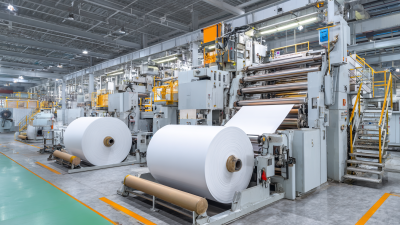
In the fast-evolving world of packaging technology, the Fully Automatic Round-to-Round Die-Cutting and Slitting Integrated Machine stands out as a revolutionary solution designed to elevate production efficiency. With a remarkable maximum speed of 220 meters per minute, this machine is engineered to optimize various packaging processes. It employs eight precision servo motors to ensure seamless operation, effectively handling rotary die cutting, slitting, automatic loading, and more, thereby reducing manual intervention and boosting productivity.
The machine’s advanced features facilitate a streamlined production line. Auto paper core feeding, cutting, labeling, and rewinding functions are integrated to minimize downtime and enhance operational efficiency. Designed to work with paper cores that require no glue and do not compromise on quality, it eliminates folding and waste using ultrasonic technology. The inclusion of both an auto meter counter and a quantity counter further simplifies management of production tasks, making it an indispensable tool for manufacturers seeking to improve their packaging operations while maintaining high standards of precision and quality.
FAQS
: The service aims to provide assistance with various inquiries and problems.
You can contact support through email, chat, or phone. Each method has its own response time.
You can report technical difficulties, service interruptions, or feedback about the platform's usability.
Basic usage of the service is often free, but premium features may require payment.
Response times can vary. Some queries are resolved in hours, while others may take longer.
Yes, feedback is welcomed. It helps improve the service but may not receive a personal response.
If an issue persists, consider escalating the matter through formal channels or requesting a review.
Yes, certain inquiries may not be fully addressed due to policy constraints or ambiguity in requests.
Updates can occur regularly to enhance functionality, but not every change is communicated to users.
There are options to recover login details, but users may find the process a bit cumbersome at times.
Conclusion
Die cutting is a versatile crafting technique that allows crafters to create intricate shapes and designs with ease. Understanding die cutting begins with familiarizing oneself with the different types of die cutting machines available and their specific applications—ranging from manual to electronic options. Choosing the right die for a particular project is crucial, as it can significantly affect the outcome.
Successful die cutting also depends on having essential materials, including quality paper and compatible dies. A step-by-step guide can simplify the operation of a die cutting machine, making it accessible even for beginners. Additionally, incorporating creative techniques can enhance projects further, while knowing troubleshooting tips can help resolve common issues that may arise during the process. Overall, mastering die cutting opens up a world of possibilities for any craft enthusiast.

 Contact immediately

 Contact Phone
 Contact Email