
 Contact immediately


0102030405
News
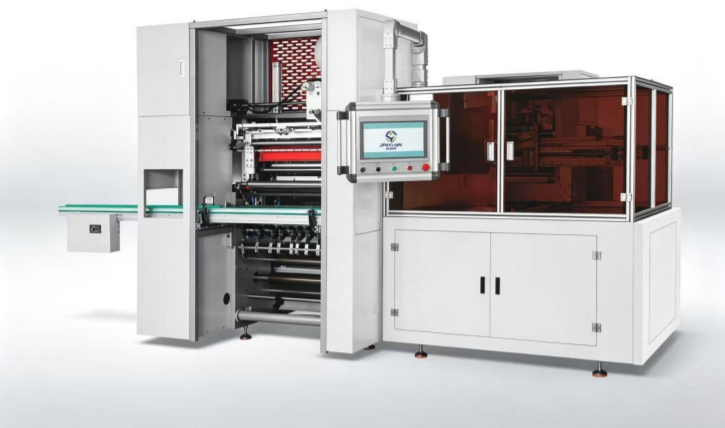
How to Slit Thermal Paper, Coated Paper & Biodegradable Films Corelessly? Coreless Automatic Slitter Rewinder Guide
2026-09-23
In today's fast-moving paper, label, and packaging industries, flexibility is the ultimate competitive advantage. A high-efficiency Coreless Automatic Slitter Rewinder has emerged as the gold standard for progressive converting operations worldwide. Traditional slitting and rewinding machinery relies heavily on paper cores or plastic tubes to support web tension and maintain finished roll structure. However, as raw core material costs fluctuate and end-users demand sustainable, eco-friendly consumables, converting factories must pivot toward advanced coreless solutions.
Why Choose a Coreless Automatic Slitter Rewinder? Coreless vs Cored Guide
2026-09-23
In the fast-evolving paper and film converting industries, adopting a high-efficiency Coreless Automatic Slitter Rewinder has shifted from an innovative option to a strategic imperative. For decades, converting flexible packaging, receipt rolls, self-adhesive labels, and technical films required solid cardboard or plastic inner cores to maintain mechanical stability during rewinding. However, modern engineering breakthroughs have made it possible to produce perfectly wound finished small rolls without any inner core at all.
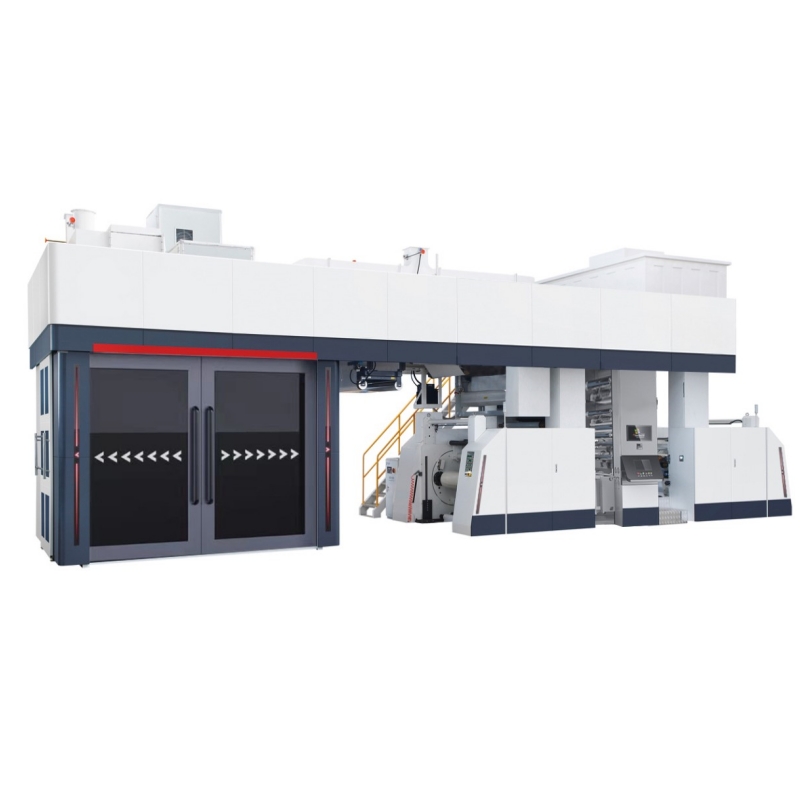
How Much Does a Flexo Printing Machine Cost? (2026 Price & ROI Guide)
2026-09-04
A high-performance flexo printing machine represents a pivotal investment for packaging converters, label printers, and industrial paper processors. However, determining the true capital outlay required for a new press line involves evaluating far more than the initial machinery sticker price. From basic entry-level stack presses costing $25,000 to fully automated gearless CI flexo lines reaching $500,000+, understanding the key price drivers, hidden facility costs, and ongoing operational expenditures (OpEx) is crucial. This comprehensive guide breaks down flexo printing machine cost structures, ROI calculation models, and presents an in-depth operational cost comparison against Gravure and Digital printing technologies.
How to Choose the Right Flexo Printing Machine? (CI vs. Stack vs. Inline Guide)
2026-09-04
Selecting the ideal flexo printing machine is one of the most high-impact investments a packaging converter, label manufacturer, or paper processor can make. With flexible packaging demands accelerating globally and substrates ranging from ultra-thin 12-micron PE films to heavy corrugated boards, choosing the wrong press architecture can lead to register misalignment, excessive scrap material, and lost production capacity. This comprehensive buyer’s guide explores the core mechanical differences between Central Impression (CI), Stack, and Inline flexographic presses, detailing performance specs, substrate suitability, and capital investment strategies to help you pick the right machinery for your facility.
What Are the Different Types of Slitting Machines? Razor, Shear, Crush Cut & Score Slitting Comparison
2026-08-24
A professional slitting machine is the backbone of web converting, packaging, and flexible material manufacturing industries worldwide. Every factory processing paper, plastic film, foil, adhesive tape, and roll-based packaging materials relies on precise slitting to convert wide master rolls into narrow, uniform finished rolls. To meet diverse material characteristics, precision standards, and production demands, manufacturers have developed multipletypes of slitting machines and corresponding slitting methods, each designed for specific material types, thicknesses, and finish requirements.
Manual vs Automatic Slitting Machine: Which One Is Better for Your Production?
2026-08-24
In the competitive industrial converting, packaging, and manufacturing sectors, the slitting machine stands as one of the most essential pieces of processing equipment. It plays a critical role in cutting large rolls of paper, film, foil, and flexible packaging materials into precise, narrower rolls to meet diverse production and packaging needs. For factory owners, production managers, and procurement specialists worldwide, the most common dilemma is choosing between manual vs automatic slitting machine models. Each type features unique structural designs, operational mechanisms, performance capabilities, and cost structures that directly impact production efficiency, product quality, and long-term business profitability.
How to Choose the Right Slitting Machine? Metal Coil & Film Slitting Machine Buying Guide
2026-08-08
Selecting the ideal slitting machine is one of the most critical capital investments for converting facilities, packaging manufacturers, and metal service centers worldwide. Whether you are processing ultra-thin polymer films at high line speeds or shearing heavy-gauge metal coils under immense hydraulic pressure, choosing the wrong mechanical layout, tension architecture, or slitting mechanism can lead to catastrophic material yield losses and costly machine downtime. This comprehensive industry buyer's guide provides an in-depth technical analysis of material-specific slitting technologies, dynamic tension control strategies, detailed comparison tables, and practical buying protocols to help you maximize your operational efficiency and return on investment.
How Much Does a Slitting Machine Cost? (2026 Price Guide & Troubleshooting)
2026-08-08
A high-performance slitting machine is an indispensable investment for flexible packaging manufacturers, paper converters, film processors, and industrial material producers worldwide. Whether you are scaling production capacity or upgrading from legacy equipment, knowing the exact investment variables, hidden operational overhead, and maintenance strategies is paramount. This definitive guide delivers an in-depth breakdown of slitting machine cost structures, real-world troubleshooting protocols, and strategic technical advice to maximize your plant's ROI.
What Is the Best Slitting Machine for Paper Rolls, Metal Coils, and Automatic Production?
2026-07-14
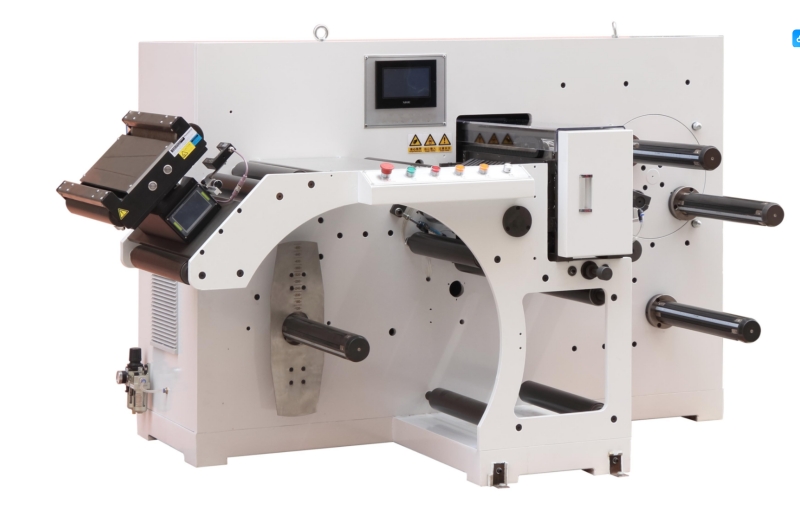
A Slitting Machine is essential equipment for converting wide rolls or coils of material into narrower widths with accurate cutting, stable tension, clean edges, and reliable rewinding or recoiling quality. Whether a factory processes paper rolls, adhesive labels, films, packaging materials, or metal coils, choosing the right slitting machine has a direct impact on production efficiency, finished product quality, labor cost, material waste, and long-term competitiveness.
Semi Automatic vs Fully Automatic Slitting Machine: What Is the Difference?
2026-07-14
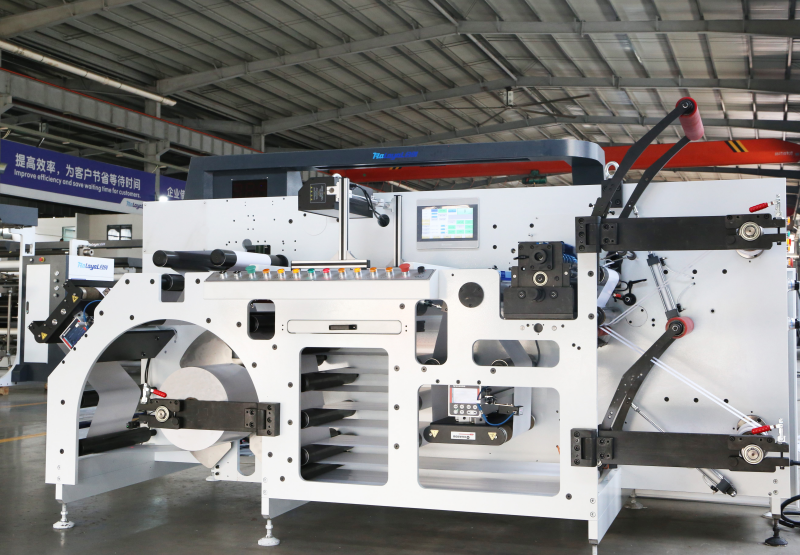
A Slitting Machine is one of the most important converting machines used to cut large rolls of material into narrower rolls with accurate width, stable tension, smooth edges, and consistent rewinding quality. For manufacturers in labels, packaging, logistics, food, medical, paper, film, nonwoven, adhesive materials, and other roll material industries, choosing the right slitting machine can directly influence production efficiency, product quality, labor cost, delivery speed, and long-term profitability.