
 Contact immediately


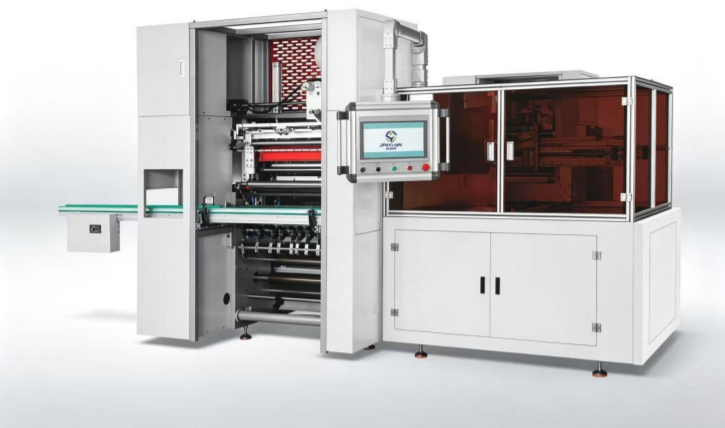
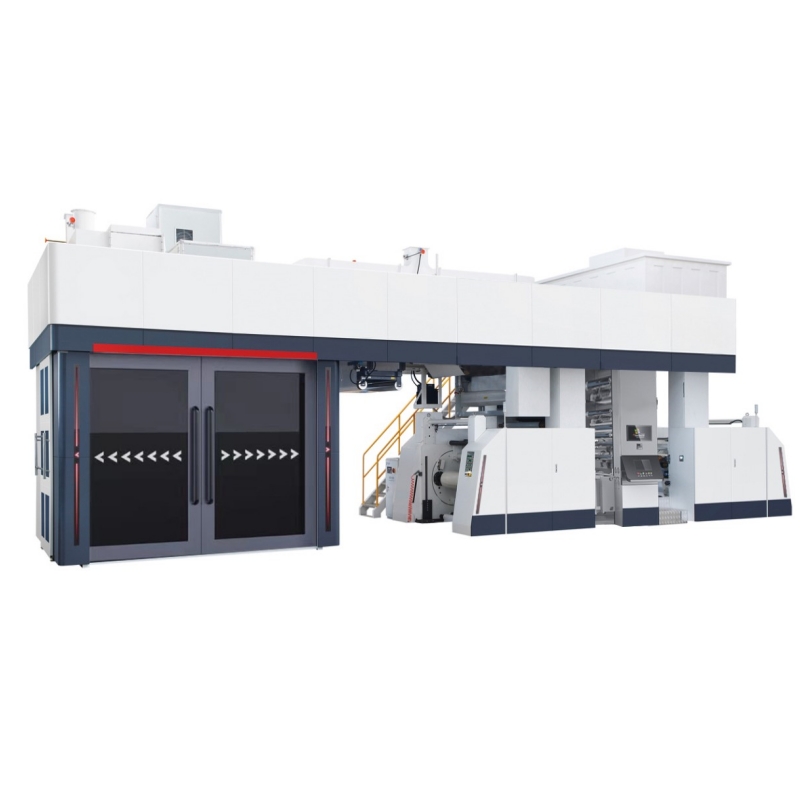
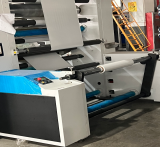
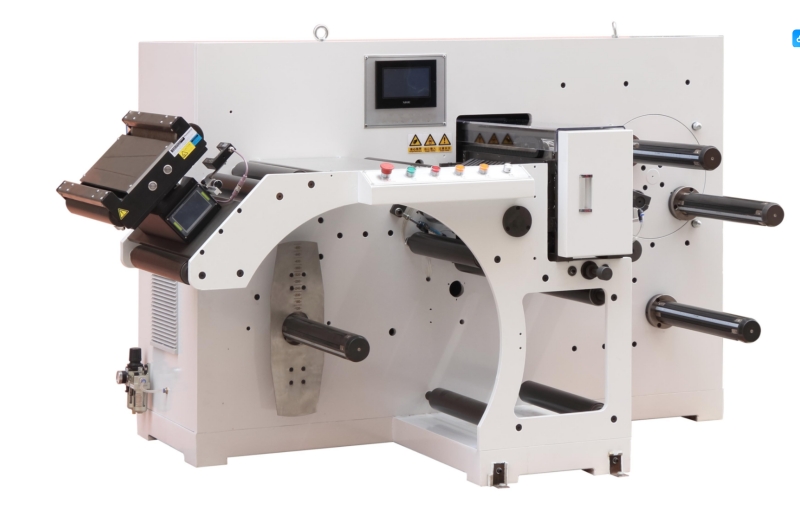
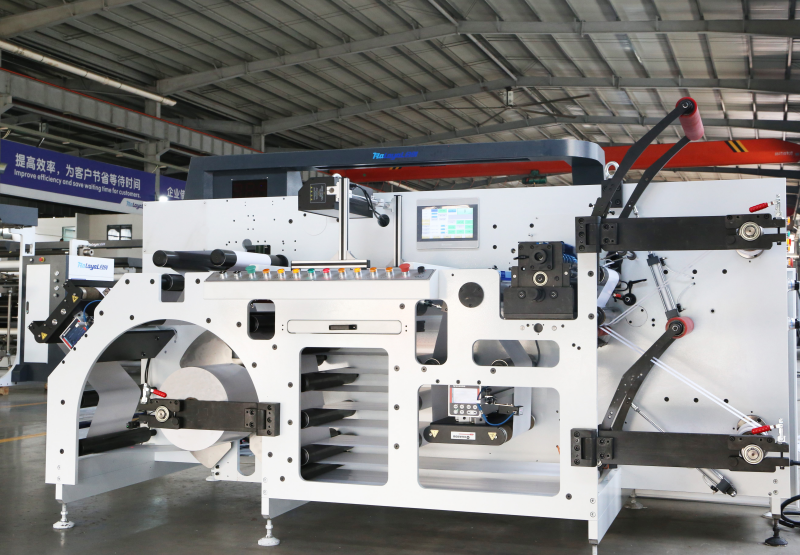
A high-performance slitting machine is an indispensable investment for flexible packaging manufacturers, paper converters, film processors, and industrial material producers worldwide. Whether you are scaling production capacity or upgrading from legacy equipment, knowing the exact investment variables, hidden operational overhead, and maintenance strategies is paramount. This definitive guide delivers an in-depth breakdown of slitting machine cost structures, real-world troubleshooting protocols, and strategic technical advice to maximize your plant's ROI.
1. Understanding the Core Role of a Slitting Machine in Modern Converting
A slitting machine (frequently referred to as a slitter rewinder) functions as the central nervous system in flexible material conversion plants. Its fundamental mechanical task is to take a wide master roll (parent roll) of material—such as BOPP, PET, aluminum foil, non-woven fabric, laminated paper, or specialty polymer films—and slit it into precise narrower widths while cleanly rewinding the slit strips onto individual finished cores.
In modern manufacturing environments, a high-efficiency slitting machine must maintain razor-thin tolerances under extreme operating speeds (often exceeding 400 to 800 meters per minute). Achieving consistent roll density, pristine edge quality, and zero web tracking error requires advanced mechanical engineering, real-time closed-loop tension control, automated blade positioning, and ergonomic layout designs.
How Much Does a Slitting Machine Cost?
A commercial slitting machine cost generally ranges from $10,000 for basic, manual semi-Automatic Machines up to $250,000+ for high-speed, fully automated, ultra-wide industrial slitting systems. The wide price span depends directly on working width, operational speed, level of dynamic automation, blade assembly complexity, and the material specs being processed.
To accurately budget for a Slitting Unit, industrial buyers must evaluate hardware specs against their specific daily output volume, labor expenses, and scrap reduction targets.
Factors That Influence the Slitting Machine Price Tag
Understanding where your money goes when purchasing converting equipment helps prevent under-investing in critical features or over-paying for unnecessary extras. The dominant cost drivers include:
- Degree of Automation: Entry-level slitters require manual core loading, manual knife placement, and manual unloading. High-end automated platforms feature automatic knife setup, automated laser core positioning, robotic finished roll unloading, and automatic cross-cutting. Automation significantly boosts upfront capital expenditure (CapEx) but dramatically lowers labor costs and machine downtime.
- Effective Working Width & Master Roll Diameter: Standard narrow-web slitters (300mm–600mm width) are significantly less expensive to build than wide-web units (1300mm–2500mm+). Machines designed to handle heavy master roll diameters (e.g., 1000mm to 1500mm OD) require heavy-duty floor-pickup unwind stands, hydraulic lift arms, and reinforced structural frames, driving up manufacturing costs.
- Tension Control & Drive Technology:Basic machines utilize single-motor drives with friction clutches, which often struggle with tension accuracy. Modern high-precision equipment uses multi-motor vector AC servo drives (indiviDual Servo motors for each rewind shaft and main traction nip), feedback load cells, and programmable logic controller (PLC) systems.
- Slitting Method & Hardware: Razor blade cutting in air or groove is the most cost-effective. Shear slitting (rotary top and bottom knives) or crush/burst slitting systems require precision machining, hardened knife shafts, and fine pneumatic adjustment controls, which add to the total build cost.
- Compliance & Safety Standards: Industrial-grade machinery featuring official CE certification, ISO quality management standards, light curtain safety barriers, and emergency brake interlocks carries a higher valuation due to rigorous testing and premium electrical/mechanical components.
Slitting Machine Price Tier Comparison Matrix
Below is an industry benchmark overview detailing typical price tiers, technical parameters, and recommended application scenarios for industrial Slitting Equipment:
| Tier / Machine Category | Typical Price Range (USD) | Max Speed & Width | Control System & Automation | Best Suited Applications |
|---|---|---|---|---|
| Entry-Level / Compact Slitter | $8,000 – $25,000 | 100–250 m/min 300mm–800mm | Manual tensioning, basic frequency inverter, manual knife configuration. | Small print shops, narrow label stock, ribbon conversion, low-volume batch production. |
| Mid-Range Standard Industrial Slitter | $25,000 – $75,000 | 350–500 m/min 1000mm–1600mm | PLC control with touch screen HMI, automatic tension load cells, dual shaft differential rewinding. | Flexible packaging converters, paper bags, standard PE/PET/BOPP films, medium-to-large converters. |
| High-Speed Automated Servo Slitter | $75,000 – $150,000 | 500–800 m/min 1300mm–2000mm | Full multi-servo motor synchronization, automatic laser knife alignment, automatic turret roll unload. | High-volume film producers, optical films, aluminum foil laminates, medical packaging materials. |
| Customized / Ultra-Wide Heavy Duty Platform | $150,000 – $300,000+ | 800+ m/min 2000mm–3500mm+ | Fully automated robotic core placement, integrated inspection cameras, custom heavy unwind lift systems. | Primary film manufacturing plants, papermills, heavy-gauge steel/foil industrial converting. |
Hidden Costs to Consider Beyond the Purchase Price
Calculating the true Total Cost of Ownership (TCO) requires evaluating key operational variables beyond the initial machinery purchase price tag:
- Freight and Customs Logistics: International shipping (FCL/LCL ocean freight, heavy machinery rigging, transit insurance, and regional import duties).
- Installation and Field Commissioning: While high-quality modern converting equipment is engineered for plug-and-play setup, customized wide-web lines may require specialized technician deployment for precision alignment and operator training.
- Tooling and Consumables Replacement: High-grade shear blades, razor blades, air shafts, differential friction rings, and rubber nip rollers wear out over time and must be budgeted as periodic maintenance expenditures.
- Facility Power Infrastructure: High-speed servo systems demand steady, high-amp three-phase electrical input and dry, compressed air supply setups.
Common Slitting Machine Problems and How to Fix Them
Even premium converting machinery can run into web control issues or slit quality problems when processing varying substrate grades, thin gauge films, or defective master rolls. Recognizing root causes quickly minimizes expensive downtime and raw material scrap.
Below is a troubleshooting breakdown covering typical slitting machine problems and step-by-step engineering solutions.
Issue 1: Uneven Roll Tension and Telescoping Rolls
Symptom: The finished rewound roll shows a cone-shaped profile (telescoping), soft spots, or uneven density where the center pushes outward under pressure.
Root Cause Analysis: Uneven tension during the rewinding phase is the primary cause of telescoping. When inner air cores are wound too loosely and outer layers are tightly bound, radial forces push the inner layers outward. Improper taper tension profiles or slipping friction rings on differential air shafts also aggravate this condition.
How to Fix It:
- Adjust the Taper Tension Curve: Program a smooth taper tension curve into your PLC touch screen interface. As the rewind diameter increases, tension should gradually decrease (typically a 10% to 40% drop over the winding cycle) to prevent outer layers from crushing inner turns.
- Inspect Differential Friction Rings: If utilizing differential rewind shafts, ensure the friction rings match the inner core tolerances and that air pressure regulation to the internal bladder is consistent and clean.
- Verify Air Shaft Calibration: Check pneumatic pressure supplies for leaks or pressure drops across the shaft length.
Issue 2: Poor Cut Quality, Burrs, and Material Flaking
Symptom: The slit edges appear rough, frayed, dusty, or show microscopic burrs. This is especially prevalent in paper converting, aluminum foil slitting, or thick polymer film processing.
Root Cause Analysis: Dull cutting blades, incorrect clearance or overlap between upper and lower rotary shear knives, incorrect cutting angle, or improper blade geometry for the target substrate.
How to Fix It:
- Re-align Shear Blade Overlap and Side Pressure: For shear slitting setups, ensure the upper blade depth overlap with the lower female knife is strictly within 0.5mm to 1.0mm. Excessive overlap causes blade bending and rough edges; insufficient overlap leads to skipped cuts.
- Match Blade Material to Substrate: Transition from standard high-speed steel (HSS) blades to premium Tungsten Carbide or Titanium-coated blades when processing abrasive papers, laminated foils, or highly rigid films.
- Switch Slitting Technique: If razor blade slitting causes material stretch and edge burrs on ductile films, upgrade your slitting section to a driven shear knife assembly.
Issue 3: Material Creasing, Wrinkling, and Web Deviation
Symptom: Diagonal or longitudinal wrinkles form in the web path prior to entering the slitting section, resulting in misaligned finished cuts and uneven rewinding.
Root Cause Analysis: Web tracking misalignment caused by non-parallel guide rollers, uneven master roll caliper (gauge variation across the parent roll width), or improper entrance nip roller pressure.
How to Fix It:
- Perform Precision Roller Alignment: Use precision laser alignment tools to confirm all guide rollers, traction nips, and rewind shafts are 100% parallel to one another. A roller out of alignment by even 0.5mm can induce localized stress wrinkles.
- Deploy Banana / Curved Spreader Rollers: Install an adjustable bowed roller or grooved rubber expander roller directly upstream of the slitting station to stretch the material outward and smooth out web slack.
- Utilize Advanced Web Guiding Systems (EPC/LPC): Verify that the Automatic Web Guide System (Ultrasonic, Photoelectric, or Infrared sensor based) is responsive, calibrated, and keeping the unwinding edge locked along the central processing axis.
Issue 4: Frequent Blade Wear and Thermal Degradation
Symptom: Slitting blades lose cutting precision rapidly, necessitating constant machine stops for knife replacement. Plastic films may also melt or fuse at the edges during slitting.
Root Cause Analysis: Excessive friction-induced heat caused by incorrect blade side-pressure (cant angle), running shear blades dry at high speeds without micro-lubrication, or running razor blades through high-friction abrasive substrates.
How to Fix It:
- Optimize Cant Angle Setting: Ensure lower and upper rotary blades touch at a precise, minimal shear angle (typically between 0.5° and 1.5° depending on material gauge).
- Implement Micro-Lubrication / Blade Cooling: Apply a light mist of food-grade silicone oil or liquid air cooling nozzles at the slitting junction to reduce dynamic friction and thermal buildup on high-speed runs.
Issue 5: Static Electricity Accumulation and Dust Attraction
Symptom: Electrical shocks strike operators near the rewind zone, slit film strips cling to machine walls, or airborne particulate dust contaminates high-clarity optical films.
Root Cause Analysis: High-speed friction between dielectric polymer webs and metal guide rollers generates high electro-static charges (frequently exceeding 20kV to 30kV).
How to Fix It:
- Install Active Ionizing Anti-Static Bars: Position active shockless anti-static ionizing bars directly at the unwinding station, immediately after the slitting blades, and above the rewind shaft collection points.
- Verify Factory Grounding: Ensure the main body frame of the slitting machine is grounded with a dedicated earthing rod to drain residual charges safely.
4. Strategic Buyer's Guide: Selecting the Right Slitting Solution
When selecting a new slitting machine, purchasing decisions should never be based solely on lowest capital expenditure. A cheap slitter with unstable frame rigidity or low-tier electronic components will quickly result in material waste, frequent recalibration downtime, and high replacement part costs.
Use the following selection protocol during equipment evaluation:
- Define Substrate Spectrum: Determine the exact minimum/maximum substrate thickness (micron/gsm range), tensile strength, thermal sensitivity, and surface delicacy of your materials.
- Determine Width & Output Metrics: Map out current master roll dimensions and projected weekly output tons. Factor in future product line expansions to avoid outgrowing machine capacity.
- Evaluate Drive & PLC Architecture: Demand recognizable, non-proprietary electronic systems (e.g., Siemens, Schneider, Mitsubishi, Yaskawa) so your maintenance crew can easily source drive spares and PLC diagnostics locally.
- Prioritize Ergonomics and Operator Safety: Features like hydraulic floor pick-up unwinds, automatic knife setting, and safety light curtains protect your workforce and shorten roll changeover times from 30 minutes down to under 5 minutes.
5. Why Global Manufacturers Partner with Wenzhou Jinyuan Mechanical Technology
When high precision, stable day-in-day-out operation, and overall return on investment are paramount, industry leaders turn to Wenzhou Jinyuan Mechanical Technology Co., Ltd.
Located in Wenzhou City, Zhejiang Province, China, Jinyuan Machinery enjoys convenient transportation links and serves as a premier modern provider of advanced slitting and rewinding equipment solutions. We fully integrate technical research and development, modern precision manufacturing, and international sales and support.

Why modern converters choose Jinyuan Machinery as their equipment partner:
- Robust Production Scale & Engineering Expertise: Our company boasts a modern production facility spanning over 3,000 square meters, backed by a dedicated workforce of nearly 70 skilled professionals. This team includes 11 senior technical engineers and 6 core R&D specialists committed to converting machinery innovation.
- Customized & Systematic Equipment Engineering: We excel at customizing user-friendly, ultra-stable equipment solutions tailored directly to our clients' unique web materials, plant floor conditions, and target output metrics.
- Certified International Quality Control:Jinyuan Machinery is dedicated to supplying high-performance, long-lasting converting and Printing Equipment. Our modern manufacturing facility has earned officialCE certification, ISO quality management system compliance, and holds multiple proprietary technical patents.
- Global Trust and Proven Reliability: Our rigorous quality inspection, structural machine testing, and dedicated technical service back every system we build, ensuring safe, stable, and highly profitable operations for converting plants worldwide.
6. Frequently Asked Questions (FAQ)
Q1: What is the main difference between razor, shear, and crush (score) slitting?
A: Razor Slitting uses a stationary blade cutting through material running over a grooved roll or suspended in air; it is cost-effective and best for thin plastic films (PE, PVC, PET). Shear Slitting utilizes two rotary blades (male top knife and female bottom knife) that meet like a pair of scissors; it is the ideal choice for heavy paper, board, aluminum foil, and thick laminates. Crush/Score Slitting presses a blunt circular blade against a hardened steel anvil roll to crush through material; it is commonly used for non-wovens, foam, and pressure-sensitive tapes.
Q2: Why is differential rewinding critical on a modern slitting machine?
A: Substrates rarely have perfectly uniform thickness across their entire width. When slitting wide parent rolls into multiple narrow coils, thicker strips wind faster and tighter, while thinner strips become slack. A differential rewind shaft allows individual core friction rings to slip independently, maintaining uniform web tension across every single finished roll regardless of gauge variation.
Q3: How often should slitting blades be serviced or replaced?
A: Maintenance frequency depends on material abrasiveness and blade composition. Standard steel razor blades processing abrasive materials may need replacement every shift or two. Premium Carbide rotary shear blades processing clean films can last hundreds of operating hours before requiring resharpening. Regular inspection for microscopic nicks or dullness prevents poor slit quality.
Q4: Can a single slitting machine process both thin films and heavy paper stock?
A: Yes, provided the equipment is engineered with versatile dual-slitting stations (combining both razor and shear blade options) and features a wide dynamic tension control range. Jinyuan Machinery routinely custom-engineers multi-purpose slitters equipped with modular slitting heads and wide-spectrum PLC tension settings.
Q5: How long does delivery and commissioning typically take for a custom slitting machine?
A: Standard model slitting machines are typically manufactured, tested, and ready for shipment within 30 to 45 days. Fully customized, wide-web automated lines generally take between 60 to 90 days from design approval to factory acceptance testing (FAT).
Ready to Upgrade Your Converting Capability & Eliminate Production Bottlenecks?
Whether you need precise budget estimates, custom web machinery engineering, or advice on upgrading your existing slitting efficiency, our engineering team is standing by to help.
Discover how Wenzhou Jinyuan Mechanical Technology Co., Ltd. can help you eliminate slitting defects, boost line speeds, and maximize your plant's profitability with tailored converting equipment solutions.
Contact Our Engineering Experts Today:
🌐 Official Website: https://www.jinyuan-machinery.com/
📧 Inquire directly for custom quotes, technical drawings, and machine video demonstrations!