
 Contact immediately



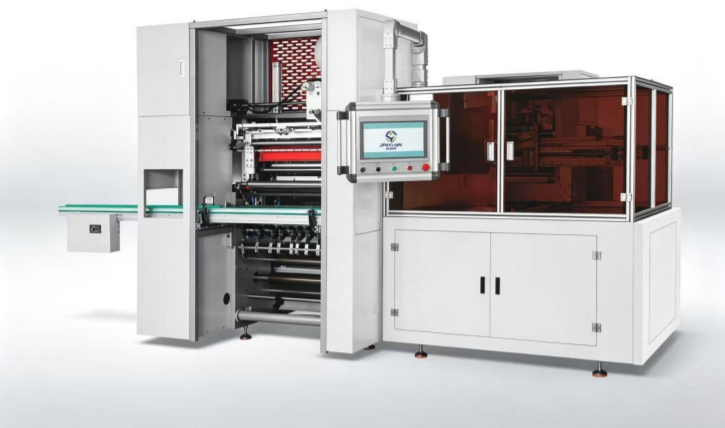
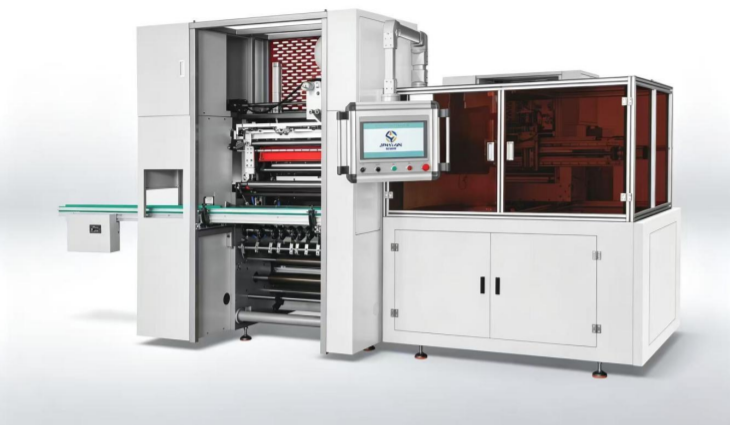
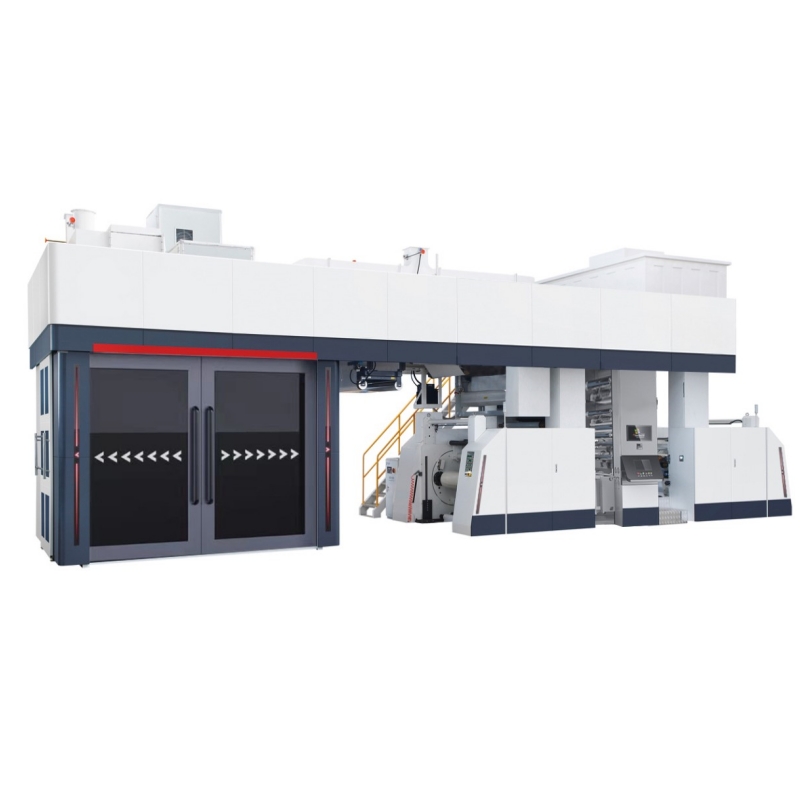
How to Choose the Right Flexo Printing Machine? (CI vs. Stack vs. Inline Guide)
Selecting the ideal Flexo Printing Machineis one of the most high-impact investments a packaging converter, label manufacturer, or paper processor can make. With flexible packaging demands accelerating globally and substrates ranging from ultra-thin 12-micron PE films to heavy corrugated boards, choosing the wrong press architecture can lead to register misalignment, excessive scrap material, and lost production capacity. This comprehensive buyer’s guide explores the core mechanical differences between Central Impression (CI), Stack, and Inline Flexographic Presses, detailing performance specs, substrate suitability, and capital investment strategies to help you pick the right machinery for your facility.
1. What is a Flexo Printing Machine and How Does It Work?
A Flexo Printing Machine(Flexographic Printing Press) is a rotary web printing system that utilizes flexible relief plates—typically composed of photopolymer resin or elastomer rubber—to transfer fast-drying fluid inks onto a continuous web substrate. Originally evolved from letterpress technology, modern flexography has developed into an ultra-precise, high-speed printing method capable of achieving line speeds exceeding 400 to 600 meters per minute with graphic quality competing directly with gravure and offset printing.
The fundamental fluid delivery sequence of a flexo printing station relies on four core mechanical elements working in harmony:
- Anilox Roller: A ceramic-coated cylinder engraved with millions of microscopic cells (measured in lines per inch or LPI) that meters a precise volume of ink onto the printing plate.
- Enclosed Doctor Blade System: Maintains a constant ink film thickness across the anilox roll while preventing solvent evaporation and ink contamination.
- Plate Cylinder: Holds the flexible photopolymer relief plate mounted via double-sided cushioned mounting tape (stickyback).
- Impression Cylinder: Applies controlled mechanical nip pressure, forcing the moving web substrate against the inked plate to transfer the graphic image.
Because flexographic inks—whether water-based, solvent-based, or UV-curable—dry almost instantaneously via inline drying hoods or UV curing lamps, a multi-color flexo printing machine can apply consecutive color traps at high speed without ink bleeding or color contamination.
2. What are the Main Types of Flexo Printing Machines?
While all flexographic equipment shares the same fundamental ink transfer principle, presses are categorized into three distinct architectural configurations based on how the color decks are arranged relative to the impression cylinder: Central Impression (CI), Stack, and Inline. Choosing the correct structural layout depends primarily on your substrate’s tensile elasticity and registration requirements.
Central Impression (CI) Flexo Printing Machine
In a Central Impression (CI) flexo printing machine, all color stations (typically 6, 8, or 10 decks) are arranged radially around a single, massive, temperature-controlled central steel impression cylinder. The web substrate is locked firmly against the surface of this central drum as it rotates past each plate cylinder.
Key Mechanical Advantage: Because the web is supported by the central drum throughout the entire printing pass, there is zero material stretching or webbing drift between color stations. This makes CI presses the undisputed gold standard for printing extensible, thin polymer films (such as LDPE, LLDPE, BOPP, and breathable barrier films down to 10–12 microns) where tight color-to-color register is mandatory.
Stack Flexo Printing Machine
In a Stack flexo printing machine, individual color stations are stacked vertically above one another on one or both sides of the main machinery frame. Each color deck possesses its own dedicated impression roller.
Key Mechanical Advantage: Stack presses offer maximum accessibility and footprint efficiency. They allow easy web re-threading, enabling two-sided printing (front and back) during a single machine pass via turnbars. Furthermore, because each deck operates independently, operators can clean or set up idle decks while the press is running. Stack presses are exceptionally cost-effective for stable, non-stretching substrates like paper bags, woven sacks, rigid paperboards, and thick film gauges.
Inline Flexo Printing Machine
In an Inline flexo printing machine, color decks are arranged horizontally in a straight line along a horizontal floor plane. Similar to a stack press, each color station has its own impression roller, but decks are spaced farther apart.
Key Mechanical Advantage: Inline flexo presses excel at multi-process converting integration. Because the web moves horizontally over an extended bed, heavy inline converting stations—such as rotary die-cutting, cold foiling, lamination, delam/relam, and slitting—can be mounted directly into the press line. Inline presses dominate the narrow-to-mid web self-adhesive label, folding carton, and specialized packaging markets.
3. CI vs. Stack vs. Inline: Complete Comparative Matrix
To help converting managers evaluate hardware choices, the comparative table below details the technical specifications, capabilities, and investment profiles across all three primary flexo machine architectures:
| Feature / Specification | Central Impression (CI) Flexo | Stack Flexo Press | Inline Flexo Press |
|---|---|---|---|
| Web Path Layout | Radial around 1 large central drum | Vertical decks stacked in frame | Horizontal linear color stations |
| Register Precision | Highest (±0.05 mm) – Zero stretch | Moderate (±0.15–0.30 mm) | High to Moderate (dependent on tension control) |
| Best Substrates | Thin extensible films (LDPE, BOPP, PET, barrier films) | Paper, kraft bags, woven polypropylene, heavy films | Self-adhesive labels, folding cartons, paper cups, foil |
| Max Line Speed | 300 – 600+ m/min | 100 – 250 m/min | 150 – 300 m/min |
| Two-Sided Printing | Difficult (Requires turnbars or dual drums) | Very Easy (Simple turnbar web path) | Easy (Inline turnbar integration) |
| Inline Converting Integration | Limited (Focuses strictly on high-speed roll-to-roll printing) | Moderate (Basic inline slitting or sheeting) | Extensive (Die-cutting, foiling, laminating, slitting) |
| Relative Capital Cost | High to Very High ($150k – $800k+) | Economical to Mid-Range ($30k – $120k) | Mid to High ($60k – $350k+) |
4. Key Substrates and Application Suitability Guide
Matching your machinery selection to your core substrate portfolio is vital to preventing web instability and quality rejection. Use the following guide to align your material type with press technology:
- Flexible Packaging Films (LDPE, HDPE, LLDPE, BOPP): Thin-gauge polymers stretch under tension and temperature spikes. Select a **CI Flexo Printing Machine** equipped with enclosed doctor blade chambers and chilled impression rollers to lock in graphic register.
- Paper Bags, Cement Sacks, and Kraft Wrappings: Kraft paper possesses high tensile strength and does not stretch significantly. A **Stack Flexo Printing Machine** provides the ideal balance of high output, low capital cost, and simple two-sided printing capability.
- Pressure-Sensitive Labels & Shrink Sleeves: Narrow-web label stock requires high-definition printing combined with immediate inline finishing. An **Inline Flexo Printing Machine** integrated with rotary die-cutting units and UV curing delivers finished roll products in a single pass.
- Corrugated Box Pre-Print & Heavy Board: Heavy board stock requires wide web openings and heavy structural frame support. Wide-web Inline presses or specialized heavy-duty Stack units are preferred.
5. What Common Mistakes Should You Avoid When Buying a Flexo Press?
Investing in converting machinery requires analyzing long-term operational productivity rather than just upfront equipment cost. Avoid these four common buyer pitfalls:
- Ignoring Anilox Roll Line Count Matching: Buying a high-end press with mismatched anilox rolls leads to heavy ink laydown, dot gain, and dirty printing. Match your anilox LPI to your photopolymer plate screen count (typically a 5:1 to 8:1 LPI to LPI ratio).
- Underestimating Drying Capacity: High-speed printing is worthless if your drying hoods cannot evaporate ink solvents quickly enough. Ensure your machinery quote includes sufficient inter-deck hot air drying capacity and extended bridge drying tunnels for high-speed runs.
- Overlooking Gearless / Servo Motor Technology: Traditional geared presses suffer from gear-mark chattering at high speeds as gears wear down. Modern gearless servo flexo presses assign individual direct-drive servo motors to each plate and anilox shaft, eliminating mechanical gear backlash and drastically shortening setup times.
- Failing to Verify Local Spare Part Availability: Proprietary electronic boards or obscure mechanical parts can cause weeks of factory downtime during a breakdown. Verify that your machine manufacturer utilizes tier-1 global components (e.g., Siemens PLC, Schneider electrics, Yaskawa servos, SMC pneumatics).
6. Why Choose Wenzhou Jinyuan Mechanical Technology for Your Converting Line?
When high precision, stable day-in-day-out operation, and overall return on investment are paramount, global packaging converters partner with Wenzhou Jinyuan Mechanical Technology Co., Ltd.
Located in Wenzhou City, Zhejiang Province, China, Jinyuan Machinery enjoys convenient transportation links and serves as a premier modern provider of slitting, rewinding, and flexographic printing equipment solutions integrating technical R&D, advanced manufacturing, and global sales support.
Why converting plants worldwide choose Jinyuan Machinery:
- Advanced Production Capacity: Our company features a modern production facility spanning over 3,000 square meters, backed by nearly 70 dedicated professionals, including 11 senior technical engineers and 6 core R&D specialists.
- Tailored Systematic Engineering: We excel at customizing user-friendly, stable equipment solutions engineered specifically around our customers' real-world production materials, plant footprints, and speed requirements.
- Internationally Certified Quality Standards: Jinyuan Machinery is committed to delivering high-performance converting and printing machinery. Our manufacturing facility holds official CE certification, ISO quality management system compliance, and holds multiple proprietary technical patents.
- Uncompromising Global Reliability: Our certifications reflect our strong R&D capability, strict quality testing protocols, and our dedication to providing safe, stable, and efficient machinery for global packaging converters.
7. Frequently Asked Questions (FAQ)
Q1: What is the main difference between gearless flexo machines and geared flexo machines?
A: Geared flexo presses transfer rotational motion from a central motor to plate cylinders via a mechanical train of gears, which can cause gear marks (chatter lines) on prints over time. Gearless flexo machines utilize direct-drive AC servo motors connected directly to each cylinder shaft, offering higher speed, superior registration accuracy, zero gear wear, and rapid digital job changeovers.
Q2: Can a stack flexo machine print on thin plastic film?
A: Yes, but with limitations. A stack flexo machine can print on medium-to-thick plastic films (e.g., PE or PP above 30–40 microns). However, for ultra-thin or highly extensible films (under 20 microns), a CI flexo printing machine is recommended to prevent material stretching and registration misalignment.
Q3: What type of ink should I use for flexo packaging printing?
A: Water-based inks are widely used for paper bags, corrugated boxes, and eco-friendly packaging due to low VOC emissions. Solvent-based inks are preferred for high-speed flexible film printing due to fast drying on non-porous surfaces. UV/LED curable inks are standard in high-end label printing due to instant curing and sharp detail retention.
Q4: How long does a photopolymer flexo printing plate last?
A: High-quality photopolymer plates can last between 500,000 to over 1.5 million impressions depending on substrate abrasiveness, ink chemistry, anilox pressure settings, and plate cleaning care.
Q5: How can Jinyuan Machinery assist in customizing a flexo printing line for my plant?
A: Our 11 technical engineers analyze your specific substrate spectrum, web width requirements, color deck needs, and inline finishing preferences to custom-build an optimized, reliable printing press backed by complete installation support and operator training.
Ready to Upgrade Your Packaging Print Quality & Maximize Plant Output?
Whether you need a high-speed Central Impression line, a flexible Stack press, or a custom inline converting machine, our technical engineering team is ready to assist you.
Partner with Wenzhou Jinyuan Mechanical Technology Co., Ltd. to eliminate print defects, lower scrap rates, and boost your operational profitability.
Contact Our Engineering Experts Today:
🌐 Official Website: https://www.jinyuan-machinery.com/
📧 Inquire directly for detailed machinery quotes, technical specifications, and live video demonstrations!