
 Contact immediately


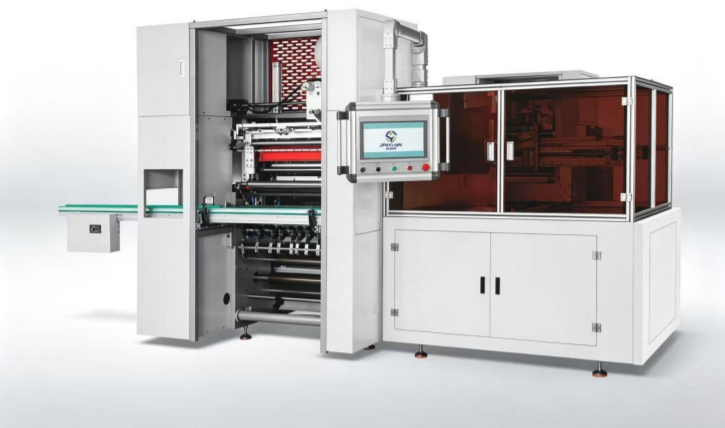
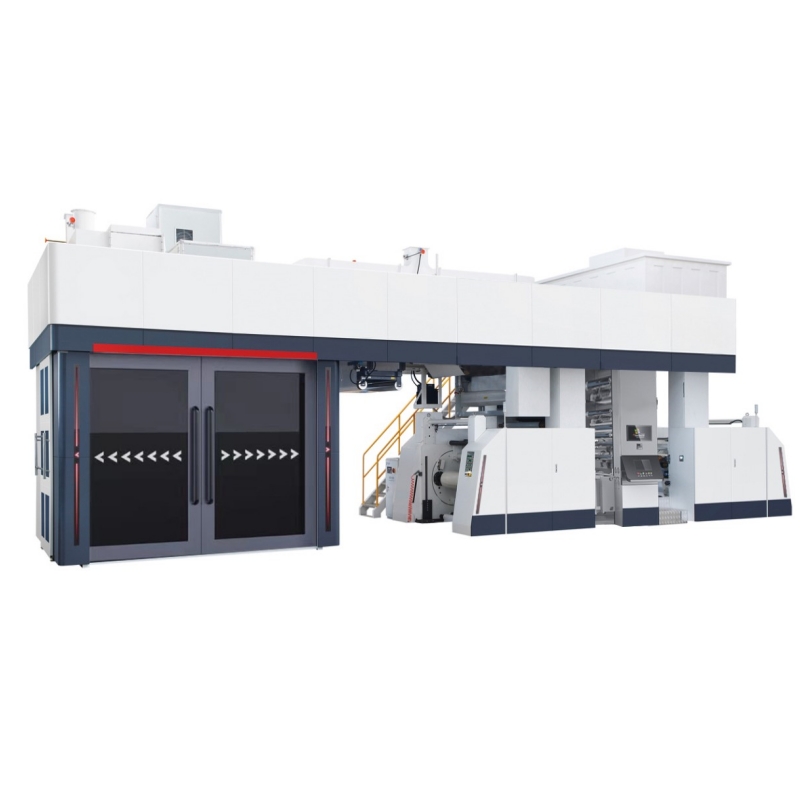
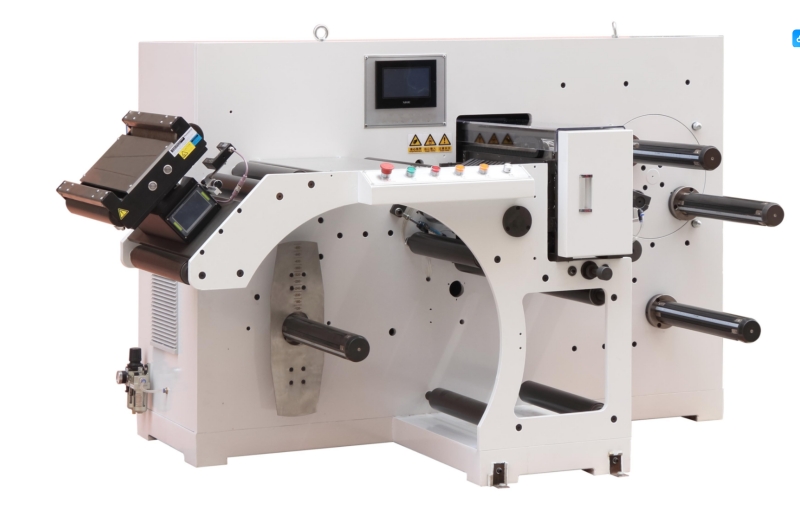
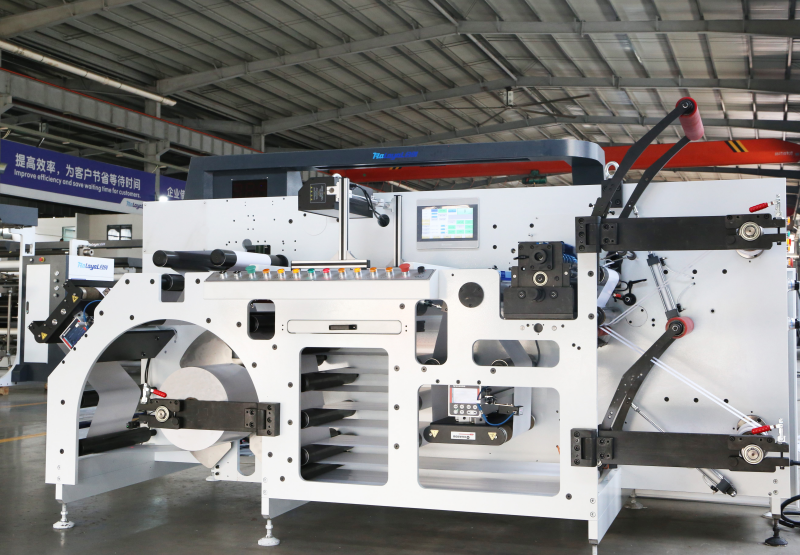
Selecting the ideal slitting machine is one of the most critical capital investments for converting facilities, packaging manufacturers, and metal service centers worldwide. Whether you are processing ultra-thin polymer films at high line speeds or shearing heavy-gauge metal coils under immense hydraulic pressure, choosing the wrong mechanical layout, tension architecture, or slitting mechanism can lead to catastrophic material yield losses and costly machine downtime. This comprehensive industry buyer's guide provides an in-depth technical analysis of material-specific slitting technologies, dynamic tension control strategies, detailed comparison tables, and practical buying protocols to help you maximize your operational efficiency and return on investment.
1. Fundamentals of Modern Slitting Machine Technology
At its core, a modern slitting machine is an engineered conversion platform designed to unroll a master web or coil of material, continuously shear or slice it into precise narrower strips along its longitudinal axis, and neatly rewind the processed strips onto individual cores or spools. While the fundamental concept remains consistent across industries, the physics, structural frame requirements, blade metallurgy, and tension control mechanics differ vastly depending on whether the processed substrate is flexible packaging film, metallic coil, non-woven textile, or laminated paper stock.
Today's industrial converting demands higher line speeds (often reaching 400 to 800+ meters per minute), narrower strip tolerances, zero edge burrs or micro-tears, and rapid turnarounds between job setups. Achieving these targets requires purchasing equipment engineered with high structural rigidity, automated blade alignment, closed-loop PLC vector motor drives, and real-time tension feedback monitoring.
Metal Coil Slitting Machine Buying Guide
A metal coil slitting machine is a heavy-duty industrial processing system designed to uncoil, precision-shear, and recoil high-tensile steel, stainless steel, aluminum, copper, brass, and specialized alloy coils. Because metal coils exhibit high yield strength and substantial mass, coil slitting lines must be engineered to withstand immense mechanical stresses, shock loads, and high dynamic forces while maintaining strip width tolerances down to fractions of a millimeter.
When procuring a metal coil slitting line, industrial buyers must look far beyond raw motor wattage. Evaluating structural frame weight, arbor shaft deflection tolerances, looping pit requirements, and recoil tensioning systems is essential to ensure long-term precision.
Key Technical Components of a Metal Coil Slitting Line
A full-scale industrial metal coil slitting line comprises several fully integrated processing stations, each performing a vital mechanical task:
- Uncoiler / Decoiler Unit: Heavy-duty expandable mandrel system (often equipped with a hydraulic loading car and hold-down snubber roll) that holds the master metal coil and feeds it smoothly into the entry section without surface marring.
- Entry Crop Shear & Leveler: Trims uneven coil heads and flattens residual coil set or crown before the metal web enters the slitting arbor.
- High-Precision Rotary Slitter Head: The central core of the system, featuring dual parallel, hardened arbor shafts fitted with rotary circular knives, rubber stripper rings, and precision spacers. The structural rigidity of the slitter head determines the maximum strip count and edge quality.
- Scrap Chopper / Scrap Winder: Continuously cuts or winds off trim edges generated along both outer borders of the metal coil during slitting.
- Looping Pit & Tension Stand: Absorbs length differentials caused by gauge variation (coil crown) across the master coil's width. The tension stand provides controlled drag (via pad tensioning, roll tensioning, or belt tensioning) to ensure tightly bound recoil rolls.
- Recoiler (Take-Up Reel): High-torque hydraulic expansion shaft equipped with an overarm separator that winds the individual slit metal strips into tight, commercial-grade coils.
Essential Specifications to Evaluate for Metal Coil Slitting
To specify the right metal coil Slitting Equipment for your processing facility, evaluate the following four mechanical parameters:
- Material Yield Strength and Gauge Range: Determine the maximum material thickness (e.g., 0.2mm light gauge to 6.0mm+ heavy gauge) and maximum tensile strength (e.g., standard cold-rolled carbon steel vs. high-strength low-alloy steel like AHSS/DP1000). Arbor diameter and drive torque must scale directly with material shear resistance.
- Coil Weight and Width Capacity: Verify maximum master coil outer diameter (OD), inner diameter (ID), and total coil weight (typically ranging from 5 metric tons to 30+ metric tons). Hydraulic loading equipment must match these maximum weight caps.
- Arbor Deflection and Bearing Rigidity: Minimal shaft flex is mandatory. Excessive arbor deflection under load causes knife misalignment, leading to excessive edge burrs, camber, and premature knife chipping. High-end lines feature heavy-duty outboard housing supports that lock arbors rigidly in place.
- Tooling Setup Automation: Manual knife and spacer positioning on conventional arbors can take 30 to 60 minutes per job change. Advanced metal slitting lines feature dual interchangeable slitter heads (turret head slitters) or automated CNC knife setup systems, reducing setup downtime to under 5 minutes.
Critical Features Matrix for Metal Coil Slitting Lines
The following table outlines standard performance benchmarks across different metal thickness classes:
| Machine Category | Material Gauge Range | Typical Line Speed | Key Features & Hardware Requirements | Target Industry Applications |
|---|---|---|---|---|
| Light-Gauge Precision Metal Slitter | 0.10mm – 1.0mm | 150 – 300 m/min | Ultra-precision ground arbors, micro-adjustable clearance, felt/rubber nip tensioning, delicate surface protection rolls. | Transformer copper foil, battery current collectors, electronics shielding, decorative trim. |
| Medium-Gauge Universal Coil Slitter | 0.8mm – 3.2mm | 80 – 200 m/min | Hydraulic coil loading car, dual slitter heads, drag tension stand, looping pit integration, high-capacity scrap chopper. | Automotive stampings, appliance sheet metal, HVAC ducting, structural steel service centers. |
| Heavy-Gauge Heavy-Duty Coil Line | 3.0mm – 12.0mm+ | 30 – 100 m/min | Reinforced heavy-frame construction, high-torque hydraulic motors, automated coil peeler, heavy crop shears, pinch roll feeders. | Construction beams, heavy machinery manufacturing, shipbuilding, structural tubing stock. |
Film Slitting Machine Buying Guide
Unlike rigid metal processing, a film slitting machine (frequently called a film slitter rewinder) is designed to handle flexible, extensible, heat-sensitive, and often static-prone polymer substrates such as BOPP, PET, CPP, PE, PVC, metallized barrier films, optical films, and delicate paper-laminate composites. Because polymer films stretch easily under tension and vary in gauge across the web width, the primary engineering challenge in film slitting revolves around precise web tracking and sensitive dynamic tension management.
When purchasing a film slitting machine, converters must balance operational line speeds with edge quality, finished roll profile smoothness, and minimal scrap generation during roll changeovers.
Choosing the Right Slitting Method for Flexible Films
Selecting the correct blade configuration is the single most critical factor determining edge finish, dust creation, and operating blade longevity in film converting:
- Razor Blade Slitting (In Air or In Groove): The most common, economical method for thin polymer films (PE, BOPP, PVC). The film web passes over a stationary razor blade mounted in a grooved roller or suspended in mid-air. Razor cutting provides clean cuts on thin films but is prone to friction buildup and blade wear on abrasive or thick materials.
- Rotary Shear Slitting (Male & Female Blades): Utilizes overlapping circular top and bottom knives that shear the material like a pair of scissors. Shear slitting is required for thicker gauge films, rigid PET, laminates, and coated papers. It generates clean, burr-free edges and handles high line speeds (500+ m/min) with minimal knife wear.
- Burst / Score Slitting: Infrequently used for fine films, this method squeezes material between a circular knife and a hardened anvil roll. It is generally restricted to non-woven materials, heavy foams, or specialized adhesive tape substrates.
Mastering Web Tension & Differential Rewinding in Film Slitting
Sub-micron variations in film extrusion thickness (gauge band variation) mean that across a 1300mm master roll, some lanes will wind thicker while adjacent lanes wind thinner. If rewound on a standard solid shaft, thicker lanes will wind tight while thinner lanes become loose and telescope.
To overcome this, modern high-efficiency film slitters rely on **Differential Friction Rewind Shafts**. Differential shafts feature independent friction rings (ball-lock or friction-ring style) that slip individually based on internal pneumatic pressure. This ensures that every slit roll maintains constant, uniform winding tension regardless of localized film gauge variations across the master web.
Technical Checklist for Film Slitter Rewinder Purchasing
When evaluating converting equipment quotes, verify that the film slitting machine includes the following essential technical capabilities:
- Closed-Loop Servo Tension Control: Independent AC vector servo motors dedicated to unwind traction, main nip rollers, and upper/lower rewind shafts, monitored dynamically via load-cell dancer arms.
- Automatic Web Guiding System (EPC / LPC): High-precision photoelectric, ultrasonic, or infrared edge/line guide sensors that actively shift the unwind frame to compensate for master roll telescopy or edge weave.
- Static Neutralization Systems: High-speed film movement generates significant static electricity (exceeding 20–30 kV). Ensure the machine is equipped with active ionizing anti-static bars at the unwind, slitting zone, and rewind point.
- Ergonomic Offloading Assistance: Hydraulic roll discharge pushers, finished roll unloading trees, or automated robotic turret rewind stations that minimize physical operator strain and accelerate cycle times.
4. Side-by-Side Comparison: Metal Coil Slitting vs. Film Slitting Systems
To help cross-industry manufacturing managers understand the fundamental engineering distinctions between these two primary Slitting Equipment categories, the matrix below highlights key structural and operational differences:
| Engineering Parameter | Metal Coil Slitting Machine | Film Slitting Machine |
|---|---|---|
| Primary Materials Processed | Carbon steel, stainless steel, aluminum, copper, brass, specialty alloys. | BOPP, PET, PE, CPP, PVC, aluminum foil laminates, medical packaging films. |
| Slitting Tooling Mechanism | Hardened rotary disc shear blades on high-rigidity arbor shafts with rubber stripper rings. | Razor blades in grooved rollers or rotary shear top/bottom knife assemblies. |
| Tension Management Style | High-torque drag tension stands combined with central looping pits to absorb coil crown. | Multi-servo motor closed-loop tension control with differential friction air shafts. |
| Structural Machine Weight | Extremely heavy welded steel plate construction (often 10 to 40+ tons total mass). | Medium-to-heavy cast iron or reinforced steel side-frame plates (typically 3 to 10 tons). |
| Operating Speed Range | 30 to 300 meters per minute (focused on power, torque, and mass). | 300 to 800+ meters per minute (focused on speed, smoothness, and web control). |
| Critical Quality Metrics | Burr height control, minimal camber, tight coil sidewalls, accurate strip width. | Roll density uniformity, scratch-free film surfaces, pristine edge quality, static-free output. |
5. Key Purchasing Considerations: Total Cost of Ownership & Custom Engineering
Purchasing a modern slitting machine involves evaluating factors far beyond the initial quote price. Experienced equipment buyers analyze the Total Cost of Ownership (TCO), factoring in energy consumption, waste reduction rates, maintenance overhead, and machine flexibility.
Key financial and operational considerations include:
- Component Standardisation & Local Sourcing: Ensure electrical and pneumatic components are sourced from internationally recognized tier-1 brands (such as Siemens, Schneider, Mitsubishi, Yaskawa, SMC, or Airtac). This guarantees easy access to off-the-shelf spare parts and rapid localized technical support.
- Custom Machinery Tailoring vs. Standard Models: Off-the-shelf stock slitters may seem appealing for short delivery times, but custom-engineered machines tailored specifically to your plant's web widths, floor layouts, roll loading constraints, and core sizes deliver significantly higher operational productivity and yield.
- Safety Standards and Certifications: Industrial converting machinery must strictly comply with regional health and safety mandates. Verify that your equipment provider builds to official CE and ISO 9001 quality management standards, incorporating emergency interlocks, safety light curtains, and shielded cutting zones.
6. Partnering with Wenzhou Jinyuan Mechanical Technology Co., Ltd.
When high efficiency, long-term mechanical stability, and tailored converting precision are paramount, Wenzhou Jinyuan Mechanical Technology Co., Ltd. stands as a trusted global partner for high-performance equipment solutions.
Located in Wenzhou City, Zhejiang Province, China, Jinyuan Machinery enjoys convenient transportation links and functions as a modern provider of slitting and rewinding equipment solutions seamlessly integrating technical R&D, advanced manufacturing, and global sales and support.

Why leading converting companies across the globe partner with Jinyuan Machinery:
- Advanced R&D and Manufacturing Scale: Our modern manufacturing facility spans over 3,000 square meters and houses a dedicated workforce of nearly 70 employees. Our core technical strength includes 11 senior technical engineers and 6 specialized R&D personnel dedicated to converting equipment innovation.
- Tailored Systematic Solutions: We excel at customizing user-friendly, ultra-stable equipment solutions built around our customers' actual production materials, speed targets, and physical factory constraints.
- Internationally Certified Quality Standards:Jinyuan Machinery is committed to delivering high-performance, reliable converting and Printing Machinery. Our factory has obtained officialCE certification, ISO management compliance, and multiple proprietary technical patents.
- Uncompromising Global Dedication: Our certifications and internal quality controls reflect our strong R&D capability, strict quality testing, and our unyielding dedication to providing safe, stable, and highly efficient machinery for global customers.
7. Frequently Asked Questions (FAQ)
Q1: How much does an industrial slitting machine typically cost?
A: Slitting machine pricing varies widely based on material type, width, line speed, and automation level. Compact, entry-level film slitters start around $10,000 to $25,000. High-speed automated flexible film slitter rewinders range from $35,000 to $120,000+. Heavy-duty industrial metal coil slitting lines typically range from $80,000 to upwards of $300,000+ for automated, wide-web coil systems.
Q2: How do I prevent telescoping rolls when slitting thin flexible films?
A: Telescoping occurs when finished rolls are wound with improper tension profiles. To prevent this, utilize a slitting machine equipped with differential friction rewind shafts and program a smooth taper tension curve into your PLC touch screen interface. Taper tension reduces winding torque as the roll diameter expands, keeping inner core layers firm without crushing outer layers.
Q3: What causes edge burrs in metal coil slitting, and how can they be eliminated?
A: Edge burrs are caused by incorrect clearance between top and bottom rotary shear blades, dull knife tooling, or arbor shaft flex under load. To eliminate burrs, ensure precise horizontal knife clearance (typically 7% to 10% of material thickness), replace worn blades, and utilize a rigid slitting machine arbor frame engineered to prevent shaft deflection.
Q4: What is the benefit of a differential rewind shaft over a standard pneumatic air shaft?
A: A standard air shaft expands uniformly across its entire length, forcing all cores to rotate at the exact same torque regardless of material gauge band variation across the web width. A differential rewind shaft allows individual friction rings to slip independently, maintaining balanced, uniform winding tension on every individual slit roll.
Q5: Can Jinyuan Machinery custom-engineer a slitting machine to fit my factory layout and material specs?
A: Yes. Jinyuan Machinery specializes in custom equipment engineering. Our 11 technical engineers and 6 R&D personnel design tailored equipment solutions around your specific substrate dimensions, speed targets, factory footprint, and core size requirements.
Ready to Upgrade Your Converting Capability & Maximize Production Yield?
Whether you require a custom metal coil slitting line or a high-speed flexible film slitter rewinder, our engineering team is ready to deliver high-performance equipment tailored to your exact specifications.
Partner with Wenzhou Jinyuan Mechanical Technology Co., Ltd. to eliminate slitting defects, boost line speeds, and enhance your plant's profitability.
Contact Our Engineering Team Today:
🌐 Official Website: https://www.jinyuan-machinery.com/
📧 Inquire directly on our website for detailed quotes, technical specs, and live machine demonstration videos!