
 Contact immediately



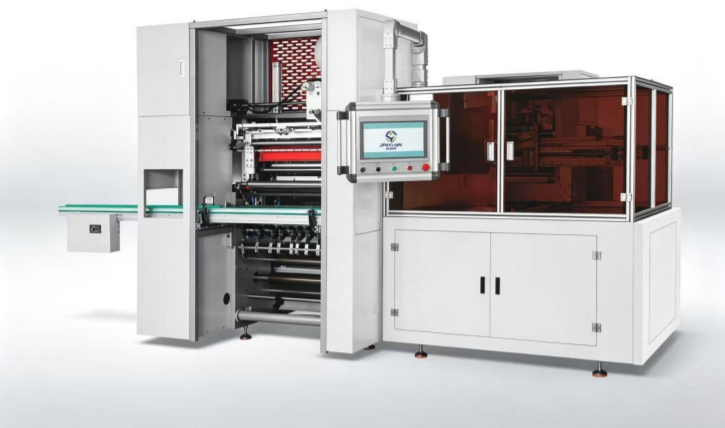
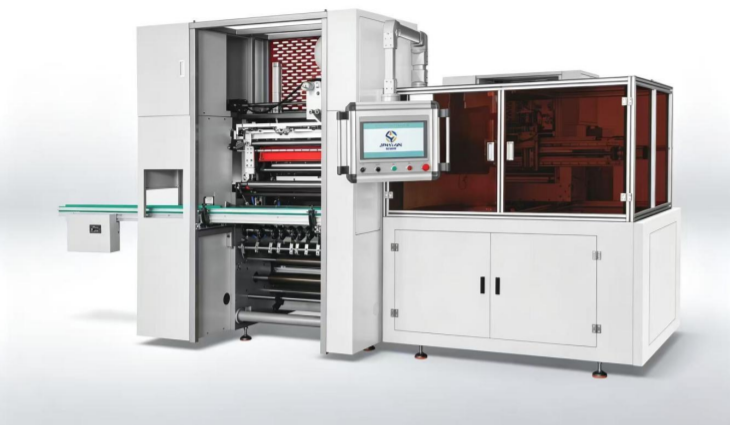
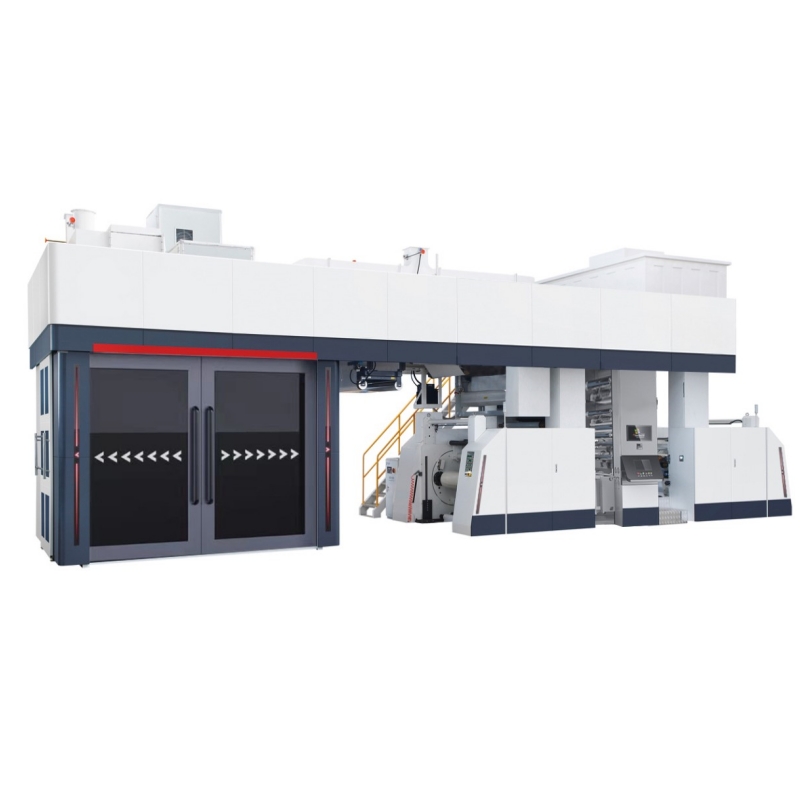
In the fast-paced world of industrial manufacturing, a high-performance Flexo Printing Machine(Flexographic Press) serves as the backbone for high-speed, roll-to-roll packaging production. Utilizing flexible photopolymer plates and low-viscosity inks, this advanced printing technology allows manufacturers to print crisp, vibrant designs on an incredibly wide array of substrates—ranging from thin plastic films and aluminum foils to heavy corrugated cardboard and craft paper. As global markets demand faster turnaround times and sustainable packaging solutions, modern flexo presses integrated with precision slitting and rewinding systems have become indispensable assets for achieving maximum production efficiency and exceptional print quality.
Table of Contents
- 1. What is flexo printing and how does it work?
- 2. What is the difference between flexo and offset printing?
- 3. Why is flexo printing preferred for packaging?
- 4. What is an anilox roller in flexo printing?
- 5. Advanced Converting Solutions: Integrating Slitting, Rewinding, and Flexo Printing
- 6. Comprehensive Technical Comparison (Data Table)
- 7. Frequently Asked Questions (FAQ)
What is flexo printing and how does it work?
Direct Answer:Flexo Printing (flexography) is a rotary web printing process that utilizes flexible photopolymer relief plates wrapped around rotating cylinders. It works by transferring a controlled layer of ink from a fountain roll to a laser-engraved ceramicanilox roller, which then evenly coats the raised elements of the printing plate. Finally, the substrate is pressed between the plate cylinder and an impression cylinder, transferring the image instantly at high speeds.
To fully grasp the engineering mastery behind a modern Flexo Printing Machine, one must look at it as a continuous, synchronized system. Unlike sheet-fed printing methods, flexography is inherently a web-fed (roll-to-roll) process. This means raw material is fed from a massive unwind stand, passed through multiple color stations at blistering speeds, dried instantly, and then gathered smoothly at a rewinding station.
The entire Flexographic Printing process relies on four core components working in absolute structural harmony:
- The Inking System: This can feature a simple two-roller system (fountain roller and anilox roller) or a highly advanced enclosed doctor blade chamber system. The chamber seals the ink, preventing evaporation and ensuring an incredibly uniform distribution onto the anilox roller.
- The Anilox Roller: Regarded as the heart of the machine, this cylinder is covered with millions of microscopic cells that meter precise quantities of ink.
- The Plate Cylinder: This holds the flexible photopolymer plate. The image or text to be printed is raised in relief above the non-printing areas, much like a commercial-grade rubber stamp but engineered to micron-level tolerances.
- The Impression Cylinder: A solid, ultra-smooth steel roller that applies a precise amount of pressure ("kiss" impression) to push the substrate against the printing plate, ensuring crisp ink transfer without distorting the material.
The Step-by-Step Flexo Printing Mechanism
When the production line is active, the machine executes the following steps thousands of times per minute:
- Ink Metering: The ink pan or enclosed chamber supplies ink to the rotating anilox roller. A doctor blade scrapes away any excess ink from the surface, leaving ink only inside the engraved cells.
- Ink Transfer to Plate: As the anilox roller rolls against the plate cylinder, the raised surfaces of the photopolymer plate collect the ink from the cells.
- The Printing Impression: The substrate (such as PE film or kraft paper) passes through the gap between the plate cylinder and the impression cylinder. The impression cylinder exerts just enough force to transfer the ink cleanly.
- Drying and Curing: The wet substrate immediately passes through an intensive drying system—either hot air dryers, infrared (IR) systems, or ultraviolet (UV) curing lamps. This instantly solidifies the ink before the material reaches the next color station or the final rewinder.
What is the difference between flexo and offset printing?
Direct Answer: The primary difference lies in the plate structure and ink transfer method. Flexo printing uses raised, flexible plates and fluid, fast-drying inks directly applied to a continuous web of material. In contrast, offset printing uses flat metal plates where ink is first transferred ("offset") to a rubber blanket before hitting individual sheets of paper, using thick, oil-based inks.
When engineering a packaging line, choosing between a flexo printing machine and an offset press is one of the most critical decisions a manufacturer will make. Both technologies offer exceptional quality, but their operational parameters, material compatibility, and cost structures diverge significantly.
1. Substrate Flexibility and Material Matching
Flexo printing is the undisputed king of substrate versatility. Because the photopolymer plates are soft and flexible, they can gently conform to uneven, porous, or non-absorbent surfaces. This makes flexography ideal for plastic films (LDPE, HDPE, BOPP, PET), non-woven fabrics, heavy corrugated cardboards, and metallic foils.
Offset printing, on the other hand, is highly restrictive. It is fundamentally designed for flat, smooth paper products and high-grade cardstock. Attempting to run thin, stretchy plastic films through a traditional sheet-fed offset press is virtually impossible without causing severe registration errors and material warping.
2. Inks, Curing, and Environmental Compliance
The ink profiles used in these two methods are completely distinct. Flexo machines utilize highly fluid, low-viscosity inks that dry almost instantly via evaporation or radiation. These include water-based inks (highly favored in food packaging for their eco-friendliness), solvent-based inks (for industrial plastics), and UV-curable inks.
Offset printing relies on extremely viscous, paste-like, oil-based inks. These inks take significantly longer to dry and set via absorption and oxidation, requiring specialized powder sprays to prevent sheets from sticking together in the output pile. For high-volume food packaging, flexo’s water-based and UV options provide a much safer, odor-free alternative.
3. Production Speed, Run Lengths, and ROI
From an ROI (Return on Investment) perspective, offset printing boasts a lower initial prepress cost because flat aluminum offset plates are relatively inexpensive to produce. This makes offset excellent for short-to-medium runs of books, brochures, and high-end cosmetic boxes.
However, for continuous massive production runs, a roll-fed flexo printing machine leaves offset far behind. Flexo presses operate at incredibly high continuous speeds (often exceeding 300 to 400 meters per minute) and can run uninterrupted for millions of linear meters. Furthermore, because flexo handles continuous rolls, it can be integrated directly inline with high-speed converting machinery like slitter-rewinders and die-cutters, eliminating intermediate steps entirely.
Why is flexo printing preferred for packaging?
Direct Answer: Flexo printing is preferred for packaging because it supports an unmatched variety of substrates, operates at extreme web speeds, utilizes food-safe water-based inks, and seamlessly integrates with downstream converting equipment like slitter-rewinders to maximize manufacturing throughput and lower per-unit costs.
The global packaging sector—spanning flexible pouches, shrink sleeves, corrugated shipping containers, food wraps, and self-adhesive labels—is expanding exponentially. Within this domain, the flexo printing machine has firmly established itself as the absolute industry benchmark. There are several structural reasons why modern packaging converters prioritize flexography over alternative printing methods:
Unrivaled Adaptability to Flexible Materials
Modern packaging requires materials that protect goods, extend shelf life, and minimize weight. This has led to the widespread adoption of multi-layer laminates, polymer films, and aluminum barriers. A flexo press handles these tricky, elastic, and non-porous materials with ease. The low-pressure "kiss" impression ensures that thin films do not stretch or deform during the printing process, preserving critical registration and design geometry across long runs.
Seamless Inline Converting Integration
In modern industrial manufacturing, workflow consolidation is key to profitability. Flexo machines are built as modular web systems. This allows converters to build a single, highly efficient inline production line where raw material is unwound, printed with multiple colors, surface-treated (via corona treaters), varnished, die-cut, slit, and rewound into finished product rolls in one continuous pass. This eliminates the labor, storage space, and risk of material damage associated with moving giant rolls between isolated, standalone machines.
Superior Environmental Profile for Food and Medical Grades
With tightening global regulations on Volatile Organic Compounds (VOCs) and chemical migration in consumer goods, packaging lines must adhere to strict safety guidelines. Flexo printing machines excel here by perfectly accommodating advanced water-based ink formulations and zero-VOC UV/LED curing systems. This makes the technology the premium choice for food-grade flexible packaging, pharmaceutical pouches, and infant care products where chemical contamination is strictly prohibited.
Massive Cost Efficiency for High-Volume Run Lengths
While the initial cost of manufacturing photopolymer plates and setting up a flexo press is higher than digital printing, the marginal cost per impression drops drastically as the volume scales. Digital printing becomes prohibitively expensive and slow for massive orders, whereas a flexo machine thrives on long-run continuity. Modern plate materials can withstand millions of impressions before wearing down, ensuring impeccable print consistency from the first meter to the millionth.
What is an anilox roller in flexo printing?
Direct Answer: An anilox roller is a precision-engineered cylinder, typically made of steel or aluminum with a hard ceramic coating, whose surface is laser-engraved with millions of microscopic geometric cells. Its sole function is to meter and deliver an exact, uniform volume of ink to the flexible photopolymer printing plate.
Without the anilox roller, modern flexography would lack the precision required to compete with offset or gravure printing. It is fundamentally the regulator of quality within any flexo printing machine. If the anilox roller delivers too much ink, the print will suffer from severe smudging, bleeding, and an issue known as dot gain (where halftone dots expand, causing images to look dark and blurry). If it delivers too little ink, the final graphics will appear washed out, faint, and inconsistent.
Anilox Roller Anatomy and Key Technical Specifications
To optimize an anilox roller for a specific packaging application, print engineers look at three critical metrics:
- Cell Count (Line Screen / LPI): This refers to the number of cells per linear inch (or centimeter) engraved onto the roller's surface. LPI ranges from low counts (e.g., 200 LPI for heavy solid ink coverage or white undercoats) to extremely high counts (e.g., 1000–1200 LPI for fine photographic detail, smooth gradients, and sharp micro-text).
- Cell Volume (BCM): Measured in Billion Cubic Microns per square inch, cell volume defines the actual capacity of the cells to hold ink. Higher BCM ratings mean a thicker ink film is laid down on the plate, which is necessary for bold solids but disastrous for fine process artwork.
- Engraving Angle: The geometric arrangement of the cells relative to the roller axis. While 30-degree and 45-degree angles exist, the industry standard is predominantly a 60-degree hexagonal pattern. This layout packs the maximum number of cells into a given surface area, ensuring smooth ink distribution and eliminating unwanted patterning on the final print (Moiré effect).
Maintenance and Preservation of Precision Cells
Because the cells on a high-LPI ceramic anilox roller are microscopic, they are incredibly sensitive to blockage and physical damage. Dried ink residue can easily clog these cells over time, permanently altering the roller's BCM volume and ruining color consistency. Therefore, advanced flexible packaging plants implement rigorous maintenance protocols, utilizing automated ultrasonic cleaning systems, chemical wash cycles, or specialized baking-soda/laser blasting units to keep the cells clean and operating at precise tolerances.
Advanced Converting Solutions: Integrating Slitting, Rewinding, and Flexo Printing
For packaging manufacturers looking to achieve true global competitiveness, the printing press is only one part of the equation. Maximizing efficiency requires an optimized post-press workflow, which is exactly where premium converting machinery becomes vital. A high-speed flexo printing machine outputs giant, wide rolls of material (known as master or parent rolls) at incredible speeds. However, end consumers and automated packaging lines require these materials to be perfectly slit to custom widths and rewound onto smaller, tightly wound, flawlessly tensioned cores.
This is where the engineering expertise of professional equipment providers like Wenzhou Jinyuan Mechanical Technology Co., Ltd. comes into play. Based in Wenzhou City, Zhejiang Province, China, Jinyuan Machinery is a modern provider of slitting and rewinding equipment solutions integrating technical R&D, advanced manufacturing, and global sales. Operating from a state-of-the-art 3,000+ square meter production workshop, our company specializes in creating user-friendly, stable, and customized systematic solutions tailored to actual production requirements.
When high-precision slitter-rewinders are paired alongside high-performance flexo machinery, plants unlock significant competitive advantages:
- Flawless Web Tension Management: Thin flexible films like BOPP or laminated foils are highly sensitive to tension fluctuations. Jinyuan Machinery’s engineering team—including 11 technical engineers and 6 core R&D specialists—excels at deploying advanced closed-loop tension control systems that prevent material stretching, wrinkling, or interleaving during high-speed rewinding.
- Rigorous Safety and Standards Compliance: Jinyuan Machinery's complete manufacturing portfolio proudly carries full CE and ISO certifications alongside multiple technical patents. This ensures that every piece of heavy machinery integrated into your factory floor adheres to stringent international safety, stability, and operational efficiency standards.
- Customized Systematic Engineering: No two manufacturing floors are identical. Whether your process demands custom slitting widths for precise label application, heavy-duty rewinding for rigid paperboards, or high-speed conversion for flexible pouches, specialized engineering ensures that your post-press equipment matches the output speed and capacity of your premium flexo printing machine perfectly.
Comprehensive Technical Comparison: Flexo, Offset, and Digital Printing Systems
To help industrial planners, factory procurement managers, and SEO-driven research teams make informed choices, the table below provides an exhaustive breakdown comparing a web-fed flexo printing machine against sheet-fed offset and industrial digital inkjet presses across core manufacturing metrics.
| Operational Metric | Flexo Printing Machine | Offset Printing Press | Industrial Digital Press |
|---|---|---|---|
| Substrate Compatibility | Virtually unlimited (Films, Foils, Plastics, Paper, Rigid Board) | Strictly limited to flat, smooth papers, cards, and select light cartons | Limited; requires specialized top-coatings on non-porous films |
| Average Production Speed | Very High (300 - 500+ meters per minute; continuous web) | High (10,000 - 18,000 sheets per hour; sheet-fed discrete) | Low to Medium (30 - 150 meters per minute maximum) |
| Primary Ink Formulations | Water-based, Solvent-based, UV, and LED-curable fluid inks | Heavy, high-viscosity oil-based paste inks and traditional pastes | Liquid electro-photographic inks or specialized inkjet fluids |
| Prepress & Plate Costs | Moderate to High (Photopolymer plates and mounting tapes required) | Low (Extremely economical flat aluminum CTP plates) | Zero (Completely plateless; digital file data transferred directly) |
| Optimal Economical Run Length | Massive volume (Long runs, millions of linear meters per job) | Medium to Large volume (Fixed sheet layouts, print publications) | Short to Variable volume (On-demand printing, variable tracking data) |
| Downstream Processing | Excellent inline integration (Slitting, Die-cutting, Laminating) | Offline process (Requires post-print transport to separate lines) | Mainly offline or near-line due to significant speed mismatches |
Frequently Asked Questions (FAQ)
Q1: Can a flexo printing machine achieve high-definition photographic print quality?
A: Yes. While historical flexography was limited to basic line art, modern high-definition (HD) flexo presses utilize advanced digital laser-ablated photopolymer plates, high-precision servo drives, and ultra-high LPI ceramic anilox rollers (up to 1200 LPI). This allows the system to easily reproduce complex tonal gradients, sharp highlights, and ultra-fine process artwork that rivals gravure and offset quality, while maintaining massive web speeds.
Q2: What is "dot gain" in flexo printing, and how can it be minimized?
A: Dot gain is a natural phenomenon where the individual microscopic halftone ink dots expand in size when transferred from the flexible plate onto the moving substrate under physical compression. It can be minimized by managing the "kiss" impression pressure to the absolute minimum required, choosing higher LPI anilox rollers with smaller cell volumes (BCM), maintaining proper ink viscosity, and using hard, high-density plate mounting tapes to absorb unnecessary mechanical vibrations.
Q3: How does tension control affect roll-to-roll printing and converting quality?
A: In web-fed machinery, material is pulled continuously through the system. If tension is too loose, the web will drift sideways, causing severe color misalignment (poor registration) or wrinkling. If tension is too tight, elastic materials like PE or thin films will stretch out during printing; once rewound and relaxed, the entire printed design will warp and contract. Precise closed-loop tension systems, such as those engineered by Jinyuan Machinery, utilize multi-point dancer rollers and load cells to maintain consistent web tracking throughout the entire run.
Q4: Why are CE and ISO certifications critical when purchasing slitting and rewinding equipment?
A: Industrial manufacturing environments operate at extreme mechanical forces and high linear velocities. CE certification guarantees that the machinery complies with rigorous European health, safety, and environmental protection standards (such as interlocking safety guards and emergency stop systems). ISO certification ensures that the manufacturing plant follows uniform, globally verified quality management processes, ensuring that every machine shipped features durable structural components, stable electronics, and consistent performance.
Optimize Your Packaging Production Line with Expert Converting Solutions
Investing in a top-tier flexo printing machine is only the first step. To truly unlock high-speed throughput and flawless roll quality, your production line needs stable, precision-engineered post-press slitting and rewinding machinery.
Wenzhou Jinyuan Mechanical Technology Co., Ltd. delivers CE & ISO certified, patent-backed converting solutions customized exactly to your factory's technical demands.