
 Contact immediately



Coreless vs. Cored Slitter Rewinders: Why B2B Manufacturers Are Making the Switch to a Coreless Automatic Slitter Rewinder?
Published by: Wenzhou Jinyuan Mechanical Technology Co., Ltd. | Category: Converting Machinery & Industrial Automation | Reading Time: 12 mins
1. What Is a Coreless Automatic Slitter Rewinder and How Does It Redefine Roll Converting?
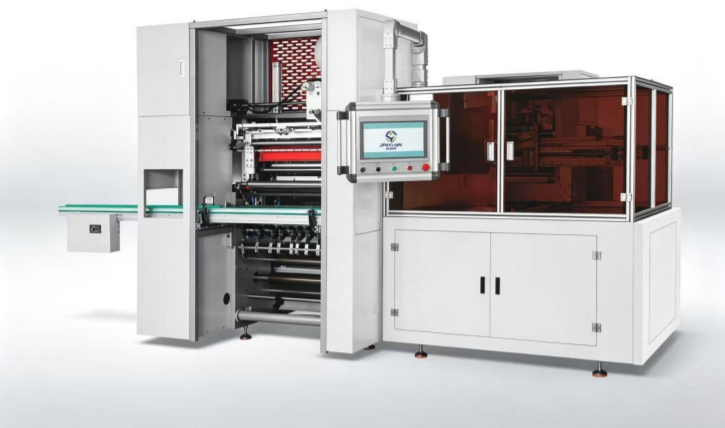
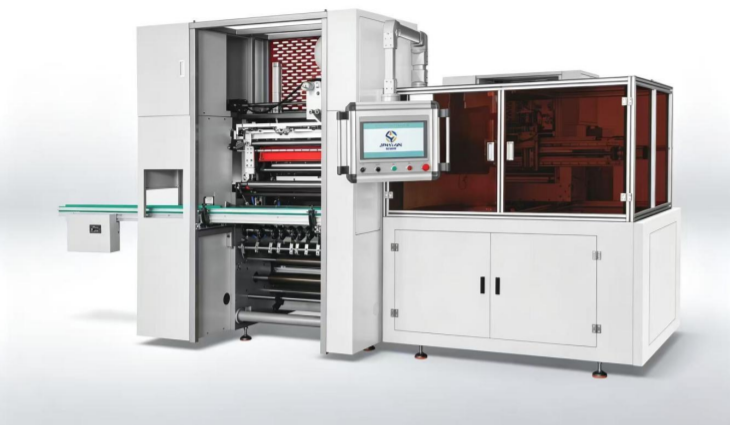
In the fast-evolving paper and film converting industries, adopting a high-efficiency Coreless Automatic Slitter Rewinderhas shifted from an innovative option to a strategic imperative. For decades, converting flexible packaging, receipt rolls, self-Adhesive Labels, and technical films required solid cardboard or plastic inner cores to maintain mechanical stability during rewinding. However, modern engineering breakthroughs have made it possible to produce perfectly wound finished small rolls without any inner core at all.
A Coreless Automatic Slitter Rewinderis an advanced industrial machine designed to slit wide master rolls of flexible substrate—such as thermal paper, coated paper, self-Adhesive Labels, and biodegradable films—and automatically rewind them into tight, precision-cut smaller rolls without using paper or plastic cores. By utilizing specialized air shafts, expandable spindles, precise nip roller pressures, and real-time closed-loop tension control, these machines ensure that finished rolls retain optimal structural integrity, inner hole roundness, and edge alignment without collapsing during storage or downstream usage.
As industrial supply chains face rising raw material costs, tightening carbon footprint mandates, and intense price competition, manufacturing plants worldwide are seeking equipment that eliminates unnecessary consumable expenses. Coreless technology directly resolves these market challenges by stripping away the core altogether—saving millions in material purchasing, freight fees, and warehouse storage overhead every year.
2. Coreless vs. Cored Slitter Rewinders: What Are the Key Operational Differences?
When comparing traditional cored converting setups with modern coreless automatic systems, B2B decision-makers must evaluate multiple factors including capital investment, recurring operational expenses, material versatility, and environmental impact. The transition to coreless machinery introduces significant savings while demanding higher precision in tension management and shaft ejection mechanisms.
Below is an in-depth operational comparison detailing why converting facilities are migrating toward coreless automatic slitting and rewinding equipment:
| Feature / Metrics | Traditional Cored Slitter Rewinder | Coreless Automatic Slitter Rewinder |
|---|---|---|
| Inner Core Requirement | Requires paper cores or plastic cores for every roll. | Zero core required (or flexible dual-mode: with/without core). |
| Raw Material Costs | High recurring cost for core purchasing & cutting. | Zero core procurement expense; up to 15% net material savings. |
| Roll Yield / Paper Length | Core occupies 15%–30% of total roll volume. | 10%–25% longer web length per same roll outer diameter (OD). |
| Labor & Handling | Requires manual core loading, core alignment, or core loader maintenance. | Fully automated tuck-in, slitting, rewinding, and shaft stripping. |
| Shipping & Logistics Freight | Higher shipping weight & volume due to bulky rigid cores. | Lower freight weight per linear meter of material shipped. |
| Environmental / ESG Impact | Generates core waste at end-user disposal sites. | 100% core-free consumable; aligns perfectly with Zero-Waste ESG mandates. |
3. How Does a Coreless Rewinder Eliminate Plastic and Paper Core Costs for B2B Converters?
For high-volume converting facilities producing thermal paper receipt rolls, cash register paper, bank POS rolls, or shipping labels, core procurement represents one of the largest continuous operational expenditures. A standard paper core or plastic core might cost only a few cents per piece, but when multiplied by millions of rolls annually, the financial toll on operating margins is staggering.
A. Direct Elimination of Material Purchase Expenses
By deploying an automatic Coreless Automatic Slitter Rewinder, converters completely remove paper cores from their Bill of Materials (BOM). There is no need to purchase raw cardboard tubes, invest in dedicated automatic core cutters, or store pre-cut cores in temperature-controlled warehouses. This directly boosts gross operating margins from day one.
B. Reduction in Warehouse Storage and In-Plant Logistics
Paper cores are inherently hollow and bulky, occupying valuable floor space in production facilities. Converting plants often allocate hundreds of square meters solely for core inventory storage and staging near slitting lines. Going coreless frees up critical manufacturing square footage, reduces warehouse forklift traffic, and streamlines shop-floor material handling.
C. Substantial Freight and Carbon Reduction in Transportation
The weight and volume of cardboard or plastic cores add cumulative metric tons to ocean container shipments and domestic truck freights. Shipping coreless finished rolls means distributors and end-users pay exclusively for the functional substrate—whether thermal receipt paper or self-adhesive label stock—rather than paying freight charges for deadweight cardboard.
4. Why Is Coreless Technology Essential for Eco-Friendly Biodegradable Film and ESG Compliance?
Global sustainability standards, European plastic tax policies, and corporate Environmental, Social, and Governance (ESG) frameworks are pushing packaging converters toward circular economic models. Single-use plastic cores and non-recyclable composite paper cores are increasingly viewed as unnecessary environmental hazards.
A. Seamless Compatibility with Biodegradable & Compostable Films
Biodegradable films—such as PLA (Polylactic Acid), PBAT blends, and starch-based bioplastics—are widely used in eco-friendly protective packaging, food wrap, and bio-bags. However, bioplastic materials are highly sensitive to thermal variation and tension spikes. Advanced coreless slitter rewinders feature ultra-delicate multi-stage tension control systems that wind bioplastic films directly onto expandable coreless air spindles without stretching or tearing the web.
B. Achieving "Zero-Waste" at the End-User Level
In retail point-of-sale (POS) systems, logistics centers, and medical laboratories, discarding empty cores creates substantial solid waste streams. Coreless thermal rolls and coreless film rolls leave absolutely no residual debris inside printers or dispensers once exhausted. End-users can consume 100% of the purchased material, fulfilling strict zero-waste sustainability commitments.
5. How Does Coreless Rewinding Increase Total Roll Length in the Same Outer Diameter?
Physical space inside receipt printers, handheld label applicators, and industrial Packaging Machines is strictly constrained by maximum roll outer diameter (OD) allowances (e.g., standard 40mm, 50mm, or 80mm printer housings). In conventional rolls, a 12mm to 25mm core occupies the prime center space of the roll housing.
By replacing the rigid inner core with a tightly collapsed initial wind starting at an ultra-small center diameter, a Coreless Automatic Slitter Rewinder yields significant operational advantages:
- Up to 25% Longer Paper/Film Length: Under identical roll outer diameter restrictions, a coreless roll packs significantly more linear meters of material into the exact same printer housing.
- Fewer Roll Replacements for End-Users: Cash registers in high-traffic supermarkets, gas stations, and logistics hubs run up to 25% longer before requiring roll changes, minimizing downtime and checkout delays.
- Higher Packaging Density: Shipping cartons can hold identical total linear meters of material in a much smaller physical carton volume, reducing shipping box dimensions and pallet footprints.
6. Which Materials Can Be Processed Using a Dual-Function Coreless Slitter Rewinder?
Modern conversion facilities require maximum machine flexibility to handle diverse buyer orders. Premium automatic slitter rewinders offer dual-mode switching capabilities, empowering converters to produce both coreless small rolls and traditional cored rolls on a single, versatile production platform.
Supported Primary Substrates:
- Thermal Paper: POS receipt rolls, ATM bank rolls, medical monitor paper, cash register rolls, lotto tickets.
- Coated Paper & Bond Paper: High-grade printing rolls, plotter paper, lottery rolls, two-ply carbonless receipt paper.
- Self-Adhesive Labels & Linerless Labels: Express shipping labels, supermarket price tags, barcode sticker rolls.
- Biodegradable & Technical Films: PLA/PBAT compostable food wrap, PE stretch film, PET protective films, non-woven fabrics.
7. Why Is Wenzhou Jinyuan Machinery Your Trusted Partner in Advanced Converting Solutions?
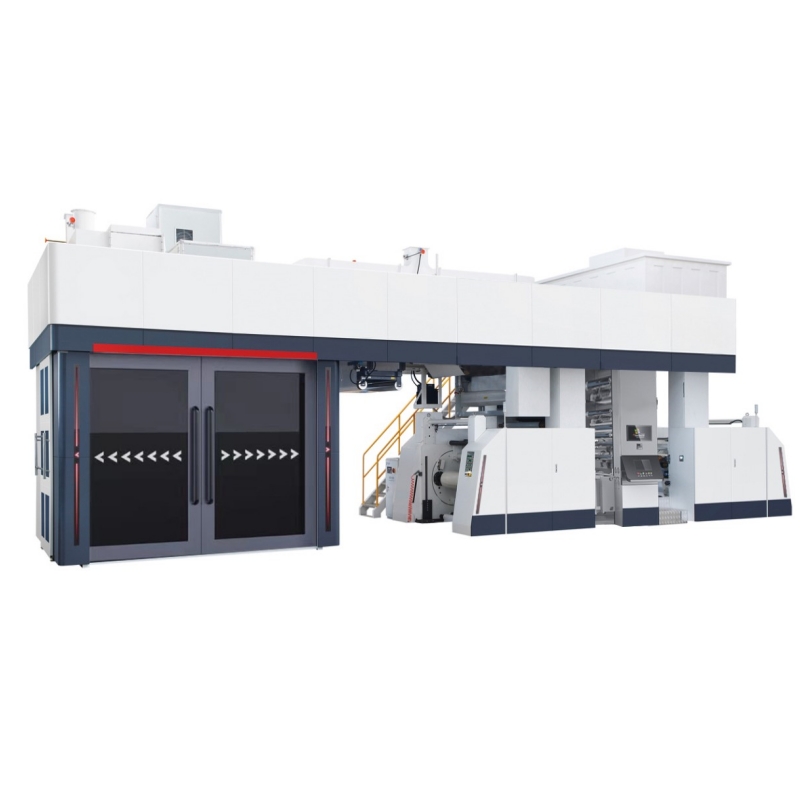
Located in Wenzhou City, Zhejiang Province, China, Wenzhou Jinyuan Mechanical Technology Co., Ltd.is a premier, modern provider of slitting, rewinding, and Printing Equipment solutions integrating technical research and development, manufacturing, and international sales.
Operating from a state-of-the-art production workshop spanning over 3,000 square meters, Jinyuan Machinery employs nearly 70 dedicated professionals, including 11 technical engineers and 6 core R&D experts. We excel at customizing user-friendly, high-stability systematic machinery tailored to our global clients' exact production demands.
Why Global B2B Buyers Choose Jinyuan Machinery:
- Certified Engineering Excellence: Our manufacturing facility holds international CE and ISO quality management certifications alongside multiple technical patents.
- Customized System Design:Engineered to process thermal paper, coated paper, self-Adhesive Labels, and biodegradable films seamlessly in coreless or cored modes.
- Strict Quality Assurance: Every coreless automatic slitter rewinder undergoes rigorous factory load-testing to guarantee long-term operational stability and sub-millimeter slitting precision.
- End-to-End Global Support: From pre-sale technical consulting and equipment customization to seamless international logistics and remote engineer commissioning.
8. Frequently Asked Questions (FAQ)
Q1: How does a Coreless Automatic Slitter Rewinder prevent finished rolls from collapsing?
A: The machine uses specialized expanding air spindles combined with programmable initial winding tension and precision nip pressure rollers. During the first few revolutions, the web is tightly locked onto the spindle surface without gluing or coring, creating a firm, self-supporting inner core structure that prevents roll collapse during storage and transit.
Q2: Can one single machine switch between coreless and cored roll production?
A: Yes! Jinyuan Machinery engineers versatile dual-function slitter rewinders. By simply swapping the rewind shaft or adjusting the PLC control parameters, operators can switch from coreless production to traditional cored roll production within minutes.
Q3: Can a coreless slitter rewinder process thin biodegradable films without tearing?
A: Absolutely. Our machines feature closed-loop automatic tension controllers, high-sensitivity magnetic powder/servo drives, and ultra-smooth guide rollers. This prevents film stretching, necking, or wrinkling even when processing delicate bioplastic substrates like PLA and PBAT.
Q4: How quickly can a coreless thermal paper slitter rewinder pay for itself (ROI)?
A: Most high-volume converting facilities achieve complete Return on Investment (ROI) within 6 to 12 months, driven by direct savings in core purchasing, reduced core cutter labor, lower packaging volume, and reduced shipping freight charges.
Upgrade Your Converting Operations with Jinyuan Machinery Today!
Ready to eliminate core expenses, boost roll yield, and offer zero-waste eco-friendly rolls to your clients? Partner with Wenzhou Jinyuan Mechanical Technology Co., Ltd. for customized, CE-certified coreless automatic slitter rewinders engineered for peak reliability.
Visit our official website: www.jinyuan-machinery.com | ISO 9001 & CE Certified Factory