inquiry
Leave Your Message

Blog

7 Best Printing Machines for Global Buyers in 2026

7 Best Printing Machines for Global Buyers in 2026

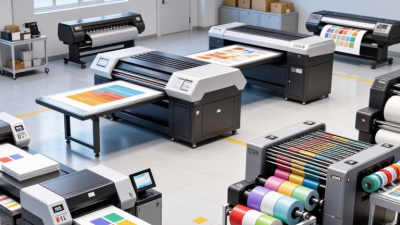
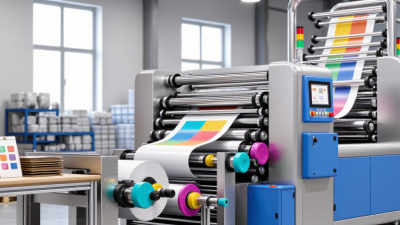
Picking the right printing equipment in 2026? It's not just about speed, price, and shiny specs. If you're buying globally, you've got to look at substrate compatibility, ink stability, energy use, operator training, and whether there's decent local service support. A machine can look flawless in a factory showroom and then struggle in a humid warehouse, with unstable power, or when paper sizes are all over the place. That practical gap is what really matters. In this guide, we walk through seven leading printing machines for international buyers—covering digital, offset, label, textile, and wide-format systems. For each one, we look at measurable stuff: production volume, color consistency, setup time, maintenance access, and total cost of ownership. We also ask whether manufacturers can actually provide spare parts and technical support across regions. These details can save you from some very expensive downtime after installation. Benny Landa, founder of Landa Digital Printing, once said, “Everything that can be digital, will be digital.” That's still a sharp observation—but it's not the whole story. Plenty of commercial printers still need offset efficiency for long runs, and packaging businesses often care more about accurate registration and durable inks. There's no universal winner. The phrase Printing Machine Printing Machine might sound a bit awkward, but it captures a common search concern: buyers want dependable printing machines, not just impressive marketing language. Our selection tries to balance expert knowledge with real-world operating considerations. Some rankings are still up for debate. And honestly, purchase decisions should come down to sample testing, supplier verification, and a careful look at regional regulations. Performance has to be proven on your materials—not just on a spec sheet.
Read more »
Ethan By:Ethan - October 11, 2026
China Best Label Press Manufacturer How to Choose?

China Best Label Press Manufacturer How to Choose?

Picking the China Best Label Press Manufacturer isn’t just a price-checking exercise. How do you choose? Well, a reliable Label Press has to fit your substrates, your production volume, your ink system, and your finishing needs. And don’t just trust those shiny brochures—look at real samples. Ask about registration accuracy on thin film, paper, and textured stock. Get running videos that actually show speed and waste data. Yep, the small details matter. Mike Ferrari, a veteran label-printing consultant, once put it this way: “The best press is the one that delivers repeatable quality, not the highest advertised speed.” That still holds up. A capable manufacturer should be able to walk you through servo control, drying performance, color management, inspection systems, and changeover time. They should also offer installation training, spare-parts access, and tech support that actually responds. Certifications and factory testing are nice confidence boosters, but they don’t replace customer references. Talk to users running similar jobs. Then look hard at total ownership cost. That means tooling, maintenance, energy use, software updates, and operator training. A cheaper Press Machine Press Machine can end up creating more waste during long runs. It’s an easy risk to miss. Ask whether the Label Press can scale with future orders, variable data, and new materials. If you can, inspect the assembly area. Clean wiring, documented testing, and disciplined quality checks tell you a lot about their habits. Still, no checklist is perfect. Some buyers get too hung up on specs and forget about communication. A trustworthy China manufacturer answers tough questions clearly, admits limitations, and puts promised performance in writing. That kind of balance makes for a more reliable investment.
Read more »
Sophia By:Sophia - October 7, 2026
How to Choose China Top Die Printing Machine Suppliers?

How to Choose China Top Die Printing Machine Suppliers?

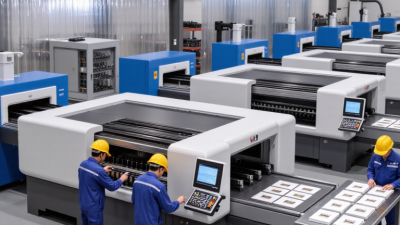
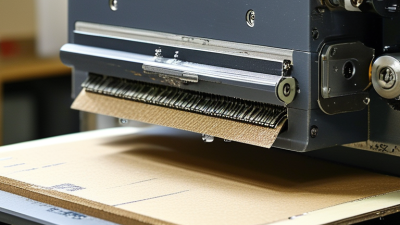
Picking out China’s top die printing machine suppliers isn't just about scanning online prices and calling it a day. It’s more about understanding your actual production needs first—like the types of materials you're working with, die sizes, how much you need to produce, and what tolerances you can accept. A trustworthy supplier should be able to clearly explain these details without skipping around. If someone’s making vague promises, that’s a red flag and deserves some serious digging. Seasoned buyers often ask for videos of the machines in action, photos of the factory, detailed technical drawings, and references from recent clients. It’s also smart to check things like the frame strength, how steady the pressure stays, the accuracy of feeding, safety features, and how easy it is to access the control system. You should even ask if they’d be willing to do a trial run using your actual materials—those small samples can really uncover issues hidden in brochures, like feeding marks, uneven pressure, or slow changeovers. Look for manufacturers who have solid documentation on their quality procedures and responsive tech support. Companies like RUIAN MINGYUAN MACHINERY CO., LTD. and Yancheng Ruida Machinery Co., Ltd. might pop up in your search, but remember, every claim should be verified independently. Factory audits, video inspections, and detailed specifications in the contract can make a big difference in ensuring reliability. Before you send the payment, double-check on installation support, spare parts availability, operator training, and how quick they are to respond to warranty issues. Also, make sure the machine—like a printing die cutting machine—is compatible with your workshop’s power supply, space, ventilation, and maintenance capabilities. Sometimes these practical stuff gets overlooked, but it really shouldn’t. No supplier is perfect, of course. Even the most technically advanced factories might be slow to reply or don’t have local support. That’s something to keep in mind. When comparing options, try to weigh their strengths against potential risks, look for the evidence they provide, and note any unanswered questions. With careful testing and honest judgment, you'll be able to find a China die printing machine partner that helps you keep production stable, work safely, and get long-term value out of your investment.
Read more »
Ethan By:Ethan - October 1, 2026
What Is a Die Cut Printer and How Does It Work?

What Is a Die Cut Printer and How Does It Work?

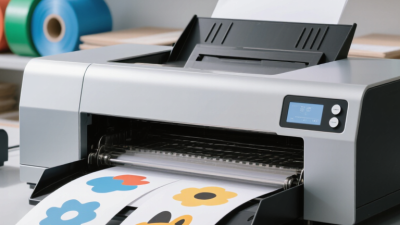
A Die Cut Printer is pretty much the tool that combines printing graphics with precise cutting — think of making labels, stickers, packaging samples, or even custom shapes straight from your digital design. The term itself can refer to a few different types of equipment. For example, some machines can print and cut in one go, while others are paired with a separate digital cutter. That’s actually something you’ll want to keep in mind if you're comparing options or planning your production workflow. So here’s how it works: you start by preparing your artwork — it needs to be ready for print with a clear vector cut path that shows the shape you want. The printer then applies ink to your chosen material, like paper, vinyl, or cardstock. If it’s a combined system, there might be sensors that read registration marks, helping the cutter align its blade perfectly with the printed image. Then, the blade follows the cut path. It might just cut through the sheet, or do a kiss cut — which leaves the backing intact so you can peel your sticker right off. Just a heads-up though: details like material thickness, blade condition, feed alignment, and your artwork preparation are all critical for a clean finish. Doing a test cut first can save you a lot of trouble before going into a big run. Keep in mind, a "Die Cut Printer" doesn’t automatically guarantee flawless edges or perfect colors — that depends on the machine, its settings, and the supplies you use. Also, it’s worth checking whether the machine uses a digital blade or a traditional steel-rule die; each has its pros and cons when it comes to speed, setup, and suitable project sizes. Honestly, I’d never just go by the headline speed alone. Looking at sample outputs, compatible materials, maintenance, and your actual workflow tend to give you a much better idea of what’s right for you.
Read more »
Oliver By:Oliver - September 28, 2026
What Is the Best Packaging Printing Machine from China?

What Is the Best Packaging Printing Machine from China?

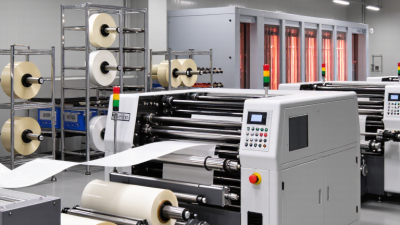
Picking the right Packaging Printing Machine from China isn't just about comparing prices or flipping through shiny brochures. You really need to find a machine that’s a good fit for your specific needs—things like the type of substrate, ink system, print width, speed, and how much you plan to produce. Different materials like paper bags, flexible films, labels, or corrugated sheets each need their own engineering tweaks. For example, a machine that does a great job on coated paper might not handle thin film that well—that little detail actually makes a big difference. In this guide, I’m sharing practical insights based on supplier specs, trying out samples, chatting with manufacturers, and looking at after-sales support. When you're checking out machines, pay attention to details like registration accuracy, drying ability, color consistency, how quickly you can change setups, and how much waste you produce. It’s a smart move to ask for printed samples using your actual materials so you see how it really performs. Also, don’t forget to give the control panel, tension system, rollers, and safety guards a close look—these small things can tell you a lot about how well it’s built. Remember, a good Packaging Printing Machine should run smoothly over long production runs, not just look impressive during a quick demo. There’s no one-size-fits-all perfect model. The best choice really depends on what you’re printing, your budget, how much maintenance you can handle, and whether you can get good local support. I wouldn’t swallow every claim a supplier makes without a second thought—some specs need independent backing. Make sure to check electrical standards, installation needs, availability of spare parts, training, warranty options, and any environmental rules you need to follow. Thinking about total costs is also key—things like ink, plates, energy, labor, and downtime all add up. The safest and smartest decision usually combines solid tech info with real-world experience. Sure, it might take a little extra time, but it’s worth it for peace of mind and long-term value. Bottom line: go for a machine that offers consistent quality, practical efficiency, and a responsible approach for the future.
Read more »
Sophia By:Sophia - September 23, 2026
2026 Best 4 Color Screen Printing Machine for Global Buyers?

2026 Best 4 Color Screen Printing Machine for Global Buyers?

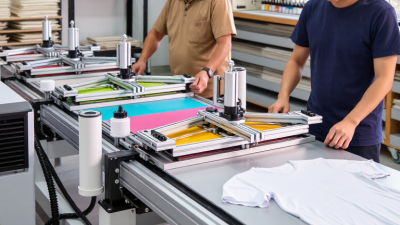
Deciding on a 4 Color Screen Printing Machine in 2026 isn’t just about comparing prices or flipping through photos. For international buyers, it’s really about looking beyond the surface—things like dependable registration, practical curing controls, and after-sale support that actually sticks around after setup. Sure, a machine might look sleek online, but it’s often the little details that make all the difference in everyday productivity. Think about frame size, squeegee pressure, pneumatic needs, compatibility with flash dryers, and how easy it is for operators to access different parts. These factors directly impact the quality of prints on cotton shirts, tote bags, posters, or promotional textiles. Scott Fresener, a seasoned expert in screen printing and founder of the U.S. Screen Printing Institute, once said, “Consistency is the foundation of profitable screen printing.” That’s as true today as it was back then. When choosing a reliable 4 Color Screen Printing Machine, you want it to deliver consistent results, not just produce eye-catching samples. It’s a good idea to ask for registration tolerances, production videos, spare parts lists, warranty info, and details about training—don’t be shy about asking tough questions. In this guide, I’ll look at four solid machine options for international buyers in 2026. We’ll consider things like manual versus semi-automatic setups, electrical standards, how well the machines hold up during shipping, what’s required for installation, and how responsive customer support is afterward. Experience from real workshops really matters here. Operators notice problems like vibrations, awkward loading spaces, slow pallet movement, and fatigue from constant adjustments. Sometimes manufacturers boast about maximum speeds but forget to mention setup times—that’s something you should definitely question. Remember, no one-size-fits-all machine exists. A smaller, more compact model might be perfect for a startup, while a heavy-duty press is probably better suited for larger contract work. Factors like your budget, worker skill level, order volumes, and local support services all play a role in your decision. This comparison is meant to give you useful insights, but at the end of the day, the specs alone can’t guarantee everything—you’ve gotta consider how it’ll perform in your specific shop.
Read more »
Ethan By:Ethan - September 19, 2026
What Is the Best Die Printing Machine in 2026?

What Is the Best Die Printing Machine in 2026?

Picking out the best die printing machine in 2026 isn’t just about grabbing the fastest model out there. Nowadays, packaging converters are juggling a bunch of factors — like speed, how precise the registration is, energy consumption, how well the software works with their systems, and the long-term costs for maintenance. I mean, sure, a machine that churns out 8,000 sheets an hour sounds awesome, but if setting it up takes forever, it might actually be kind of a letdown. The real question is whether it can deliver consistent results across different substrates, short runs, and those tricky finishing tasks you're always up against. Recent industry reports really back this shift. For example, Smithers’ forecasts highlight that shorter production runs, product versioning, automation, and sustainability are dominating the market through 2028. Plus, the FESPA Print Census shows that printers are still investing heavily in digital workflows and equipment that boost efficiency. These insights are pretty important when you’re comparing a traditional die printing machine to a modern [printing die cutting machine](https://www.jinyuan-machinery.com/printing-die-cutting-machine). The best pick depends on things like sheet size, board thickness, tooling changes, waste control, and the skill level of the operator. It’s the small details that really count. Benny Landa, the guy who founded Landa Digital Printing, famously said, “Everything that can be printed will be printed.” That really hits home these days — customers want customized packaging, and they want it fast and reliable. But here’s the thing: calling something the “best” isn’t exactly straightforward. A machine that’s perfect for a folding-carton producer might be totally off for a luxury box maker. To figure out what’s truly right, you’ve gotta do real production trials, inspect samples, check out service records, and be transparent about operating costs. This guide gives you the lowdown on the top technologies out there, but let’s be honest — impressive specs don’t always mean it’ll be profitable in the hectic world of a busy factory.
Read more »
Sophia By:Sophia - September 15, 2026
Top Die Cutting Press Manufacturers for Global Buyers

Top Die Cutting Press Manufacturers for Global Buyers

Picking out a Die Cutting Press isn't just about comparing brands — it’s more of a practical decision. For buyers around the world, it’s really about matching the machine’s capabilities with your substrates, how much you’re producing, your tooling needs, and the local support you can get. A press that works perfectly for folding cartons might not handle thick corrugated board or delicate labels so well. Little things matter a lot — like how stable the feeder is, how precise the stripping, how quick it is to switch over, and how easy it is for operators to access all parts. In this guide, we look at some of the top manufacturers — Bobst, Heidelberg, Koenig & Bauer, Masterwork, and Young Shin. We take into account how fast they can produce, maximum sheet sizes, automation levels, energy efficiency, safety features, and after-sales support. Jean-Pascal Bobst, the CEO of Bobst, famously said, “Innovation is not an option; it is a necessity.” That mindset still holds true for anyone comparing modern die cutting machines. But here’s the thing: innovation should really solve actual production challenges. Sometimes adding more automation just adds extra costs, especially if your plant doesn’t have trained technicians or a solid maintenance plan. If you’re serious about making the right choice, your buying process should include factory demos, sample trials, and clear, written performance specs. Ask manufacturers to test your actual materials — whether it’s board, paper, or specialty stuff. Watch out for waste, setup time, noise levels, and how consistent the final product is. Don’t just go by brochure speeds — they can look really good on paper but might not be the real deal. No ranking is perfect, though. Things like regional conditions, import taxes, spare parts availability, and your team’s experience can all influence what’s best for you. So, this overview is meant to focus on honest, practical info and long-term value. It’s here to help converters, packaging firms, and industrial buyers get a clearer shortlist before requesting formal quotes. Remember — the fastest machine isn’t always the best. Sometimes, it’s the one that performs reliably in your actual production environment that counts the most.
Read more »
Oliver By:Oliver - September 10, 2026
How to Choose the Best Printing Machine for Your Business?

How to Choose the Best Printing Machine for Your Business?

Picking the right printing machine can really make a difference in how smoothly your business runs and how much profit you can make. I mean, industry expert John Smith from PrintMax Technologies puts it pretty plainly: "Choosing the right printing equipment is key to growing your business." That really hits home for a lot of folks who’ve gone through the often confusing world of printing tech. A printing machine isn’t just some gadget you buy—it's actually a pretty important part of your overall plan. Knowing exactly what your business needs is super important here. Different companies need different features—some might need stuff to be lightning-fast, while others care more about getting top-notch quality. Jumping into a decision without thinking it through could cost you big time. You gotta really look at what your operations require and figure out how a specific machine will fit into that picture. A lot of entrepreneurs tend to overlook the nitty-gritty of all the printing machines out there today. Things like how fast they print, what kinds of media they work with, and how much maintenance costs are, all matter a lot. It’s worth sitting down and weighing the long-term benefits against the initial costs. Remember, choosing the wrong machine could end up slowing down your growth instead of helping it grow. So, as you dive into this, make sure you give each option a good, careful look—don’t rush it.
Read more »
Ethan By:Ethan - August 30, 2026